Contaminant Comparison Chart

For a complete list of contaminants that PUR filters reduce, please view our Performance Data Sheets here.


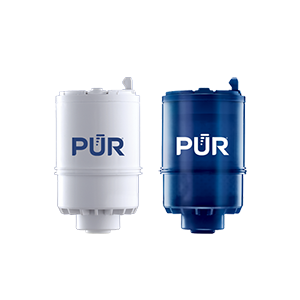
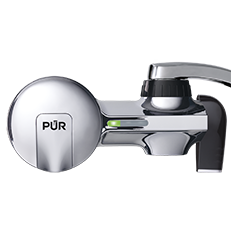
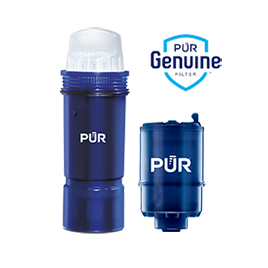
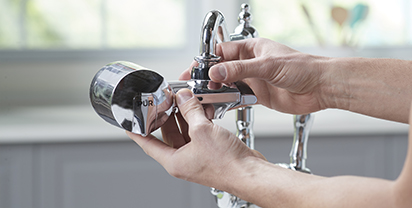
PUR & PUR PLUS FAUCET FILTERS
RF3375/RF9999

View Filters

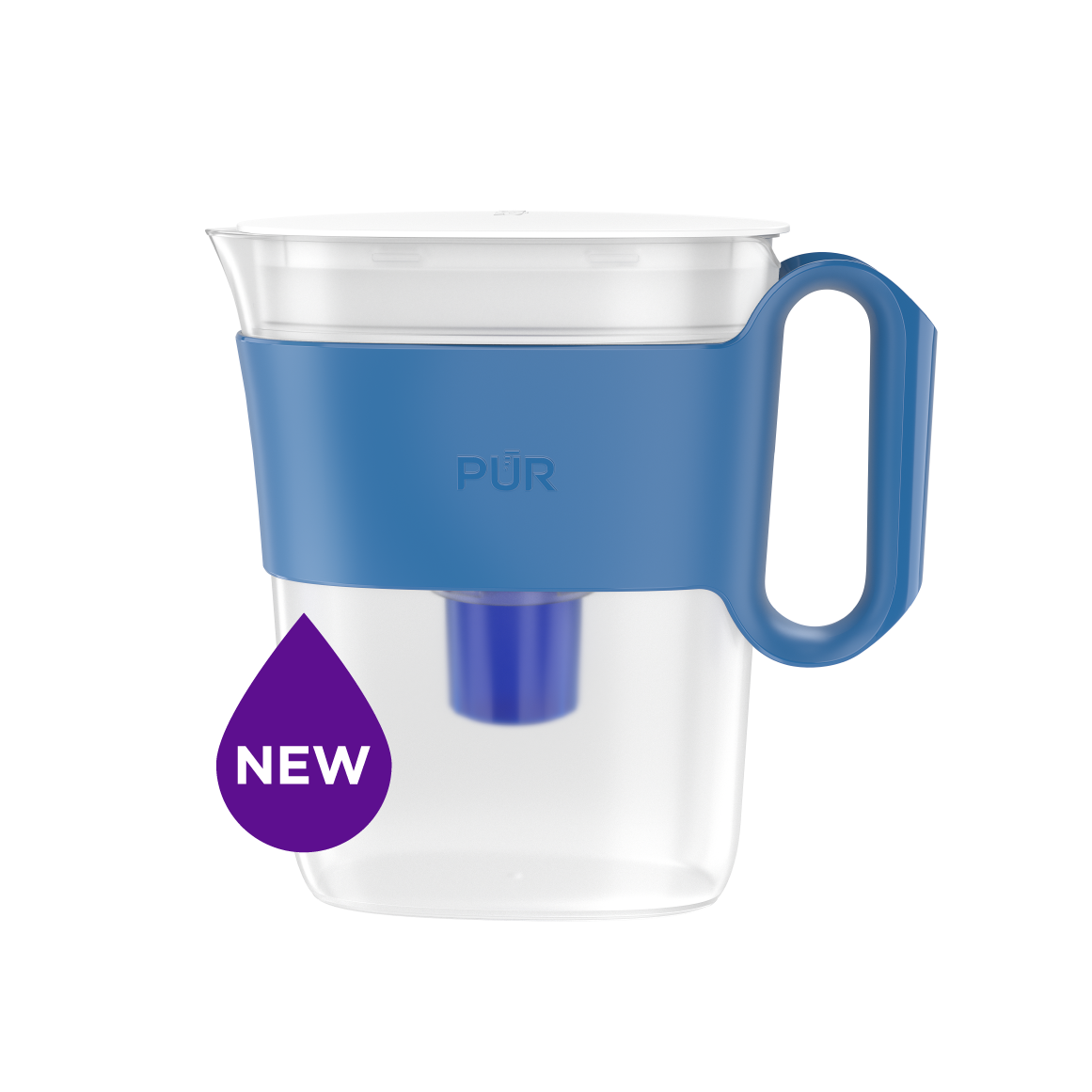
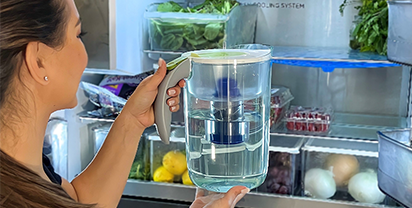
PUR PLUS PITCHER FILTERS
PPF951K

View Filter

PUR BASIC PITCHER FILTERS
PPF900Z

View Filter


Vs. Brita*

Lead
Microplastics
Mercury
Chlorine Taste & Odor
DEET
TTHM

PUR’s Filtration Systems Are Certified By NSF And WQA For Their Contamination Reduction. WQA certifications as of 5/27/21 for Faucet filter models RF-3375 and RF-9999.

¹ Certified to reduce 10X more chemical and physical substances than Brita’s® leading pitcher filter.
² Certified to reduce 3X more chemical and physical substances than Brita’s® leading pitcher filter.
³ Certified to reduce 2X more chemical and physical substances than Brita’s® leading pitcher filter.
*Versus best-selling Brita® pitcher filter OB03. Brita® is a trademark of Brita LP.
**Like other leading brands, PUR does not filter microbes. As of 3/1/23 Brita® and ZeroWater® were not certified to filter microbes. Brita® is a trademark of Brita LP. ZeroWater® is a trademark of Zero Technologies, LLC..
 

PUR & PUR PLUS FAUCET FILTERS


PUR & PUR PLUS FAUCET FILTERS
RF3375/RF9999

View Filters


Vs. Brita*

Lead
Microplastics
Mercury
Chlorine Taste & Odor
DEET
TTHM

PUR’s Filtration Systems Are Certified By NSF And WQA For Their Contamination Reduction. WQA certifications as of 5/27/21 for Faucet filter models RF-3375 and RF-9999.

¹ Certified to reduce 10X more chemical and physical substances than Brita’s® leading pitcher filter.
² Certified to reduce 3X more chemical and physical substances than Brita’s® leading pitcher filter.
³ Certified to reduce 2X more chemical and physical substances than Brita’s® leading pitcher filter.
*Versus best-selling Brita® pitcher filter OB03. Brita® is a trademark of Brita LP.
**Like other leading brands, PUR does not filter microbes. As of 3/1/23 Brita® and ZeroWater® were not certified to filter microbes. Brita® is a trademark of Brita LP. ZeroWater® is a trademark of Zero Technologies, LLC..
 

PUR PLUS PITCHER FILTERS


PUR PLUS PITCHER FILTERS
PPF951K

View Filter


Vs. Brita*

Lead
Microplastics
Mercury
Chlorine Taste & Odor
DEET
TTHM

PUR’s Filtration Systems Are Certified By NSF And WQA For Their Contamination Reduction. WQA certifications as of 5/27/21 for Faucet filter models RF-3375 and RF-9999.

¹ Certified to reduce 10X more chemical and physical substances than Brita’s® leading pitcher filter.
² Certified to reduce 3X more chemical and physical substances than Brita’s® leading pitcher filter.
³ Certified to reduce 2X more chemical and physical substances than Brita’s® leading pitcher filter.
*Versus best-selling Brita® pitcher filter OB03. Brita® is a trademark of Brita LP.
**Like other leading brands, PUR does not filter microbes. As of 3/1/23 Brita® and ZeroWater® were not certified to filter microbes. Brita® is a trademark of Brita LP. ZeroWater® is a trademark of Zero Technologies, LLC..


PUR BASIC PITCHER FILTERS


PUR BASIC PITCHER FILTERS
PPF900Z

View Filter


Vs. Brita*

Lead
Microplastics
Mercury
Chlorine Taste & Odor
DEET
TTHM

PUR’s Filtration Systems Are Certified By NSF And WQA For Their Contamination Reduction. WQA certifications as of 5/27/21 for Faucet filter models RF-3375 and RF-9999.

¹ Certified to reduce 10X more chemical and physical substances than Brita’s® leading pitcher filter.
² Certified to reduce 3X more chemical and physical substances than Brita’s® leading pitcher filter.
³ Certified to reduce 2X more chemical and physical substances than Brita’s® leading pitcher filter.
*Versus best-selling Brita® pitcher filter OB03. Brita® is a trademark of Brita LP.
**Like other leading brands, PUR does not filter microbes. As of 3/1/23 Brita® and ZeroWater® were not certified to filter microbes. Brita® is a trademark of Brita LP. ZeroWater® is a trademark of Zero Technologies, LLC..
 

2025 Guide: How to Choose the Best Whole House Water Filtration System?

When it comes to ensuring the safety and quality of the water you consume and use daily, investing in a whole house water filtration system is one of the most effective solutions. This comprehensive system not only addresses contaminants that can affect your drinking water but also protects your appliances and plumbing from mineral buildup and scale. As we approach 2025, many homeowners are seeking clarity on how to select the best system that meets their unique needs.

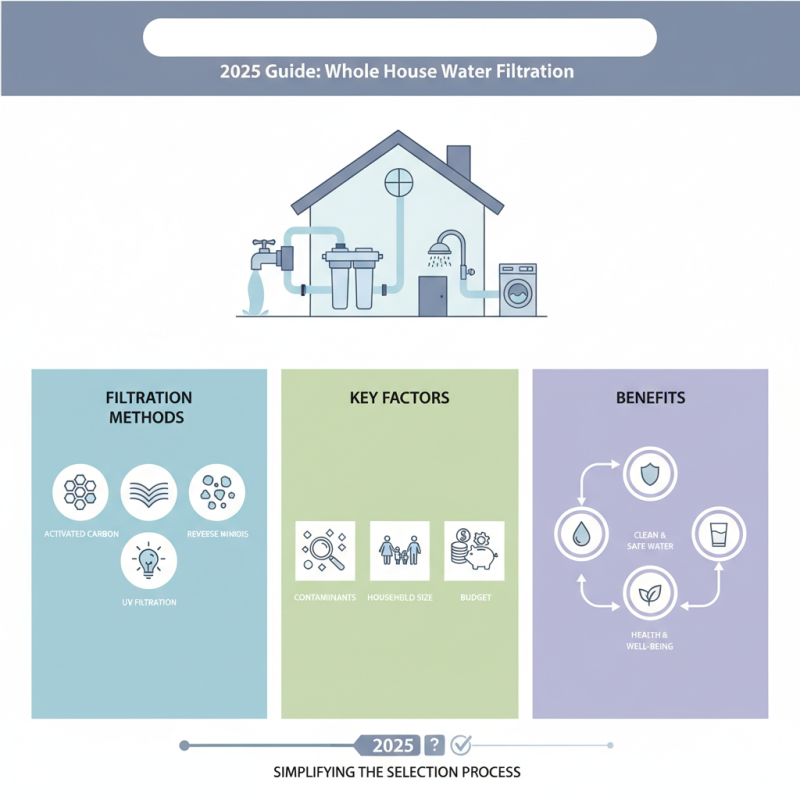
Choosing the right whole house water filtration system involves understanding the various types of filtration methods available, such as activated carbon, reverse osmosis, and UV filtration. Additionally, it's essential to consider factors such as the specific contaminants present in your water source, your household size, and your budget. With so many options on the market, making an informed decision can seem overwhelming, but with the right guidance, you can find a system that ensures your family's water is clean, safe, and refreshing. This guide aims to simplify the selection process and empower homeowners to invest in their health and well-being through effective water filtration.

2025 Guide: How to Choose the Best Whole House Water Filtration System?

Understanding the Basics of Whole House Water Filtration Systems

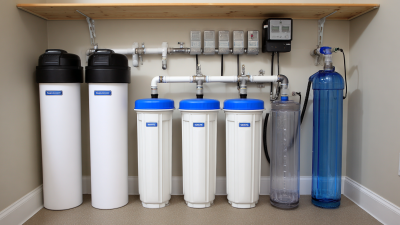
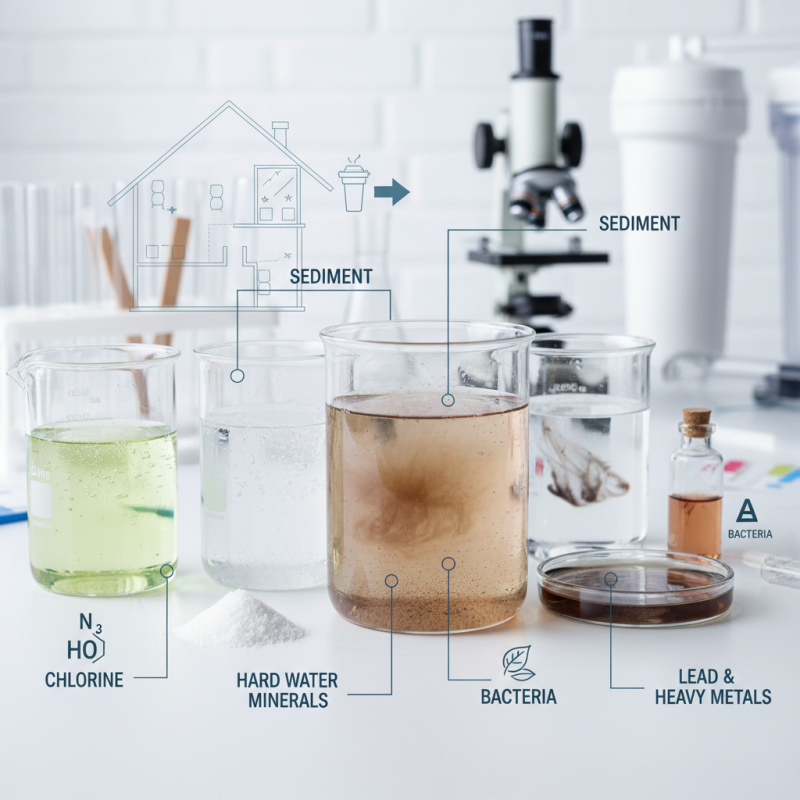
Whole house water filtration systems are designed to provide clean and safe water to every tap and appliance in a home. Understanding how these systems work is crucial for homeowners looking to improve their water quality. At the core, these systems filter out a variety of contaminants from the water supply, including sediment, chlorine, heavy metals, and microorganisms. This is typically achieved through a series of filtration stages, including sediment filters, activated carbon filters, and sometimes reverse osmosis or ultraviolet sterilization.

When evaluating whole house water filtration systems, it's important to consider the specific contaminants present in your local water supply. Water quality can vary widely depending on geographic location, so a comprehensive water test can help identify the specific impurities that need to be addressed. Furthermore, homeowners should also take into account the system’s flow rate and capacity, ensuring that it meets their household’s water usage demands without sacrificing pressure. By understanding these basic elements, homeowners can make informed decisions that lead to healthier and safer water for their families.

2025 Guide: How to Choose the Best Whole House Water Filtration System?

Feature Description Importance Level
Type of Filtration Activated Carbon, UV, Reverse Osmosis High
Capacity Measured in gallons per minute (GPM) High
Maintenance Frequency Regular filter changes and system checks Medium
Certification Look for NSF or ANSI certifications High
Installation Complexity DIY vs. Professional installation Medium
Cost Initial price and long-term maintenance costs High
Water Quality Improvement Reduction of contaminants and odors High

Identifying Your Water Quality Needs and Testing Options

2025 Guide: How to Choose the Best Whole House Water Filtration System?

When considering a whole house water filtration system, the first step is to thoroughly understand your specific water quality needs. According to the Environmental Protection Agency (EPA), nearly 85% of U.S. households are affected by hard water, which can lead to mineral buildup and affect plumbing and appliances. Additionally, many areas face challenges such as high levels of chlorine, sediment, or contaminants like lead. Therefore, it is crucial to conduct a water quality test to identify the specific issues present in your household supply. This can involve basic tests that reveal acidity levels and hardness, or more comprehensive testing that examines chemical contaminants, bacteria, and heavy metals.

Various testing options are available to homeowners, ranging from DIY kits to professional testing services. The Water Quality Association (WQA) suggests that homeowners utilize certified laboratories for the most accurate assessment, particularly if there are known contaminants in the area. This is an important consideration, as the results will not only inform which filtration system to choose but also help establish a baseline for monitoring changes in water quality over time. Recognizing the nuances of your water supply empowers you to select a filtration system that effectively addresses your specific needs, ensuring cleaner and safer water for your household.

Types of Whole House Water Filtration Systems Available

When considering a whole house water filtration system, it's essential to understand the different types available to make an informed choice. The most common systems include activated carbon filters, reverse osmosis systems, and UV disinfection units. According to the Water Quality Association, activated carbon filters are effective at removing chlorine, volatile organic compounds (VOCs), and other contaminants, improving taste and odor. These systems can reduce contaminants by up to 99%, making them a popular choice for homeowners seeking better-quality water.

Reverse osmosis systems work by forcing water through a semipermeable membrane, effectively removing dissolved solids, heavy metals, and other impurities. A report by the National Sanitation Foundation highlights that these systems can remove up to 98% of total dissolved solids, providing clean and safe drinking water. UV disinfection systems, on the other hand, use ultraviolet light to kill bacteria, viruses, and other microorganisms. The CDC emphasizes the effectiveness of UV systems in treating water, especially in municipalities dealing with microbial contamination.

Choosing the right filtration system for your home depends on factors such as your water source, the specific contaminants present, and your overall water usage. Studies indicate that approximately 85% of households may benefit from some form of filtration, emphasizing the importance of assessing your individual needs to ensure optimal water quality throughout your home.

2025 Guide: Types of Whole House Water Filtration Systems

Key Features to Consider When Choosing a Filtration System

2025 Guide: How to Choose the Best Whole House Water Filtration System?

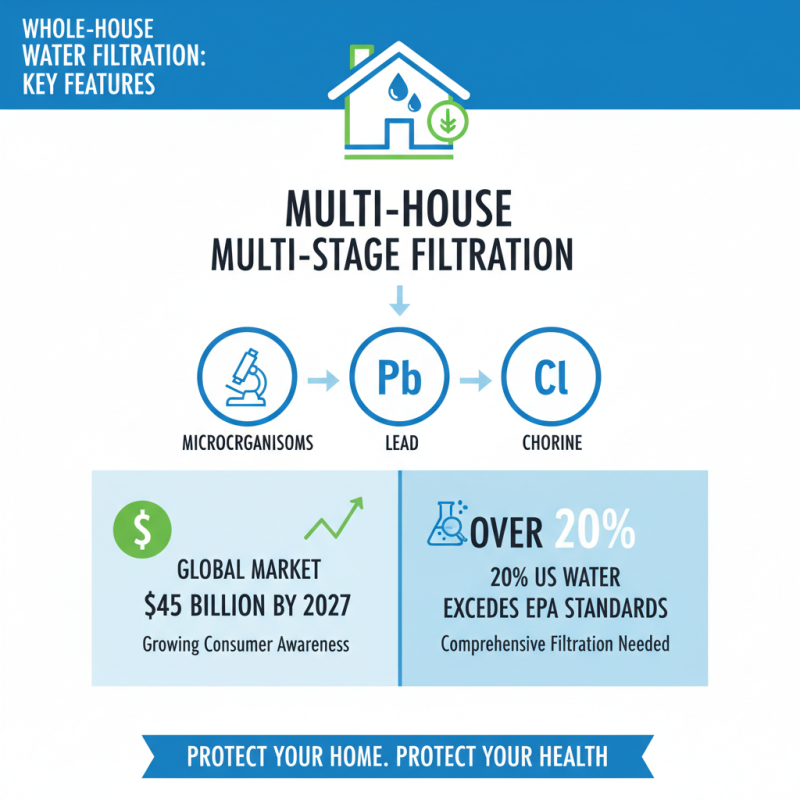
When selecting the best whole house water filtration system, it’s essential to understand the key features that can significantly impact the effectiveness of the system. According to recent industry reports, the water filtration market is projected to reach $45 billion by 2027, reflecting a growing consumer awareness of water quality and health. Consumers should prioritize systems that utilize multi-stage filtration processes to ensure the removal of a wide range of contaminants, including chlorine, lead, and microorganisms. A study by the Environmental Protection Agency (EPA) revealed that over 20% of U.S. drinking water samples contain contaminants that exceed federal standards, emphasizing the importance of comprehensive filtration solutions.

Another critical consideration is the filtration system’s flow rate and capacity to meet household demands. Research indicates that families consume an average of 300 gallons of water per day, making it vital for a whole house system to handle peak usage without sacrificing water quality. Systems with a higher capacity can manage this demand more effectively, ensuring that filtered water is available at every tap simultaneously. Additionally, the longevity of the filter cartridges should not be overlooked; systems requiring less frequent replacements can provide cost savings and reduced maintenance efforts. By evaluating these key features, homeowners can make informed decisions to secure clean and safe water for their families.

Budgeting and Maintenance Considerations for Filtration Systems

When selecting a whole house water filtration system, budgeting and maintenance considerations play a crucial role in ensuring long-lasting performance and efficiency. According to the Water Quality Association, homeowners can expect to pay between $1,000 and $4,000 for an average whole house system, depending on the complexity and technology involved. It’s essential to assess your water quality needs and choose a system that effectively addresses contaminants, which may involve additional upfront costs for testing and installation.

Regular maintenance is paramount to keep your filtration system operating effectively. Industry studies suggest that filters should be changed every 6-12 months, and annual system check-ups can help catch potential issues early. Neglecting maintenance can lead to decreased filtration performance and costly repairs down the line. Implementing a maintenance schedule not only enhances the lifespan of your system but also ensures that your household enjoys clean and safe drinking water.

Tips: Consider setting aside approximately 10-15% of your initial investment yearly for maintenance costs. Additionally, educate yourself on the specific requirements of your chosen system to optimize its effectiveness, like knowing the ideal replacement intervals for your filters. Finally, keep an eye out for local grants or rebates for water filtration systems that can ease the financial burden of your investment.