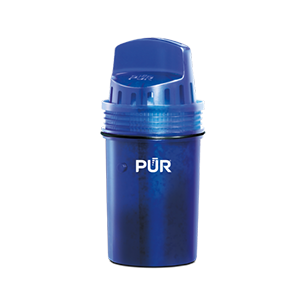
Contaminant Comparison Chart

For a complete list of contaminants that PUR filters reduce, please view our Performance Data Sheets here.


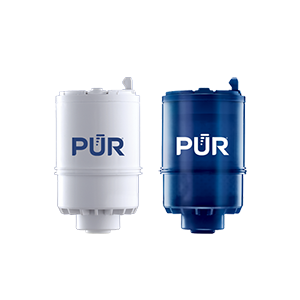
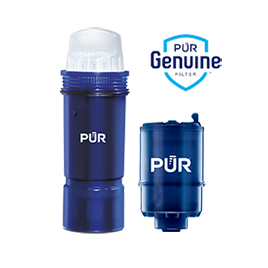
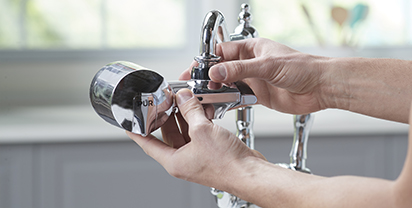
PUR & PUR PLUS FAUCET FILTERS
RF3375/RF9999

View Filters

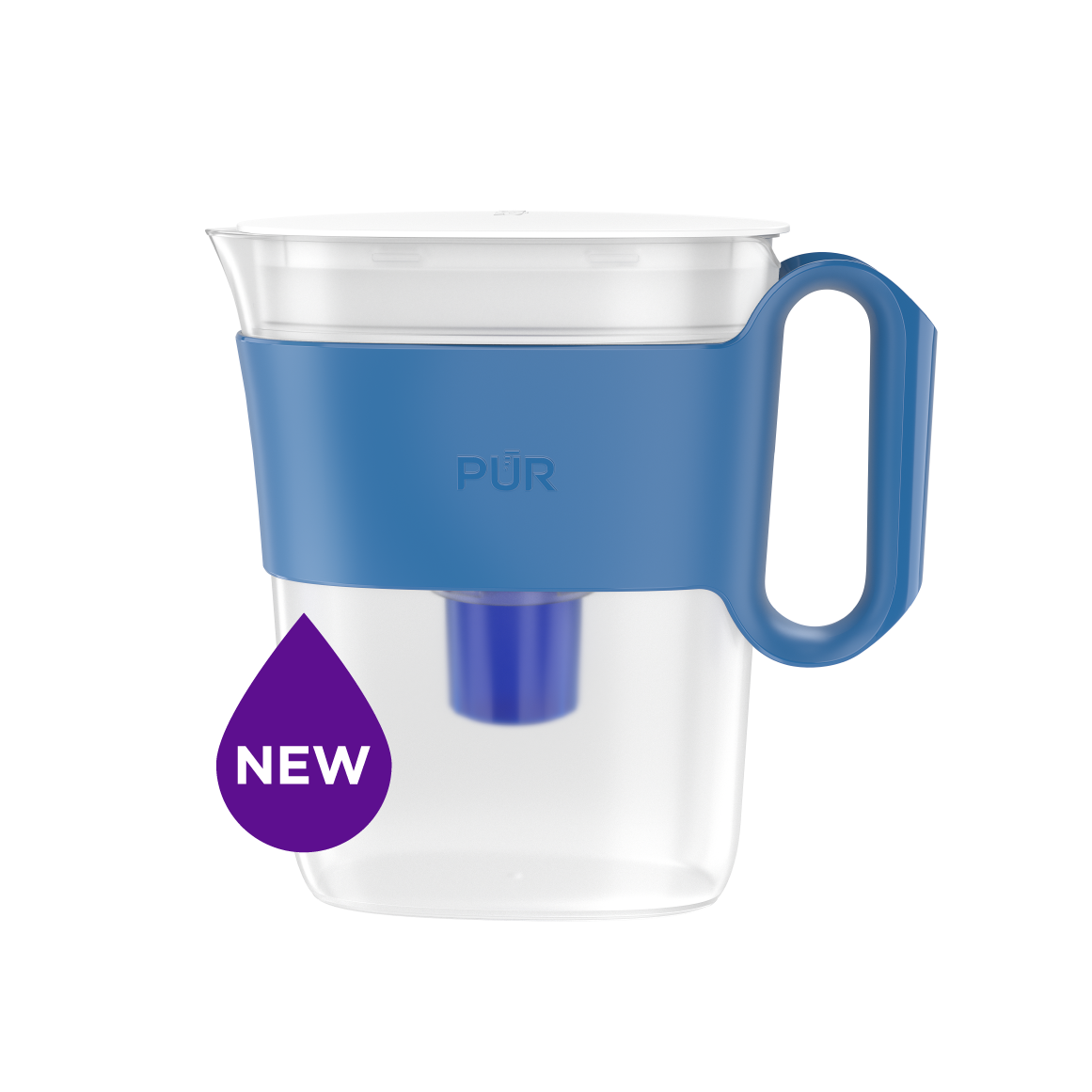
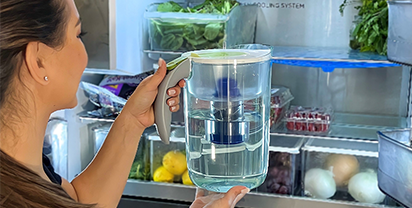
PUR PLUS PITCHER FILTERS
PPF951K

View Filter

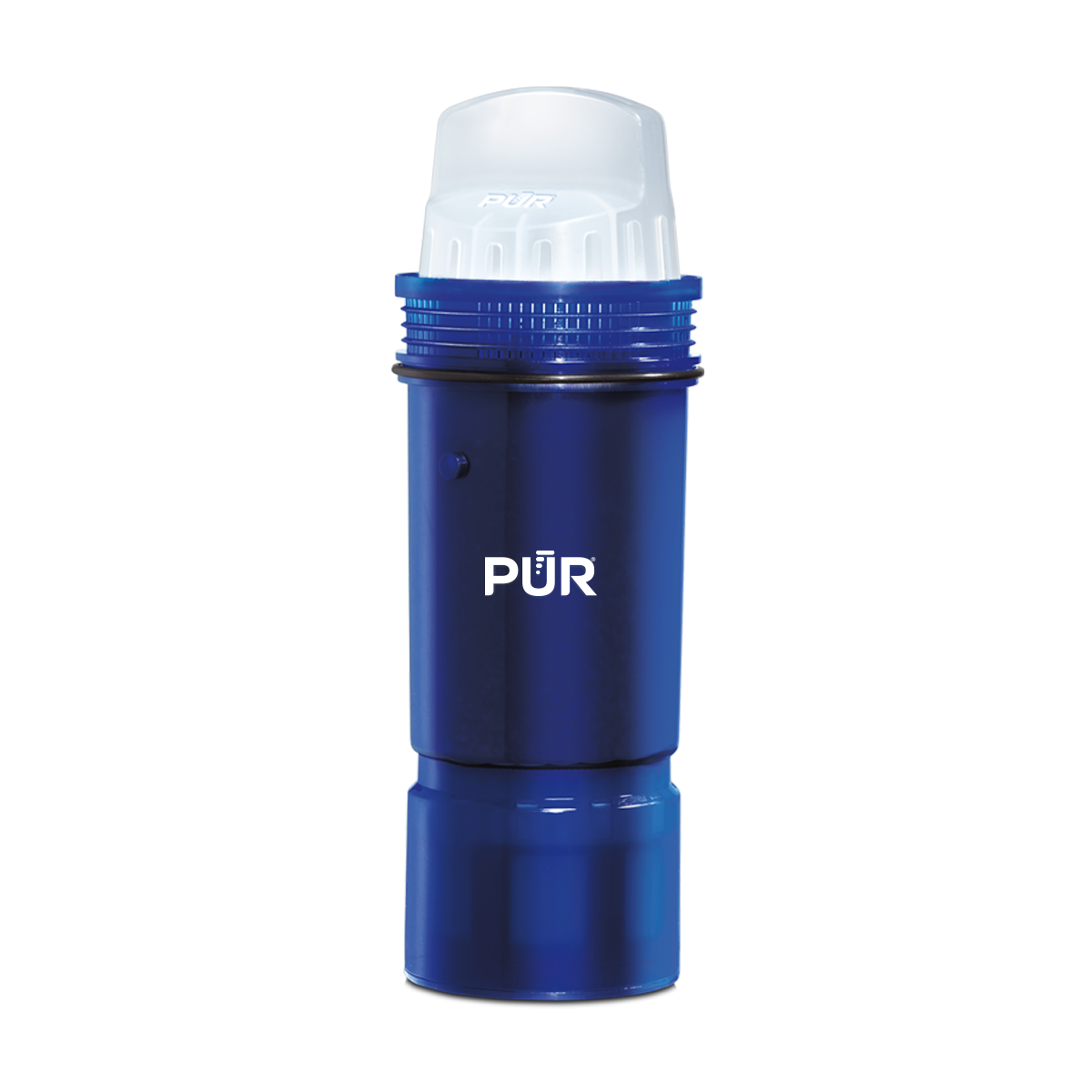
PUR BASIC PITCHER FILTERS
PPF900Z

View Filter


Vs. Brita*

Lead
Microplastics
Mercury
Chlorine Taste & Odor
DEET
TTHM

PUR’s Filtration Systems Are Certified By NSF And WQA For Their Contamination Reduction. WQA certifications as of 5/27/21 for Faucet filter models RF-3375 and RF-9999.

¹ Certified to reduce 10X more chemical and physical substances than Brita’s® leading pitcher filter.
² Certified to reduce 3X more chemical and physical substances than Brita’s® leading pitcher filter.
³ Certified to reduce 2X more chemical and physical substances than Brita’s® leading pitcher filter.
*Versus best-selling Brita® pitcher filter OB03. Brita® is a trademark of Brita LP.
**Like other leading brands, PUR does not filter microbes. As of 3/1/23 Brita® and ZeroWater® were not certified to filter microbes. Brita® is a trademark of Brita LP. ZeroWater® is a trademark of Zero Technologies, LLC..
 

PUR & PUR PLUS FAUCET FILTERS


PUR & PUR PLUS FAUCET FILTERS
RF3375/RF9999

View Filters


Vs. Brita*

Lead
Microplastics
Mercury
Chlorine Taste & Odor
DEET
TTHM

PUR’s Filtration Systems Are Certified By NSF And WQA For Their Contamination Reduction. WQA certifications as of 5/27/21 for Faucet filter models RF-3375 and RF-9999.

¹ Certified to reduce 10X more chemical and physical substances than Brita’s® leading pitcher filter.
² Certified to reduce 3X more chemical and physical substances than Brita’s® leading pitcher filter.
³ Certified to reduce 2X more chemical and physical substances than Brita’s® leading pitcher filter.
*Versus best-selling Brita® pitcher filter OB03. Brita® is a trademark of Brita LP.
**Like other leading brands, PUR does not filter microbes. As of 3/1/23 Brita® and ZeroWater® were not certified to filter microbes. Brita® is a trademark of Brita LP. ZeroWater® is a trademark of Zero Technologies, LLC..
 

PUR PLUS PITCHER FILTERS


PUR PLUS PITCHER FILTERS
PPF951K

View Filter


Vs. Brita*

Lead
Microplastics
Mercury
Chlorine Taste & Odor
DEET
TTHM

PUR’s Filtration Systems Are Certified By NSF And WQA For Their Contamination Reduction. WQA certifications as of 5/27/21 for Faucet filter models RF-3375 and RF-9999.

¹ Certified to reduce 10X more chemical and physical substances than Brita’s® leading pitcher filter.
² Certified to reduce 3X more chemical and physical substances than Brita’s® leading pitcher filter.
³ Certified to reduce 2X more chemical and physical substances than Brita’s® leading pitcher filter.
*Versus best-selling Brita® pitcher filter OB03. Brita® is a trademark of Brita LP.
**Like other leading brands, PUR does not filter microbes. As of 3/1/23 Brita® and ZeroWater® were not certified to filter microbes. Brita® is a trademark of Brita LP. ZeroWater® is a trademark of Zero Technologies, LLC..
 

PUR BASIC PITCHER FILTERS


PUR BASIC PITCHER FILTERS
PPF900Z

View Filter


Vs. Brita*

Lead
Microplastics
Mercury
Chlorine Taste & Odor
DEET
TTHM

PUR’s Filtration Systems Are Certified By NSF And WQA For Their Contamination Reduction. WQA certifications as of 5/27/21 for Faucet filter models RF-3375 and RF-9999.

¹ Certified to reduce 10X more chemical and physical substances than Brita’s® leading pitcher filter.
² Certified to reduce 3X more chemical and physical substances than Brita’s® leading pitcher filter.
³ Certified to reduce 2X more chemical and physical substances than Brita’s® leading pitcher filter.
*Versus best-selling Brita® pitcher filter OB03. Brita® is a trademark of Brita LP.
**Like other leading brands, PUR does not filter microbes. As of 3/1/23 Brita® and ZeroWater® were not certified to filter microbes. Brita® is a trademark of Brita LP. ZeroWater® is a trademark of Zero Technologies, LLC..
 

2025 Top Tap Water Filters: What You Need to Know for Clean Drinking Water

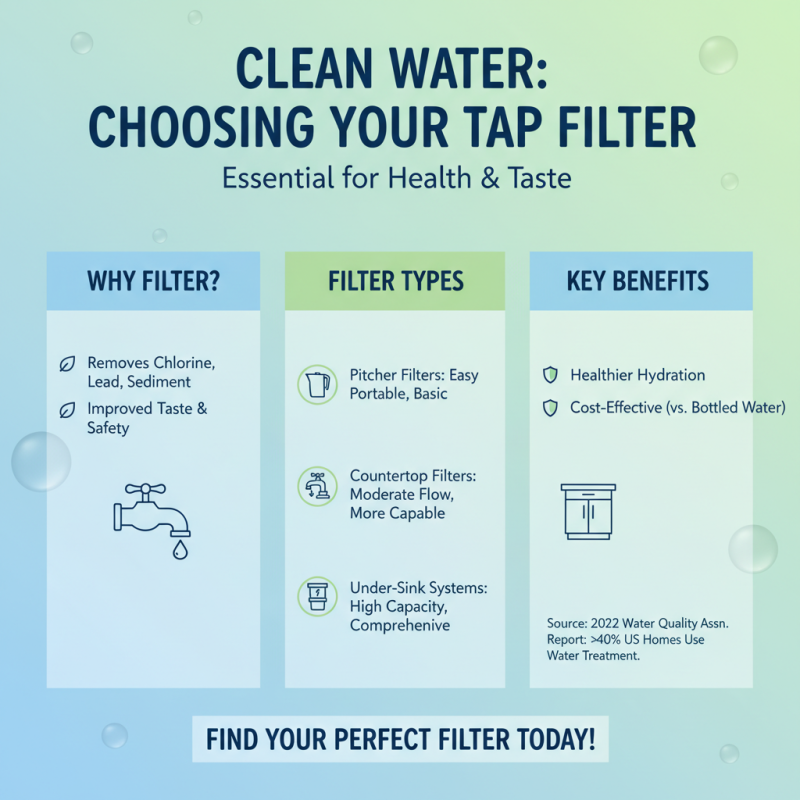
As individuals increasingly prioritize health and wellness, access to clean drinking water has become a fundamental concern in urban and rural settings alike. One of the most effective solutions to ensure the purity of tap water is the utilization of a tap water filter. With a variety of options available on the market, choosing the right filter can significantly enhance the quality of drinking water by removing harmful contaminants, such as chlorine, lead, and other impurities.

In this guide to the top tap water filters of 2025, we will explore the essential factors to consider when selecting the right filtration system for your home. From understanding the various filtration technologies to assessing the specific needs of your household, this comprehensive overview is designed to equip you with the knowledge necessary for making informed decisions. By understanding the functionality and advantages of different tap water filters, you can ensure that you and your family stay hydrated with safe, clean water every day, ultimately contributing to better overall health and well-being.

2025 Top Tap Water Filters: What You Need to Know for Clean Drinking Water

Overview of Tap Water Quality in 2025

In 2025, the quality of tap water continues to be a pressing concern for households across the globe. An increasing number of studies reveal that while many cities are making strides in improving water treatment processes, contaminants such as microplastics, heavy metals, and pharmaceutical residues still pose significant risks to public health. Regular testing and monitoring are essential practices to ensure that tap water remains safe for consumption. The implementation of stricter regulations could also enhance the safety standards of treated water, providing greater peace of mind to consumers.

Furthermore, advancements in filtration technology have emerged as a viable solution to address these ongoing challenges. Home water purification systems are becoming more sophisticated, offering the ability to remove a broad spectrum of impurities. Consumers should evaluate various filtration options, focusing on factors such as removal efficiency, maintenance requirements, and overall cost. Being informed about the specific issues affecting local water supplies empowers individuals to choose the most suitable filter, ultimately contributing to healthier drinking water and improved quality of life.

Essential Features of Top Tap Water Filters

When choosing a tap water filter, essential features play a crucial role in ensuring clean and safe drinking water. One of the primary considerations is the filtration method. Common technologies include activated carbon filters, reverse osmosis systems, and ultraviolet light treatment. Each method has its strengths; for instance, activated carbon is effective at removing chlorine and organic compounds, while reverse osmosis can eliminate heavy metals and contaminants on a molecular level. Selecting a system that suits the specific contaminants in your water supply is vital for optimal results.

Another important feature to consider is the filter's capacity and lifespan. Different filters have varying sizes and filter replacement schedules, which can affect maintenance and overall cost. A filter with a higher capacity may be more suitable for larger households, while compact options work well for smaller spaces. Additionally, it's beneficial to choose a model that provides easy filter replacement and maintenance indicators, ensuring you can consistently enjoy clean water without the hassle of guesswork. These considerations will help you make an informed decision when investing in a tap water filter that meets your needs for clean drinking water.

Top Brands and Models for Tap Water Filtration

2025 Top Tap Water Filters: What You Need to Know for Clean Drinking Water

When it comes to ensuring access to clean drinking water, choosing the right tap water filter is essential. A variety of filtration systems are available on the market today, each utilizing different technologies to remove contaminants from drinking water. According to a 2022 report from the Water Quality Association, over 40% of households in the U.S. are using some form of a water treatment device, highlighting the growing awareness of water quality concerns. Effective filters can tackle issues such as chlorine taste, lead, and sediment, providing safer and better-tasting water.

In 2025, top tap water filtration systems will likely be characterized by advanced filtration technologies, such as multi-stage filtration, reverse osmosis, and UV purification. According to research conducted by the Global Water Treatment Market Analysis, reverse osmosis systems lead the market due to their effectiveness in removing impurities. Additionally, compact and user-friendly models are becoming increasingly popular as homeowners look for efficient solutions that fit their lifestyles. The incorporation of smart technology in water filters will also trend, allowing for real-time tracking of filter life and water quality. Understanding these trends is crucial for consumers looking to make informed choices about their drinking water.

Maintenance and Longevity of Water Filters

2025 Top Tap Water Filters: What You Need to Know for Clean Drinking Water

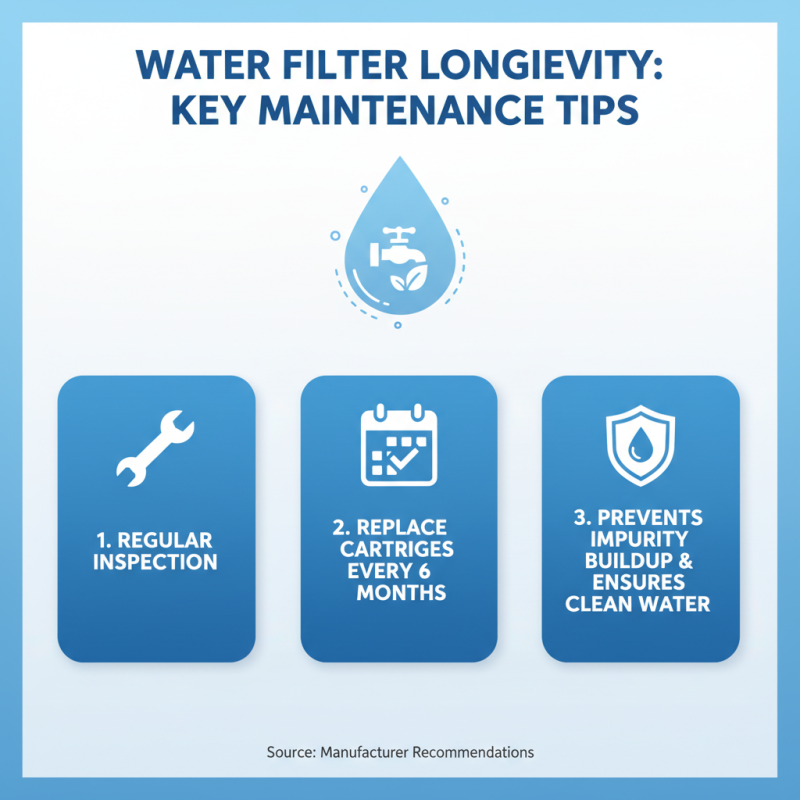
When it comes to maintaining clean drinking water, the longevity of your water filter is crucial. Proper upkeep not only ensures that your water remains free from contaminants but can also extend the life of the filter itself. Regularly inspecting and replacing filter cartridges is vital; most manufacturers recommend changing them every six months. By adhering to this schedule, you can prevent the buildup of impurities and ensure that the system continues to function effectively.

**Tips:** To enhance the performance of your water filter, consider rinsing the filter or cartridge before installation. This process can help clear any residual manufacturing materials. Additionally, keep your filter system in a cool, dry place away from direct sunlight, as excessive heat and light can degrade its components over time.

Another essential maintenance practice is to routinely clean the filter housing. Depending on the model, it may require a simple wipe-down or a more thorough cleaning regimen. Utilize mild, non-abrasive cleaners to avoid damaging the unit. Remember to flush the system after cleaning to ensure any cleaning residue is eliminated, guaranteeing that your drinking water remains pure and safe. Regular maintenance not only preserves your water filter but also enhances the overall quality of the water you consume.

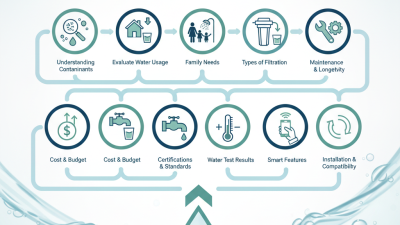
Cost Considerations and Budgeting for Water Filtration

When considering a water filtration system, budgeting is a crucial aspect that should not be overlooked. The initial purchase price of a tap water filter can vary widely based on the filtration technology and features it offers. For instance, basic models may start at a lower cost, while advanced systems with multiple filtration stages can be significantly more expensive. Therefore, it's essential to evaluate the filter's long-term operational costs, which include maintenance, replacement filters, and any necessary installation fees. By assessing both the upfront and ongoing expenses, consumers can make informed decisions that align with their financial situation.

In addition to the direct costs of purchasing a filter, it's also important to consider the potential savings on bottled water. Investing in a water filtration system can reduce the reliance on store-bought bottles, leading to substantial savings over time. Additionally, a routine expense budget for filter replacements is necessary, as even the best systems require maintenance to ensure optimal performance. By understanding these cost considerations and planning accordingly, individuals can enjoy clean drinking water without compromising their financial well-being while making environmentally friendly choices.

2025 Top Tap Water Filters: Cost Considerations