Contaminant Comparison Chart

For a complete list of contaminants that PUR filters reduce, please view our Performance Data Sheets here.


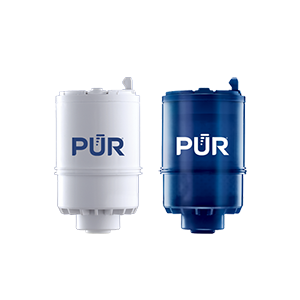
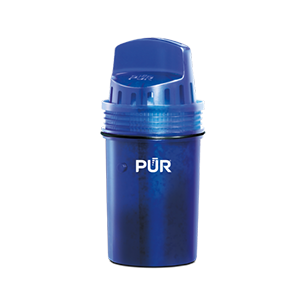
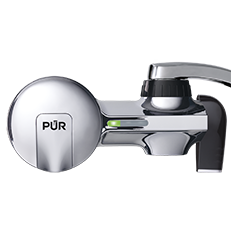
PUR & PUR PLUS FAUCET FILTERS
RF3375/RF9999

View Filters

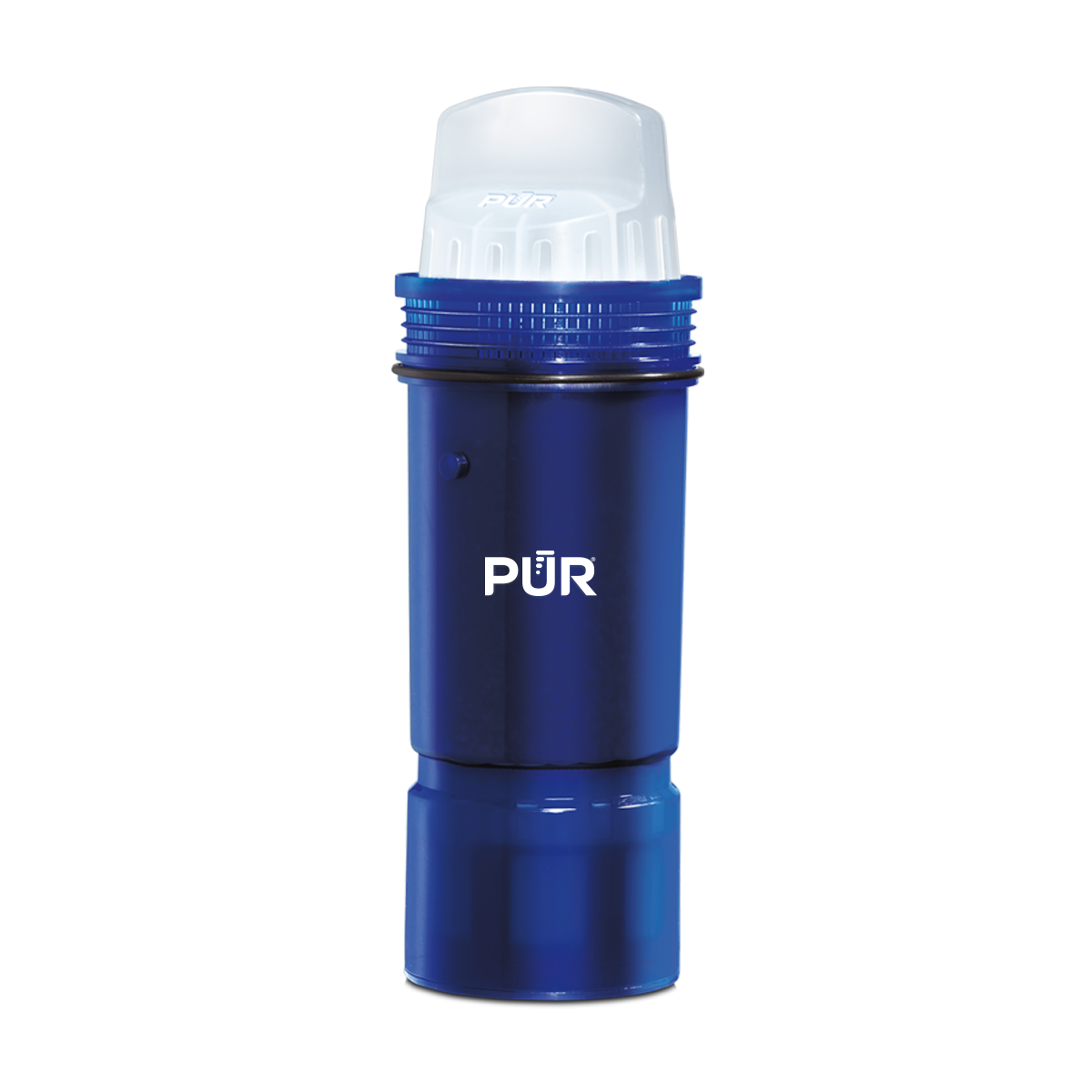
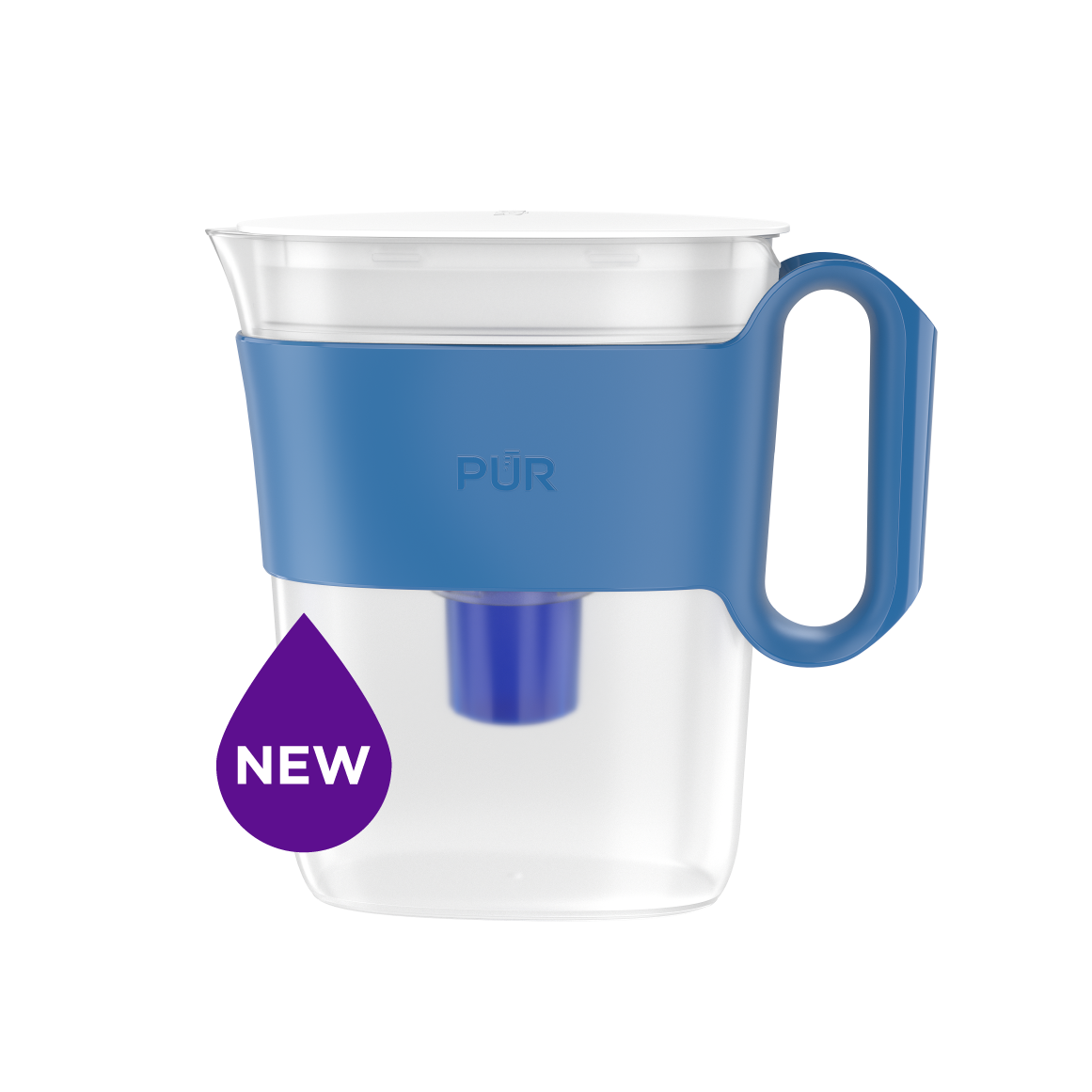
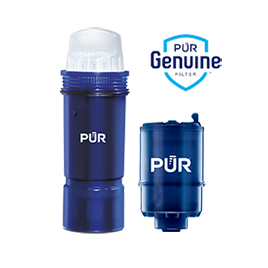
PUR PLUS PITCHER FILTERS
PPF951K

View Filter

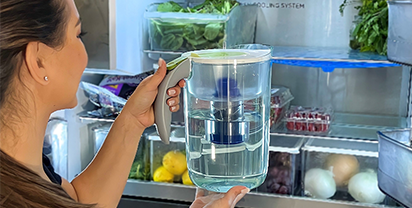
PUR BASIC PITCHER FILTERS
PPF900Z

View Filter


Vs. Brita*

Lead
Microplastics
Mercury
Chlorine Taste & Odor
DEET
TTHM

PUR’s Filtration Systems Are Certified By NSF And WQA For Their Contamination Reduction. WQA certifications as of 5/27/21 for Faucet filter models RF-3375 and RF-9999.

¹ Certified to reduce 10X more chemical and physical substances than Brita’s® leading pitcher filter.
² Certified to reduce 3X more chemical and physical substances than Brita’s® leading pitcher filter.
³ Certified to reduce 2X more chemical and physical substances than Brita’s® leading pitcher filter.
*Versus best-selling Brita® pitcher filter OB03. Brita® is a trademark of Brita LP.
**Like other leading brands, PUR does not filter microbes. As of 3/1/23 Brita® and ZeroWater® were not certified to filter microbes. Brita® is a trademark of Brita LP. ZeroWater® is a trademark of Zero Technologies, LLC..
 

PUR & PUR PLUS FAUCET FILTERS


PUR & PUR PLUS FAUCET FILTERS
RF3375/RF9999

View Filters


Vs. Brita*

Lead
Microplastics
Mercury
Chlorine Taste & Odor
DEET
TTHM

PUR’s Filtration Systems Are Certified By NSF And WQA For Their Contamination Reduction. WQA certifications as of 5/27/21 for Faucet filter models RF-3375 and RF-9999.

¹ Certified to reduce 10X more chemical and physical substances than Brita’s® leading pitcher filter.
² Certified to reduce 3X more chemical and physical substances than Brita’s® leading pitcher filter.
³ Certified to reduce 2X more chemical and physical substances than Brita’s® leading pitcher filter.
*Versus best-selling Brita® pitcher filter OB03. Brita® is a trademark of Brita LP.
**Like other leading brands, PUR does not filter microbes. As of 3/1/23 Brita® and ZeroWater® were not certified to filter microbes. Brita® is a trademark of Brita LP. ZeroWater® is a trademark of Zero Technologies, LLC..
 

PUR PLUS PITCHER FILTERS


PUR PLUS PITCHER FILTERS
PPF951K

View Filter


Vs. Brita*

Lead
Microplastics
Mercury
Chlorine Taste & Odor
DEET
TTHM

PUR’s Filtration Systems Are Certified By NSF And WQA For Their Contamination Reduction. WQA certifications as of 5/27/21 for Faucet filter models RF-3375 and RF-9999.

¹ Certified to reduce 10X more chemical and physical substances than Brita’s® leading pitcher filter.
² Certified to reduce 3X more chemical and physical substances than Brita’s® leading pitcher filter.
³ Certified to reduce 2X more chemical and physical substances than Brita’s® leading pitcher filter.
*Versus best-selling Brita® pitcher filter OB03. Brita® is a trademark of Brita LP.
**Like other leading brands, PUR does not filter microbes. As of 3/1/23 Brita® and ZeroWater® were not certified to filter microbes. Brita® is a trademark of Brita LP. ZeroWater® is a trademark of Zero Technologies, LLC..
 

PUR BASIC PITCHER FILTERS


PUR BASIC PITCHER FILTERS
PPF900Z

View Filter


Vs. Brita*

Lead
Microplastics
Mercury
Chlorine Taste & Odor
DEET
TTHM

PUR’s Filtration Systems Are Certified By NSF And WQA For Their Contamination Reduction. WQA certifications as of 5/27/21 for Faucet filter models RF-3375 and RF-9999.

¹ Certified to reduce 10X more chemical and physical substances than Brita’s® leading pitcher filter.
² Certified to reduce 3X more chemical and physical substances than Brita’s® leading pitcher filter.
³ Certified to reduce 2X more chemical and physical substances than Brita’s® leading pitcher filter.
*Versus best-selling Brita® pitcher filter OB03. Brita® is a trademark of Brita LP.
**Like other leading brands, PUR does not filter microbes. As of 3/1/23 Brita® and ZeroWater® were not certified to filter microbes. Brita® is a trademark of Brita LP. ZeroWater® is a trademark of Zero Technologies, LLC..
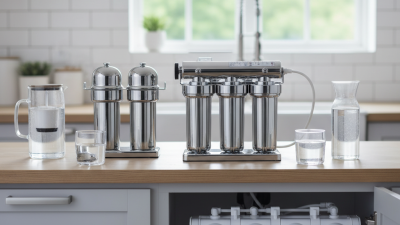
 

2025 Top Whole House Water Filtration Systems for Clean and Safe Water

In an age where access to clean and safe water is paramount, the importance of whole house water filtration systems cannot be overstated. According to the National Sanitation Foundation (NSF), over 85% of U.S. households are concerned about the quality of their water supply. This concern drives a growing industry that aims to provide comprehensive filtration solutions for homes, ensuring that every tap, shower, and appliance delivers safe drinking water.

Industry expert Dr. Emily Harrington, a leading researcher in water quality and filtration technologies, emphasizes the necessity of robust filtration systems. She states, “A whole house water filtration system is not just a luxury—it’s a vital investment in health and wellness for families, protecting them from contaminants that may be lurking in their water supply.” With various contaminants such as chlorine, heavy metals, and even microbial organisms posing potential health risks, the adoption of whole house filtration systems is becoming increasingly critical.

As we look ahead to 2025, the advancements in technology and growing consumer awareness are likely to reshape the market, leading to more effective and efficient whole house water filtration solutions. This evolving landscape points to a future where clean, safe water is not just an option, but a standard expectation in every home.

2025 Top Whole House Water Filtration Systems for Clean and Safe Water

Overview of Whole House Water Filtration Systems

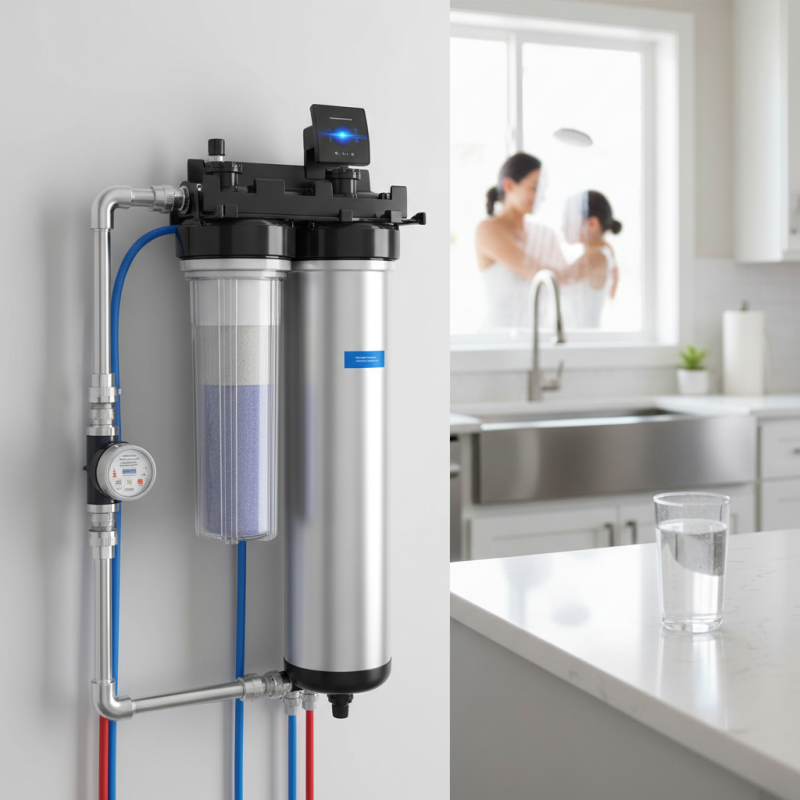
Whole house water filtration systems are essential for ensuring that every tap in your home delivers clean and safe water. These comprehensive systems are designed to filter contaminants from your water supply before it enters your plumbing, providing you with peace of mind and healthier water for drinking, cooking, and bathing. Typically, these systems employ various filtration methods, including sediment filters, activated carbon filters, and UV light disinfection, to remove impurities such as chlorine, heavy metals, bacteria, and other harmful substances.

When choosing a whole house water filtration system, it's important to consider the specific contaminants present in your water supply. A water test can help identify the pollutants that need to be filtered out. Furthermore, consider the system’s flow rate to ensure it meets your household's water demand, particularly during peak usage times.

Tips: Regular maintenance of your filtration system is crucial for optimal performance. Replace filters as recommended by the manufacturer, and periodically check for any signs of wear or inefficiency. Additionally, installing a system with a pre-filter can help prolong the life of your main filtration unit by trapping larger particles. Always consult with a water quality expert to tailor your filtration solution to your specific needs.

Key Features to Consider in Water Filtration Systems

When selecting a whole house water filtration system, several key features must be evaluated to ensure that the water you and your family consume is clean and safe. One of the most critical aspects is the type of filtration technology employed. Common methods include activated carbon filtration, reverse osmosis, and UV purification, each varying in effectiveness against different contaminants. According to a report by the National Sanitation Foundation (NSF), systems that utilize multiple filtration technologies tend to provide comprehensive protection against a wider range of pollutants, including chlorine, lead, and microorganisms.

Another essential consideration is the system's capacity and flow rate. Households with higher water consumption may require more robust systems to maintain adequate water pressure throughout the home. The Water Quality Association (WQA) suggests that a filtration system should be capable of processing at least 7-15 gallons of water per minute for a typical family setup, ensuring that daily activities can be conducted without disruption. Additionally, assessing the system's contaminant removal certifications can provide peace of mind; certifications from reputable organizations indicate that the system has been rigorously tested to meet specific performance standards, which can significantly influence the quality of your drinking water.

2025 Top Whole House Water Filtration Systems for Clean and Safe Water - Key Features to Consider in Water Filtration Systems

System Name Filtration Type Filter Lifespan Flow Rate (GPM) Contaminants Reduced Certifications
Model A Activated Carbon 6 months 10 GPM Chlorine, Sediment NSF Certified
Model B Reverse Osmosis 2 years 15 GPM Lead, Fluoride, Nitrates WQA Certified
Model C UV Purification 1 year 20 GPM Bacteria, Viruses NSF Certified
Model D Multi-Stage Filtration 1.5 years 12 GPM Chloramines, Pesticides EPA Approved
Model E Whole House Filtration 5 years 25 GPM Sediment, Organic Chemicals NSF/ANSI 61

Top Brands and Models of Water Filtration Systems for 2025

2025 Top Whole House Water Filtration Systems for Clean and Safe Water

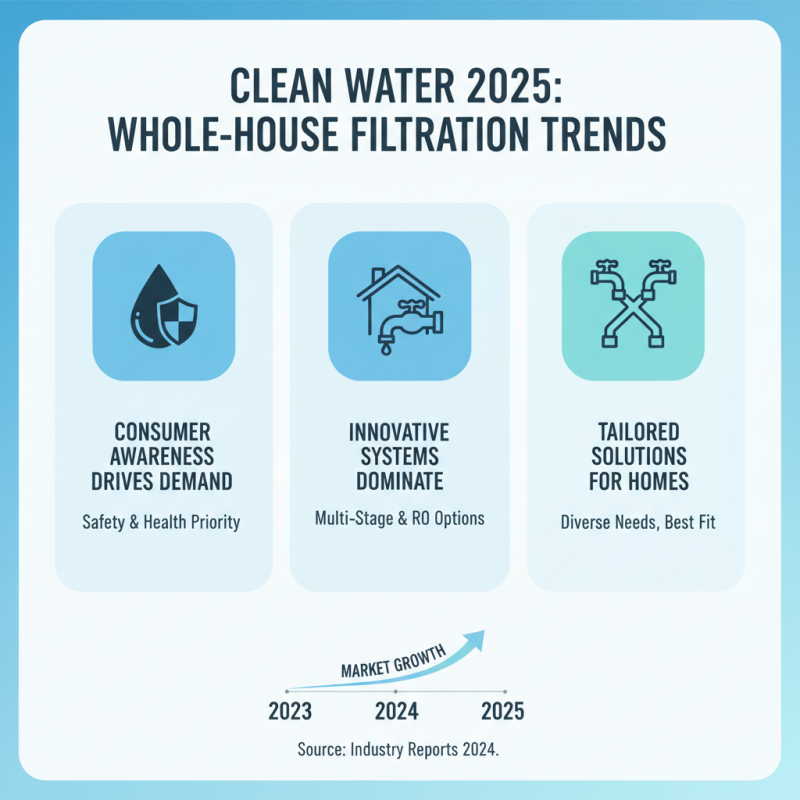
As consumers grow increasingly aware of the importance of clean, safe drinking water, the demand for effective whole house water filtration systems continues to rise. In 2025, various innovative brands are expected to dominate the market, providing a range of models tailored to meet diverse household needs. From multi-stage filtration processes that remove impurities such as chlorine, sediments, and heavy metals, to advanced reverse osmosis systems designed for optimal water quality, the options available empower homeowners to choose what suits them best.

Key factors to consider when selecting a water filtration system include filtration efficiency, ease of installation, and maintenance requirements. Many top models are designed with user-friendly features, ensuring that regular filter replacements and system checks can be conducted without hassle. Additionally, new advancements in filtration technology promise to enhance the sustainability of these systems, minimizing environmental impact while providing safe drinking water. As consumers explore their options, focusing on performance, durability, and adaptability will be crucial for ensuring that the chosen system effectively meets their household's water needs for years to come.

Installation Process and Maintenance Tips for Filtration Systems

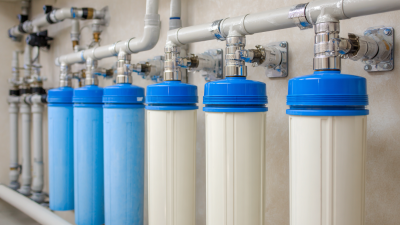
When it comes to installing a whole house water filtration system, the process can be straightforward if you follow a few critical steps. First, ensure you have all necessary tools and materials, including wrenches, pipe cutters, and the filtration units themselves. Begin by locating the main water line; this is where the filtration system will be installed. Carefully shut off the water supply and drain the pipes to prevent any leaks or spills during installation. Next, cut into the main line and install the filtration units according to the manufacturer’s instructions, ensuring all fittings are secure to avoid water loss.

Once the filtration system is installed, regular maintenance is crucial for optimal performance and longevity. It’s essential to monitor the filters, as they should be replaced according to the recommended schedule, typically every 6 to 12 months, depending on usage and water quality. Regularly check for signs of wear, leaks, or clogs in the system. Additionally, flushing the system occasionally can help eliminate any sediment buildup. By maintaining the system and addressing issues promptly, homeowners can ensure their water remains clean and safe for all uses.

Cost Analysis: Budgeting for Whole House Water Filtration Solutions

2025 Top Whole House Water Filtration Systems for Clean and Safe Water

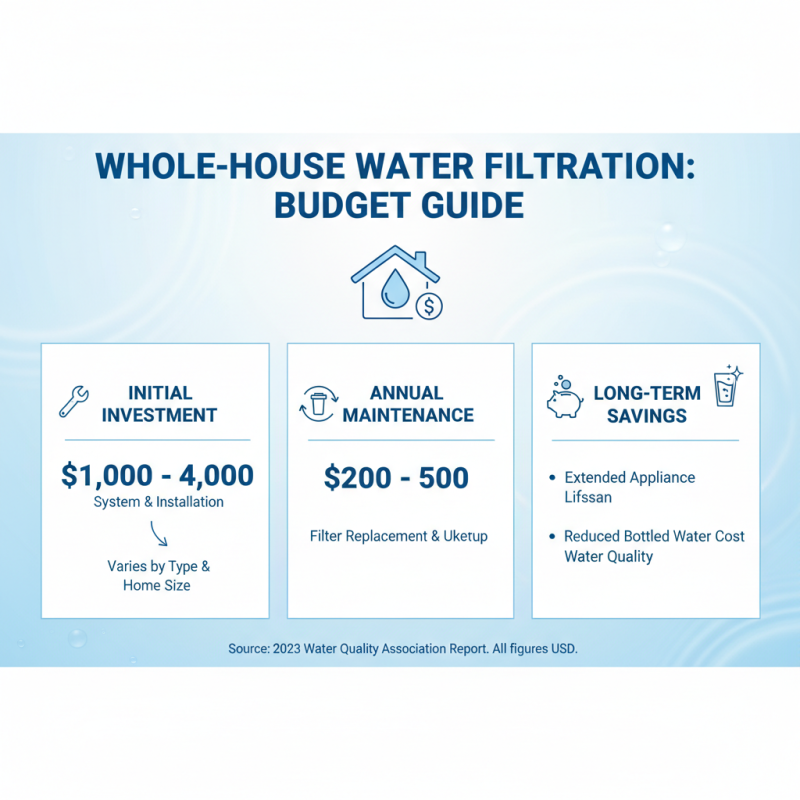
When considering a whole house water filtration system, budgeting plays a crucial role in the decision-making process. According to a 2023 industry report by the Water Quality Association, the average cost for a complete whole house water filtration system ranges from $1,000 to $4,000, depending on the type and complexity of the system. This range typically includes installation costs, which can vary based on the size of the home and existing plumbing configurations. Homeowners should ideally set aside an initial budget that encompasses not only the system purchase but also potential maintenance and filter replacement costs over time, which can add another $200 to $500 annually.

In analyzing these costs, it is essential to consider the long-term benefits of such systems. A comprehensive water quality assessment can reveal contaminants that may affect both health and home infrastructure. Research indicates that investing in whole house systems can prevent potential damage from hard water and chemical pollutants, ultimately saving homeowners significant money in repairs and health-related expenses. The initial investment is overshadowed by the value of clean, safe water, enhancing the quality of life and possibly increasing property values. With rising concerns over water quality, more households are viewing these systems not merely as a luxury but as a necessity, contributing to a robust market expected to grow by over 10% annually until 2025.