Contaminant Comparison Chart

For a complete list of contaminants that PUR filters reduce, please view our Performance Data Sheets here.


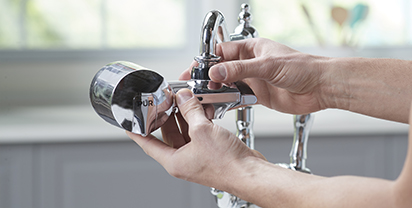
PUR & PUR PLUS FAUCET FILTERS
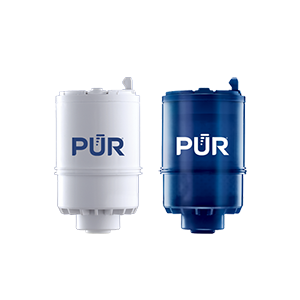
RF3375/RF9999

View Filters

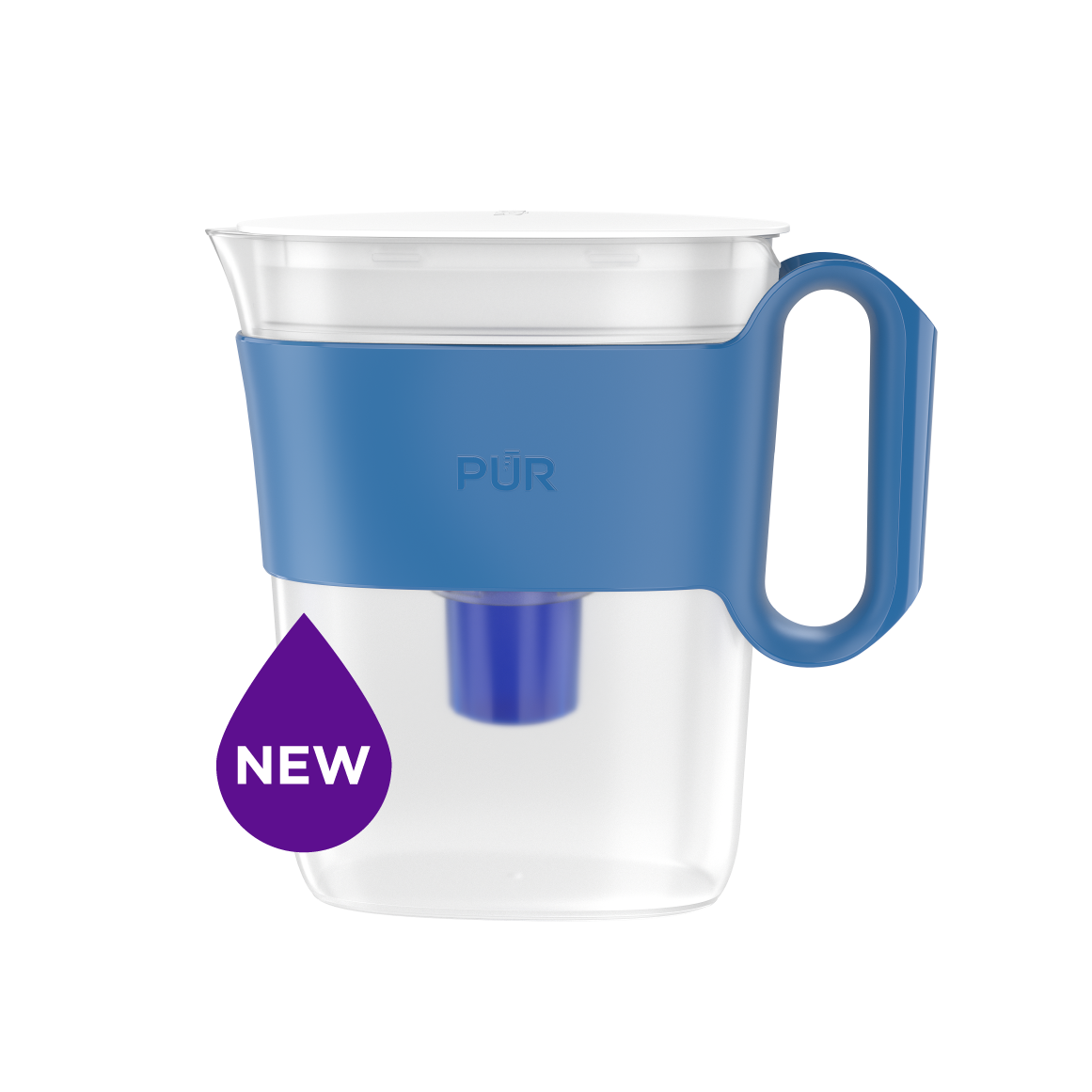
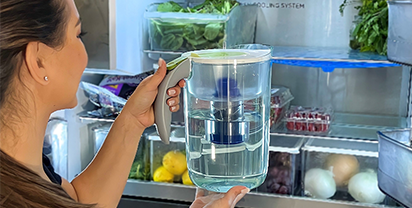
PUR PLUS PITCHER FILTERS
PPF951K

View Filter

PUR BASIC PITCHER FILTERS
PPF900Z

View Filter


Vs. Brita*

Lead
Microplastics
Mercury
Chlorine Taste & Odor
DEET
TTHM

PUR’s Filtration Systems Are Certified By NSF And WQA For Their Contamination Reduction. WQA certifications as of 5/27/21 for Faucet filter models RF-3375 and RF-9999.

¹ Certified to reduce 10X more chemical and physical substances than Brita’s® leading pitcher filter.
² Certified to reduce 3X more chemical and physical substances than Brita’s® leading pitcher filter.
³ Certified to reduce 2X more chemical and physical substances than Brita’s® leading pitcher filter.
*Versus best-selling Brita® pitcher filter OB03. Brita® is a trademark of Brita LP.
**Like other leading brands, PUR does not filter microbes. As of 3/1/23 Brita® and ZeroWater® were not certified to filter microbes. Brita® is a trademark of Brita LP. ZeroWater® is a trademark of Zero Technologies, LLC..
 

PUR & PUR PLUS FAUCET FILTERS


PUR & PUR PLUS FAUCET FILTERS
RF3375/RF9999

View Filters


Vs. Brita*

Lead
Microplastics
Mercury
Chlorine Taste & Odor
DEET
TTHM

PUR’s Filtration Systems Are Certified By NSF And WQA For Their Contamination Reduction. WQA certifications as of 5/27/21 for Faucet filter models RF-3375 and RF-9999.

¹ Certified to reduce 10X more chemical and physical substances than Brita’s® leading pitcher filter.
² Certified to reduce 3X more chemical and physical substances than Brita’s® leading pitcher filter.
³ Certified to reduce 2X more chemical and physical substances than Brita’s® leading pitcher filter.
*Versus best-selling Brita® pitcher filter OB03. Brita® is a trademark of Brita LP.
**Like other leading brands, PUR does not filter microbes. As of 3/1/23 Brita® and ZeroWater® were not certified to filter microbes. Brita® is a trademark of Brita LP. ZeroWater® is a trademark of Zero Technologies, LLC..
 

PUR PLUS PITCHER FILTERS


PUR PLUS PITCHER FILTERS
PPF951K

View Filter


Vs. Brita*

Lead
Microplastics
Mercury
Chlorine Taste & Odor
DEET
TTHM

PUR’s Filtration Systems Are Certified By NSF And WQA For Their Contamination Reduction. WQA certifications as of 5/27/21 for Faucet filter models RF-3375 and RF-9999.

¹ Certified to reduce 10X more chemical and physical substances than Brita’s® leading pitcher filter.
² Certified to reduce 3X more chemical and physical substances than Brita’s® leading pitcher filter.
³ Certified to reduce 2X more chemical and physical substances than Brita’s® leading pitcher filter.
*Versus best-selling Brita® pitcher filter OB03. Brita® is a trademark of Brita LP.
**Like other leading brands, PUR does not filter microbes. As of 3/1/23 Brita® and ZeroWater® were not certified to filter microbes. Brita® is a trademark of Brita LP. ZeroWater® is a trademark of Zero Technologies, LLC..
 

PUR BASIC PITCHER FILTERS


PUR BASIC PITCHER FILTERS
PPF900Z

View Filter


Vs. Brita*

Lead
Microplastics
Mercury
Chlorine Taste & Odor
DEET
TTHM

PUR’s Filtration Systems Are Certified By NSF And WQA For Their Contamination Reduction. WQA certifications as of 5/27/21 for Faucet filter models RF-3375 and RF-9999.

¹ Certified to reduce 10X more chemical and physical substances than Brita’s® leading pitcher filter.
² Certified to reduce 3X more chemical and physical substances than Brita’s® leading pitcher filter.
³ Certified to reduce 2X more chemical and physical substances than Brita’s® leading pitcher filter.
*Versus best-selling Brita® pitcher filter OB03. Brita® is a trademark of Brita LP.
**Like other leading brands, PUR does not filter microbes. As of 3/1/23 Brita® and ZeroWater® were not certified to filter microbes. Brita® is a trademark of Brita LP. ZeroWater® is a trademark of Zero Technologies, LLC..
 

2026 Best Home Filtration System for Clean Water Solutions?

Clean water is essential for health and well-being. In 2026, home filtration systems have become vital for ensuring safe drinking water. According to Dr. Lisa Hartman, a water quality expert, "A reliable home filtration system can transform ordinary tap water into a source of health." Her insights highlight the significance of these systems in our daily lives.

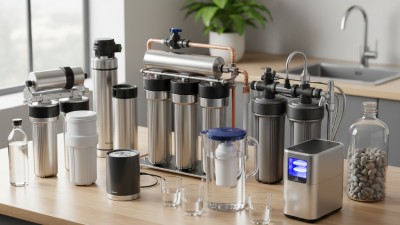
Home filtration systems have evolved to meet growing concerns about water safety. Many households now face challenges from contaminants and pollutants. Effective systems not only enhance water quality but also provide peace of mind. Each system has unique features designed to tackle specific issues. This makes selecting the right one crucial for your needs.

However, navigating the options can be overwhelming. Not all filtration systems guarantee the same level of effectiveness. Some may fall short of expectations, leading to doubts. It’s important to evaluate different systems carefully. A thorough understanding can help you choose wisely. Investing in a home filtration system could be the key to better water.

2026 Best Home Filtration System for Clean Water Solutions?

The Importance of Home Water Filtration Systems in 2026

In 2026, the importance of home water filtration systems cannot be overstated. With rising pollution levels and depletion of natural water resources, homeowners are increasingly aware of the need for clean water solutions. Contaminants from urban runoff and household materials can seep into drinking water, posing health risks. The presence of heavy metals, bacteria, and chemicals can compromise water quality.

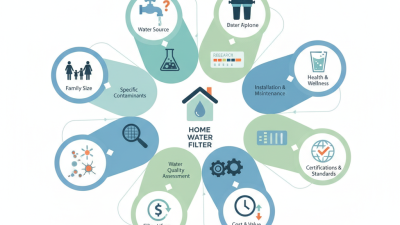
Choosing the right home filtration system is essential. A reliable system should target specific contaminants based on local water quality reports. Many households may overlook the significance of regular maintenance, leading to ineffective filtration. Homeowners must remain vigilant. It’s important to test water regularly to ensure the filtration system is working effectively.

Another critical aspect is understanding the impact on the environment. While home filtration systems help provide clean drinking water, choosing sustainable options matters. Filters with reduced plastic waste can lessen environmental stress. The conversation surrounding water safety is evolving. Homeowners must stay informed and proactive about their filtration needs for the sake of health and sustainability.

Types of Home Filtration Systems: Reverse Osmosis vs. Activated Carbon

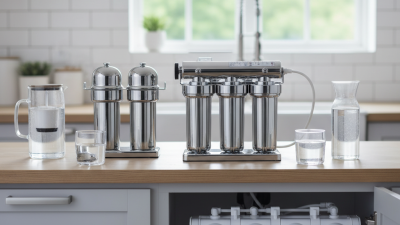
When considering home filtration systems, two popular options are reverse osmosis and activated carbon. These systems each have unique features that can cater to different needs. Reverse osmosis uses a semipermeable membrane to remove contaminants. This process effectively eliminates various impurities, such as heavy metals and microorganisms. However, the system can waste water in the purification process. Careful evaluation of water waste is necessary.

Activated carbon filters, on the other hand, adsorb contaminants using a carbon medium. They are excellent for improving water taste and reducing chlorine levels. These filters are often more affordable and easy to maintain. Yet, they may not eliminate all harmful substances, particularly heavy metals. The filtration capacity can also diminish over time, requiring regular replacement for optimal performance.

Choosing the right system depends on personal water quality needs. Homeowners should test their water to understand its specific contaminants. Understanding the pros and cons of each filtration type is crucial. Ultimately, effective water filtration solutions contribute to better health and well-being, but the right choice varies from one household to another.

Key Contaminants Removed by Home Filtration Systems in 2026

Home filtration systems have become essential for ensuring safe drinking water. In 2026, these systems effectively remove several harmful contaminants. For instance, many systems filter out lead, a toxic metal that can leach from plumbing. Reducing lead levels is crucial for maintaining health, especially for children.

Another significant concern is chlorine. While it disinfects water, chlorine can produce harmful byproducts. Filtration systems help eliminate these compounds, making water safer to consume. Many modern systems also target pesticides and herbicides, which find their way into water sources. These chemicals can disrupt bodily functions and pose long-term health risks.

However, not all filtration systems are equal. It's important to assess their capabilities and limitations. Some systems might not remove particular contaminants effectively. Users should conduct regular checks and maintain their systems for optimal performance. Finding a reliable home filtration solution requires research and ongoing evaluation.

Evaluating the Cost-Effectiveness of Home Filtration Solutions

Home filtration systems are increasingly popular for ensuring clean drinking water. Evaluating their cost-effectiveness is essential for homeowners. The initial investment can be high for some systems, yet they often save money in the long run. Purchasing bottled water adds up quickly. A well-chosen filtration system can deliver fresh water without recurring costs.

For effective filtration, choose the right type. Reverse osmosis units are powerful but may waste some water. Activated carbon filters remove contaminants and improve taste. Test your water first to understand specific needs. This is a vital step often overlooked.

Keep an eye on maintenance costs. Filter replacement can add up, affecting long-term savings. Regular cleaning of units ensures efficiency. Neglect can lead to poor performance. Assessing your water's quality regularly can help in decision-making. Researching user reviews can provide insights into real-world performance and longevity.

Industry Trends: Technological Innovations in Water Filtration for Homes

The demand for clean water solutions is driving significant advancements in home water filtration systems. According to a recent report by the Water Quality Association, nearly 75% of U.S. households are concerned about contaminants in their drinking water. This concern has sparked a wave of technological innovations aimed at improving water purity and accessibility.

One notable trend is the integration of smart technology into filtration systems. Enhanced monitoring capabilities allow users to track water quality in real-time. Data from the National Sanitation Foundation indicates that smart systems can reduce common contaminants by up to 99%. Remote management through mobile apps provides convenience and peace of mind for homeowners, yet it also raises questions about data privacy and security.

Another innovation is the development of modular filtration systems. These systems offer scalability and customization for individual needs. Reports suggest that more homeowners prefer systems that allow easy component upgrades. Despite these improvements, some consumers express frustration with installation complexity. As technology advances, manufacturers must focus not only on efficiency but also on user experience. Balancing innovation with accessibility remains a challenge in the industry.