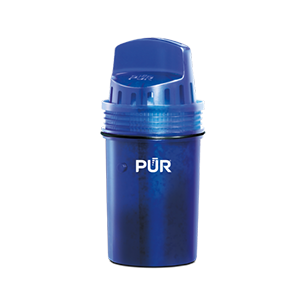
Contaminant Comparison Chart

For a complete list of contaminants that PUR filters reduce, please view our Performance Data Sheets here.


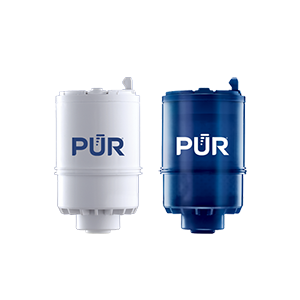
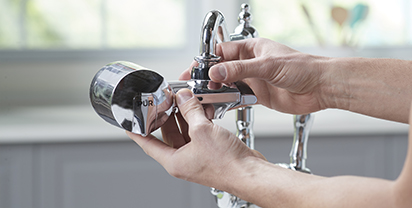
PUR & PUR PLUS FAUCET FILTERS
RF3375/RF9999

View Filters

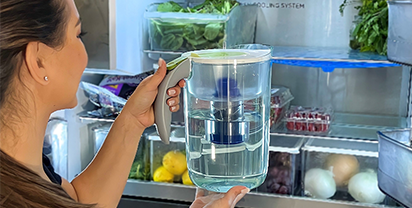
PUR PLUS PITCHER FILTERS
PPF951K

View Filter

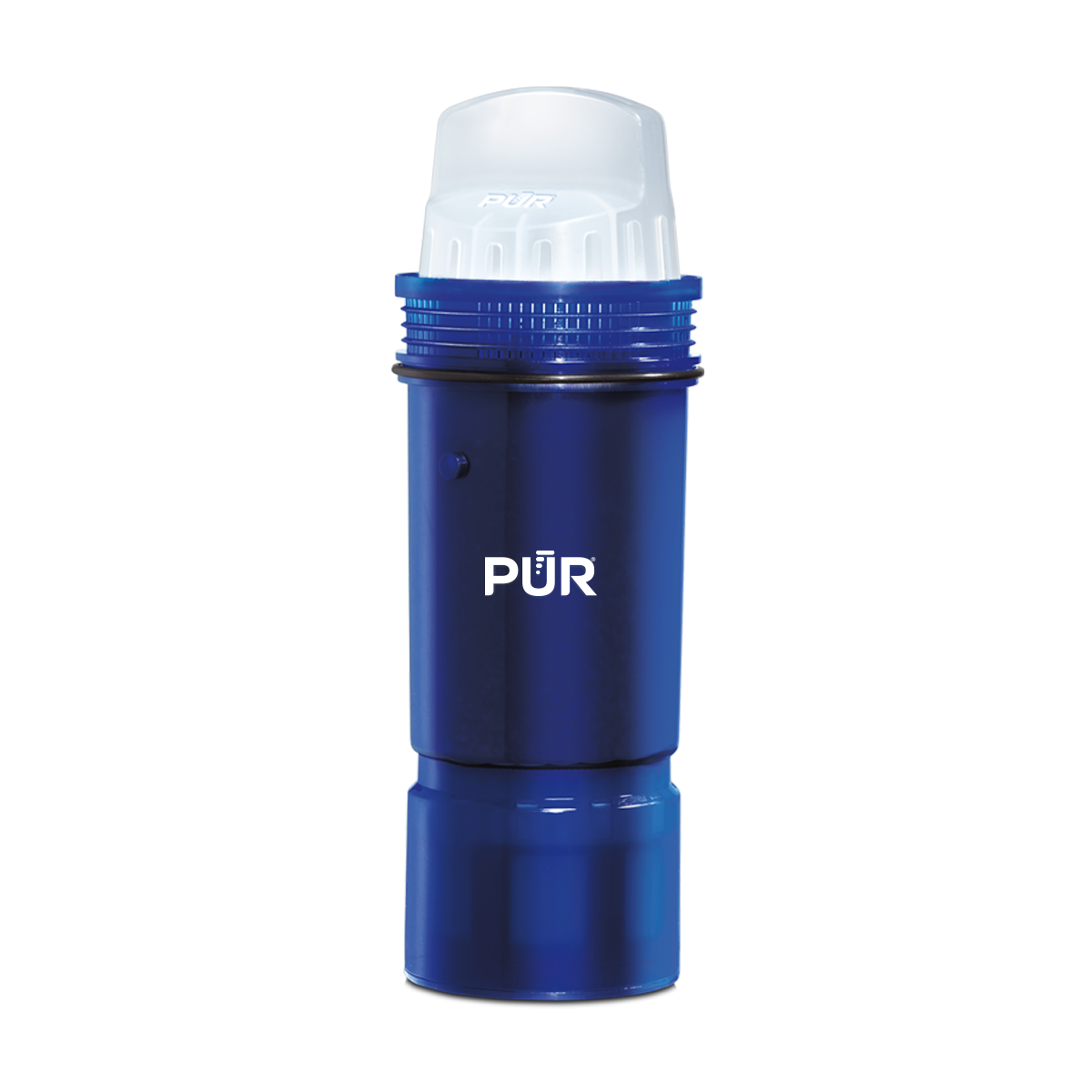
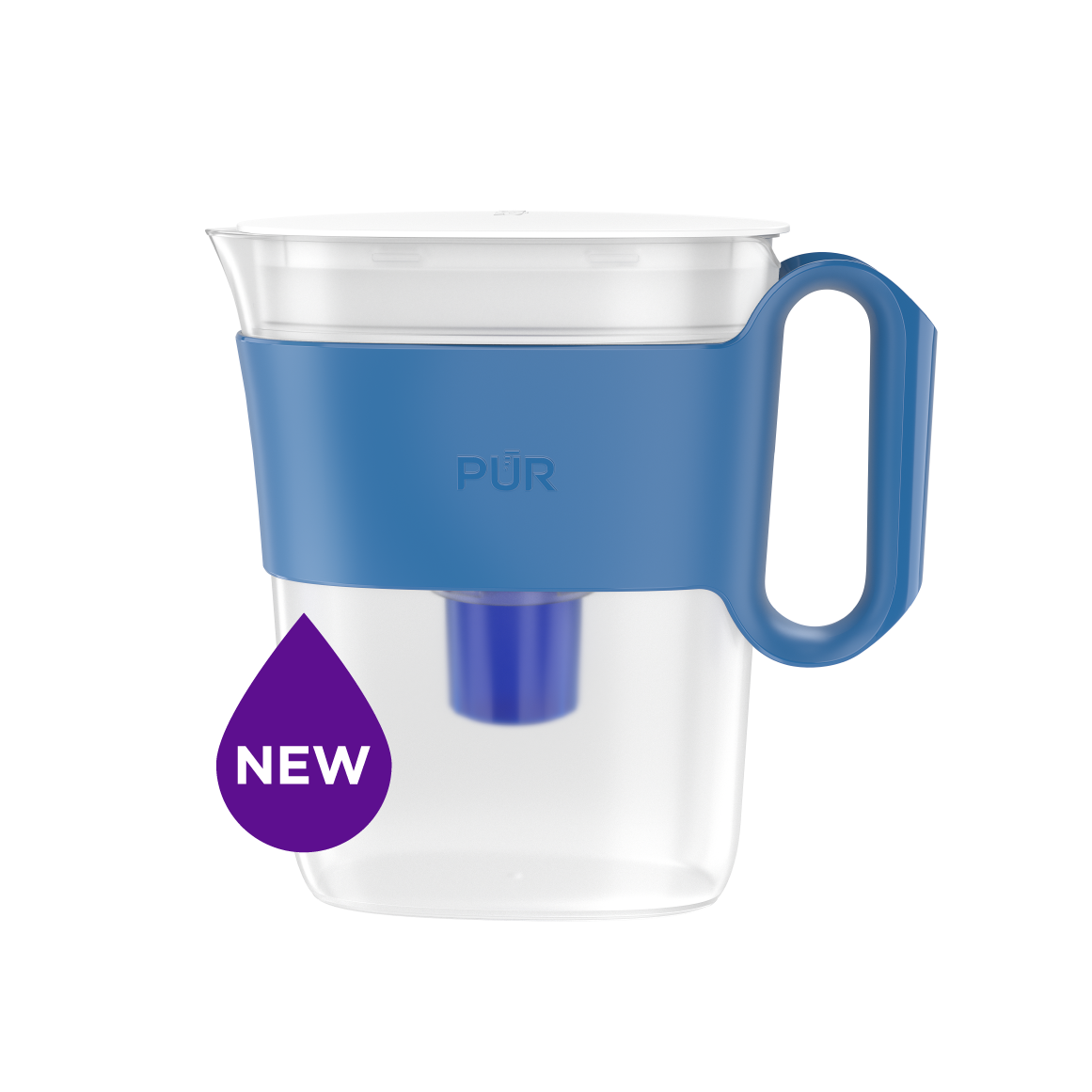
PUR BASIC PITCHER FILTERS
PPF900Z

View Filter


Vs. Brita*

Lead
Microplastics
Mercury
Chlorine Taste & Odor
DEET
TTHM

PUR’s Filtration Systems Are Certified By NSF And WQA For Their Contamination Reduction. WQA certifications as of 5/27/21 for Faucet filter models RF-3375 and RF-9999.

¹ Certified to reduce 10X more chemical and physical substances than Brita’s® leading pitcher filter.
² Certified to reduce 3X more chemical and physical substances than Brita’s® leading pitcher filter.
³ Certified to reduce 2X more chemical and physical substances than Brita’s® leading pitcher filter.
*Versus best-selling Brita® pitcher filter OB03. Brita® is a trademark of Brita LP.
**Like other leading brands, PUR does not filter microbes. As of 3/1/23 Brita® and ZeroWater® were not certified to filter microbes. Brita® is a trademark of Brita LP. ZeroWater® is a trademark of Zero Technologies, LLC..

 

PUR & PUR PLUS FAUCET FILTERS


PUR & PUR PLUS FAUCET FILTERS
RF3375/RF9999

View Filters


Vs. Brita*

Lead
Microplastics
Mercury
Chlorine Taste & Odor
DEET
TTHM

PUR’s Filtration Systems Are Certified By NSF And WQA For Their Contamination Reduction. WQA certifications as of 5/27/21 for Faucet filter models RF-3375 and RF-9999.

¹ Certified to reduce 10X more chemical and physical substances than Brita’s® leading pitcher filter.
² Certified to reduce 3X more chemical and physical substances than Brita’s® leading pitcher filter.
³ Certified to reduce 2X more chemical and physical substances than Brita’s® leading pitcher filter.
*Versus best-selling Brita® pitcher filter OB03. Brita® is a trademark of Brita LP.
**Like other leading brands, PUR does not filter microbes. As of 3/1/23 Brita® and ZeroWater® were not certified to filter microbes. Brita® is a trademark of Brita LP. ZeroWater® is a trademark of Zero Technologies, LLC..

 

PUR PLUS PITCHER FILTERS


PUR PLUS PITCHER FILTERS
PPF951K

View Filter


Vs. Brita*

Lead
Microplastics
Mercury
Chlorine Taste & Odor
DEET
TTHM

PUR’s Filtration Systems Are Certified By NSF And WQA For Their Contamination Reduction. WQA certifications as of 5/27/21 for Faucet filter models RF-3375 and RF-9999.

¹ Certified to reduce 10X more chemical and physical substances than Brita’s® leading pitcher filter.
² Certified to reduce 3X more chemical and physical substances than Brita’s® leading pitcher filter.
³ Certified to reduce 2X more chemical and physical substances than Brita’s® leading pitcher filter.
*Versus best-selling Brita® pitcher filter OB03. Brita® is a trademark of Brita LP.
**Like other leading brands, PUR does not filter microbes. As of 3/1/23 Brita® and ZeroWater® were not certified to filter microbes. Brita® is a trademark of Brita LP. ZeroWater® is a trademark of Zero Technologies, LLC..
 

PUR BASIC PITCHER FILTERS


PUR BASIC PITCHER FILTERS
PPF900Z

View Filter


Vs. Brita*

Lead
Microplastics
Mercury
Chlorine Taste & Odor
DEET
TTHM

PUR’s Filtration Systems Are Certified By NSF And WQA For Their Contamination Reduction. WQA certifications as of 5/27/21 for Faucet filter models RF-3375 and RF-9999.

¹ Certified to reduce 10X more chemical and physical substances than Brita’s® leading pitcher filter.
² Certified to reduce 3X more chemical and physical substances than Brita’s® leading pitcher filter.
³ Certified to reduce 2X more chemical and physical substances than Brita’s® leading pitcher filter.
*Versus best-selling Brita® pitcher filter OB03. Brita® is a trademark of Brita LP.
**Like other leading brands, PUR does not filter microbes. As of 3/1/23 Brita® and ZeroWater® were not certified to filter microbes. Brita® is a trademark of Brita LP. ZeroWater® is a trademark of Zero Technologies, LLC..
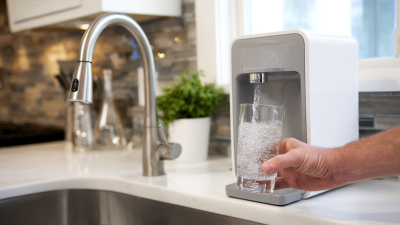
 

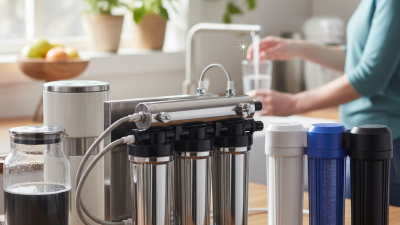
2026 Best Water Filtration System Which One Should You Choose

In our quest for clean water, selecting the right water filtration system becomes crucial. “The best system is one that fits your needs,” says Dr. Emily Trent, a leading expert in water purification technology. With a myriad of options available, how do you choose wisely?

Many people overlook the importance of understanding their water source. Municipal water may contain chlorine and lead, while well water can harbor bacteria. A comprehensive water test can reveal hidden problems. The right filtration system will address these specific contaminants effectively.

Moreover, some filters can be pricey. Investing in a top-tier system might seem daunting. However, considering long-term health benefits makes it worthwhile. Reflecting on what we consume daily can lead to better choices in our overall well-being. Making informed decisions about your water filtration system is essential.

2026 Best Water Filtration System Which One Should You Choose

Factors to Consider When Choosing a Water Filtration System

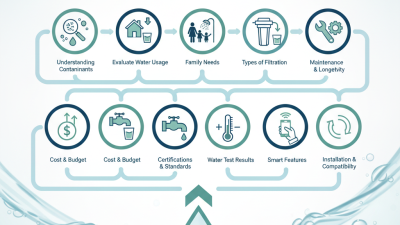
When choosing a water filtration system, several key factors matter greatly. The water source is crucial. Is it municipal, well, or river? Each source has different contaminants. Knowing your water quality is part of the decision-making process. Testing your water for impurities can reveal what filtration you need.

The type of filtration system is another consideration. Some systems use activated carbon, while others rely on reverse osmosis. Each method has its pros and cons. Cost is also an important factor. Some systems are affordable upfront, but replacement filters can be pricey. Think about long-term maintenance costs when deciding.

Space can be a limitation as well. Some systems require significant under-sink space. Others are compact and easy to install. You might even need to balance convenience with performance. Not all systems suit every household, and that’s okay. A little trial and error in selection could lead to a better fit. Keep in mind that the best choice isn’t always clear-cut.

Overview of Different Types of Water Filtration Systems Available

2026 Best Water Filtration System Which One Should You Choose

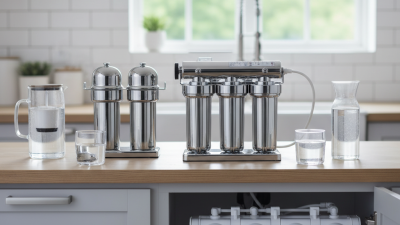
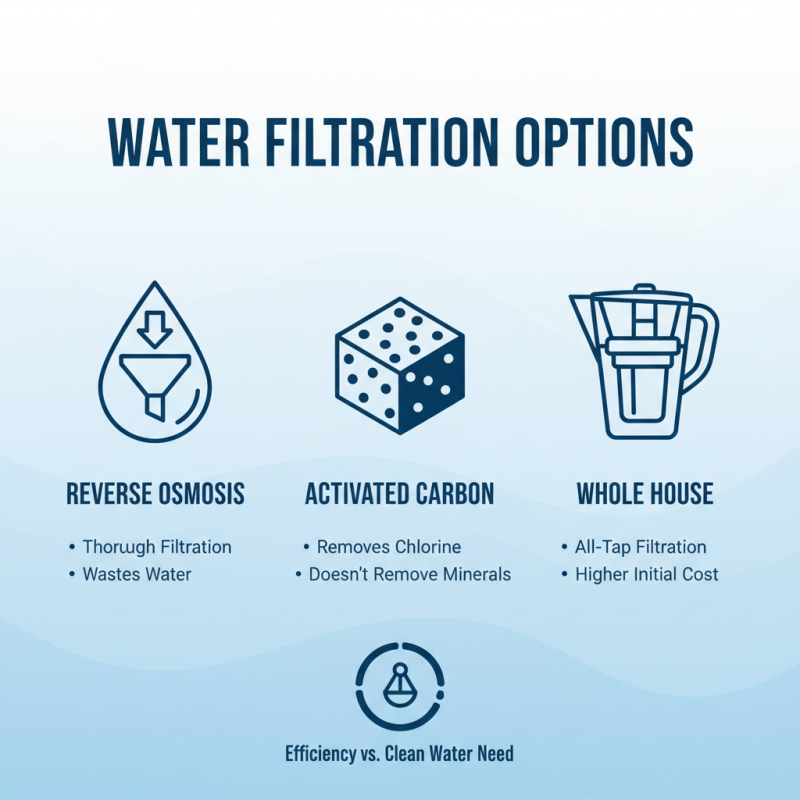
When it comes to choosing a water filtration system, options abound. Each type has distinct advantages and disadvantages. Reverse osmosis systems are popular for their thorough filtration. They remove contaminants effectively, but they can waste a lot of water in the process. It's essential to weigh the efficiency against the need for clean water.

Activated carbon filters are another choice. They are excellent at improving taste and odor. However, they may not filter out all harmful substances. Regular maintenance is crucial, as a clogged filter loses its effectiveness. Some users find themselves replacing filters more often than anticipated.

Ultraviolet (UV) filtration offers a different approach. It kills bacteria and viruses, ensuring safe drinking water. Yet, it does not remove chemical contaminants. Many people overlook this limitation. Each system has its pros and cons. The right choice often depends on personal priorities and local water quality. Make sure to evaluate your specific needs before selecting a filtration system.

Comparison of Leading Water Filtration Brands for 2026

As we approach 2026, choosing the best water filtration system becomes crucial for many households. Recent industry reports highlight that over 70% of consumers prioritize clean water for health reasons. Yet, many still lack knowledge about what to look for in a filtration brand. This is where a comparison of leading brands can help.

One major distinction among brands lies in their filtration methods. Some rely on activated carbon, while others use reverse osmosis. A study conducted by the Water Quality Association revealed that reverse osmosis systems can remove up to 99% of contaminants. However, they may waste water in the process. On the other hand, activated carbon systems excel in taste improvement but may not filter out certain heavy metals.

Price points also vary significantly. For example, entry-level models can be as low as $50, while high-end systems can exceed $500. Consumers often grapple with balancing budget and quality. Reports indicate that many users regret their choices, stating they underestimated long-term costs and maintenance needs. It’s essential to reflect on these factors before making a purchase. Knowing what features matter most to you can lead to more informed decisions in 2026.

2026 Best Water Filtration System Comparison

Benefits and Drawbacks of Each Water Filtration System Type

When choosing a water filtration system, it's essential to weigh the benefits and drawbacks of each type. Reverse osmosis systems are known for removing a wide range of contaminants. They can provide clean, pure water, ideal for drinking and cooking. However, they can waste a significant amount of water during the filtration process. Many users find that this aspect is a major inconvenience.

Activated carbon filters are popular for their simplicity and effectiveness in improving taste and odor. They are relatively inexpensive and easy to install. Yet, these systems may not remove all contaminants effectively. Some users feel that relying solely on this type can lead to potential issues. Ceramic filters, on the other hand, are often praised for their longevity and robust performance. However, they can be fragile and require careful handling. Users may also find that cleaning these filters can be a tedious task.

Each system has its pros and cons. It's important to consider your specific needs. Some filters might need frequent maintenance. Others could be overly complicated for daily use. Find what works best for your lifestyle and water quality. Only then can you make an informed choice.

2026 Best Water Filtration System: Benefits and Drawbacks of Each Water Filtration System Type

Filtration System Type Benefits Drawbacks Cost Range
Activated Carbon Filter Effective at removing chlorine, volatile organic compounds (VOCs), and unpleasant tastes. Does not remove heavy metals or microbiological contaminants. $50 - $300
Reverse Osmosis System Removes a wide range of contaminants, including heavy metals and bacteria. Waste water is produced, and remineralization may be required. $150 - $600
Ultraviolet (UV) Filter Effective at killing bacteria and viruses without chemicals. Does not remove chemical contaminants or sediments. $100 - $600
Whole House Filter Provides filtered water for the entire home, protecting plumbing and appliances. Installation may be expensive and requires maintenance. $500 - $2,500
Ceramic Filter Removes bacteria and sediments effectively using small pore sizes. Slow filtration rate and can be fragile. $30 - $150

Maintenance Tips for Optimal Performance of Water Filtration Systems

Proper maintenance is essential for maximizing the performance of water filtration systems. According to the Environmental Protection Agency, systems that are regularly maintained provide up to 30% better filtration efficiency. If filters are not replaced on schedule, contaminants accumulate, reducing effectiveness. A common mistake is neglecting regular maintenance. This can lead to unexpected filter failure and compromised water quality.

Understanding your water source is also crucial. Different sources contain varying levels of impurities. Regular water testing can help identify specific needs. The CDC recommends testing your water at least once a year. This minor step can save you from significant health risks and costly repairs. Moreover, cleaning the system can prevent scaling and build-up. Scale can reduce flow rates and affect overall filtration quality.

Remember, every system has its quirks. Some may require more frequent attention than others. User manuals are often overlooked but contain vital information. Misunderstanding simple guidelines can lead to inefficient operation. Engaging with user forums can provide additional insight into maintenance best practices. Learning from others can help you avoid common pitfalls and keep your water filtration system running smoothly.