
Contaminant Comparison Chart

For a complete list of contaminants that PUR filters reduce, please view our Performance Data Sheets here.


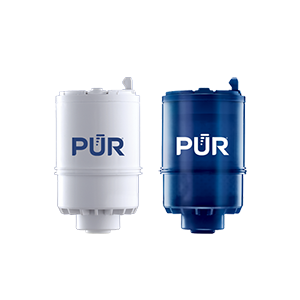
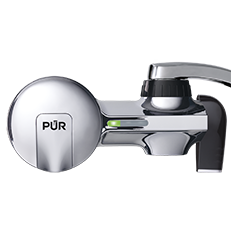
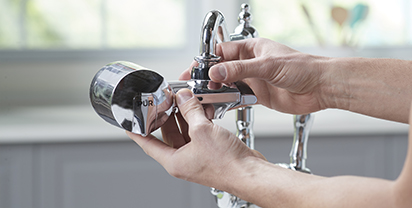
PUR & PUR PLUS FAUCET FILTERS
RF3375/RF9999

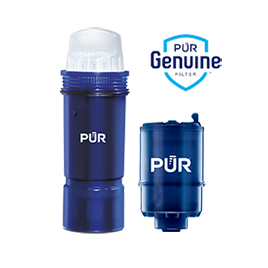
View Filters

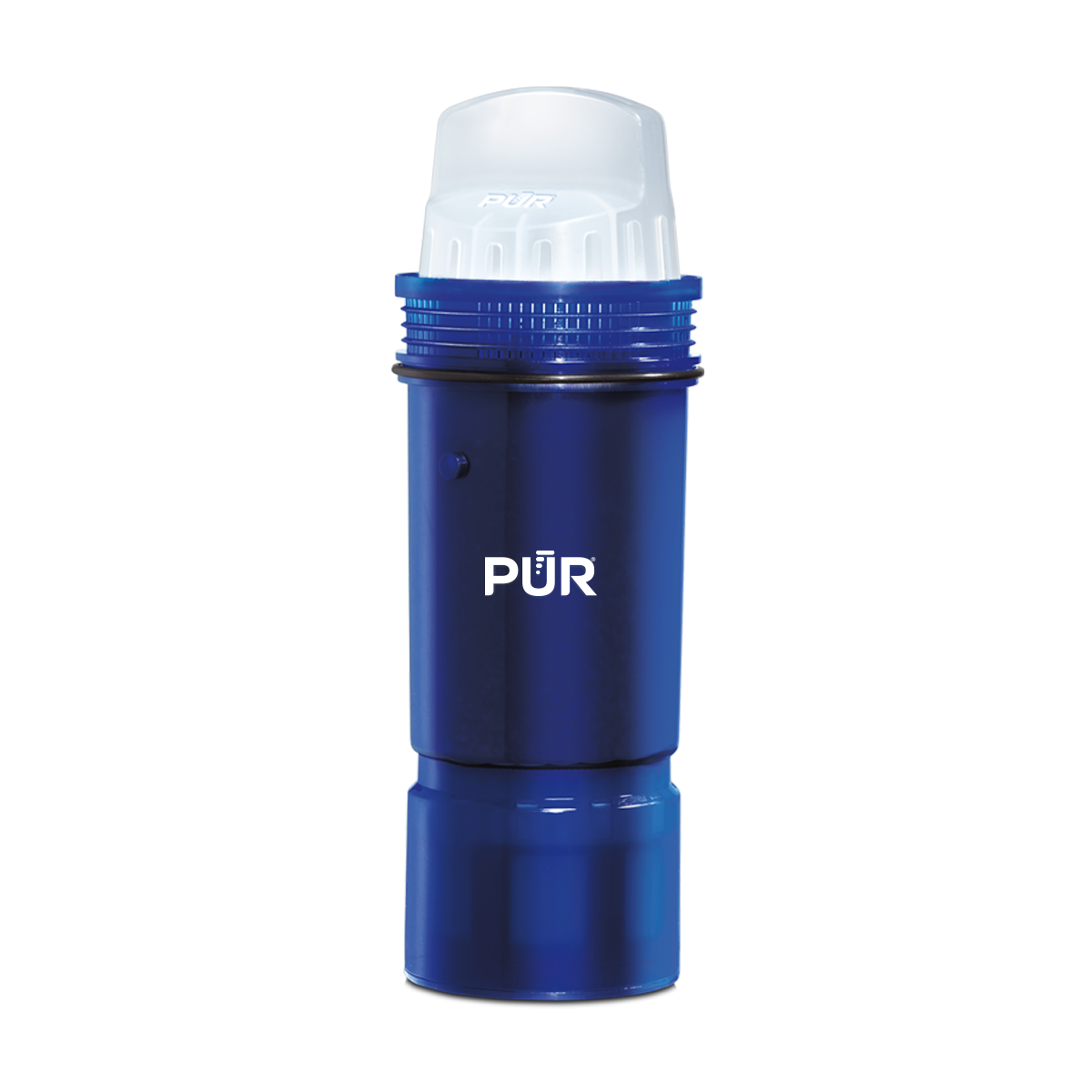
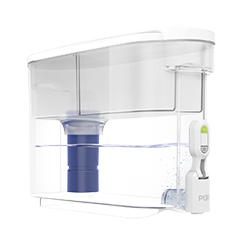
PUR PLUS PITCHER FILTERS
PPF951K

View Filter

PUR BASIC PITCHER FILTERS
PPF900Z

View Filter


Vs. Brita*

Lead
Microplastics
Mercury
Chlorine Taste & Odor
DEET
TTHM

PUR’s Filtration Systems Are Certified By NSF And WQA For Their Contamination Reduction. WQA certifications as of 5/27/21 for Faucet filter models RF-3375 and RF-9999.

¹ Certified to reduce 10X more chemical and physical substances than Brita’s® leading pitcher filter.
² Certified to reduce 3X more chemical and physical substances than Brita’s® leading pitcher filter.
³ Certified to reduce 2X more chemical and physical substances than Brita’s® leading pitcher filter.
*Versus best-selling Brita® pitcher filter OB03. Brita® is a trademark of Brita LP.
**Like other leading brands, PUR does not filter microbes. As of 3/1/23 Brita® and ZeroWater® were not certified to filter microbes. Brita® is a trademark of Brita LP. ZeroWater® is a trademark of Zero Technologies, LLC..

 

PUR & PUR PLUS FAUCET FILTERS


PUR & PUR PLUS FAUCET FILTERS
RF3375/RF9999

View Filters


Vs. Brita*

Lead
Microplastics
Mercury
Chlorine Taste & Odor
DEET
TTHM

PUR’s Filtration Systems Are Certified By NSF And WQA For Their Contamination Reduction. WQA certifications as of 5/27/21 for Faucet filter models RF-3375 and RF-9999.

¹ Certified to reduce 10X more chemical and physical substances than Brita’s® leading pitcher filter.
² Certified to reduce 3X more chemical and physical substances than Brita’s® leading pitcher filter.
³ Certified to reduce 2X more chemical and physical substances than Brita’s® leading pitcher filter.
*Versus best-selling Brita® pitcher filter OB03. Brita® is a trademark of Brita LP.
**Like other leading brands, PUR does not filter microbes. As of 3/1/23 Brita® and ZeroWater® were not certified to filter microbes. Brita® is a trademark of Brita LP. ZeroWater® is a trademark of Zero Technologies, LLC..


PUR PLUS PITCHER FILTERS


PUR PLUS PITCHER FILTERS
PPF951K

View Filter


Vs. Brita*

Lead
Microplastics
Mercury
Chlorine Taste & Odor
DEET
TTHM

PUR’s Filtration Systems Are Certified By NSF And WQA For Their Contamination Reduction. WQA certifications as of 5/27/21 for Faucet filter models RF-3375 and RF-9999.

¹ Certified to reduce 10X more chemical and physical substances than Brita’s® leading pitcher filter.
² Certified to reduce 3X more chemical and physical substances than Brita’s® leading pitcher filter.
³ Certified to reduce 2X more chemical and physical substances than Brita’s® leading pitcher filter.
*Versus best-selling Brita® pitcher filter OB03. Brita® is a trademark of Brita LP.
**Like other leading brands, PUR does not filter microbes. As of 3/1/23 Brita® and ZeroWater® were not certified to filter microbes. Brita® is a trademark of Brita LP. ZeroWater® is a trademark of Zero Technologies, LLC..


PUR BASIC PITCHER FILTERS


PUR BASIC PITCHER FILTERS
PPF900Z

View Filter


Vs. Brita*

Lead
Microplastics
Mercury
Chlorine Taste & Odor
DEET
TTHM

PUR’s Filtration Systems Are Certified By NSF And WQA For Their Contamination Reduction. WQA certifications as of 5/27/21 for Faucet filter models RF-3375 and RF-9999.

¹ Certified to reduce 10X more chemical and physical substances than Brita’s® leading pitcher filter.
² Certified to reduce 3X more chemical and physical substances than Brita’s® leading pitcher filter.
³ Certified to reduce 2X more chemical and physical substances than Brita’s® leading pitcher filter.
*Versus best-selling Brita® pitcher filter OB03. Brita® is a trademark of Brita LP.
**Like other leading brands, PUR does not filter microbes. As of 3/1/23 Brita® and ZeroWater® were not certified to filter microbes. Brita® is a trademark of Brita LP. ZeroWater® is a trademark of Zero Technologies, LLC..


2026 Top Automotive Parts Buyers Guide for Global Suppliers?

In the fast-paced world of automotive manufacturing, sourcing reliable suppliers is critical. The 2026 Top automotive parts Buyers Guide addresses the needs of global suppliers effectively. It highlights the latest trends, innovations, and key players in the industry, ensuring buyers find the best automotive parts.

Navigating this complex landscape can be daunting. Companies must assess quality, price, and delivery timelines. For many, this guide is a crucial tool. It provides insights into reputable suppliers and emerging markets. Each listing includes detailed product information that buyers can trust.

This guide emphasizes the importance of making informed decisions. As automotive technology evolves, awareness of different parts becomes vital. Buyers must remain vigilant about industry changes. Challenges in this sector can arise unexpectedly. Reflecting on current practices can lead to better sourcing strategies and partnerships.

2026 Top Automotive Parts Buyers Guide for Global Suppliers?

2026 Automotive Parts Market Overview and Trends

The automotive parts market is experiencing dynamic changes. Innovations drive growth, yet challenges persist. Suppliers face rising material costs and changing consumer preferences. Staying ahead requires adaptability.

Electric vehicles (EVs) significantly impact the market landscape. Demand for specific components, such as batteries, is surging. Manufacturers must invest in research to meet this need. Sustainability becomes essential. Eco-friendly materials attract both companies and consumers. They want to support responsible practices.

Market trends indicate a shift toward digitalization. Online platforms facilitate transactions and enhance customer engagement. However, suppliers must ensure robust cybersecurity measures. Trust is vital in this digital age. Supply chain disruptions challenge logistics. Flexibility and resilience become crucial. Companies need to rethink strategies continuously. Balancing innovation with sustainability is vital.

2026 Top Automotive Parts Buyers Guide for Global Suppliers

Part Type Estimated Market Size (USD Billion) Growth Rate (%) Key Trends
Engine Components 15.2 3.5 Shift towards electrification
Brake Systems 10.5 4.2 Adoption of advanced materials
Transmission Systems 12.8 2.8 Increased demand for automatic transmissions
Lighting Systems 8.4 5.1 Emergence of LED and smart lighting solutions
Body and Interior Parts 20.3 3.9 Focus on lightweight and sustainable materials

Key Drivers Influencing Automotive Parts Procurement Globally

The automotive parts procurement landscape is rapidly changing, influenced by several key drivers. One major factor is the rise in electric vehicle (EV) production. According to a recent report by McKinsey, EV sales are projected to quadruple by 2026, which will significantly alter parts demand. Traditional suppliers may struggle to keep pace with the unique requirements of EV components, including batteries and electric powertrains.


Another driver is the push for sustainability. A survey by Deloitte found that 56% of consumers prefer manufacturers that prioritize eco-friendly practices. This demand pushes suppliers to rethink manufacturing processes. Companies must adapt to the growing demand for lightweight and recyclable materials. However, the supply chain for sustainable materials remains inconsistent, leading to potential procurement challenges.


Finally, the digital transformation in the automotive industry cannot be overlooked. Advanced analytics and supply chain technologies are essential for optimizing procurement strategies. Research from Gartner indicates that 65% of supply chain leaders view digital tools as critical for success. Yet, integrating these technologies presents hurdles, including cost and workforce readiness. As the industry evolves, procurement strategies must address these complexities.

Essential Criteria for Selecting Automotive Parts Suppliers

Selecting automotive parts suppliers is crucial for every company in the automotive sector. When evaluating potential suppliers, focus on their experience and expertise. A supplier with a proven track record can better meet your needs. They should have a solid understanding of industry standards and trends. This ensures that their parts not only meet specifications but are also innovative.

Tips: Look for suppliers with certifications. These indicate a commitment to quality. Reliability is another key factor. Assess how consistently a supplier delivers on time. Delays can cost your business. Consider their communication style; clear communication can prevent misunderstandings.

Another important criterion is the supplier's capacity to scale as your business grows. A good supplier should be flexible. They should adapt to changing demands without compromising quality. Yet, some suppliers may struggle with this. Evaluate their past performance in this area.

Tips: Review customer feedback and case studies. This provides insight into their reliability and responsiveness. A reliable partner is not afraid of feedback; they learn and improve. Building a relationship with your suppliers can also lead to better collaboration and problem-solving.

Top Global Suppliers in the Automotive Parts Industry

The automotive parts industry is evolving. Global suppliers are adapting to new technologies and customer needs. Some excel in innovation, while others struggle to keep pace. Understanding these dynamics is crucial for buyers. Many factors influence supplier reliability, including quality and delivery time.

Quality control is a priority for top suppliers. They invest in advanced manufacturing techniques and rigorous testing. However, not all suppliers achieve the same standards. Some may compromise quality for cost, leading to potential issues. Buyers need to thoroughly vet suppliers.

Additionally, global supply chains pose challenges. Disruptions can occur due to political tensions or natural disasters. This uncertainty can affect production schedules. Therefore, building resilient relationships with multiple suppliers is wise. A diverse supply base can help mitigate risks. In a competitive landscape, adaptability remains key.

Future Outlook for Automotive Parts Buying Decisions in 2026

The automotive parts industry is at a turning point as we move towards 2026. The global supply chain is evolving, influenced by technology and consumer demands. Buyers are now more informed, looking for transparency and sustainability in their decisions. The focus has shifted from price alone to quality and environmental impact.

In this landscape, suppliers must embrace innovation. Adopting advanced materials and production methods can enhance product performance. However, balancing cost and quality remains a challenge. Buyers may hesitate, weighing the immediate benefits against long-term gains. The rise of electric vehicles also creates new demands for specific components.

Moreover, partnerships will be essential. Collaborations between suppliers and manufacturers can foster better outcomes. Trustworthiness will drive relationships forward. Yet, misinformation and lack of clarity can disrupt these connections. A proactive approach to communication will be vital to navigate the uncertainties ahead.