Contaminant Comparison Chart

For a complete list of contaminants that PUR filters reduce, please view our Performance Data Sheets here.


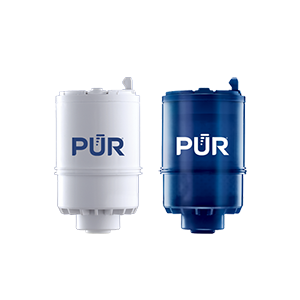
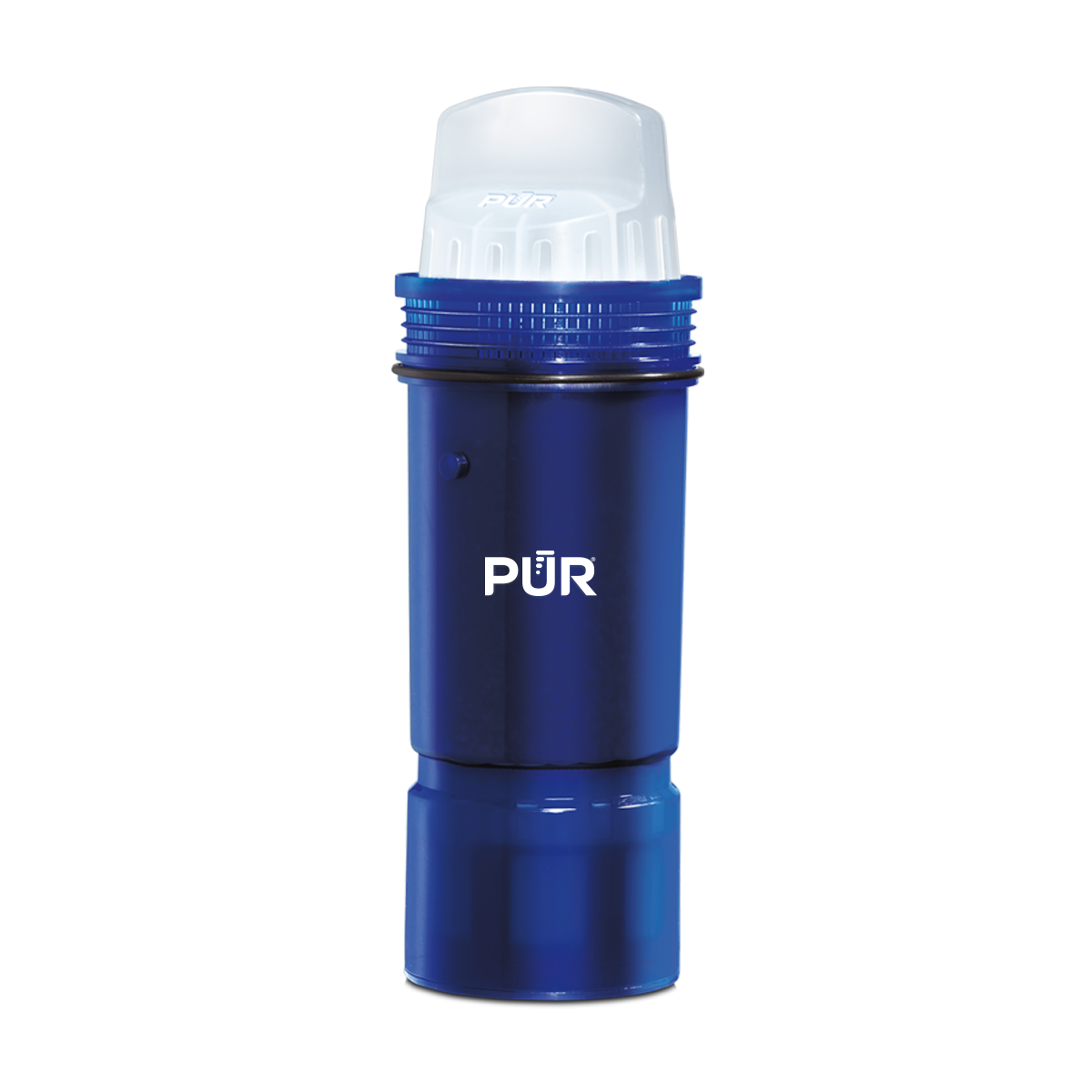
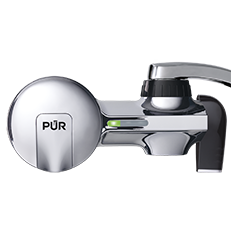
PUR & PUR PLUS FAUCET FILTERS
RF3375/RF9999

View Filters

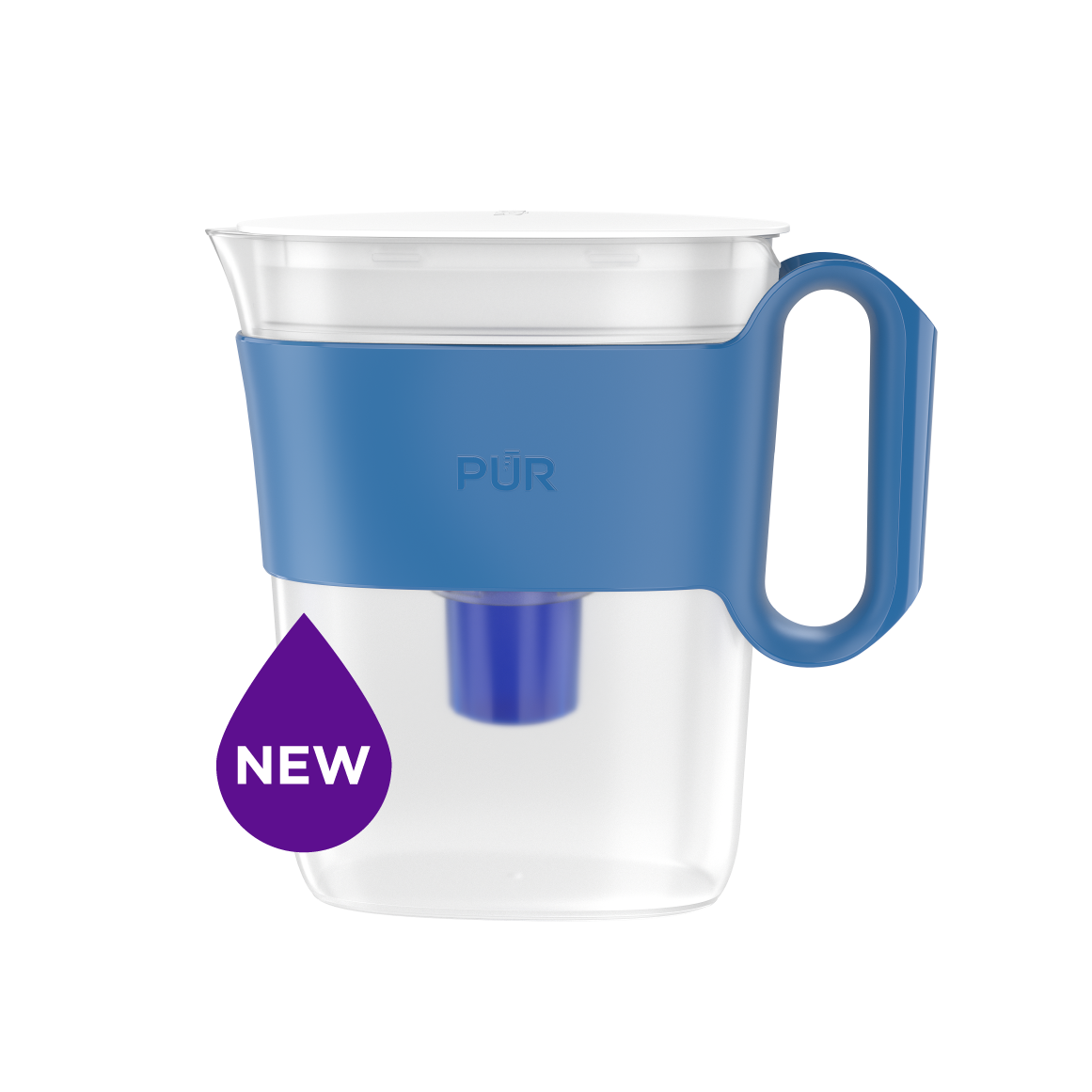
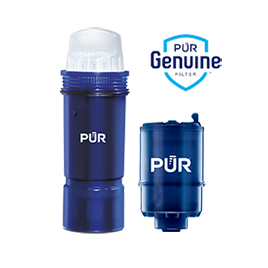
PUR PLUS PITCHER FILTERS
PPF951K

View Filter

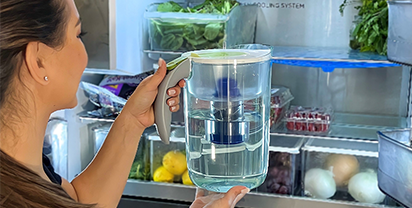
PUR BASIC PITCHER FILTERS
PPF900Z

View Filter


Vs. Brita*

Lead
Microplastics
Mercury
Chlorine Taste & Odor
DEET
TTHM

PUR’s Filtration Systems Are Certified By NSF And WQA For Their Contamination Reduction. WQA certifications as of 5/27/21 for Faucet filter models RF-3375 and RF-9999.

¹ Certified to reduce 10X more chemical and physical substances than Brita’s® leading pitcher filter.
² Certified to reduce 3X more chemical and physical substances than Brita’s® leading pitcher filter.
³ Certified to reduce 2X more chemical and physical substances than Brita’s® leading pitcher filter.
*Versus best-selling Brita® pitcher filter OB03. Brita® is a trademark of Brita LP.
**Like other leading brands, PUR does not filter microbes. As of 3/1/23 Brita® and ZeroWater® were not certified to filter microbes. Brita® is a trademark of Brita LP. ZeroWater® is a trademark of Zero Technologies, LLC..
 

PUR & PUR PLUS FAUCET FILTERS


PUR & PUR PLUS FAUCET FILTERS
RF3375/RF9999

View Filters


Vs. Brita*

Lead
Microplastics
Mercury
Chlorine Taste & Odor
DEET
TTHM

PUR’s Filtration Systems Are Certified By NSF And WQA For Their Contamination Reduction. WQA certifications as of 5/27/21 for Faucet filter models RF-3375 and RF-9999.

¹ Certified to reduce 10X more chemical and physical substances than Brita’s® leading pitcher filter.
² Certified to reduce 3X more chemical and physical substances than Brita’s® leading pitcher filter.
³ Certified to reduce 2X more chemical and physical substances than Brita’s® leading pitcher filter.
*Versus best-selling Brita® pitcher filter OB03. Brita® is a trademark of Brita LP.
**Like other leading brands, PUR does not filter microbes. As of 3/1/23 Brita® and ZeroWater® were not certified to filter microbes. Brita® is a trademark of Brita LP. ZeroWater® is a trademark of Zero Technologies, LLC..
 

PUR PLUS PITCHER FILTERS


PUR PLUS PITCHER FILTERS
PPF951K

View Filter


Vs. Brita*

Lead
Microplastics
Mercury
Chlorine Taste & Odor
DEET
TTHM

PUR’s Filtration Systems Are Certified By NSF And WQA For Their Contamination Reduction. WQA certifications as of 5/27/21 for Faucet filter models RF-3375 and RF-9999.

¹ Certified to reduce 10X more chemical and physical substances than Brita’s® leading pitcher filter.
² Certified to reduce 3X more chemical and physical substances than Brita’s® leading pitcher filter.
³ Certified to reduce 2X more chemical and physical substances than Brita’s® leading pitcher filter.
*Versus best-selling Brita® pitcher filter OB03. Brita® is a trademark of Brita LP.
**Like other leading brands, PUR does not filter microbes. As of 3/1/23 Brita® and ZeroWater® were not certified to filter microbes. Brita® is a trademark of Brita LP. ZeroWater® is a trademark of Zero Technologies, LLC..

 

PUR BASIC PITCHER FILTERS


PUR BASIC PITCHER FILTERS
PPF900Z

View Filter


Vs. Brita*

Lead
Microplastics
Mercury
Chlorine Taste & Odor
DEET
TTHM

PUR’s Filtration Systems Are Certified By NSF And WQA For Their Contamination Reduction. WQA certifications as of 5/27/21 for Faucet filter models RF-3375 and RF-9999.

¹ Certified to reduce 10X more chemical and physical substances than Brita’s® leading pitcher filter.
² Certified to reduce 3X more chemical and physical substances than Brita’s® leading pitcher filter.
³ Certified to reduce 2X more chemical and physical substances than Brita’s® leading pitcher filter.
*Versus best-selling Brita® pitcher filter OB03. Brita® is a trademark of Brita LP.
**Like other leading brands, PUR does not filter microbes. As of 3/1/23 Brita® and ZeroWater® were not certified to filter microbes. Brita® is a trademark of Brita LP. ZeroWater® is a trademark of Zero Technologies, LLC..
 

2026 Top House Water Filter Options for Clean Drinking Water?

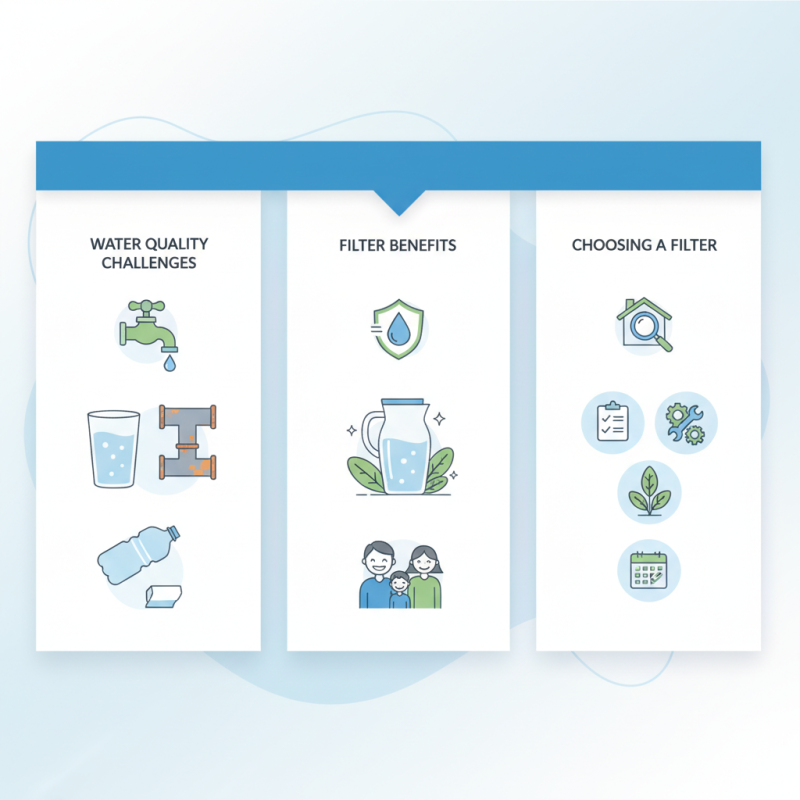
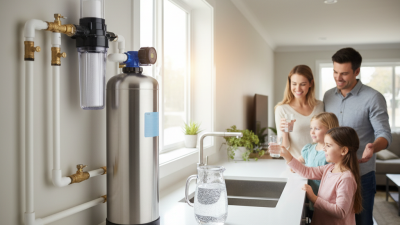
In today's world, access to clean drinking water is crucial. Many households face issues with water quality. A reliable house water filter can address these challenges effectively. The right house water filter improves taste and removes harmful contaminants.

Choosing the best filter may seem overwhelming. There are various types and brands available. Some filters focus on specific impurities, while others cater to overall purification. It is important to assess your home’s water needs before making a decision.

Evaluating options is essential. Not all house water filters perform equally well. Some might require frequent maintenance, while others offer long-term solutions. Understanding these factors will enhance your water quality. Clean drinking water should be a priority for every homeowner.

2026 Top House Water Filter Options for Clean Drinking Water?

Overview of House Water Filter Technologies Available in 2026

2026 Top House Water Filter Options for Clean Drinking Water?

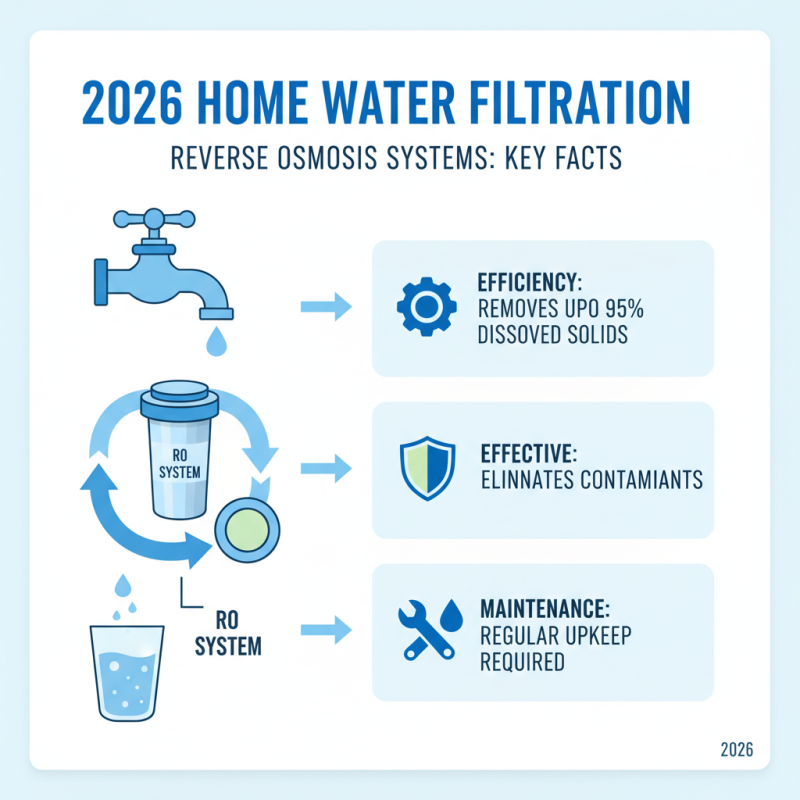
In 2026, several house water filter technologies dominate the market. Reverse osmosis systems stand out for their efficiency. They are effective in removing contaminants. Studies show that these systems can eliminate up to 95% of dissolved solids. However, they require regular maintenance to function properly, which can be a hassle for some users.

Activated carbon filters remain popular. They effectively reduce chlorine and improve taste. These filters have an average lifespan of six months. They are easy to install and replace but do not eliminate all harmful bacteria. A report by the Water Quality Association notes that many consumers overlook potential bacteria in their water supply.

Ultraviolet (UV) light filters offer another promising option. They kill bacteria and viruses by disrupting their DNA. This technology does not use chemicals, making it environmentally friendly. However, UV systems depend on clear water to function effectively. Any sediment can hinder their performance. These nuances highlight the need for users to be informed about their specific water quality.

Key Benefits of Using Water Filters for Drinking Water Quality

Water filters offer significant benefits for improving drinking water quality. According to the Environmental Protection Agency, contaminants like lead can be present in water supplies. Lead exposure can cause serious health issues, especially for children. Using effective water filters can significantly reduce these harmful substances and provide safer drinking options.

The Centers for Disease Control and Prevention recommends the use of water filters to eliminate chlorine, sediment, and other impurities. Filters can improve taste and odor, making water more appealing. A study from the Water Quality Association indicated that 63% of households report better hydration when using filtered water. This suggests that even taste can influence health choices.

However, not all filters are created equal. Some may not remove specific contaminants effectively. Regular maintenance and replacement of filter cartridges are essential for optimal performance. Without proper care, filters may harbor bacteria or lose efficiency. Consumers should educate themselves on how to choose and maintain the right water filter.

2026 Top House Water Filter Options for Clean Drinking Water

Filter Type Filtration Method Contaminant Reduction Installation Type Average Cost (USD)
Activated Carbon Filter Adsorption Chlorine, Sediment, VOCs Countertop / Under-sink $30 - $150
Reverse Osmosis Filter Membrane Filtration Heavy Metals, Nitrates, Fluoride Under-sink $200 - $500
UV Water Purifier Ultraviolet Light Bacteria, Viruses Point-of-use $100 - $300
Bone Char Filter Adsorption Fluoride, Lead Countertop / Under-sink $50 - $200
Ceramic Filter Microfiltration Bacteria, Sediment Gravity-fed / Countertop $30 - $100

Comparison of Popular Water Filter Brands and Models in 2026

2026 Top House Water Filter Options for Clean Drinking Water?

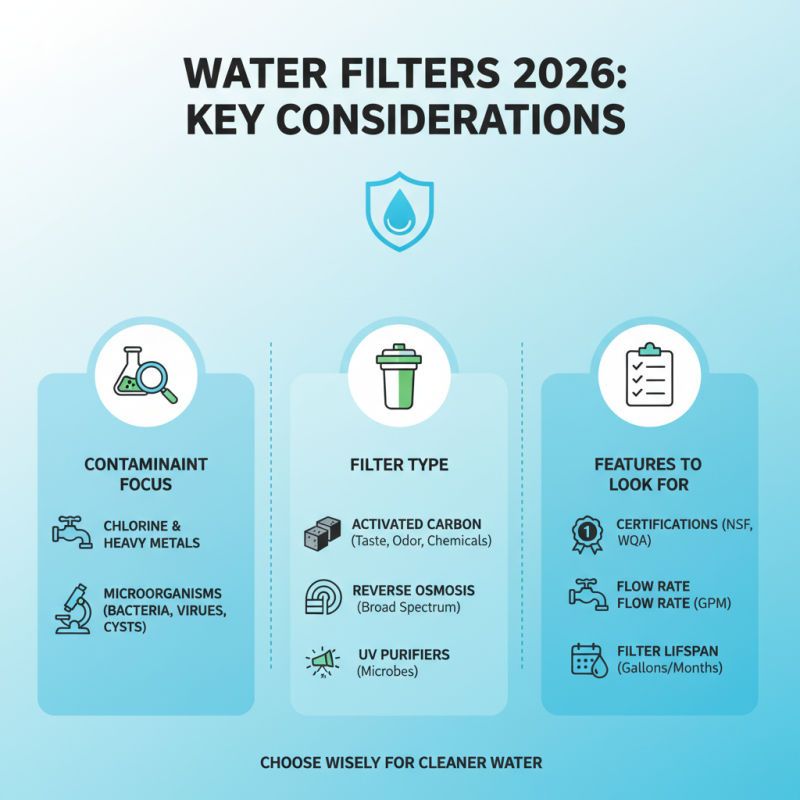
When searching for effective water filter options in 2026, various brands and models stand out. Each offers unique features that cater to different needs. Consider how each filter manages contaminants. Some models focus on chlorine and heavy metals, while others target microorganisms.

**Tips:** Always read customer reviews. They offer insights that technical specifications may miss. Be cautious; some filters claim high performance but underdeliver.

The ease of installation is another important factor. Many brands offer user-friendly systems. However, some may require professional help. Evaluate your comfort level with DIY projects. Durability also varies significantly among models. Cheaper options may wear out quickly. Investing in a reliable filter can save money over time.

**Tips:** Test your water regularly, even after filtering. Filters might not remove all contaminants as promised. A good filter is an investment, but it won't guarantee perfection.

Factors to Consider When Choosing a House Water Filter System

Choosing the right house water filter system is essential for clean drinking water. One important factor is the type of contaminants present in your water. Testing your water supply can reveal issues like chlorine, lead, or bacteria. Not all filters handle every contaminant. Some may excel at removing chlorine but fail against other substances.

Another factor is the filter’s capacity and lifespan. Some systems require frequent replacements, while others last longer. It can be frustrating when you have to change filters constantly. Consider the size of your household and daily water consumption. A larger family might need a more robust system.

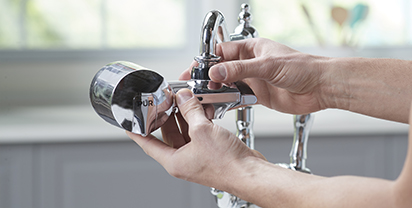
Installation and maintenance are also crucial aspects to think about. Some filters are easy to install, while others require professional help. This can add to the overall cost. Regular maintenance might be needed to ensure it works effectively. Think about your ability to commit to this upkeep. Assessing these factors will help you find a suitable water filter for your needs.

2026 Top House Water Filter Options Comparison

This chart displays the effectiveness of various house water filter systems based on key factors such as removal of contaminants, cost, and filter lifespan.

Maintenance and Replacement Tips for Home Water Filtration Systems

Maintaining a home water filtration system is crucial for clean drinking water. Regular maintenance ensures your filters work efficiently and provide safe water. It's vital to check your system often for signs of wear. Replace filters as recommended by the manufacturer. Neglecting this can result in poor water quality.

Tips for maintenance: Always inspect your filter for leaks. If your system shows signs of clogs, it’s time for a change. Keep the area around your filter clean. Dust and debris can impact performance. Use a calendar reminder for replacements. This simple step can prevent long-term issues.

Water filters can become less effective over time. It’s essential to monitor the water's taste and clarity. A strange taste might indicate an old filter. Don’t hesitate to consult user manuals for specific maintenance advice. Each system is unique, needing tailored care. Consider professional check-ups if you're unsure. This adds a layer of safety for your family.