
Contaminant Comparison Chart

For a complete list of contaminants that PUR filters reduce, please view our Performance Data Sheets here.


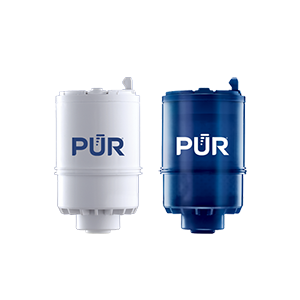
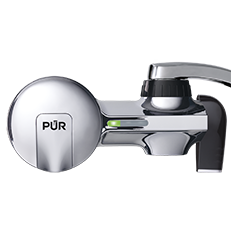
PUR & PUR PLUS FAUCET FILTERS
RF3375/RF9999

View Filters

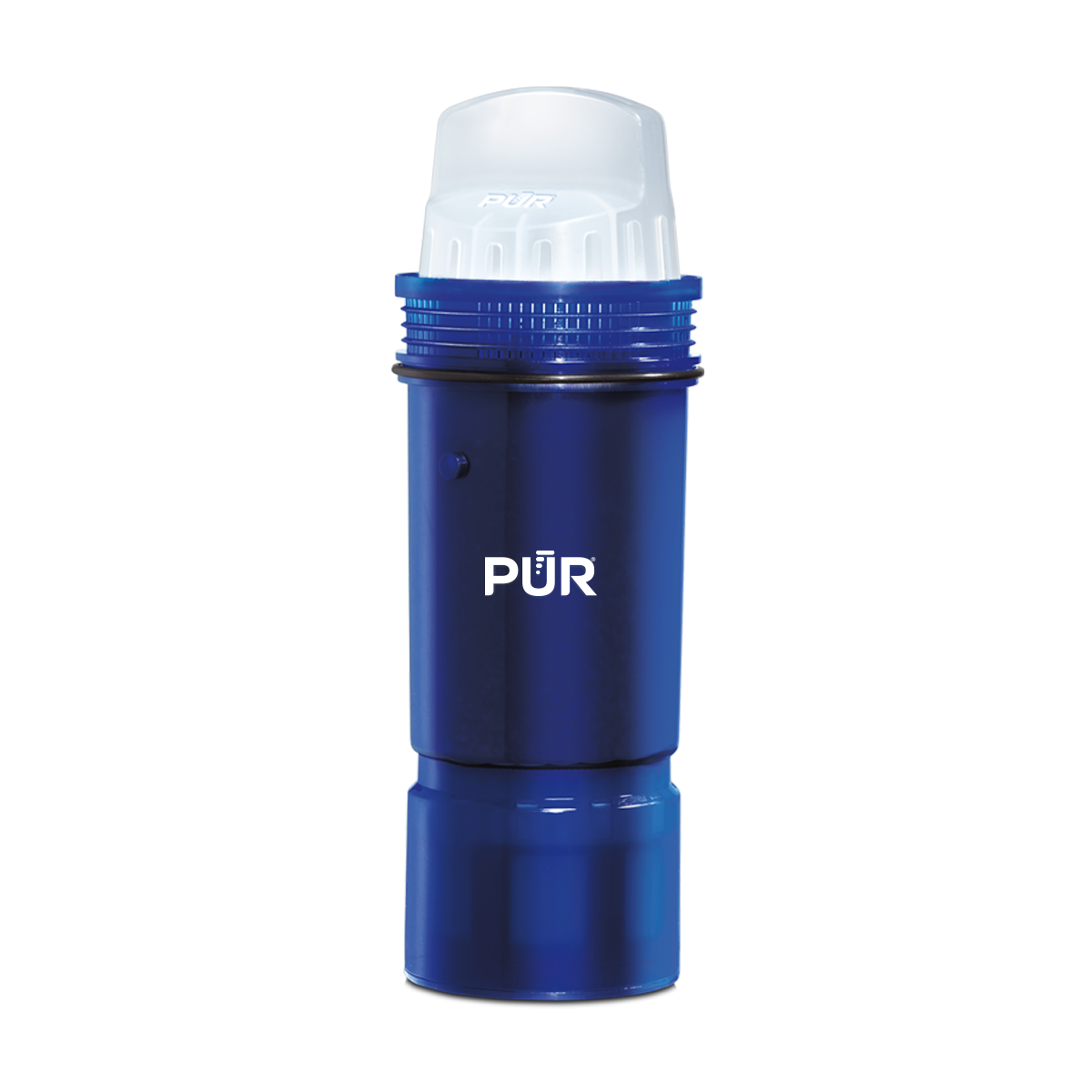
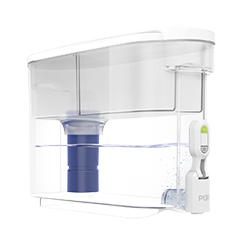
PUR PLUS PITCHER FILTERS
PPF951K

View Filter

PUR BASIC PITCHER FILTERS
PPF900Z

View Filter


Vs. Brita*

Lead
Microplastics
Mercury
Chlorine Taste & Odor
DEET
TTHM

PUR’s Filtration Systems Are Certified By NSF And WQA For Their Contamination Reduction. WQA certifications as of 5/27/21 for Faucet filter models RF-3375 and RF-9999.

¹ Certified to reduce 10X more chemical and physical substances than Brita’s® leading pitcher filter.
² Certified to reduce 3X more chemical and physical substances than Brita’s® leading pitcher filter.
³ Certified to reduce 2X more chemical and physical substances than Brita’s® leading pitcher filter.
*Versus best-selling Brita® pitcher filter OB03. Brita® is a trademark of Brita LP.
**Like other leading brands, PUR does not filter microbes. As of 3/1/23 Brita® and ZeroWater® were not certified to filter microbes. Brita® is a trademark of Brita LP. ZeroWater® is a trademark of Zero Technologies, LLC..

 

PUR & PUR PLUS FAUCET FILTERS


PUR & PUR PLUS FAUCET FILTERS
RF3375/RF9999

View Filters


Vs. Brita*

Lead
Microplastics
Mercury
Chlorine Taste & Odor
DEET
TTHM

PUR’s Filtration Systems Are Certified By NSF And WQA For Their Contamination Reduction. WQA certifications as of 5/27/21 for Faucet filter models RF-3375 and RF-9999.

¹ Certified to reduce 10X more chemical and physical substances than Brita’s® leading pitcher filter.
² Certified to reduce 3X more chemical and physical substances than Brita’s® leading pitcher filter.
³ Certified to reduce 2X more chemical and physical substances than Brita’s® leading pitcher filter.
*Versus best-selling Brita® pitcher filter OB03. Brita® is a trademark of Brita LP.
**Like other leading brands, PUR does not filter microbes. As of 3/1/23 Brita® and ZeroWater® were not certified to filter microbes. Brita® is a trademark of Brita LP. ZeroWater® is a trademark of Zero Technologies, LLC..


PUR PLUS PITCHER FILTERS


PUR PLUS PITCHER FILTERS
PPF951K

View Filter


Vs. Brita*

Lead
Microplastics
Mercury
Chlorine Taste & Odor
DEET
TTHM

PUR’s Filtration Systems Are Certified By NSF And WQA For Their Contamination Reduction. WQA certifications as of 5/27/21 for Faucet filter models RF-3375 and RF-9999.

¹ Certified to reduce 10X more chemical and physical substances than Brita’s® leading pitcher filter.
² Certified to reduce 3X more chemical and physical substances than Brita’s® leading pitcher filter.
³ Certified to reduce 2X more chemical and physical substances than Brita’s® leading pitcher filter.
*Versus best-selling Brita® pitcher filter OB03. Brita® is a trademark of Brita LP.
**Like other leading brands, PUR does not filter microbes. As of 3/1/23 Brita® and ZeroWater® were not certified to filter microbes. Brita® is a trademark of Brita LP. ZeroWater® is a trademark of Zero Technologies, LLC..


PUR BASIC PITCHER FILTERS


PUR BASIC PITCHER FILTERS
PPF900Z

View Filter


Vs. Brita*

Lead
Microplastics
Mercury
Chlorine Taste & Odor
DEET
TTHM

PUR’s Filtration Systems Are Certified By NSF And WQA For Their Contamination Reduction. WQA certifications as of 5/27/21 for Faucet filter models RF-3375 and RF-9999.

¹ Certified to reduce 10X more chemical and physical substances than Brita’s® leading pitcher filter.
² Certified to reduce 3X more chemical and physical substances than Brita’s® leading pitcher filter.
³ Certified to reduce 2X more chemical and physical substances than Brita’s® leading pitcher filter.
*Versus best-selling Brita® pitcher filter OB03. Brita® is a trademark of Brita LP.
**Like other leading brands, PUR does not filter microbes. As of 3/1/23 Brita® and ZeroWater® were not certified to filter microbes. Brita® is a trademark of Brita LP. ZeroWater® is a trademark of Zero Technologies, LLC..


2026 Top Lifepo4 Battery Trends for Global Buyers?

As we look towards 2026, the market for Lifepo4 batteries is poised for transformative growth. According to a recent report by ResearchAndMarkets, the global lithium iron phosphate (LiFePO4) battery market is expected to reach USD 23.5 billion by 2026, growing at a CAGR of 20%. This surge can be attributed to the increasing demand for electric vehicles (EVs) and renewable energy storage systems that utilize Lifepo4 technology for its safety and thermal stability.

Industry experts emphasize the need for global buyers to stay informed about the latest trends. The adoption of Lifepo4 batteries in energy storage systems, for instance, has jumped by over 50% in the past three years, highlighting a significant shift in consumer preference toward greener options. Nonetheless, challenges remain. The production process still faces concerns over material sourcing and recycling methods. These reflections urge buyers to consider not just performance but also sustainability when evaluating Lifepo4 battery suppliers.

Moreover, innovation in battery management systems is set to enhance the lifecycle of Lifepo4 batteries, making them more appealing for long-term investments. With new advancements, these batteries could soon offer even greater efficiencies than currently available models. Staying ahead in the rapidly evolving landscape requires vigilance and adaptability.

2026 Top Lifepo4 Battery Trends for Global Buyers?

Current Innovations in LiFePO4 Battery Technology for 2026

The LiFePO4 battery technology landscape is rapidly evolving as we head towards 2026. Current innovations are focusing on safety, longevity, and efficiency. Enhanced thermal management systems are being developed to optimize battery performance, especially in extreme temperatures. This innovation allows batteries to operate more reliably and extends their lifespan. Battery manufacturers are also exploring new electrode materials, which can increase energy density without compromising safety.

Tips: When investing in LiFePO4 batteries, consider their lifecycle. A longer lifespan can lead to lower costs in the long run. Pay attention to the charging protocols as they significantly impact battery health.

Another trend is the integration of smart technology. Smart monitoring systems can analyze battery performance in real time, maximizing efficiency. These systems help users assess the health of their batteries, providing alerts for maintenance. However, achieving a seamless integration remains a challenge. Compatibility will vary across platforms, leading to potential frustration.

Tips: Stay updated with technology trends. Regularly check battery performance and look for signs of wear. Prioritize features suited to your specific needs. These practices ensure you get the best out of your LiFePO4 batteries as innovations continue to unfold.

2026 Top Lifepo4 Battery Trends for Global Buyers

Trend Description Impact on Market Predicted Growth (%)
Increased Energy Density Development of new materials to enhance energy density. Higher efficiency for electric vehicles and storage systems. 15%
Recycling Innovations Emergence of sophisticated recycling processes for LiFePO4 components. Reduced environmental impact and lower raw material costs. 20%
Smart Battery Management Systems Integration of AI for enhanced battery monitoring and management. Improved lifespan and performance reliability. 30%
Cost Reduction Techniques Utilization of lower-cost materials without sacrificing performance. Increased accessibility for consumers and businesses. 25%
Integration into Renewable Energy Systems Growing use of LiFePO4 in solar and wind energy storage solutions. Support for energy transition and sustainability goals. 40%

Market Demand and Supply Dynamics of LiFePO4 Batteries Globally

The global demand for LiFePO4 batteries is rising sharply. This growth reflects increased interest in sustainable energy solutions. More industries are adopting electric vehicles and renewable energy systems. As governments push for emissions reductions, requirements for efficient energy storage are becoming critical.

Supply dynamics in this market are complex. The raw materials for LiFePO4 production depend heavily on mining and processing. Supply chain issues can create bottlenecks, leading to fluctuating prices. Not all producers meet high-quality standards. This inconsistency can raise concerns about reliability.

Another aspect to consider is market accessibility. Not all regions have equal access to these batteries. Some markets face import restrictions, while others may lack local suppliers. These factors can hinder growth, prompting a need for transparent sourcing strategies. Awareness of these dynamics is essential for global buyers. Understanding them can lead to better sourcing decisions.

Sustainability Trends in LiFePO4 Battery Production for 2026

As we approach 2026, the focus on sustainability in LiFePO4 battery production grows stronger. Manufacturers are exploring eco-friendly materials and processes. For instance, sourcing lithium from recycled sources helps reduce environmental impact. This trend reflects a commitment to green energy solutions.

Additionally, energy efficiency in production is becoming crucial. Advanced techniques are being adopted to minimize waste and emissions. Companies are investing in energy-efficient machinery, which ultimately benefits the planet. However, the transition can be challenging, as these technologies require significant upfront investment.

The market is also seeing a rise in transparency. Consumers demand to know how batteries are made. This push for accountability is reshaping production practices. Many companies are struggling to keep up with these demands, highlighting the need for ongoing improvement. Balancing innovation with sustainability is an evolving challenge for the industry.

Key Players and Competitive Landscape in the LiFePO4 Battery Market

The LiFePO4 battery market is gaining significant attention. As global buyers explore options, competition is intensifying. Key players are innovating to enhance battery performance, cost-effectiveness, and sustainability. Focus is on efficiency and longevity.

Many manufacturers are investing in R&D. Higher energy density and faster charging times are common trends. Other advancements include improved safety features. The market landscape is shifting as new entrants emerge, challenging established companies. This competition fosters innovation and affordability.

Tips: When considering a LiFePO4 battery, assess overall performance ratings. Compare manufacturers based on reliability, safety standards, and warranty policies. Engaging directly with suppliers can yield insights into industry trends and innovations.

Future Applications and Advancements in LiFePO4 Battery Systems

The future of LiFePO4 battery systems is promising. Several advancements are underway, focusing on improved efficiency and sustainability. Researchers are exploring new materials to enhance energy density. This could significantly boost the performance of electric vehicles.

Integration of LiFePO4 batteries in renewable energy systems is a key trend. More solar and wind projects now leverage these batteries for energy storage. They provide reliable power, making renewable energy more viable. Yet, challenges remain in scaling these solutions globally.

Safety improvements are also a focal point. Current Lithium-ion batteries pose fire risks. LiFePO4 batteries are more stable but still require better safety protocols. The industry often grapples with production costs and recycling methods. Addressing these issues is crucial for wider adoption.

2026 Top Lifepo4 Battery Trends for Global Buyers

This chart illustrates the projected growth rate of various applications for LiFePO4 batteries in 2026. Electric vehicles are expected to dominate the market, followed by energy storage systems and consumer electronics. These trends highlight the increasing demand for efficient and sustainable battery solutions across different sectors.