Contaminant Comparison Chart

For a complete list of contaminants that PUR filters reduce, please view our Performance Data Sheets here.


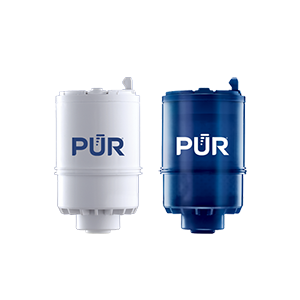
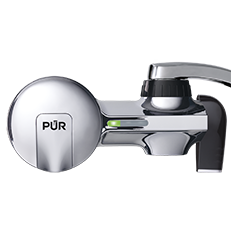
PUR & PUR PLUS FAUCET FILTERS
RF3375/RF9999

View Filters

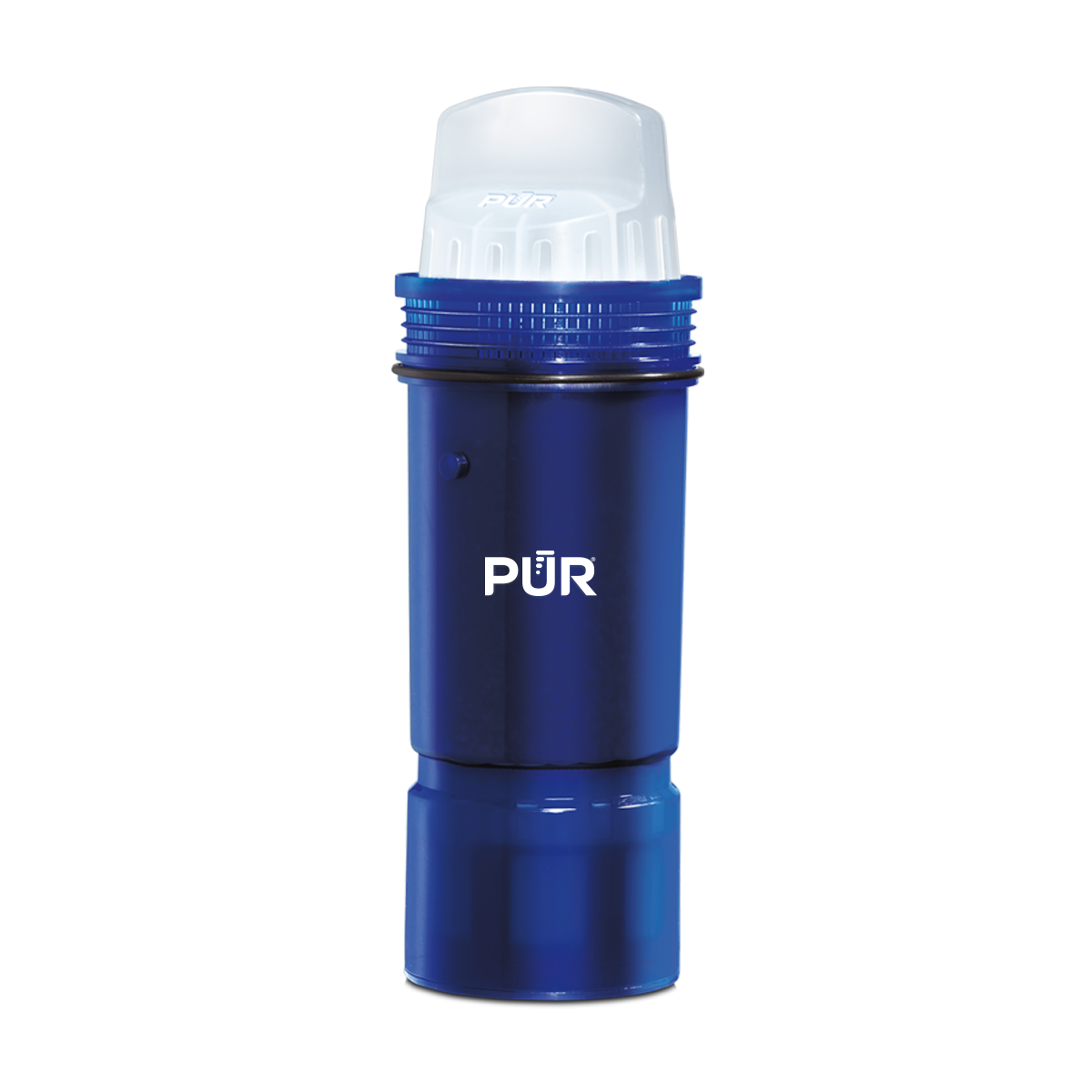
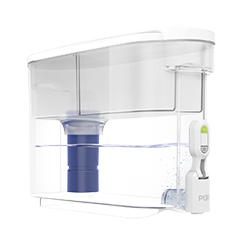
PUR PLUS PITCHER FILTERS
PPF951K

View Filter

PUR BASIC PITCHER FILTERS
PPF900Z

View Filter


Vs. Brita*

Lead
Microplastics
Mercury
Chlorine Taste & Odor
DEET
TTHM

PUR’s Filtration Systems Are Certified By NSF And WQA For Their Contamination Reduction. WQA certifications as of 5/27/21 for Faucet filter models RF-3375 and RF-9999.

¹ Certified to reduce 10X more chemical and physical substances than Brita’s® leading pitcher filter.
² Certified to reduce 3X more chemical and physical substances than Brita’s® leading pitcher filter.
³ Certified to reduce 2X more chemical and physical substances than Brita’s® leading pitcher filter.
*Versus best-selling Brita® pitcher filter OB03. Brita® is a trademark of Brita LP.
**Like other leading brands, PUR does not filter microbes. As of 3/1/23 Brita® and ZeroWater® were not certified to filter microbes. Brita® is a trademark of Brita LP. ZeroWater® is a trademark of Zero Technologies, LLC..

 

PUR & PUR PLUS FAUCET FILTERS


PUR & PUR PLUS FAUCET FILTERS
RF3375/RF9999

View Filters


Vs. Brita*

Lead
Microplastics
Mercury
Chlorine Taste & Odor
DEET
TTHM

PUR’s Filtration Systems Are Certified By NSF And WQA For Their Contamination Reduction. WQA certifications as of 5/27/21 for Faucet filter models RF-3375 and RF-9999.

¹ Certified to reduce 10X more chemical and physical substances than Brita’s® leading pitcher filter.
² Certified to reduce 3X more chemical and physical substances than Brita’s® leading pitcher filter.
³ Certified to reduce 2X more chemical and physical substances than Brita’s® leading pitcher filter.
*Versus best-selling Brita® pitcher filter OB03. Brita® is a trademark of Brita LP.
**Like other leading brands, PUR does not filter microbes. As of 3/1/23 Brita® and ZeroWater® were not certified to filter microbes. Brita® is a trademark of Brita LP. ZeroWater® is a trademark of Zero Technologies, LLC..
 

PUR PLUS PITCHER FILTERS


PUR PLUS PITCHER FILTERS
PPF951K

View Filter


Vs. Brita*

Lead
Microplastics
Mercury
Chlorine Taste & Odor
DEET
TTHM

PUR’s Filtration Systems Are Certified By NSF And WQA For Their Contamination Reduction. WQA certifications as of 5/27/21 for Faucet filter models RF-3375 and RF-9999.

¹ Certified to reduce 10X more chemical and physical substances than Brita’s® leading pitcher filter.
² Certified to reduce 3X more chemical and physical substances than Brita’s® leading pitcher filter.
³ Certified to reduce 2X more chemical and physical substances than Brita’s® leading pitcher filter.
*Versus best-selling Brita® pitcher filter OB03. Brita® is a trademark of Brita LP.
**Like other leading brands, PUR does not filter microbes. As of 3/1/23 Brita® and ZeroWater® were not certified to filter microbes. Brita® is a trademark of Brita LP. ZeroWater® is a trademark of Zero Technologies, LLC..
 

PUR BASIC PITCHER FILTERS


PUR BASIC PITCHER FILTERS
PPF900Z

View Filter


Vs. Brita*

Lead
Microplastics
Mercury
Chlorine Taste & Odor
DEET
TTHM

PUR’s Filtration Systems Are Certified By NSF And WQA For Their Contamination Reduction. WQA certifications as of 5/27/21 for Faucet filter models RF-3375 and RF-9999.

¹ Certified to reduce 10X more chemical and physical substances than Brita’s® leading pitcher filter.
² Certified to reduce 3X more chemical and physical substances than Brita’s® leading pitcher filter.
³ Certified to reduce 2X more chemical and physical substances than Brita’s® leading pitcher filter.
*Versus best-selling Brita® pitcher filter OB03. Brita® is a trademark of Brita LP.
**Like other leading brands, PUR does not filter microbes. As of 3/1/23 Brita® and ZeroWater® were not certified to filter microbes. Brita® is a trademark of Brita LP. ZeroWater® is a trademark of Zero Technologies, LLC..
 

Top Benefits of Water Filtration You Need to Know for Clean Drinking Water

In an era where clean drinking water is paramount to public health, understanding the top benefits of water filtration has never been more critical. According to Dr. Emily Hayes, a leading expert in the field of water quality and treatment, "Water filtration is not just a luxury; it's a necessity for ensuring the safety and well-being of our communities." This quote underscores the growing recognition of the importance of water filtration in our daily lives.

The myriad advantages of water filtration extend beyond mere convenience; they significantly impact our health, environmental sustainability, and economic savings. High-quality water filtration systems can effectively remove contaminants, ensuring that we consume only pure and safe water. This is particularly vital as concerns surrounding chemical pollutants and emerging pathogens in our water supply continue to rise. Furthermore, adopting water filtration practices contributes to reducing plastic waste, as it encourages people to shift away from bottled water.

As we delve into the essential benefits of water filtration, it becomes clear that investing in this technology is a proactive step toward healthier living. With expert insights and a commitment to understanding these advantages, we can take meaningful actions to secure a cleaner, safer water supply for ourselves and future generations.

Top Benefits of Water Filtration You Need to Know for Clean Drinking Water

Understanding Water Filtration: A Key to Clean Drinking Water

Water filtration is essential for ensuring clean drinking water, as it effectively removes contaminants that can pose health risks. According to the World Health Organization (WHO), contaminated drinking water is responsible for over 2 billion cases of waterborne diseases each year, highlighting the critical need for effective filtration solutions. Water filtration systems can eliminate impurities such as bacteria, heavy metals, and chemicals, significantly reducing the risk of illness. For example, a study published in the journal Environmental Health Perspectives found that activated carbon filters reduced lead levels in tap water by up to 95%.

Understanding the mechanics of water filtration can empower consumers to make informed decisions about their water quality. Various filtration methods, including reverse osmosis and ultraviolet purification, have shown promising results in removing both microbial and chemical pollutants. Research from the American Water Works Association indicates that reverse osmosis systems effectively remove up to 99% of dissolved solids, further enhancing the safety of drinking water. By investing in a reliable water filtration system, individuals can protect their health and ensure access to clean water, which is a fundamental human right.

The Importance of Clean Drinking Water for Health and Well-Being

Top Benefits of Water Filtration You Need to Know for Clean Drinking Water

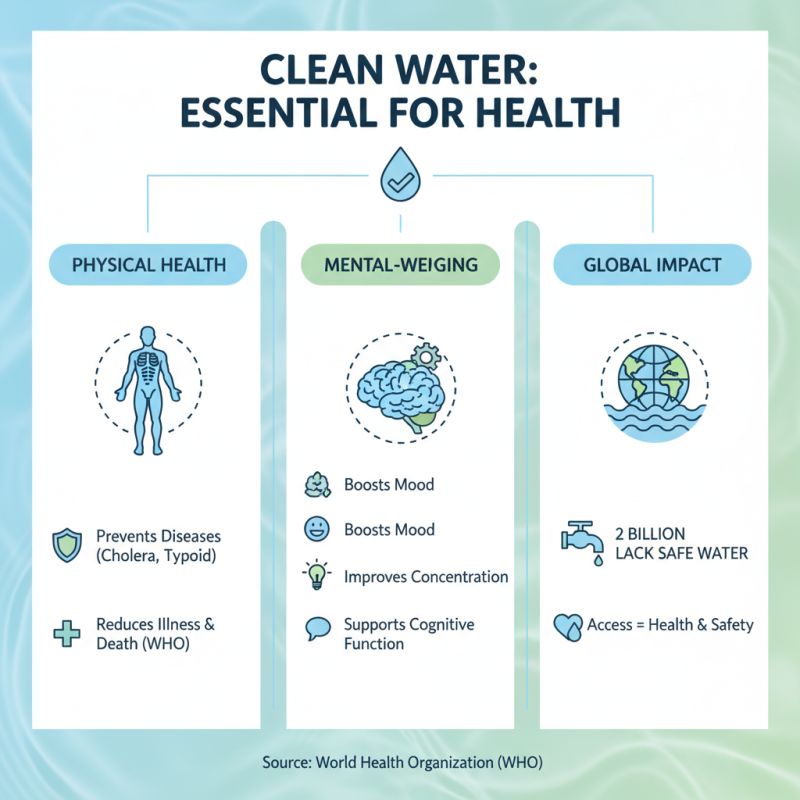
Clean drinking water is essential for overall health and well-being. The World Health Organization (WHO) states that contaminated drinking water is a significant cause of morbidity and mortality worldwide, leading to diseases such as cholera, dysentery, and typhoid fever. In fact, an estimated 2 billion people around the globe lack access to safely managed drinking water services, increasing the risk of waterborne illnesses. Access to clean water is not only vital for physical health but also for mental well-being, as dehydration can affect mood, concentration, and cognitive function.

Water filtration plays a crucial role in ensuring that the water we consume is free from harmful contaminants. According to a report by the Water Quality and Health Council, nearly 85% of households can benefit from using water filtration systems, which can significantly reduce pollutants such as lead, chlorine, and pesticides. Furthermore, filtered water can enhance hydration effectiveness, which is critical for maintaining energy levels and supporting bodily functions. For individuals seeking to improve their health and reduce the risks associated with contaminated water, investing in adequate water filtration solutions is a proactive approach to ensuring access to clean drinking water.

Types of Water Filtration Systems: Which One is Right for You?

When it comes to ensuring clean drinking water, choosing the right water filtration system is essential. There are several types of water filtration systems available, each with unique benefits that can cater to specific needs. The most common types include activated carbon filters, reverse osmosis systems, and UV purifiers. Activated carbon filters are particularly effective at removing chlorine, sediment, and volatile organic compounds (VOCs), making them a popular choice for households. According to the Water Quality Association, these systems can reduce contaminants effectively, improving taste and odor in the water.

Reverse osmosis systems provide a more thorough filtration process by forcing water through a semipermeable membrane, effectively removing heavy metals and other impurities. A study by the National Sanitation Foundation highlighted that reverse osmosis can eliminate up to 98% of common contaminants, which is crucial for those concerned about substance buildup in their drinking supply. Meanwhile, UV purifiers utilize ultraviolet light to eradicate bacteria and viruses, offering another layer of safety, especially in areas with microbiological concerns.

Selecting the right system depends on your specific water quality issues and lifestyle. For households with high sediment levels or chlorine taste, activated carbon might be sufficient, while those in areas with heavy metal pollution may benefit more from reverse osmosis systems. Understanding the unique advantages of each filtration method can empower consumers to make informed decisions about their water safety and quality.

Top Benefits of Water Filtration You Need to Know for Clean Drinking Water

Major Benefits of Water Filtration: Health, Taste, and Safety

Water filtration systems offer numerous benefits, particularly concerning health, taste, and safety. Firstly, one of the most significant health advantages of water filtration is the removal of contaminants such as chlorine, heavy metals, and bacteria. Many municipal water supplies contain traces of these substances, which can lead to various health issues over time. By installing a water filtration system, individuals can ensure their drinking water is free from harmful pollutants, thereby significantly reducing the risk of waterborne diseases and promoting overall health.

In addition to health benefits, water filtration also enhances the taste and odor of drinking water. Tap water can sometimes have a metallic or chlorine-like taste, which may discourage proper hydration. A good filtration system can effectively eliminate these unpleasant flavors, making drinking water more enjoyable. This improvement encourages individuals to drink more water daily, fostering better hydration habits. Ultimately, the enhanced safety provided by filtered water contributes to a greater sense of well-being, making it a vital aspect of maintaining a healthy lifestyle.

Environmental Impact of Water Filtration: Reducing Plastic Waste

Water filtration systems play a crucial role in reducing plastic waste, particularly in the context of our ever-growing reliance on bottled water. According to a report by the World Wildlife Fund, nearly 1 million plastic bottles are purchased every minute, contributing to more than 300 million tons of plastic waste produced annually. By utilizing water filtration methods, individuals can significantly cut down on the demand for bottled water, thereby minimizing the environmental impact associated with plastic production and disposal. This shift not only conserves resources but also helps decrease pollution in our oceans and landscapes.

Tips for reducing plastic waste: Consider investing in a quality water filtration system that suits your needs, whether it’s a pitcher filter or an under-sink unit. Additionally, incorporating a reusable water bottle into your daily routine can further decrease your plastic footprint. Research shows that using a reusable bottle instead of disposable ones can save approximately 167 plastic water bottles per person each year.

Moreover, the environmental benefits extend beyond individual usage; communities adopting water filtration systems can collectively make a substantial impact. A study from the Environmental Protection Agency highlighted that community-led water filtration initiatives could reduce the need for bottled water by up to 60%, leading to a significant drop in plastic waste. Engaging in local policies that support water filtration infrastructure can help foster a sustainable approach to drinking water and enhance overall community health.

Top Benefits of Water Filtration You Need to Know for Clean Drinking Water

Benefit Description Environmental Impact Plastic Waste Reduction
Improved Taste Water filtration removes impurities that can affect taste. Less reliance on bottled water improves local water quality. Reduces the demand for plastic water bottles.
Removal of Contaminants Effective in eliminating bacteria, lead, and chlorine. Protects ecosystems from harmful substances. Decreases overall plastic waste in landfills.
Cost-Effective Saves money compared to buying bottled water. Promotes sustainability by using fewer resources. Fewer bottles mean less plastic pollution.
Health Benefits Filtered water supports a healthier lifestyle. Reduces potential health hazards from pollutants. Encourages people to drink more water instead of sugary drinks.
Convenience Easy access to clean water at home. Promotes reduced distribution of bottled water. Less need for transportation of bottled water, reducing emissions.