Contaminant Comparison Chart

For a complete list of contaminants that PUR filters reduce, please view our Performance Data Sheets here.


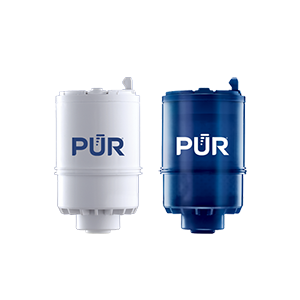
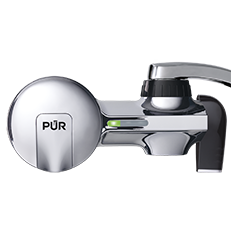
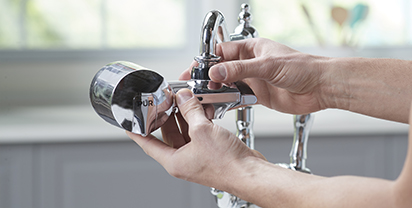
PUR & PUR PLUS FAUCET FILTERS
RF3375/RF9999

View Filters

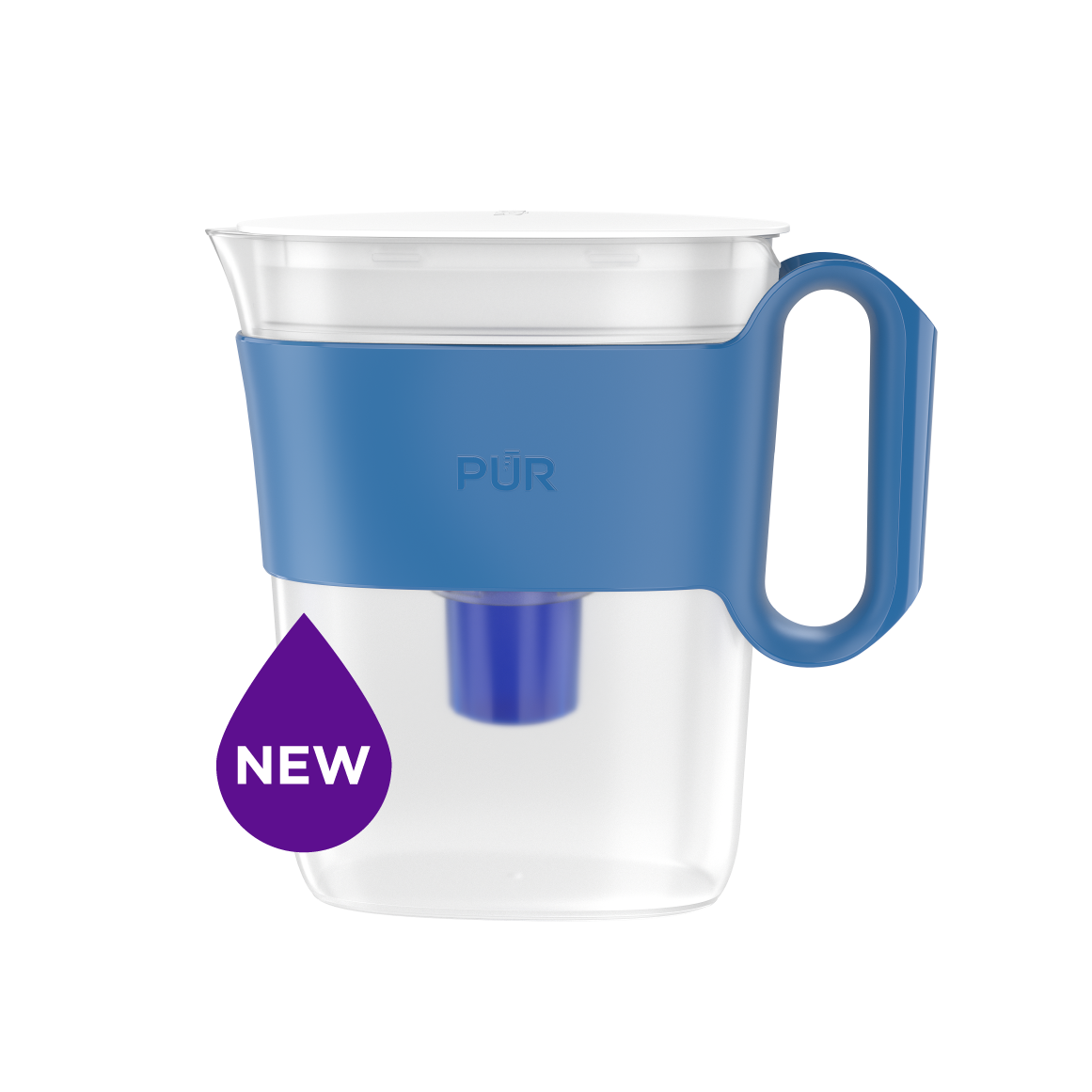
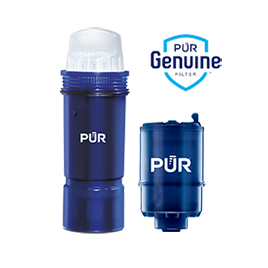
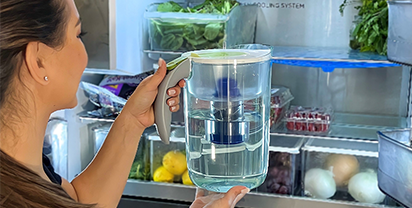
PUR PLUS PITCHER FILTERS
PPF951K

View Filter

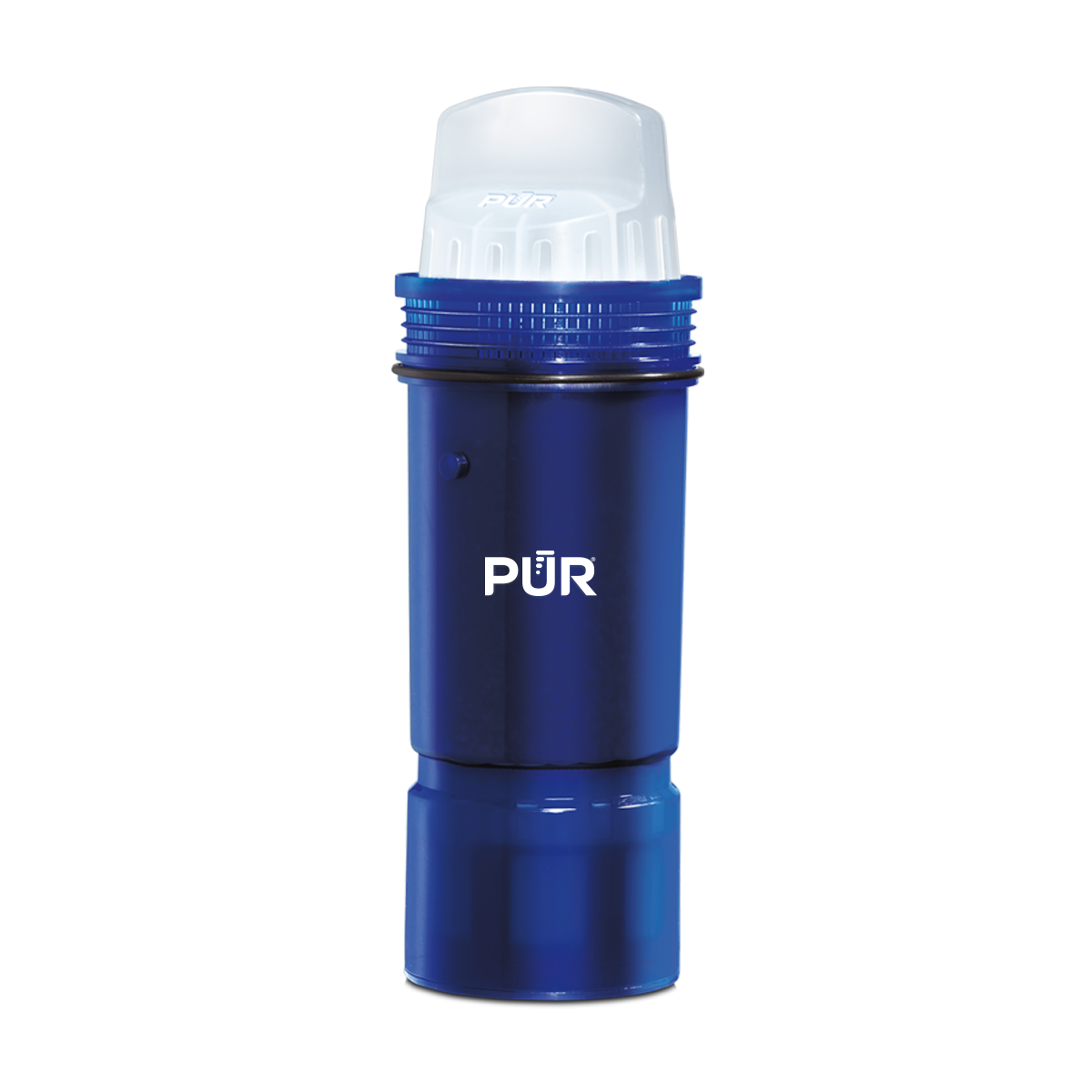
PUR BASIC PITCHER FILTERS
PPF900Z

View Filter


Vs. Brita*

Lead
Microplastics
Mercury
Chlorine Taste & Odor
DEET
TTHM

PUR’s Filtration Systems Are Certified By NSF And WQA For Their Contamination Reduction. WQA certifications as of 5/27/21 for Faucet filter models RF-3375 and RF-9999.

¹ Certified to reduce 10X more chemical and physical substances than Brita’s® leading pitcher filter.
² Certified to reduce 3X more chemical and physical substances than Brita’s® leading pitcher filter.
³ Certified to reduce 2X more chemical and physical substances than Brita’s® leading pitcher filter.
*Versus best-selling Brita® pitcher filter OB03. Brita® is a trademark of Brita LP.
**Like other leading brands, PUR does not filter microbes. As of 3/1/23 Brita® and ZeroWater® were not certified to filter microbes. Brita® is a trademark of Brita LP. ZeroWater® is a trademark of Zero Technologies, LLC..
 

PUR & PUR PLUS FAUCET FILTERS


PUR & PUR PLUS FAUCET FILTERS
RF3375/RF9999

View Filters


Vs. Brita*

Lead
Microplastics
Mercury
Chlorine Taste & Odor
DEET
TTHM

PUR’s Filtration Systems Are Certified By NSF And WQA For Their Contamination Reduction. WQA certifications as of 5/27/21 for Faucet filter models RF-3375 and RF-9999.

¹ Certified to reduce 10X more chemical and physical substances than Brita’s® leading pitcher filter.
² Certified to reduce 3X more chemical and physical substances than Brita’s® leading pitcher filter.
³ Certified to reduce 2X more chemical and physical substances than Brita’s® leading pitcher filter.
*Versus best-selling Brita® pitcher filter OB03. Brita® is a trademark of Brita LP.
**Like other leading brands, PUR does not filter microbes. As of 3/1/23 Brita® and ZeroWater® were not certified to filter microbes. Brita® is a trademark of Brita LP. ZeroWater® is a trademark of Zero Technologies, LLC..


PUR PLUS PITCHER FILTERS


PUR PLUS PITCHER FILTERS
PPF951K

View Filter


Vs. Brita*

Lead
Microplastics
Mercury
Chlorine Taste & Odor
DEET
TTHM

PUR’s Filtration Systems Are Certified By NSF And WQA For Their Contamination Reduction. WQA certifications as of 5/27/21 for Faucet filter models RF-3375 and RF-9999.

¹ Certified to reduce 10X more chemical and physical substances than Brita’s® leading pitcher filter.
² Certified to reduce 3X more chemical and physical substances than Brita’s® leading pitcher filter.
³ Certified to reduce 2X more chemical and physical substances than Brita’s® leading pitcher filter.
*Versus best-selling Brita® pitcher filter OB03. Brita® is a trademark of Brita LP.
**Like other leading brands, PUR does not filter microbes. As of 3/1/23 Brita® and ZeroWater® were not certified to filter microbes. Brita® is a trademark of Brita LP. ZeroWater® is a trademark of Zero Technologies, LLC..


PUR BASIC PITCHER FILTERS


PUR BASIC PITCHER FILTERS
PPF900Z

View Filter


Vs. Brita*

Lead
Microplastics
Mercury
Chlorine Taste & Odor
DEET
TTHM

PUR’s Filtration Systems Are Certified By NSF And WQA For Their Contamination Reduction. WQA certifications as of 5/27/21 for Faucet filter models RF-3375 and RF-9999.

¹ Certified to reduce 10X more chemical and physical substances than Brita’s® leading pitcher filter.
² Certified to reduce 3X more chemical and physical substances than Brita’s® leading pitcher filter.
³ Certified to reduce 2X more chemical and physical substances than Brita’s® leading pitcher filter.
*Versus best-selling Brita® pitcher filter OB03. Brita® is a trademark of Brita LP.
**Like other leading brands, PUR does not filter microbes. As of 3/1/23 Brita® and ZeroWater® were not certified to filter microbes. Brita® is a trademark of Brita LP. ZeroWater® is a trademark of Zero Technologies, LLC..


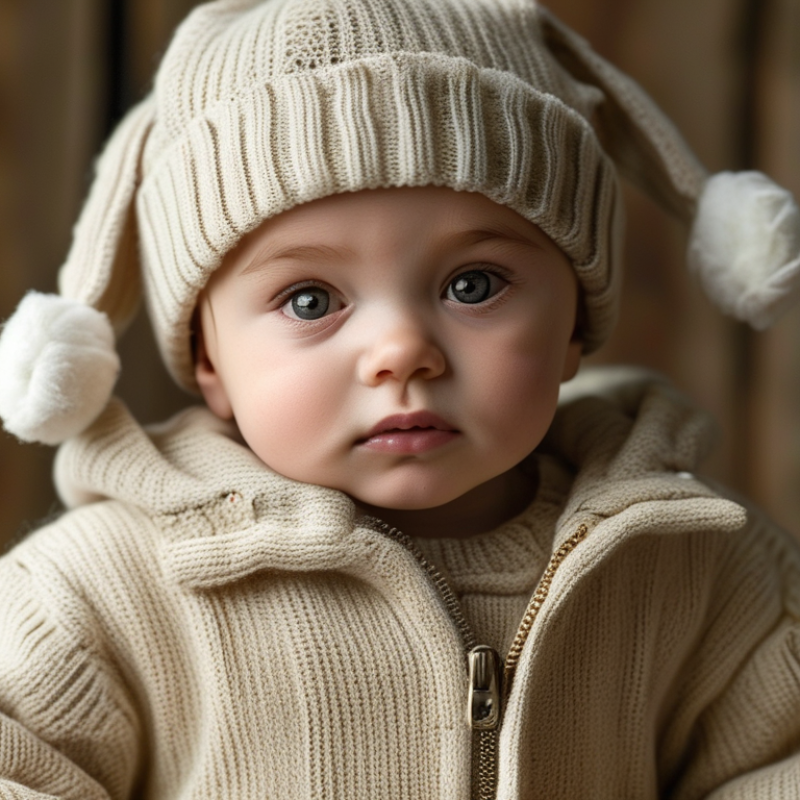
What is the Best Baby Clothes Set for Your Newborn?

Choosing the right Baby Clothes Set for your newborn is crucial. With so many options available, it can be overwhelming for new parents. Childcare expert Dr. Emily Johnson states, “A good Baby Clothes Set combines comfort, style, and functionality.” Her expertise highlights the necessity of selecting pieces that cater to a baby's delicate skin.

When looking for a Baby Clothes Set, consider fabric quality. Natural fibers like cotton are breathable and gentle. Avoid synthetic materials that may irritate your baby's skin. Additionally, think about practicality. Outfits with easy snaps or zippers can make diaper changes less stressful. However, parents often overlook these practical aspects in favor of aesthetics.

There's also the challenge of choosing the right sizes. Babies grow quickly, so selecting sizes that allow for some growth is essential. However, remember that not all brands size their clothes the same way. Trial and error may be necessary to find a perfect fit. Reflecting on these considerations can help parents make the best decisions for their newborn’s wardrobe.

What is the Best Baby Clothes Set for Your Newborn?

What to Look for in Baby Clothes: Fabric, Fit, and Functionality

Choosing the best baby clothes set for your newborn can be overwhelming. Understanding the right fabric, fit, and functionality is key. Prioritize soft, breathable materials like cotton. This ensures comfort for your baby’s sensitive skin. Avoid synthetic fabrics, as they can cause irritation.

Fit is vital. Clothes should be snug but not too tight. Newborns grow rapidly. Hence, consider adjustable features like snap buttons and stretchy waistbands. This makes dressing easier and provides room for growth. Don’t underestimate the importance of functionality. Choose outfits that allow easy diaper changes. This can save you time and hassle.

Tips: Always check for labels that indicate machine washability. Quick-drying clothes are a plus, especially for busy parents. Pay attention to the seams; they should be flat to avoid irritation. Reflect on your choices often, as preferences change with your baby’s needs. Making informed decisions will lead to a happier experience for both of you.

Essential Features of Baby Clothing Sets for Newborn Comfort

Choosing the right baby clothes set for your newborn can be overwhelming. It is crucial to focus on essential features that ensure comfort and usability. Prioritize fabrics that are soft and gentle on the baby’s delicate skin. Natural materials like cotton are ideal. They allow for breathability, keeping the child comfortable.

Fit is another key consideration. Look for adjustable features, such as snaps or stretchy waistbands. These elements can accommodate a growing baby. You may want to consider sets with built-in mittens to prevent scratching. Remember, quick changes are essential for new parents. Clothing that opens wide or has easy access features can save precious time during diaper changes.

When selecting a baby clothes set, safety must also be paramount. Avoid clothing with small buttons or ties that could pose choking hazards. Reflect on your choices. Are the designs practical for everyday wear? These thoughtful considerations will help ensure that your baby stays comfy and secure. Balancing aesthetic appeal with functionality can be a challenge, but it is worth the effort.

Comparative Analysis of Material Types: Cotton, Bamboo, and Synthetic Fabrics

When selecting clothes for your newborn, material matters. Cotton is a popular choice due to its softness, breathability, and hypoallergenic properties. According to a report by the American Academy of Pediatrics, about 70% of parents prefer cotton for its comfort, which is vital for sensitive skin. Cotton is highly absorbent, allowing moisture away from the skin, keeping your baby dry and comfortable.

Bamboo fabric is gaining attention for baby clothing. It is naturally antibacterial and highly breathable. Reports indicate that bamboo can reduce skin irritations by up to 40%. Many parents find bamboo clothes satisfyingly soft, making them ideal for delicate newborn skin. However, bamboo processing can vary, raising questions about its environmental impact.

Synthetic fabrics offer durability but may trap heat and moisture. Some contain chemicals that can irritate sensitive skin. A study by the Environmental Working Group reveals that children’s exposure to certain synthetic textiles can lead to allergic reactions. Therefore, while durability is appealing, the health impacts must be considered.

Tips: Always check labels when choosing baby clothes. Look for certifications that guarantee the absence of harmful chemicals. Also, consider how often you'll need to wash your baby's clothes. The right material can influence washing frequency and ease of care.

The Importance of Size and Growth Considerations in Baby Clothes

Choosing the right baby clothes set for your newborn can be daunting. Focus on size and growth. Infants grow quickly; they may outgrow clothes within weeks. According to a report by the American Academy of Pediatrics, infants can gain about 1.5 to 2 pounds per month during their first six months. This rapid growth highlights the importance of selecting the right size.

When selecting clothes, ensure they fit well but allow some room for growth. Clothes that are too tight can cause discomfort, while oversized clothing may pose safety risks, especially with loose fabrics near the face. Aim for a balance between comfort and style. Simple designs can ease dressing and undressing.

Tips: Always check size charts before buying. Measure your baby’s weight and length accurately. Layering clothes can help adjust for fluctuating temperatures. Remember, comfort is key. A well-fitting outfit can make your baby happier and facilitate a peaceful day. Ultimately, a thoughtful approach to size can positively impact your baby's early experiences with clothing.

What is the Best Baby Clothes Set for Your Newborn? - The Importance of Size and Growth Considerations in Baby Clothes

Clothes Set Size Range (Months) Material Growth Consideration Features
Bodysuit Set 0-3 Cotton Stretchy fabric for comfort Snap closures
Pajama Set 3-6 Bamboo rayon Breathable for warmer nights Tagless design
Mix and Match Set 6-12 Organic cotton Allows for layering Versatile styles
Winter Suit 0-3 Fleece Extra warmth for cold weather Hood and cuffs for added coverage
Dress-up Outfit 12-18 Cotton blend Stylish for special occasions Easy on and off

Expert Recommendations on Safe and Stylish Baby Clothing Brands

When selecting baby clothes for your newborn, safety and style are paramount. Studies show that over 70% of parents prioritize fabric safety when purchasing baby clothes. Natural materials, such as organic cotton, are often recommended. These materials reduce the risk of skin irritation and allergies, ensuring comfort for delicate skin.

Choosing the right size is crucial. Many new parents underestimate how quickly their baby will grow. According to industry data, newborns typically outgrow their clothes within the first few months. It’s advisable to look for adjustable features like stretchy waistbands and snap closures. This allows clothing to accommodate growth spurts without needing to repurchase items constantly.

A significant consideration is breathability and ease of cleaning. Baby clothes should allow for airflow to prevent overheating, which has been linked to Sudden Infant Death Syndrome (SIDS). Additionally, easy-care fabrics save time for busy parents. Experts recommend washing new clothes before the first wear. This reduces exposure to chemicals from manufacturing. Keeping these factors in mind will help in making informed choices for your newborn’s wardrobe.

Best Baby Clothes Set for Your Newborn