
Contaminant Comparison Chart

For a complete list of contaminants that PUR filters reduce, please view our Performance Data Sheets here.


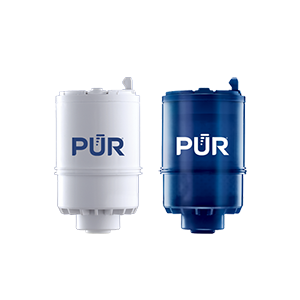
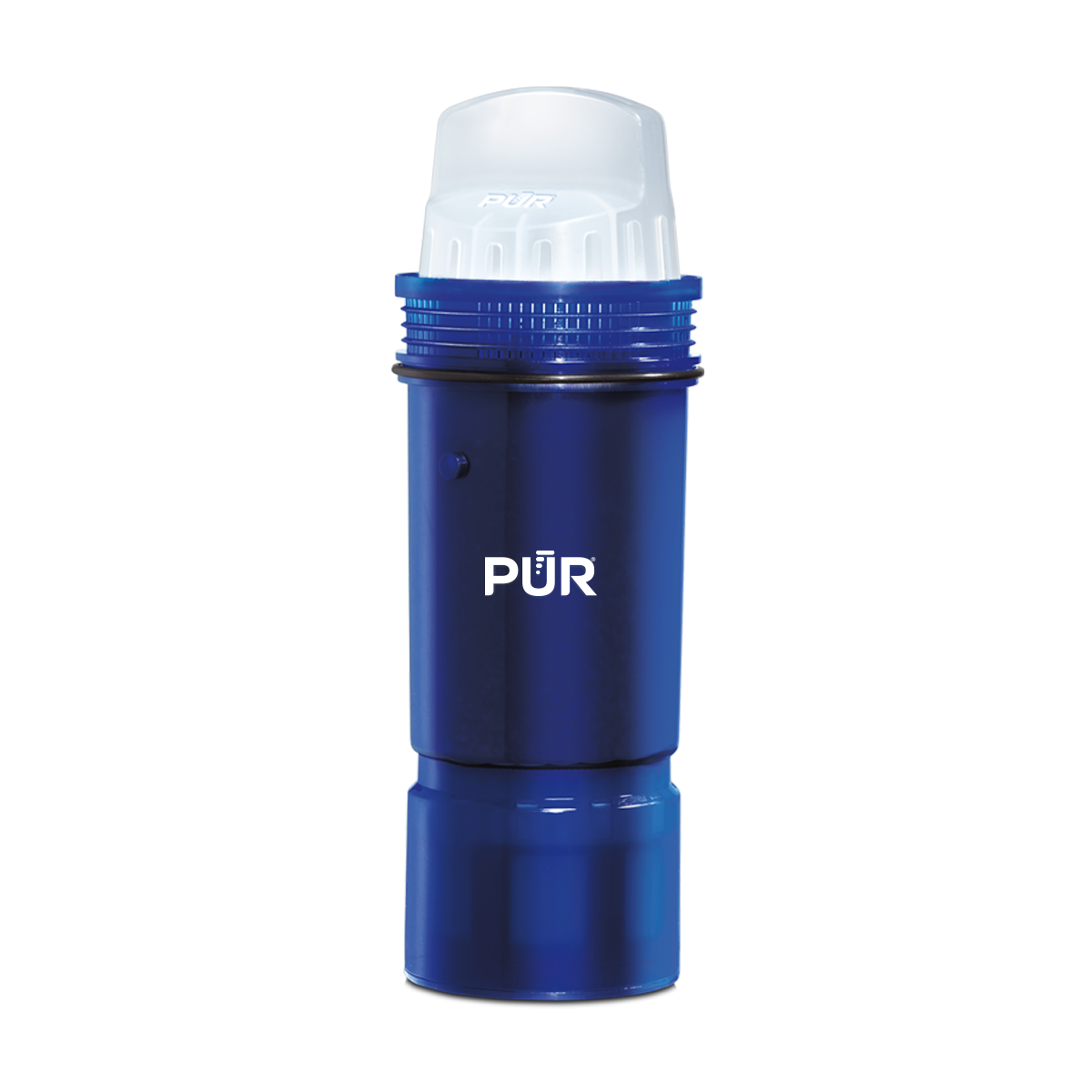
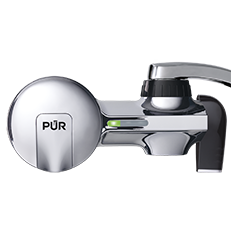
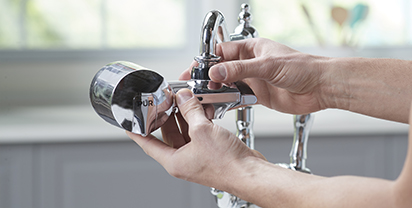
PUR & PUR PLUS FAUCET FILTERS
RF3375/RF9999

View Filters

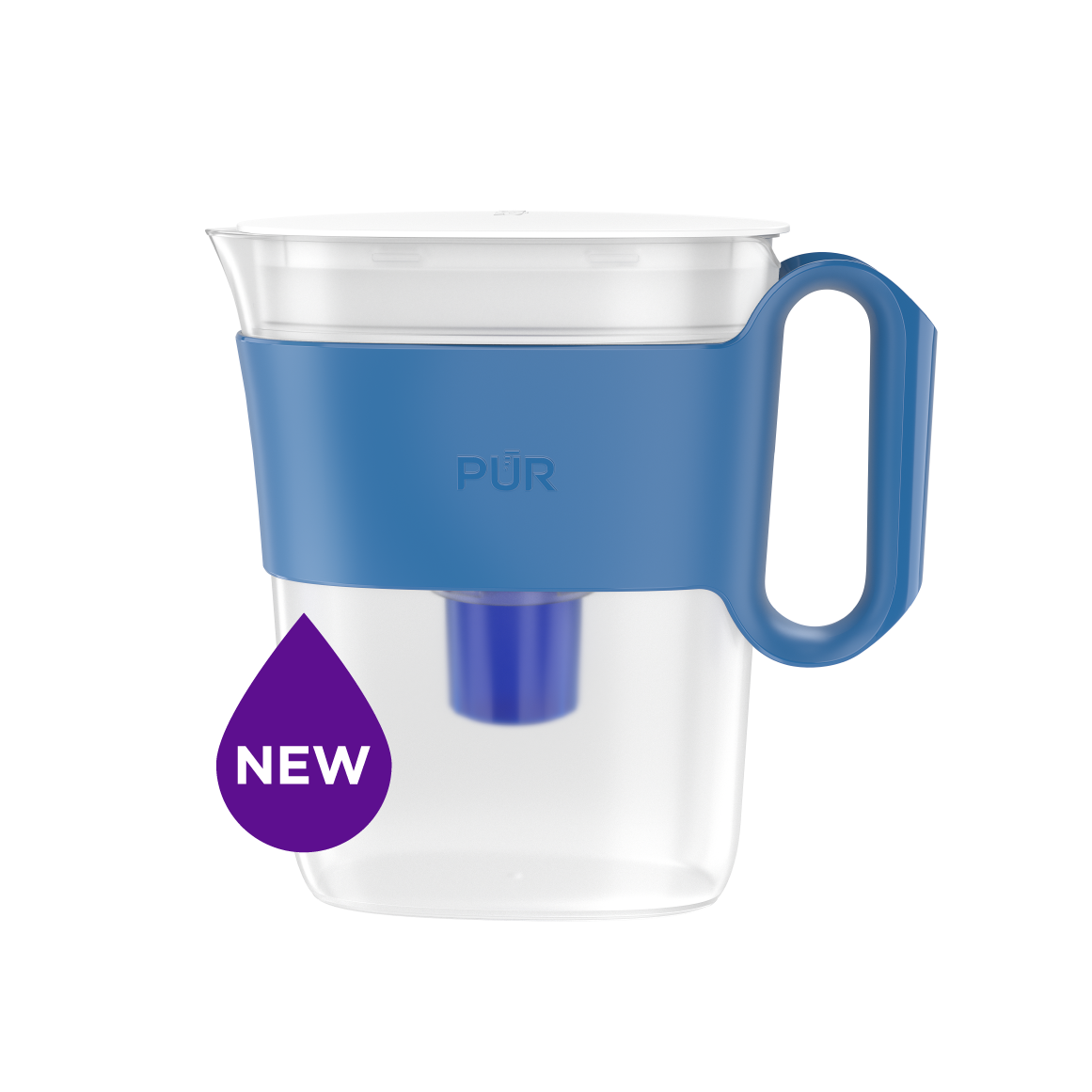
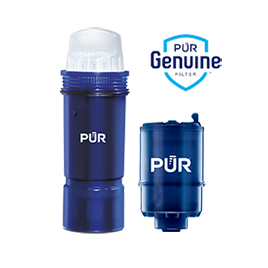
PUR PLUS PITCHER FILTERS
PPF951K

View Filter

PUR BASIC PITCHER FILTERS
PPF900Z

View Filter


Vs. Brita*

Lead
Microplastics
Mercury
Chlorine Taste & Odor
DEET
TTHM

PUR’s Filtration Systems Are Certified By NSF And WQA For Their Contamination Reduction. WQA certifications as of 5/27/21 for Faucet filter models RF-3375 and RF-9999.

¹ Certified to reduce 10X more chemical and physical substances than Brita’s® leading pitcher filter.
² Certified to reduce 3X more chemical and physical substances than Brita’s® leading pitcher filter.
³ Certified to reduce 2X more chemical and physical substances than Brita’s® leading pitcher filter.
*Versus best-selling Brita® pitcher filter OB03. Brita® is a trademark of Brita LP.
**Like other leading brands, PUR does not filter microbes. As of 3/1/23 Brita® and ZeroWater® were not certified to filter microbes. Brita® is a trademark of Brita LP. ZeroWater® is a trademark of Zero Technologies, LLC..
 

PUR & PUR PLUS FAUCET FILTERS


PUR & PUR PLUS FAUCET FILTERS
RF3375/RF9999

View Filters


Vs. Brita*

Lead
Microplastics
Mercury
Chlorine Taste & Odor
DEET
TTHM

PUR’s Filtration Systems Are Certified By NSF And WQA For Their Contamination Reduction. WQA certifications as of 5/27/21 for Faucet filter models RF-3375 and RF-9999.

¹ Certified to reduce 10X more chemical and physical substances than Brita’s® leading pitcher filter.
² Certified to reduce 3X more chemical and physical substances than Brita’s® leading pitcher filter.
³ Certified to reduce 2X more chemical and physical substances than Brita’s® leading pitcher filter.
*Versus best-selling Brita® pitcher filter OB03. Brita® is a trademark of Brita LP.
**Like other leading brands, PUR does not filter microbes. As of 3/1/23 Brita® and ZeroWater® were not certified to filter microbes. Brita® is a trademark of Brita LP. ZeroWater® is a trademark of Zero Technologies, LLC..


PUR PLUS PITCHER FILTERS


PUR PLUS PITCHER FILTERS
PPF951K

View Filter


Vs. Brita*

Lead
Microplastics
Mercury
Chlorine Taste & Odor
DEET
TTHM

PUR’s Filtration Systems Are Certified By NSF And WQA For Their Contamination Reduction. WQA certifications as of 5/27/21 for Faucet filter models RF-3375 and RF-9999.

¹ Certified to reduce 10X more chemical and physical substances than Brita’s® leading pitcher filter.
² Certified to reduce 3X more chemical and physical substances than Brita’s® leading pitcher filter.
³ Certified to reduce 2X more chemical and physical substances than Brita’s® leading pitcher filter.
*Versus best-selling Brita® pitcher filter OB03. Brita® is a trademark of Brita LP.
**Like other leading brands, PUR does not filter microbes. As of 3/1/23 Brita® and ZeroWater® were not certified to filter microbes. Brita® is a trademark of Brita LP. ZeroWater® is a trademark of Zero Technologies, LLC..


PUR BASIC PITCHER FILTERS


PUR BASIC PITCHER FILTERS
PPF900Z

View Filter


Vs. Brita*

Lead
Microplastics
Mercury
Chlorine Taste & Odor
DEET
TTHM

PUR’s Filtration Systems Are Certified By NSF And WQA For Their Contamination Reduction. WQA certifications as of 5/27/21 for Faucet filter models RF-3375 and RF-9999.

¹ Certified to reduce 10X more chemical and physical substances than Brita’s® leading pitcher filter.
² Certified to reduce 3X more chemical and physical substances than Brita’s® leading pitcher filter.
³ Certified to reduce 2X more chemical and physical substances than Brita’s® leading pitcher filter.
*Versus best-selling Brita® pitcher filter OB03. Brita® is a trademark of Brita LP.
**Like other leading brands, PUR does not filter microbes. As of 3/1/23 Brita® and ZeroWater® were not certified to filter microbes. Brita® is a trademark of Brita LP. ZeroWater® is a trademark of Zero Technologies, LLC..


Discover the Best Chevron Flooring Options for Global Buyers

Chevron flooring is gaining traction among homeowners and designers worldwide. Renowned flooring expert Jane Smith highlights that "Chevron patterns create a sense of dynamic movement in any space." This flooring style has become a favorite choice due to its timeless appeal and versatility. Recent industry reports show that the global demand for Chevron flooring is expected to grow at a CAGR of 7% over the next five years.

Choosing the right Chevron flooring involves understanding material options, maintenance requirements, and design compatibility. Many buyers overlook the importance of selecting high-quality materials, leading to dissatisfaction and premature wear. A well-informed decision can elevate the aesthetics of a home while ensuring longevity. Considering the patterns and finishes is crucial in achieving the desired ambiance.

Ultimately, the variety of Chevron flooring options can cater to diverse tastes. However, homeowners need to research and reflect before purchasing. Understanding designs, materials, and installation processes will lead to a more satisfactory investment. In a market rich with choices, making the right decision is vital for achieving a balance between form and function.

Discover the Best Chevron Flooring Options for Global Buyers

Understanding Chevron Flooring: A Historical Perspective and Trends

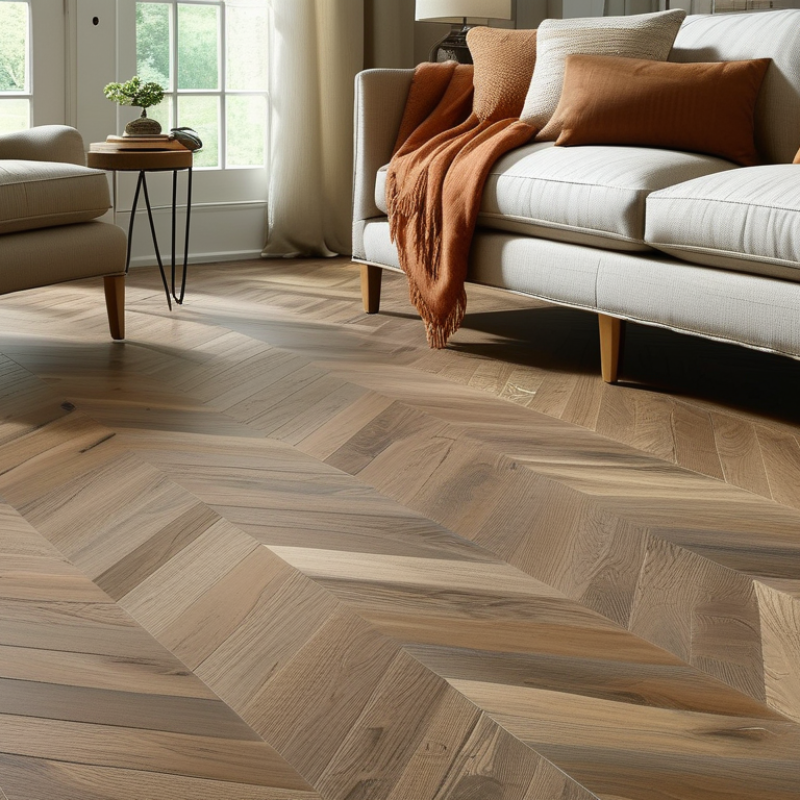
Chevron flooring has a rich history that dates back centuries. This distinctive pattern, characterized by its V-shaped design, originated in French palaces. Historically, chevron flooring symbolized luxury and sophistication. Crafted from wood, it was often used in grand estates. The style has evolved but retains its classic appeal.

In recent trends, artisans and manufacturers have embraced modern materials. Today, you can find chevron patterns in laminate, vinyl, and even tile. The versatility of these materials allows for more creative designs. Many buyers appreciate the warm, inviting feel of wood, while others lean towards the practicality of engineered options. Still, some may worry about maintenance and durability.

Global buyers are drawn to the stylish yet timeless nature of chevron flooring. The patterns can enhance any space, offering a unique aesthetic. Yet, it can be challenging to choose the perfect option. A good floor will withstand the test of time, but not all options meet these needs. Reflection on your lifestyle is essential when making a decision.

Key Materials Used in Chevron Flooring: Pros and Cons Explained

Chevron flooring offers a stylish, modern look that appeals to many global buyers. This popular design features a distinct pattern made from various materials. Understanding the pros and cons of these materials can help in making informed decisions.

Wood is a classic choice for chevron flooring. It provides warmth and a timeless aesthetic. However, wood can be susceptible to scratches and moisture damage. Regular maintenance is essential to keep it looking pristine. Engineered wood offers similar visuals but with enhanced durability. It resists temperature fluctuations better than solid wood.

For a contemporary twist, consider laminate or luxury vinyl. These options are budget-friendly and easy to install. They mimic natural materials well but may not provide the same long-term value. It's important to weigh quality against cost when selecting these alternatives.

**Tip:** Always check the warranty associated with your flooring choice. A long warranty usually indicates quality and durability.

Textured tiles also emerge as an interesting option. They add dimension and are less likely to show wear and tear. However, grouted tiles require more cleaning and may feel colder underfoot.

**Tip:** Try combining different materials for a unique look. It’s a creative way to balance aesthetics and practicality.

Market Analysis: Global Demand for Chevron Flooring Options

The global demand for chevron flooring has seen significant growth in recent years. This trend is driven by the increasing preference for stylish, geometric designs in home and commercial spaces. Chevron patterns offer a unique visual appeal, setting them apart from traditional straight plank flooring.

Experts highlight the versatility of chevron flooring in various settings. It suits urban apartments, rustic homes, and chic offices alike. However, not all markets respond equally to this trend. In some regions, consumers prioritize cost over aesthetics. This presents challenges for suppliers aiming to meet diverse buyer needs.

Sustainability is another factor influencing market demand. Eco-conscious buyers seek flooring options with low environmental impact. Yet, not all chevron designs are created with sustainable materials. This raises questions about reliability for environmentally minded consumers. The market's evolution continues, as sellers must adapt to shifting priorities in design, cost, and sustainability.

Sustainability in Chevron Flooring: Eco-friendly Materials and Practices

Sustainability is becoming a driving force in the flooring industry. More global buyers seek eco-friendly chevron flooring options. According to a 2022 report by the World Green Building Council, buildings account for nearly 40% of global carbon emissions. The need for sustainable materials has never been more pressing.

Chevron flooring options made from recycled wood and bamboo are gaining popularity. Bamboo, for example, can grow up to 36 inches in 24 hours. It is a renewable resource, making it a smart choice for environmentally conscious consumers. Studies show that bamboo flooring can reduce carbon footprint by approximately 35%.

However, it's important to approach sustainability with a critical eye. Not all eco-friendly claims are created equal. Some products labeled as sustainable may still involve harmful manufacturing practices. Transparency in sourcing and production is crucial. It is essential for buyers to investigate certifications and reputable suppliers before making decisions.

Comparative Pricing: Evaluating Chevron Flooring Costs Across Regions

When considering chevron flooring options globally, pricing varies significantly. In Europe, costs reflect local craftsmanship and material quality. Prices can range from moderate to high for premium installations. Texture and finish also influence costs. Buyers may prioritize design over budget, impacting their choices.

In North America, prices are generally competitive but can fluctuate. Many consumers favor engineered wood for its affordability and durability. This often leads to a compromise on aesthetics compared to solid wood. Choosing the right installation method can also affect overall expenses.

Asian markets present unique challenges with sourcing. Importing materials can inflate prices. However, local alternatives often provide viable options. Buyers should be aware of the trade-offs between cost and quality. Understanding these nuances helps in making informed decisions that fit their budgets and tastes.