Contaminant Comparison Chart

For a complete list of contaminants that PUR filters reduce, please view our Performance Data Sheets here.


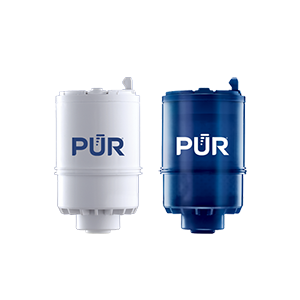
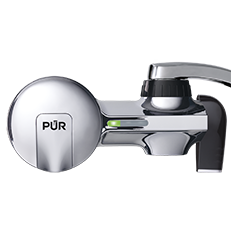
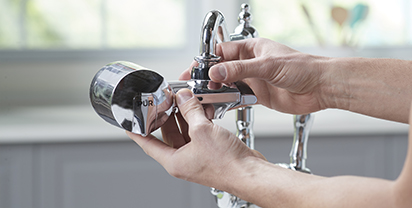
PUR & PUR PLUS FAUCET FILTERS
RF3375/RF9999

View Filters

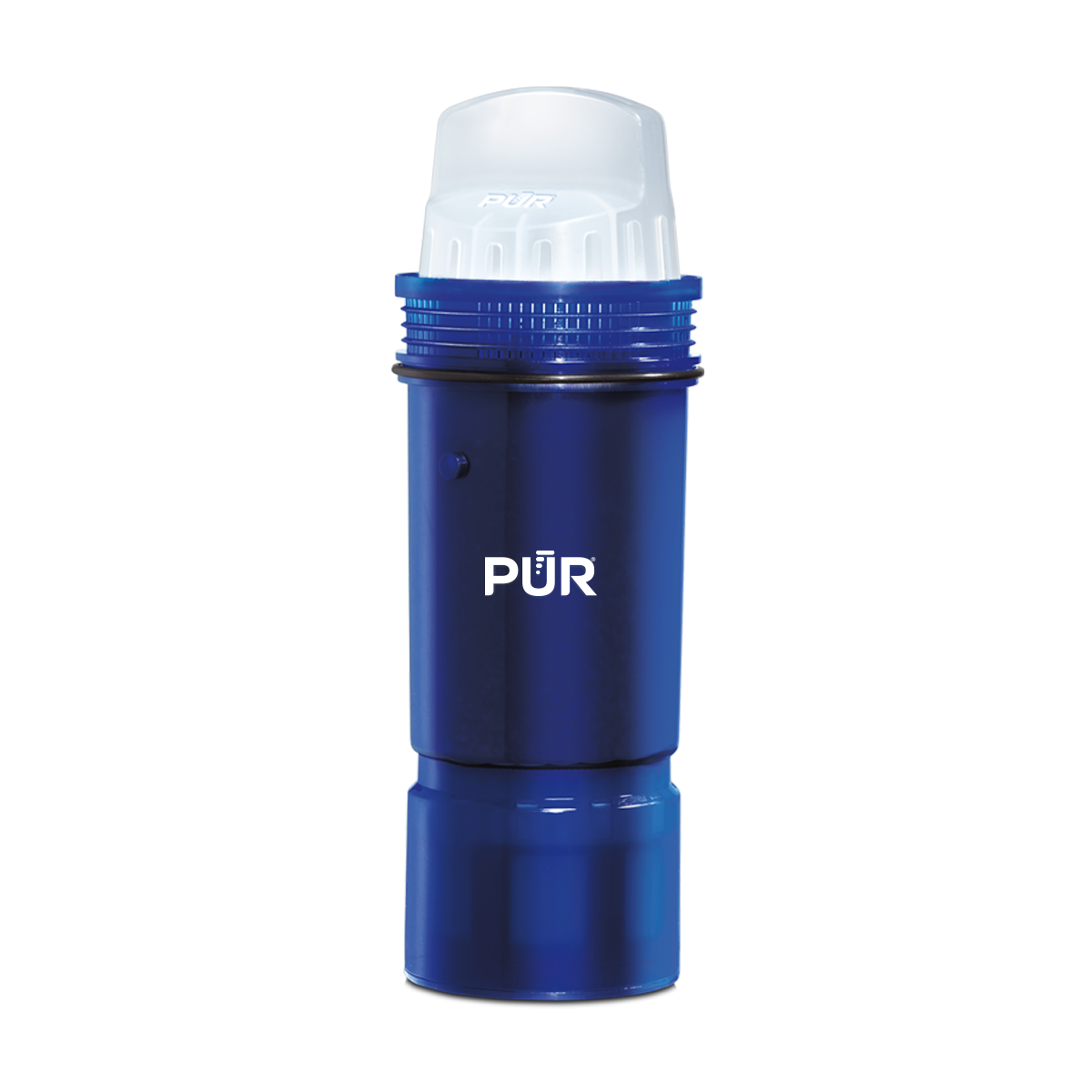
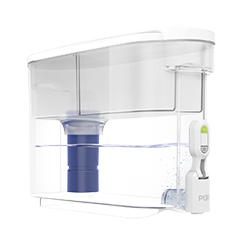
PUR PLUS PITCHER FILTERS
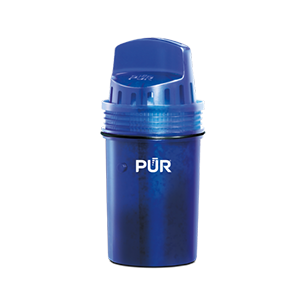
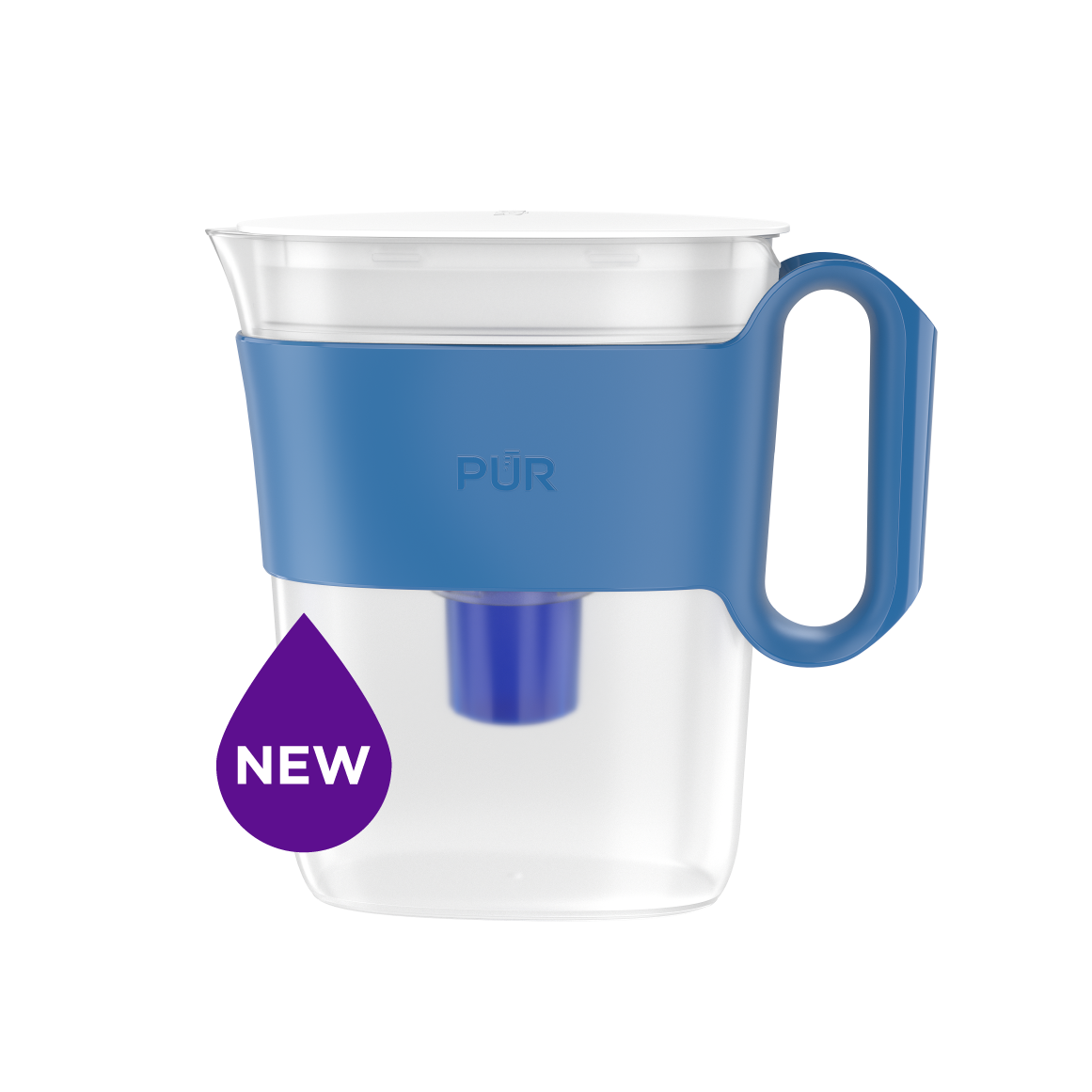
PPF951K

View Filter

PUR BASIC PITCHER FILTERS
PPF900Z

View Filter


Vs. Brita*

Lead
Microplastics
Mercury
Chlorine Taste & Odor
DEET
TTHM

PUR’s Filtration Systems Are Certified By NSF And WQA For Their Contamination Reduction. WQA certifications as of 5/27/21 for Faucet filter models RF-3375 and RF-9999.

¹ Certified to reduce 10X more chemical and physical substances than Brita’s® leading pitcher filter.
² Certified to reduce 3X more chemical and physical substances than Brita’s® leading pitcher filter.
³ Certified to reduce 2X more chemical and physical substances than Brita’s® leading pitcher filter.
*Versus best-selling Brita® pitcher filter OB03. Brita® is a trademark of Brita LP.
**Like other leading brands, PUR does not filter microbes. As of 3/1/23 Brita® and ZeroWater® were not certified to filter microbes. Brita® is a trademark of Brita LP. ZeroWater® is a trademark of Zero Technologies, LLC..
 

PUR & PUR PLUS FAUCET FILTERS


PUR & PUR PLUS FAUCET FILTERS
RF3375/RF9999

View Filters


Vs. Brita*

Lead
Microplastics
Mercury
Chlorine Taste & Odor
DEET
TTHM

PUR’s Filtration Systems Are Certified By NSF And WQA For Their Contamination Reduction. WQA certifications as of 5/27/21 for Faucet filter models RF-3375 and RF-9999.

¹ Certified to reduce 10X more chemical and physical substances than Brita’s® leading pitcher filter.
² Certified to reduce 3X more chemical and physical substances than Brita’s® leading pitcher filter.
³ Certified to reduce 2X more chemical and physical substances than Brita’s® leading pitcher filter.
*Versus best-selling Brita® pitcher filter OB03. Brita® is a trademark of Brita LP.
**Like other leading brands, PUR does not filter microbes. As of 3/1/23 Brita® and ZeroWater® were not certified to filter microbes. Brita® is a trademark of Brita LP. ZeroWater® is a trademark of Zero Technologies, LLC..
 

PUR PLUS PITCHER FILTERS


PUR PLUS PITCHER FILTERS
PPF951K

View Filter


Vs. Brita*

Lead
Microplastics
Mercury
Chlorine Taste & Odor
DEET
TTHM

PUR’s Filtration Systems Are Certified By NSF And WQA For Their Contamination Reduction. WQA certifications as of 5/27/21 for Faucet filter models RF-3375 and RF-9999.

¹ Certified to reduce 10X more chemical and physical substances than Brita’s® leading pitcher filter.
² Certified to reduce 3X more chemical and physical substances than Brita’s® leading pitcher filter.
³ Certified to reduce 2X more chemical and physical substances than Brita’s® leading pitcher filter.
*Versus best-selling Brita® pitcher filter OB03. Brita® is a trademark of Brita LP.
**Like other leading brands, PUR does not filter microbes. As of 3/1/23 Brita® and ZeroWater® were not certified to filter microbes. Brita® is a trademark of Brita LP. ZeroWater® is a trademark of Zero Technologies, LLC..
 

PUR BASIC PITCHER FILTERS


PUR BASIC PITCHER FILTERS
PPF900Z

View Filter


Vs. Brita*

Lead
Microplastics
Mercury
Chlorine Taste & Odor
DEET
TTHM

PUR’s Filtration Systems Are Certified By NSF And WQA For Their Contamination Reduction. WQA certifications as of 5/27/21 for Faucet filter models RF-3375 and RF-9999.

¹ Certified to reduce 10X more chemical and physical substances than Brita’s® leading pitcher filter.
² Certified to reduce 3X more chemical and physical substances than Brita’s® leading pitcher filter.
³ Certified to reduce 2X more chemical and physical substances than Brita’s® leading pitcher filter.
*Versus best-selling Brita® pitcher filter OB03. Brita® is a trademark of Brita LP.
**Like other leading brands, PUR does not filter microbes. As of 3/1/23 Brita® and ZeroWater® were not certified to filter microbes. Brita® is a trademark of Brita LP. ZeroWater® is a trademark of Zero Technologies, LLC..
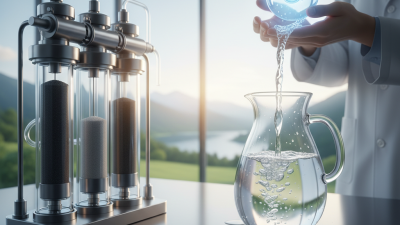
 

Best Countertop Water Filter Solutions for Clean Drinking Water?

Access to clean drinking water is crucial for health. Many people rely on countertop water filters to improve water quality. According to the Water Quality Association, about 40% of U.S. households use point-of-use water treatment systems. These filters effectively remove contaminants like lead and chlorine.

Expert John Smith, a water quality consultant, states, "A countertop water filter can significantly improve your drinking water quality." His insights highlight the growing importance of these systems in everyday life. However, not all filters are created equal. Some models may not effectively reduce harmful substances. Therefore, careful evaluation is essential.

While countertop water filters offer convenience and improved water taste, limitations exist. Filters need regular maintenance, and users must be aware of their specific filtration needs. Choosing the right filter can be overwhelming due to numerous options available. Keeping informed is vital to ensure you select a suitable solution for clean drinking water.

Best Countertop Water Filter Solutions for Clean Drinking Water?

Overview of Countertop Water Filters and Their Importance

Countertop water filters are essential for ensuring clean drinking water. According to the World Health Organization, nearly 2 billion people lack access to safe drinking water. This highlights the urgent need for effective filtration solutions in homes. By using countertop filters, individuals can reduce contaminants like lead and chlorine. Reports indicate that some filters can remove up to 99% of harmful substances.

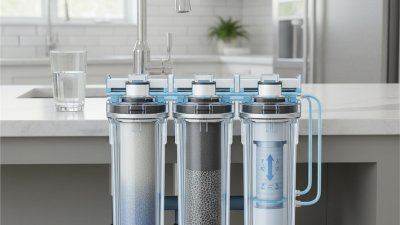
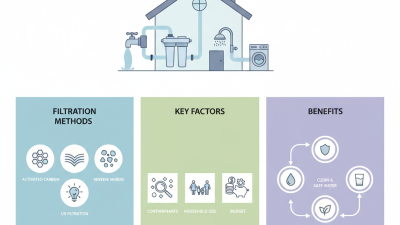
The functionality of these filters can vary. Some rely on activated carbon, while others use reverse osmosis technology. Each method has strengths and weaknesses. For example, activated carbon filters excel at removing odors but may not eliminate all heavy metals. Reverse osmosis systems, on the other hand, offer extensive purification but waste more water during the filtration process. Consumers should be aware of these trade-offs when choosing a system.

Though countertop water filters significantly improve water quality, they are not a cure-all solution. Regular maintenance and filter replacements are crucial for optimal performance. Neglecting these tasks can lead to reduced efficacy. Education on filter lifespan and replacement indicators remains insufficient. Continued research and consumer awareness are vital for ensuring everyone has access to clean water.

Types of Countertop Water Filters: An In-Depth Comparison

When considering countertop water filters, understanding the different types is crucial. There are various filtration systems available, each with unique features. For instance, carbon filters are popular for their ability to remove chlorine, sediment, and some heavy metals. They improve taste and odor, enhancing everyday drinking water quality. However, they don't eliminate all contaminants effectively.

Reverse osmosis systems are another option. These filters use a semi-permeable membrane to remove a wide range of impurities. They can effectively reduce salt, heavy metals, and viruses. Despite their thorough filtration process, they may waste more water than other systems. Additionally, they can be slow and require maintenance.

Ceramic filters offer a different approach. They use a porous ceramic element to filter out bacteria and sediment. While they are effective for microbial contaminants, they lack the ability to remove chemicals like chlorine and heavy metals. This variety in effectiveness highlights the importance of selecting a filter based on specific water quality needs. Understanding these differences can lead to more informed choices about clean drinking water solutions.

Key Features to Consider When Choosing a Countertop Water Filter

When searching for a countertop water filter, certain features really stand out. First, consider the filtration technology. Options include activated carbon, reverse osmosis, and UV purification. Each method has unique advantages. For instance, activated carbon is effective at removing chlorine and improving taste, while reverse osmosis targets heavy metals.

Look for filters with easy installation and maintenance. A user-friendly design can save hassle. Ensure that the filter replacement is straightforward. This makes it easy to keep your system running efficiently. Many systems have indicator lights to show when replacements are needed.

Tip: Always check the filter's certification. Look for third-party testing to ensure it meets health standards. This adds a layer of assurance about its effectiveness. Also, consider your water source. Different levels of contamination might mean different needs for filtration. While many filters claim versatility, some may not perform well with specific contaminants.

Finally, reflect on your budget. High-end systems may offer advanced filtration but often come with a hefty price tag. Weigh your needs against your resources before making a choice.

Best Countertop Water Filter Solutions for Clean Drinking Water

Filter Type Filtration Capacity (gallons) Contaminants Removed Installation Type Price Range (USD)
Activated Carbon 1000 Chlorine, VOCs Countertop 50-150
Reverse Osmosis 600 Lead, Nitrates, Fluoride Countertop 150-300
Ceramic Filtration 500 Bacteria, Sediment Countertop 40-100
UV Filtration 2000 Bacteria, Viruses Countertop 200-450

Installation Process and Maintenance Tips for Optimal Performance

When installing a countertop water filter, proper setup is crucial for effectiveness. Begin by ensuring a secure connection to your faucet. According to the Water Quality Association, nearly 45% of American households use some form of water treatment. A clear understanding of the installation process ensures optimal performance. Utilize provided instructions or instructional videos for guidance. Even minor misalignments can lead to leaks and decreased filtration efficiency.

Maintenance is equally vital. Regular filter changes are recommended, typically every six months. The NSF International advises monitoring filter conditions. Some systems might require more frequent replacements depending on usage. Regular cleaning of the unit can prevent buildup, which may compromise the water quality. Pay attention to any changes in taste or flow rate, as these can indicate the need for maintenance. Ignoring these signs could lead to consuming contaminated water.

While countertop filters are effective, they are not foolproof. Feelings of uncertainty may arise if not understanding the filtration process fully. Engage with reputable sources to educate yourself further. The effectiveness of any water filter depends on its proper installation and consistent maintenance, aligning with the latest industry standards.

Best Countertop Water Filter Solutions for Clean Drinking Water

This chart displays customer satisfaction percentages for various countertop water filter solutions. Activated carbon and reverse osmosis systems are the most preferred choices among consumers, highlighting their effectiveness in providing clean drinking water.

Cost-Effectiveness and Long-Term Benefits of Using Countertop Filters

When considering countertop water filters, cost-effectiveness plays a significant role. These systems often lower the expenses associated with bottled water. Instead of relying on single-use plastic bottles, families can benefit from fresh, filtered water at home. This not only saves money but also reduces environmental impact.

The long-term benefits of using countertop filters are noteworthy. They provide consistent access to clean drinking water without frequent replacements. Moreover, these filters can improve the taste and odor of tap water. Many users report a noticeable difference after starting to use a countertop system.

Tips to keep in mind: Regular maintenance is crucial. Schedule routine checks to ensure optimal performance. Another tip is to monitor water quality. Some filters indicate when they need replacement. Lastly, research different filtration methods. Understanding what contaminants your water contains helps in selecting the right filter. Each of these steps can enhance your drinking experience.