Contaminant Comparison Chart

For a complete list of contaminants that PUR filters reduce, please view our Performance Data Sheets here.


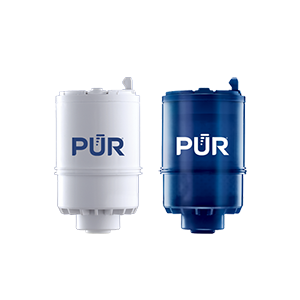
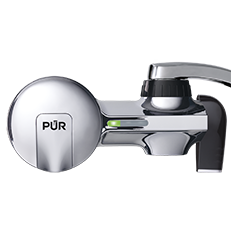
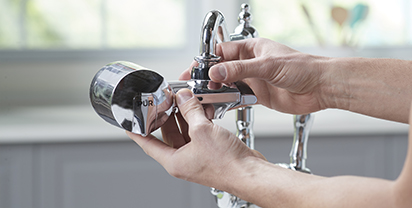
PUR & PUR PLUS FAUCET FILTERS
RF3375/RF9999

View Filters

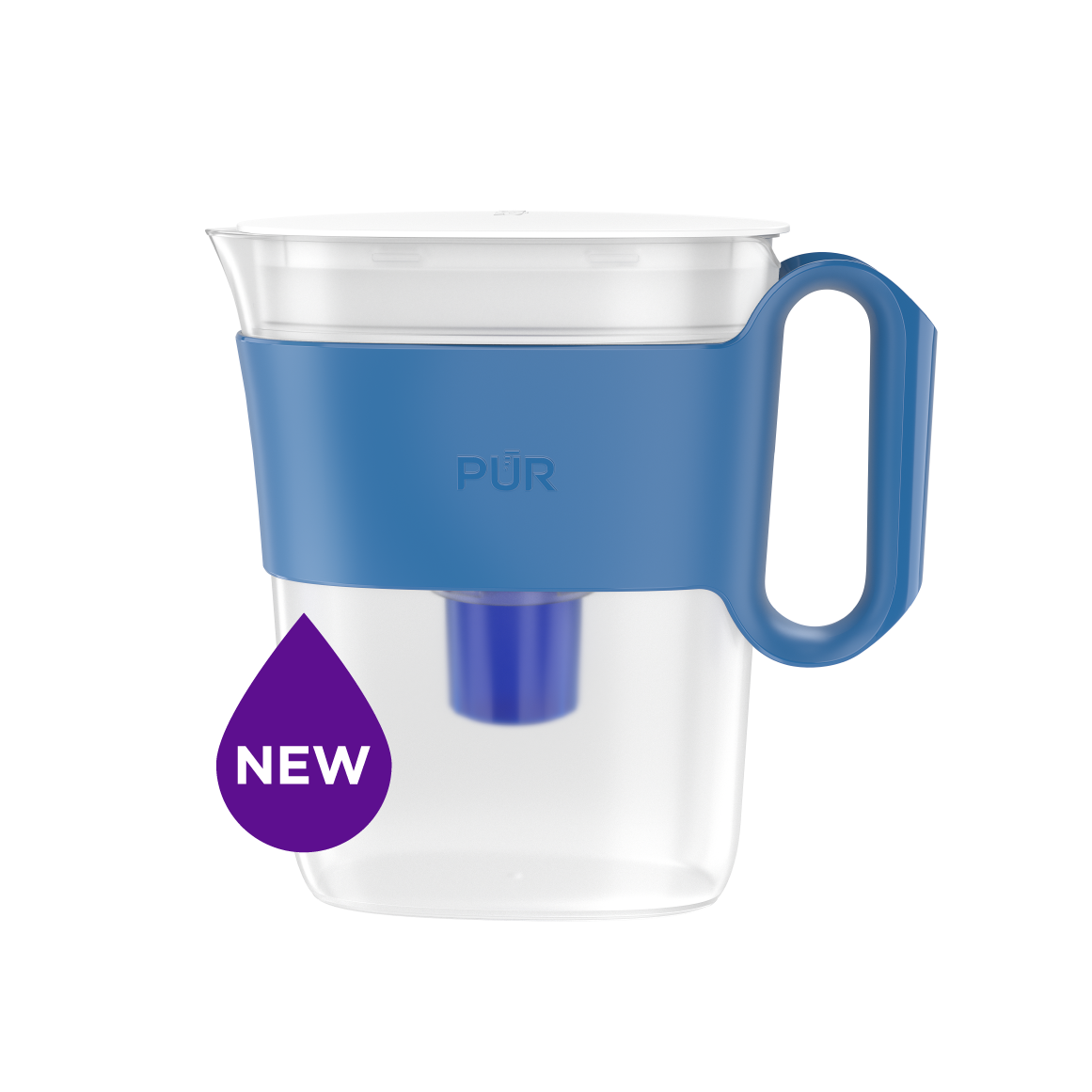
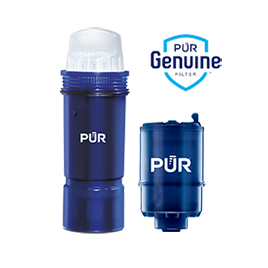
PUR PLUS PITCHER FILTERS
PPF951K

View Filter

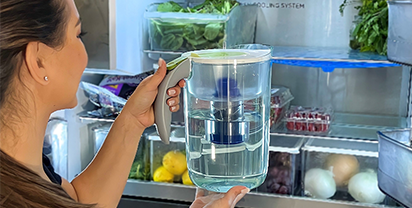
PUR BASIC PITCHER FILTERS
PPF900Z

View Filter


Vs. Brita*

Lead
Microplastics
Mercury
Chlorine Taste & Odor
DEET
TTHM

PUR’s Filtration Systems Are Certified By NSF And WQA For Their Contamination Reduction. WQA certifications as of 5/27/21 for Faucet filter models RF-3375 and RF-9999.

¹ Certified to reduce 10X more chemical and physical substances than Brita’s® leading pitcher filter.
² Certified to reduce 3X more chemical and physical substances than Brita’s® leading pitcher filter.
³ Certified to reduce 2X more chemical and physical substances than Brita’s® leading pitcher filter.
*Versus best-selling Brita® pitcher filter OB03. Brita® is a trademark of Brita LP.
**Like other leading brands, PUR does not filter microbes. As of 3/1/23 Brita® and ZeroWater® were not certified to filter microbes. Brita® is a trademark of Brita LP. ZeroWater® is a trademark of Zero Technologies, LLC..
 

PUR & PUR PLUS FAUCET FILTERS


PUR & PUR PLUS FAUCET FILTERS
RF3375/RF9999

View Filters


Vs. Brita*

Lead
Microplastics
Mercury
Chlorine Taste & Odor
DEET
TTHM

PUR’s Filtration Systems Are Certified By NSF And WQA For Their Contamination Reduction. WQA certifications as of 5/27/21 for Faucet filter models RF-3375 and RF-9999.

¹ Certified to reduce 10X more chemical and physical substances than Brita’s® leading pitcher filter.
² Certified to reduce 3X more chemical and physical substances than Brita’s® leading pitcher filter.
³ Certified to reduce 2X more chemical and physical substances than Brita’s® leading pitcher filter.
*Versus best-selling Brita® pitcher filter OB03. Brita® is a trademark of Brita LP.
**Like other leading brands, PUR does not filter microbes. As of 3/1/23 Brita® and ZeroWater® were not certified to filter microbes. Brita® is a trademark of Brita LP. ZeroWater® is a trademark of Zero Technologies, LLC..
 

PUR PLUS PITCHER FILTERS


PUR PLUS PITCHER FILTERS
PPF951K

View Filter


Vs. Brita*

Lead
Microplastics
Mercury
Chlorine Taste & Odor
DEET
TTHM

PUR’s Filtration Systems Are Certified By NSF And WQA For Their Contamination Reduction. WQA certifications as of 5/27/21 for Faucet filter models RF-3375 and RF-9999.

¹ Certified to reduce 10X more chemical and physical substances than Brita’s® leading pitcher filter.
² Certified to reduce 3X more chemical and physical substances than Brita’s® leading pitcher filter.
³ Certified to reduce 2X more chemical and physical substances than Brita’s® leading pitcher filter.
*Versus best-selling Brita® pitcher filter OB03. Brita® is a trademark of Brita LP.
**Like other leading brands, PUR does not filter microbes. As of 3/1/23 Brita® and ZeroWater® were not certified to filter microbes. Brita® is a trademark of Brita LP. ZeroWater® is a trademark of Zero Technologies, LLC..
 

PUR BASIC PITCHER FILTERS


PUR BASIC PITCHER FILTERS
PPF900Z

View Filter


Vs. Brita*

Lead
Microplastics
Mercury
Chlorine Taste & Odor
DEET
TTHM

PUR’s Filtration Systems Are Certified By NSF And WQA For Their Contamination Reduction. WQA certifications as of 5/27/21 for Faucet filter models RF-3375 and RF-9999.

¹ Certified to reduce 10X more chemical and physical substances than Brita’s® leading pitcher filter.
² Certified to reduce 3X more chemical and physical substances than Brita’s® leading pitcher filter.
³ Certified to reduce 2X more chemical and physical substances than Brita’s® leading pitcher filter.
*Versus best-selling Brita® pitcher filter OB03. Brita® is a trademark of Brita LP.
**Like other leading brands, PUR does not filter microbes. As of 3/1/23 Brita® and ZeroWater® were not certified to filter microbes. Brita® is a trademark of Brita LP. ZeroWater® is a trademark of Zero Technologies, LLC..
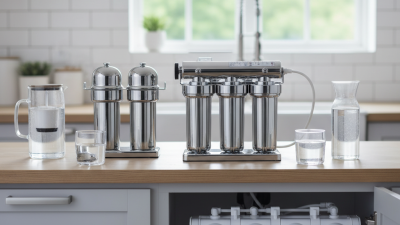
 

Best Home Water Filter Options for 2026 What to Choose?

In 2026, choosing the best home water filter has become increasingly important for health-conscious consumers. With rising concerns over water quality, a reliable filtration system can make a significant difference. According to the Water Quality Association, nearly 50% of households in the U.S. now use some form of water filtration. This trend reflects a growing awareness of contaminants that can impact our health.

Expert Dr. Emily Wang, a leading researcher in water quality, states, "A good home water filter not only improves taste but also protects families from harmful substances." As awareness of these issues rises, consumers face a multitude of options. This can make decision-making overwhelming. Some filters focus on removing sediment, while others target specific chemicals or heavy metals. The variety can lead to confusion, making it crucial for consumers to educate themselves about what they need.

Yet, not every product lives up to its promises. Some filters may not capture all contaminants, or their lifespan may be shorter than advertised. It is essential to reflect on these shortcomings and choose wisely. Armed with knowledge and expert insights, finding the perfect home water filter can ensure safe, clean drinking water for your family.

Best Home Water Filter Options for 2026 What to Choose?

Overview of Home Water Filter Technologies Available in 2026

Best Home Water Filter Options for 2026 What to Choose?

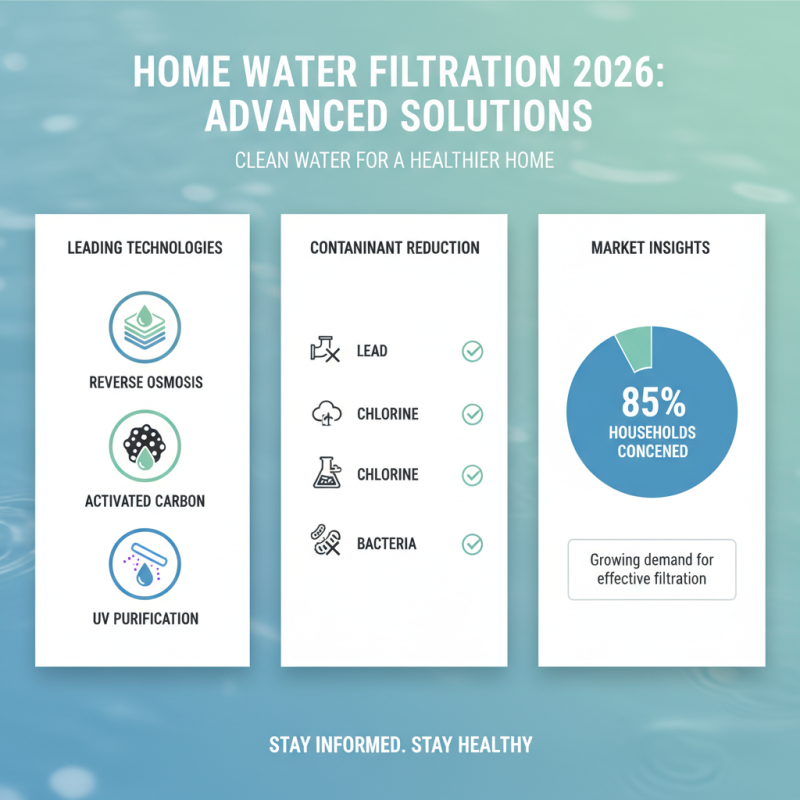
In 2026, home water filtration options are more advanced than ever. Technologies like reverse osmosis, activated carbon, and UV purification dominate the market. These methods effectively reduce contaminants such as lead, chlorine, and bacteria. According to recent studies, about 85% of households report concerns about water quality. Such data highlights the growing need for effective filtration solutions.

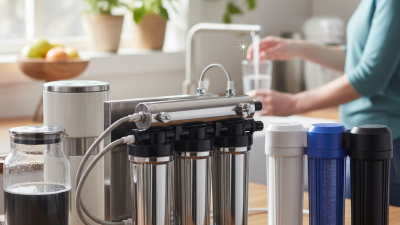
Reverse osmosis systems stand out. They remove up to 99% of impurities. Many new models are compact, making installation easier. They typically feature multiple stages of filtration to ensure clean water. Activated carbon filters are another popular choice. They’re effective in improving taste and reducing odors. However, they require regular replacements to maintain efficiency.

Tip: Always check your local water quality report. This helps determine which filtration method suits your needs. Additional testing may highlight specific contaminants to address. Maintenance is crucial; filter replacements should not be overlooked. Neglecting this can lead to decreased filtration performance.

Choosing the right system may feel intimidating. Educate yourself on the types available. Evaluate your water source and usage patterns. Each household's needs vary, so there's no one-size-fits-all solution. Thorough research ensures a well-informed decision that prioritizes health and safety.

Key Factors to Consider When Choosing a Water Filter

Best Home Water Filter Options for 2026 What to Choose?

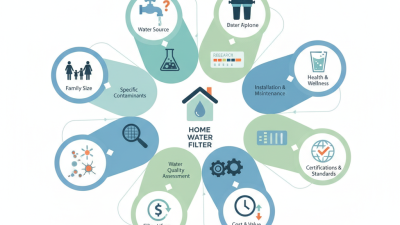
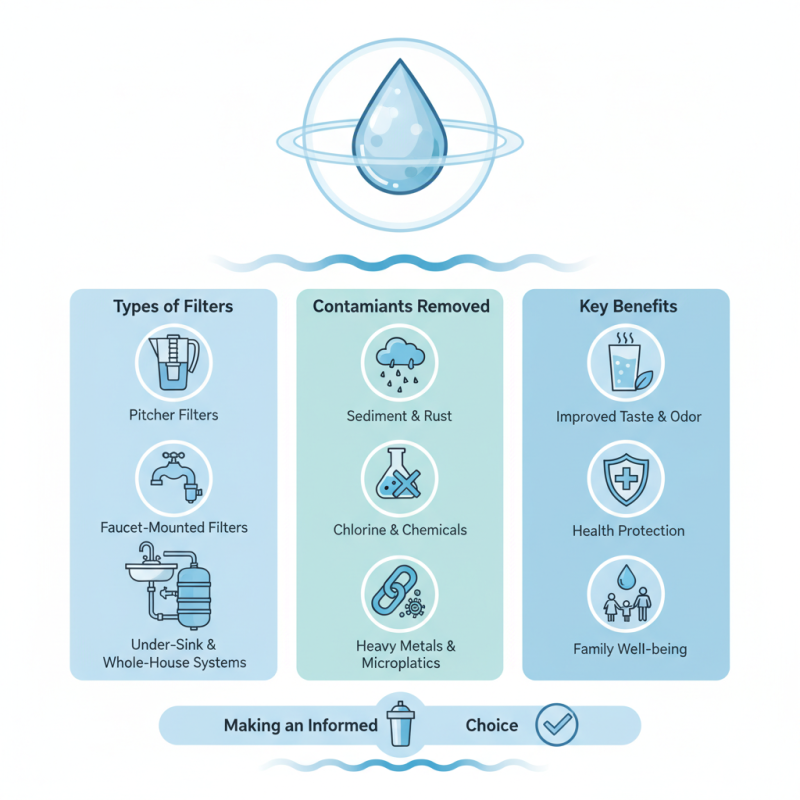
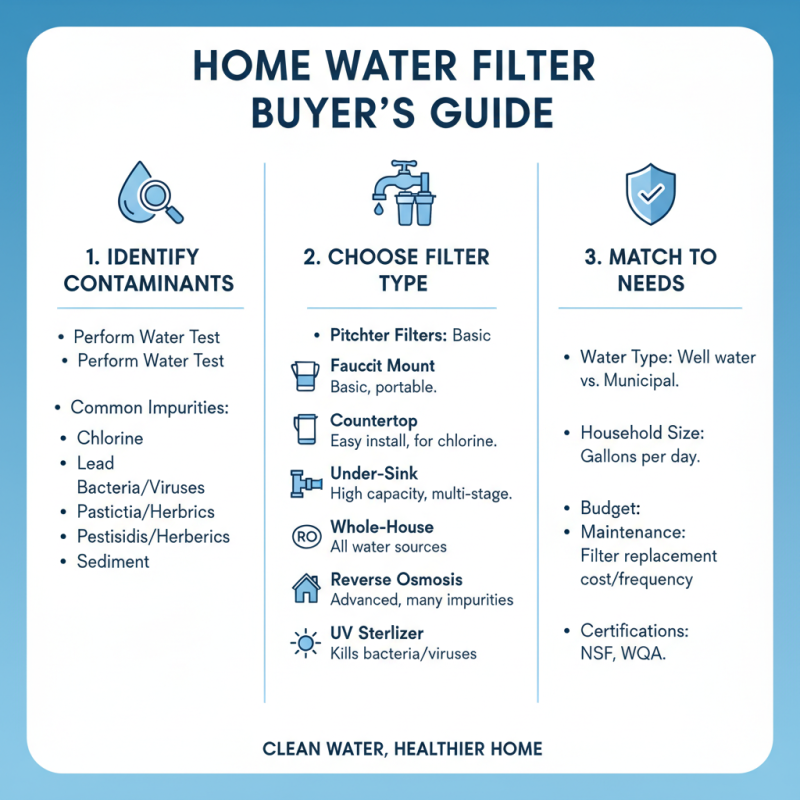
Choosing the right water filter for your home involves several key factors. First, think about the type of contaminants in your water supply. A water test can reveal what impurities are present. Knowing this information is crucial. Different filters target specific contaminants like chlorine, lead, or bacteria. Selecting a filter based on your needs can make a big difference.

Consider the filter's capacity and maintenance requirements. Some filters need frequent cartridge changes, which can be costly. Others may last longer but are bulkier. Think about where you'll install the system. Space availability is often overlooked but essential. Portable options exist, but their efficiency can vary.

Don't forget the taste of your water. Many people forget that a good water filter can improve flavor as well. However, some filters may not meet all taste preferences. It can be frustrating to find one that does. Consumer reviews and recommendations can offer insights, but they must be taken with a grain of salt, as experiences may differ. Assessing performance, lifespan, and user convenience is key to making an informed choice.

Comparison of Popular Water Filter Brands and Models

When choosing a home water filter, it's vital to understand various brands and models. Each offers unique features based on filtration technology—carbon, reverse osmosis, and UV purification lead the market. According to a recent study, 50% of American households now prioritize water purification systems. This trend highlights the importance of clean water.

Comparing popular models reveals significant differences. Some filters excel at eliminating chlorine and sediment, while others target lead and bacteria. A 2023 report from a leading water quality organization pointed out that over 60% of households with filtration systems reported improved taste and safety. Yet, not all filters capture harmful contaminants effectively.

Understanding efficiency is crucial. Some systems have high replacement costs, impacting long-term use. Data shows that cheaper filters might require more frequent changes, raising overall spending. Additionally, user reviews often underscore convenience but hint at maintenance challenges. Households should consider both short-term benefits and lingering costs.

Environmental Impact of Home Water Filtration Systems

Access to clean water is essential, yet many overlook the environmental impact of home water filtration systems. The choice of filter can affect not just health, but also the planet. Many filters end up in landfills. This creates waste that harms ecosystems. It’s crucial to consider durability and recyclability when selecting a system.

Tips: Choose filters that are reusable or made from biodegradable materials. Ensure you maintain your filter regularly. This can extend its lifespan and effectiveness.

Some filtration systems require electricity. This can increase carbon footprints. Solar-powered options are emerging, offering greener alternatives. However, these might not be as widely available or affordable. Evaluating the energy use of your system is vital. Not all choices are perfect, and everyone must figure out what works best for them.

Tips: Research certifications on filters. They can indicate efficiency and safety. Consider community programs for recycling old filters. Educating ourselves on water issues is just as important as making the right choice.

Maintenance and Replacement Tips for Water Filters

Proper maintenance of water filters is crucial for ensuring safe drinking water. Regularly check filter systems for any signs of wear. Clean the exterior surfaces to prevent bacteria growth. It’s also essential to follow the manufacturer’s guidelines for replacing filters. Ignoring this can lead to reduced water quality.

Many users forget to set reminders for filter replacements. This can cause filters to become clogged and inefficient. Use calendar reminders or apps to track replacement dates. Test your water quality if you notice changes in taste or odor. A simple home test kit can reveal a lot.

Keep in mind that not all filters suit every need. Pay attention to your water source and specific contaminants. Fluoride, chlorine, and heavy metals require different filtration methods. Consider professional advice if you’re unsure about your choices. It’s okay to seek help; the goal is clean, safe water.

Best Home Water Filter Options for 2026 What to Choose? - Maintenance and Replacement Tips for Water Filters

Filter Type Contaminants Removed Lifespan Maintenance Frequency Cost Estimate
Activated Carbon Filter Chlorine, Odors, Sediments 6 - 12 months Every 6 months $30 - $100
Reverse Osmosis System Heavy Metals, Salts, Chlorine 2 - 3 years Every 2 years $200 - $500
Ultraviolet (UV) Purifier Bacteria, Viruses 1 year for bulb Annual $100 - $300
Whole House Filter Sediments, Chlorine, VOCs 5 - 10 years Every 5 years $500 - $1200
Pitcher Filter Chlorine, Particulates 2 - 3 months Monthly $20 - $50