Contaminant Comparison Chart

For a complete list of contaminants that PUR filters reduce, please view our Performance Data Sheets here.


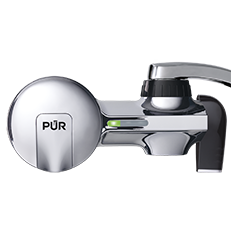
PUR & PUR PLUS FAUCET FILTERS
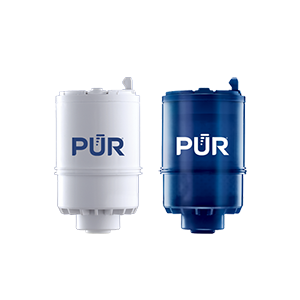
RF3375/RF9999

View Filters

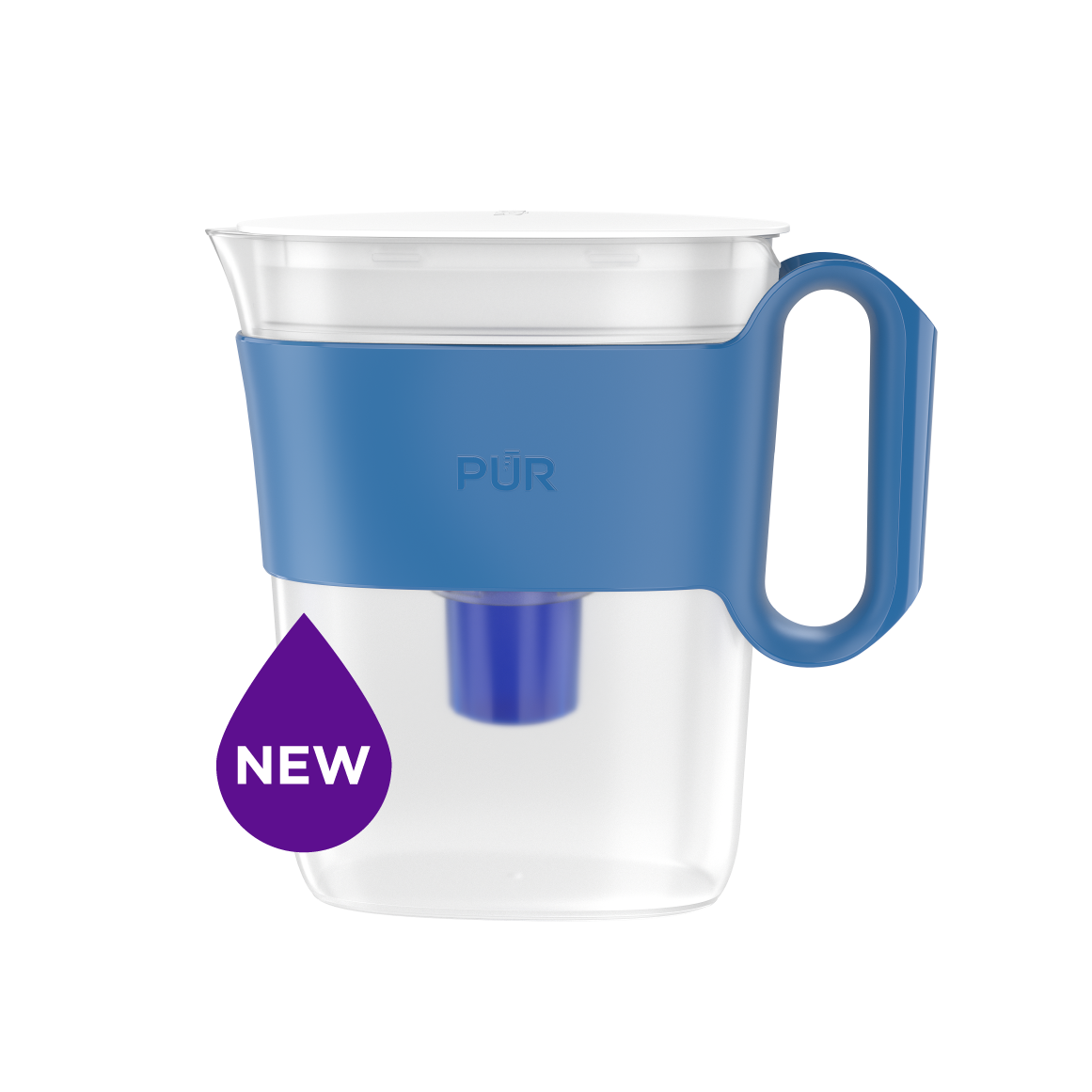
PUR PLUS PITCHER FILTERS
PPF951K

View Filter

PUR BASIC PITCHER FILTERS
PPF900Z

View Filter


Vs. Brita*

Lead
Microplastics
Mercury
Chlorine Taste & Odor
DEET
TTHM

PUR’s Filtration Systems Are Certified By NSF And WQA For Their Contamination Reduction. WQA certifications as of 5/27/21 for Faucet filter models RF-3375 and RF-9999.

¹ Certified to reduce 10X more chemical and physical substances than Brita’s® leading pitcher filter.
² Certified to reduce 3X more chemical and physical substances than Brita’s® leading pitcher filter.
³ Certified to reduce 2X more chemical and physical substances than Brita’s® leading pitcher filter.
*Versus best-selling Brita® pitcher filter OB03. Brita® is a trademark of Brita LP.
**Like other leading brands, PUR does not filter microbes. As of 3/1/23 Brita® and ZeroWater® were not certified to filter microbes. Brita® is a trademark of Brita LP. ZeroWater® is a trademark of Zero Technologies, LLC..
 

PUR & PUR PLUS FAUCET FILTERS


PUR & PUR PLUS FAUCET FILTERS
RF3375/RF9999

View Filters


Vs. Brita*

Lead
Microplastics
Mercury
Chlorine Taste & Odor
DEET
TTHM

PUR’s Filtration Systems Are Certified By NSF And WQA For Their Contamination Reduction. WQA certifications as of 5/27/21 for Faucet filter models RF-3375 and RF-9999.

¹ Certified to reduce 10X more chemical and physical substances than Brita’s® leading pitcher filter.
² Certified to reduce 3X more chemical and physical substances than Brita’s® leading pitcher filter.
³ Certified to reduce 2X more chemical and physical substances than Brita’s® leading pitcher filter.
*Versus best-selling Brita® pitcher filter OB03. Brita® is a trademark of Brita LP.
**Like other leading brands, PUR does not filter microbes. As of 3/1/23 Brita® and ZeroWater® were not certified to filter microbes. Brita® is a trademark of Brita LP. ZeroWater® is a trademark of Zero Technologies, LLC..
 

PUR PLUS PITCHER FILTERS


PUR PLUS PITCHER FILTERS
PPF951K

View Filter


Vs. Brita*

Lead
Microplastics
Mercury
Chlorine Taste & Odor
DEET
TTHM

PUR’s Filtration Systems Are Certified By NSF And WQA For Their Contamination Reduction. WQA certifications as of 5/27/21 for Faucet filter models RF-3375 and RF-9999.

¹ Certified to reduce 10X more chemical and physical substances than Brita’s® leading pitcher filter.
² Certified to reduce 3X more chemical and physical substances than Brita’s® leading pitcher filter.
³ Certified to reduce 2X more chemical and physical substances than Brita’s® leading pitcher filter.
*Versus best-selling Brita® pitcher filter OB03. Brita® is a trademark of Brita LP.
**Like other leading brands, PUR does not filter microbes. As of 3/1/23 Brita® and ZeroWater® were not certified to filter microbes. Brita® is a trademark of Brita LP. ZeroWater® is a trademark of Zero Technologies, LLC..
 

PUR BASIC PITCHER FILTERS


PUR BASIC PITCHER FILTERS
PPF900Z

View Filter


Vs. Brita*

Lead
Microplastics
Mercury
Chlorine Taste & Odor
DEET
TTHM

PUR’s Filtration Systems Are Certified By NSF And WQA For Their Contamination Reduction. WQA certifications as of 5/27/21 for Faucet filter models RF-3375 and RF-9999.

¹ Certified to reduce 10X more chemical and physical substances than Brita’s® leading pitcher filter.
² Certified to reduce 3X more chemical and physical substances than Brita’s® leading pitcher filter.
³ Certified to reduce 2X more chemical and physical substances than Brita’s® leading pitcher filter.
*Versus best-selling Brita® pitcher filter OB03. Brita® is a trademark of Brita LP.
**Like other leading brands, PUR does not filter microbes. As of 3/1/23 Brita® and ZeroWater® were not certified to filter microbes. Brita® is a trademark of Brita LP. ZeroWater® is a trademark of Zero Technologies, LLC..
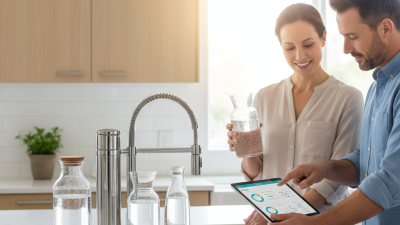
 

Best Home Water Filtration System for Clean Drinking Water?

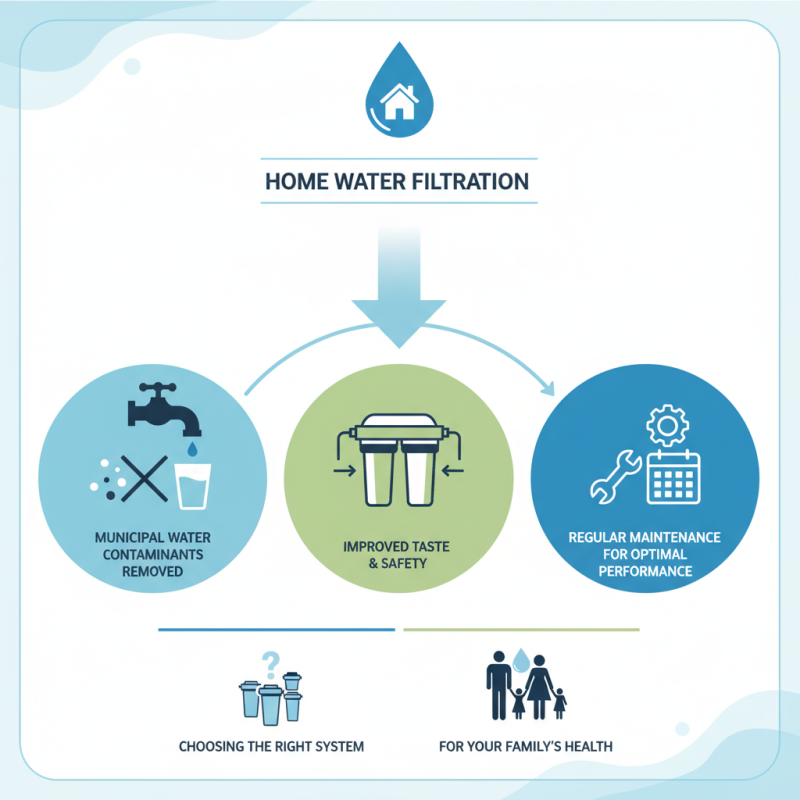
In today's world, ensuring access to clean drinking water is more crucial than ever. According to Dr. Emily Carter, a renowned expert in water quality, "Investing in a home water filtration system can significantly improve your health and well-being." This statement underscores the importance of filtering our water at home. Many households rely on municipal water sources, which can contain contaminants.

A home water filtration system offers a practical solution. It can remove impurities like chlorine, lead, and bacteria. This improves both taste and safety. However, not all systems are created equal. Consumers often face challenges in selecting the right filtration unit for their needs. They might feel overwhelmed by the choices available in the market.

People often avoid thinking about water quality until problems arise. Regular maintenance of these systems is essential for optimal performance. Many users might overlook this aspect, leading to less effective filtration over time. It's important to reflect on these factors when choosing the right home water filtration system for your family.

Best Home Water Filtration System for Clean Drinking Water?

Factors to Consider When Choosing a Home Water Filtration System

Best Home Water Filtration System for Clean Drinking Water?

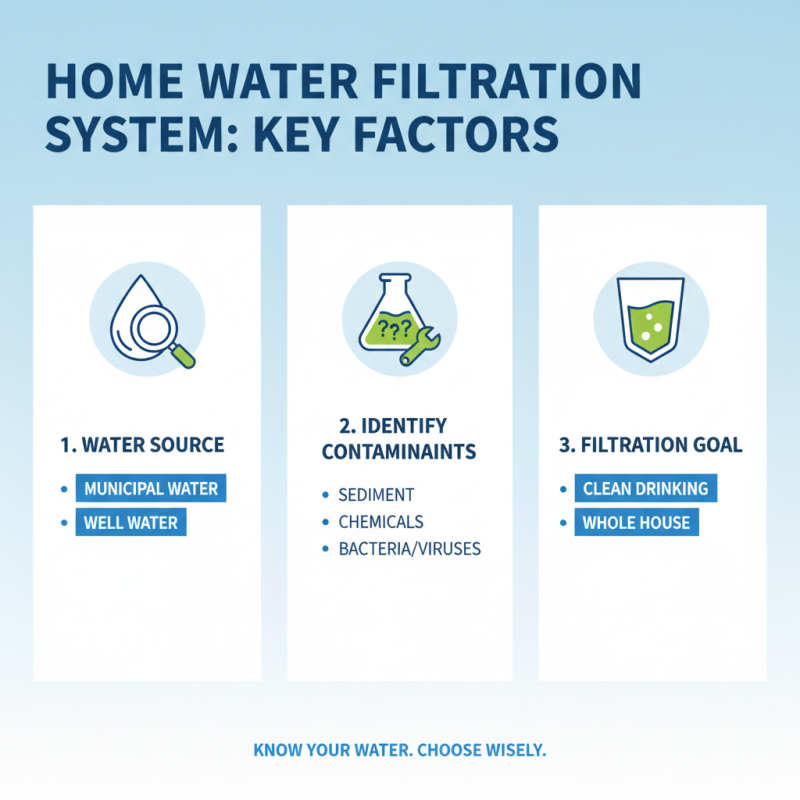
When selecting a home water filtration system, several factors should be considered. The primary purpose is to ensure clean and safe drinking water. Start by evaluating your water source. Is it municipal or well water? Different sources may contain various contaminants. Knowing what’s in your water can guide your choice.

Think about filter types. There are activated carbon filters, reverse osmosis systems, and UV filters. Each has its unique advantages. For example, activated carbon is excellent for removing chlorine taste. However, it may not eliminate all bacteria.

Tips: Look for systems certified by independent organizations. This certification ensures that the filters meet specific safety standards. Also, consider maintenance needs. Some systems require regular filter changes. This can be overlooked, leading to reduced effectiveness over time.

Additionally, think about the installation process. Some systems are complex and may need professional help. This can add to the overall cost. Check reviews from real users to gauge reliability. Personal experiences can spotlight potential issues you may not have considered.

In the end, it’s important to reflect on your specific needs and budget. Some filters may seem inexpensive but cost more in the long run due to upkeep. Balancing initial costs with long-term effectiveness is crucial.

Types of Water Filtration Systems: Pros and Cons

When considering a water filtration system, understanding the types available is crucial. There are generally three main categories: activated carbon filters, reverse osmosis systems, and UV purifiers. Each type has unique advantages and limitations that can significantly impact your water quality.

Activated carbon filters are popular for their ability to remove chlorine and sediment. They improve taste and odor. However, they do not eliminate all contaminants like heavy metals or pathogens. Studies indicate that while these filters may effectively reduce certain impurities, they cannot provide comprehensive protection.

On the other hand, reverse osmosis systems are known for their thorough filtering capabilities. They can remove up to 99% of most contaminants, including lead and pesticides. Yet, they waste about three gallons of water for every gallon filtered, raising concerns about environmental impact.

UV purifiers utilize ultraviolet light to kill bacteria and viruses. They are effective in treating microbiological contaminants. However, they require electricity and do not remove chemical pollutants. This means relying solely on UV treatment may not lead to completely safe drinking water.

Many users overlook these nuances in their quest for clean water. Understandably, there is no perfect solution, and evaluating your specific needs remains essential.

Key Features of Effective Water Filtration Systems

Best Home Water Filtration System for Clean Drinking Water?

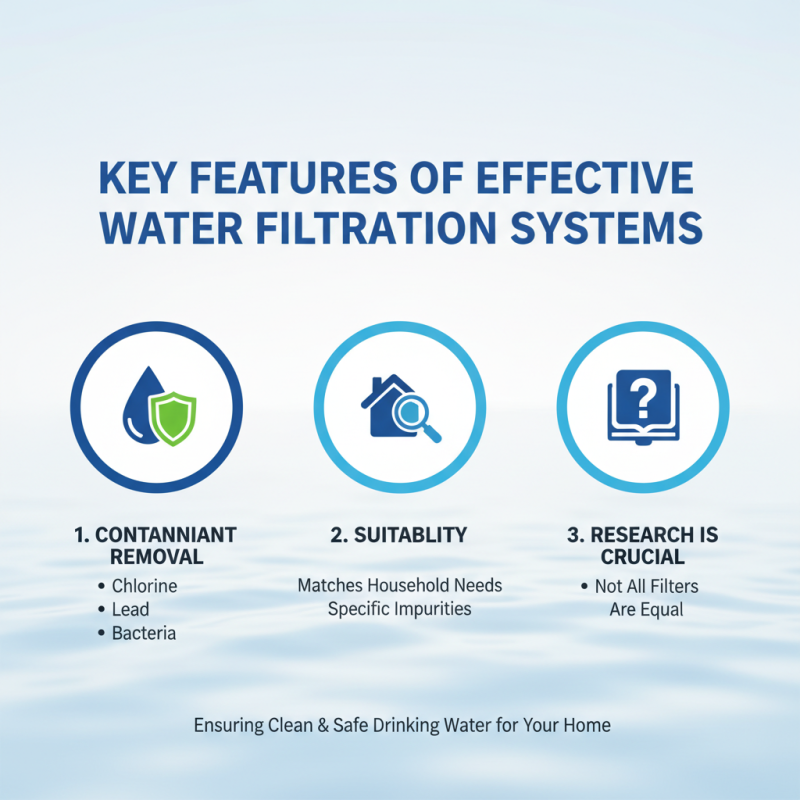
When considering an effective home water filtration system, key features are crucial for ensuring clean drinking water. A solid filtration system should remove contaminants like chlorine, lead, and bacteria. It is essential that the system suits the specific needs of your household. Not all filters can tackle every type of impurity, making thorough research necessary.

Certifications are important indicators of reliability. Look for systems certified by independent organizations. These certifications help guarantee that the filtration process is thorough. Ease of installation and maintenance also matters. Some systems may require professional installation, adding to the time and cost. Filters must be replaced regularly too, which can be inconvenient if they are difficult to access.

Consider flow rate as well. A slower flow might affect daily activities, such as cooking or washing dishes. Some users find themselves frustrated with systems that do not provide adequate water pressure. While high capacity is desirable, it is vital not to sacrifice quality for quantity. Be mindful that not every option on the market will meet your expectations fully. Each household's needs vary, so take the time to analyze which features matter most for clean water in your home.

Maintenance and Care for Your Water Filtration System

Maintaining your water filtration system is crucial for clean drinking water. Regular upkeep ensures your system operates efficiently and effectively. According to the Water Quality Association, a poorly maintained filter can reduce contaminant removal by up to 50%. This could compromise your health and the quality of your drinking water.

Changing filters on time is essential. Some systems require replacements every six months, while others last up to a year. Keep track of these timelines to avoid any decline in performance. Visual inspections can help, too. Look for any signs of leaks or unusual noise, which could indicate problems. In a survey by the Environmental Protection Agency, only 30% of households report routinely checking their water filters. This raises concerns about safe drinking water.

Cleaning the system itself is equally important. Many systems have cleaning protocols outlined in the manual. Neglecting this can lead to bacterial growth, creating more harm than good. Always follow manufacturer recommendations. Regular maintenance not only enhances efficiency but also extends the lifespan of your water filtration system.

Best Home Water Filtration System for Clean Drinking Water

Filter Type Contaminants Removed Filter Life (Months) Maintenance Frequency Cost Range ($)
Reverse Osmosis Lead, Arsenic, Nitrates 12 Every 6 months 150 - 600
Activated Carbon Chlorine, VOCs 6 Every 3 months 40 - 250
Ultraviolet (UV) Bacteria, Viruses 12 Annually 100 - 300
Whole House Sediment, Chlorine 12 Every 6 months 500 - 1500

Comparative Costs of Popular Home Water Filtration Options

When considering a home water filtration system, it's essential to evaluate costs based on various filtration methods. The market offers options such as activated carbon filters, reverse osmosis systems, and UV purifiers. Prices for these systems can significantly differ. Simple carbon filters may start at $20, while a full reverse osmosis setup could exceed $300.

Installation costs add another layer. Some systems are easy to set up, while others require professional installation. This can range from $50 to $200, depending on your location. It’s crucial to also factor in maintenance costs. Changing filters regularly will incur additional expenses. Budgeting for these ongoing costs can be challenging yet necessary.

Selecting the right system isn't solely about initial price. Look beyond simplicity and effectiveness. Some higher-priced systems deliver better water quality and longer-lasting filters. This can lead to long-term savings. Always read reviews and consult professionals. Reflecting on your household’s specific needs can guide you towards an ideal choice.

Comparative Costs of Popular Home Water Filtration Options