
Contaminant Comparison Chart

For a complete list of contaminants that PUR filters reduce, please view our Performance Data Sheets here.


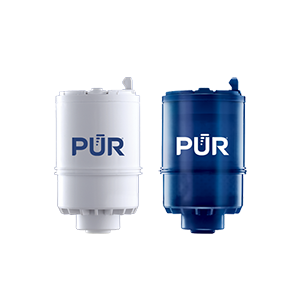
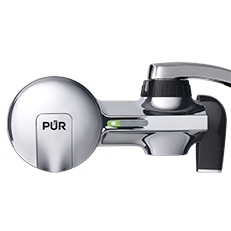
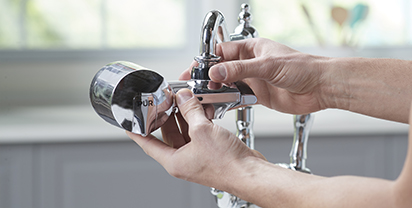
PUR & PUR PLUS FAUCET FILTERS
RF3375/RF9999

View Filters

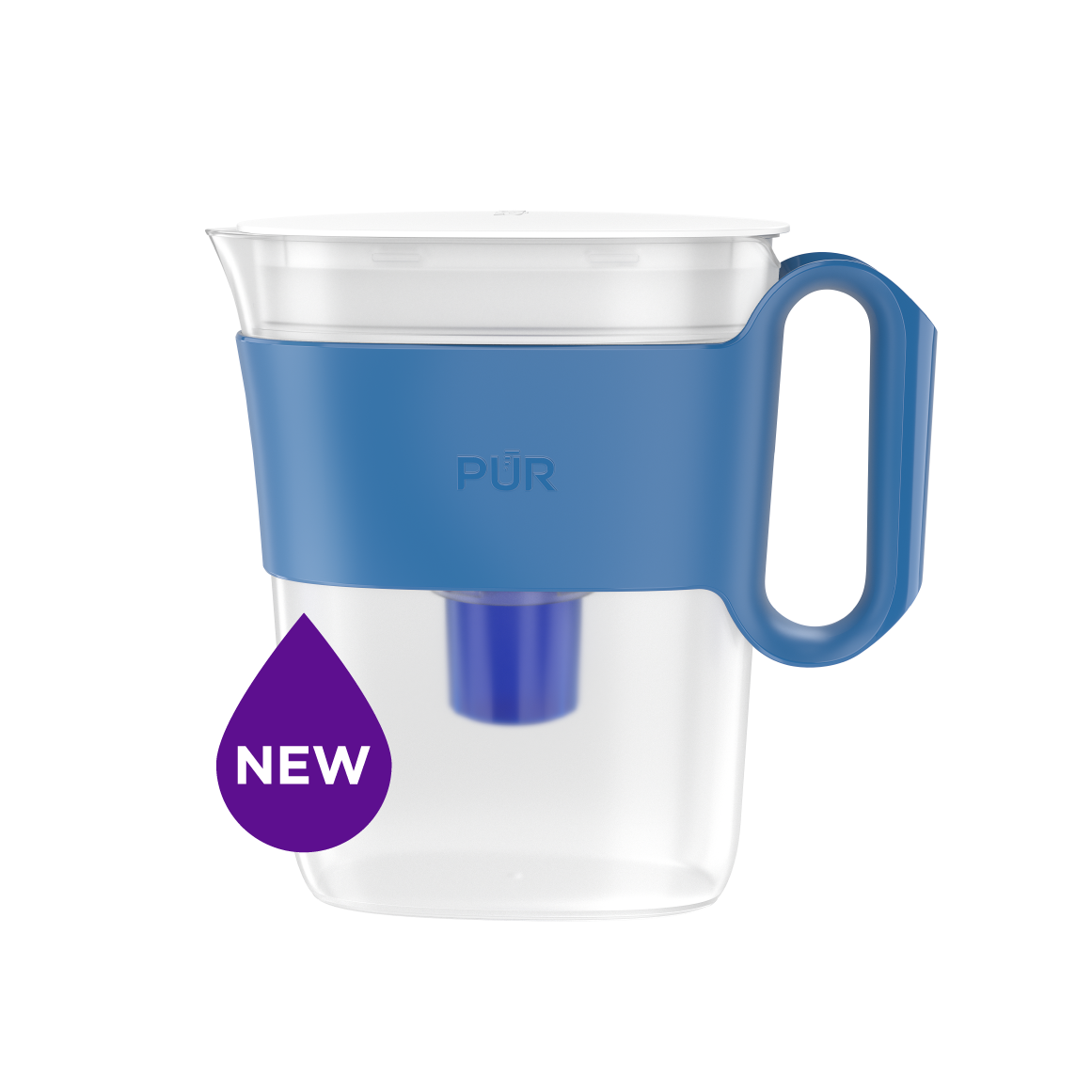
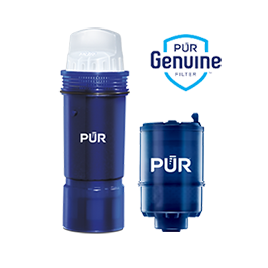
PUR PLUS PITCHER FILTERS
PPF951K

View Filter

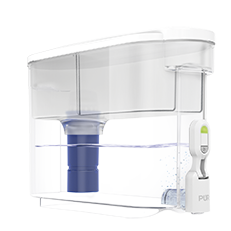
PUR BASIC PITCHER FILTERS
PPF900Z

View Filter


Vs. Brita*

Lead ✓ ✓
Microplastics ✓ ✓
Mercury ✓ ✓ ✓
Chlorine Taste & Odor ✓ ✓ ✓
DEET ✓
TTHM ✓

PUR’s Filtration Systems Are Certified By NSF And WQA For Their Contamination Reduction. WQA certifications as of 5/27/21 for Faucet filter models RF-3375 and RF-9999.

¹ Certified to reduce 10X more chemical and physical substances than Brita’s® leading pitcher filter.
² Certified to reduce 3X more chemical and physical substances than Brita’s® leading pitcher filter.
³ Certified to reduce 2X more chemical and physical substances than Brita’s® leading pitcher filter.
*Versus best-selling Brita® pitcher filter OB03. Brita® is a trademark of Brita LP.
**Like other leading brands, PUR does not filter microbes. As of 3/1/23 Brita® and ZeroWater® were not certified to filter microbes. Brita® is a trademark of Brita LP. ZeroWater® is a trademark of Zero Technologies, LLC..
 

PUR & PUR PLUS FAUCET FILTERS


PUR & PUR PLUS FAUCET FILTERS
RF3375/RF9999

View Filters


Vs. Brita*

Lead ✓
Microplastics ✓
Mercury ✓
Chlorine Taste & Odor ✓
DEET ✓
TTHM ✓

PUR’s Filtration Systems Are Certified By NSF And WQA For Their Contamination Reduction. WQA certifications as of 5/27/21 for Faucet filter models RF-3375 and RF-9999.

¹ Certified to reduce 10X more chemical and physical substances than Brita’s® leading pitcher filter.
² Certified to reduce 3X more chemical and physical substances than Brita’s® leading pitcher filter.
³ Certified to reduce 2X more chemical and physical substances than Brita’s® leading pitcher filter.
*Versus best-selling Brita® pitcher filter OB03. Brita® is a trademark of Brita LP.
**Like other leading brands, PUR does not filter microbes. As of 3/1/23 Brita® and ZeroWater® were not certified to filter microbes. Brita® is a trademark of Brita LP. ZeroWater® is a trademark of Zero Technologies, LLC..


PUR PLUS PITCHER FILTERS


PUR PLUS PITCHER FILTERS
PPF951K

View Filter


Vs. Brita*

Lead ✓
Microplastics ✓
Mercury ✓
Chlorine Taste & Odor ✓
DEET
TTHM

PUR’s Filtration Systems Are Certified By NSF And WQA For Their Contamination Reduction. WQA certifications as of 5/27/21 for Faucet filter models RF-3375 and RF-9999.

¹ Certified to reduce 10X more chemical and physical substances than Brita’s® leading pitcher filter.
² Certified to reduce 3X more chemical and physical substances than Brita’s® leading pitcher filter.
³ Certified to reduce 2X more chemical and physical substances than Brita’s® leading pitcher filter.
*Versus best-selling Brita® pitcher filter OB03. Brita® is a trademark of Brita LP.
**Like other leading brands, PUR does not filter microbes. As of 3/1/23 Brita® and ZeroWater® were not certified to filter microbes. Brita® is a trademark of Brita LP. ZeroWater® is a trademark of Zero Technologies, LLC..


PUR BASIC PITCHER FILTERS


PUR BASIC PITCHER FILTERS
PPF900Z

View Filter


Vs. Brita*

Lead
Microplastics
Mercury ✓
Chlorine Taste & Odor ✓
DEET
TTHM

PUR’s Filtration Systems Are Certified By NSF And WQA For Their Contamination Reduction. WQA certifications as of 5/27/21 for Faucet filter models RF-3375 and RF-9999.

¹ Certified to reduce 10X more chemical and physical substances than Brita’s® leading pitcher filter.
² Certified to reduce 3X more chemical and physical substances than Brita’s® leading pitcher filter.
³ Certified to reduce 2X more chemical and physical substances than Brita’s® leading pitcher filter.
*Versus best-selling Brita® pitcher filter OB03. Brita® is a trademark of Brita LP.
**Like other leading brands, PUR does not filter microbes. As of 3/1/23 Brita® and ZeroWater® were not certified to filter microbes. Brita® is a trademark of Brita LP. ZeroWater® is a trademark of Zero Technologies, LLC..


What Is the Best Hotel Carpet for 2026?

Choosing the best Hotel Carpet for 2026 is not just a color decision. It is a choice about durability, acoustics, cleanability, and how a room feels beneath tired feet. The U.S. Environmental Protection Agency notes that people spend about 90% of their time indoors. That makes indoor materials worth considering, though carpet alone cannot guarantee healthy air. Details matter.

CoStar and STR’s 2024 U.S. hotel performance data put average occupancy at about 63.5%. That annual figure does not show every busy weekend, rolling suitcase, or cart crossing the lobby. Yet it helps explain why hotel flooring faces repeated traffic and why lifecycle cost matters alongside the initial price. A dense commercial construction, stain-resistant treatment, and replaceable carpet tiles may suit different areas; there is no universal winner. Guest rooms need softness and quiet. Corridors need resilience. Public spaces need both, which is harder.

Sustainability belongs in the comparison, too. Interface founder Ray Anderson described his company’s ambition as “to do no harm to the biosphere.” His words offer a useful test for buyers: ask about recycled content, take-back options, and verified product declarations—not just marketing claims. Still, recycled content does not automatically mean a carpet lasts longer. That distinction is easy to miss. The best Hotel Carpet for 2026 will balance performance, maintenance, comfort, and credible environmental evidence. And the honest answer may be a mix of products, not one perfect specification.

What Is the Best Hotel Carpet for 2026?

Key Features That Define the Best Hotel Carpet in 2026

What Is the Best Hotel Carpet for 2026?
Key Features That Define the Best Hotel Carpet in 2026

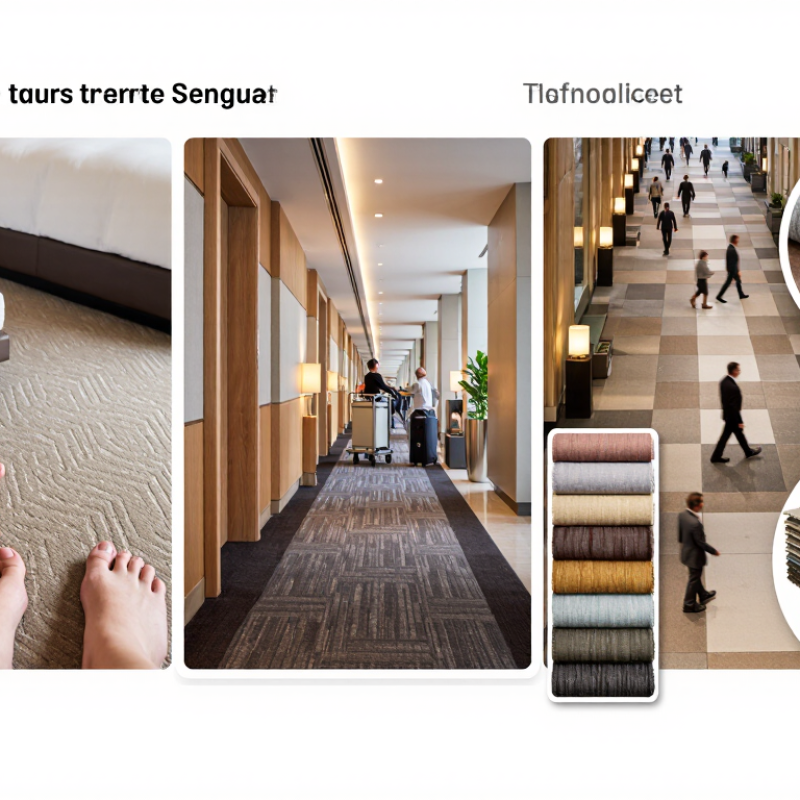
The best hotel carpet balances durability, comfort, and straightforward maintenance. Guest corridors need dense, resilient construction because wheeled luggage and constant foot traffic press down the pile every day. A low-profile texture can hide minor marks and reduce snagging. Still, overly flat carpet may feel less welcoming underfoot. That trade-off matters.

Look for fibers and backing suited to the property’s cleaning routine, not just a showroom sample. Stain resistance helps, but it cannot replace prompt spot treatment or regular vacuuming. Ask for performance information on wear, colorfastness, and cleaning compatibility. Then inspect a large sample under warm lobby lights; small swatches can conceal pattern repetition and color shifts. Test it in a busy area.

Sound control is another practical feature. Carpet can soften footsteps and rolling-bag noise, especially in corridors near guest rooms. A cushioned system may improve comfort, but the complete floor assembly should suit doors, transitions, and accessible routes. Slip resistance also depends on installation and maintenance, not carpet alone. Details count.

Consider replacement and repair before choosing a style. Modular sections can make localized repairs easier, though matching older dye lots may be difficult. Request maintenance guidance and a realistic service-life estimate from qualified flooring professionals. Sustainability claims deserve careful checking; ask what materials and end-of-life options are documented. No specification is perfect. The right choice depends on traffic, cleaning capacity, and the hotel’s actual operating conditions.

How Carpet Materials Affect Durability, Comfort, and Maintenance

For a busy hotel corridor, carpet fibers face suitcase wheels, grit, and repeated cleaning. Nylon generally springs back well after compression, making it a practical choice for high-traffic areas. Construction matters, too. A dense, low pile often hides wear better than a plush surface, though it feels less soft underfoot.

Comfort is not just about softness. Wool can feel warm and resilient, but it may need careful stain treatment and drying after spills. Some synthetic fibers resist stains and simplify routine care, yet still show crushing if the pile is tall or loosely constructed. Guests notice the difference beside a bed, where a softer texture can make a room feel quieter and more welcoming.

Small detail. Big impression.

Maintenance should shape the material choice from the start. Ask how the carpet handles vacuuming, spot cleaning, and the cleaning products your staff actually uses. Check samples under bright light, then press and twist the pile by hand; appearance alone can be misleading. A material that looks ideal in a showroom may prove awkward during daily turnover. I would not choose on fiber name alone. Density, backing, installation, and the hotel’s cleaning routine all affect how long the floor stays presentable.

Comparing Carpet Styles for Guest Rooms and Shared Spaces

What Is the Best Hotel Carpet for 2026?

Guest rooms and shared spaces ask different things of carpet. In guest rooms, a soft, dense cut pile can make a room feel quieter and more comfortable underfoot. It also gives luggage wheels a smoother path than a deep, loose pile. Choose a shade and pattern that disguise small marks without making the room feel dark. Low-contrast flecks can help. Quiet matters. Still, plush carpet may show dents where heavy furniture sits, so softness alone is not a reliable measure of durability.

Corridors, lounges, and meeting areas face more frequent foot traffic. A tight, low-pile loop or textured commercial carpet is often easier to maintain and less likely to show wear quickly. Pattern can help conceal everyday soil, especially near entrances. In busy corridors, compare samples under warm and cool lighting; colors can look noticeably different. Not always obvious. A very dense pattern may hide stains, but it can also make a small lounge feel visually crowded. Match the construction to cleaning routines, rolling loads, and expected occupancy.

Tips: Ask for samples and view them beside room furniture and corridor lighting. Check written specifications for pile construction, backing, and cleaning guidance. Test a sample with a suitcase wheel, if possible. Do not judge by appearance alone. A practical carpet still needs a maintenance plan, and even a well-chosen style can disappoint when cleaning is inconsistent.

How Sustainability and Safety Shape Hotel Carpet Choices

What Is the Best Hotel Carpet for 2026?

For hotel carpet, sustainability and safety are practical decisions, not just purchasing claims. In a busy lobby, rolling suitcases, grit, and coffee spills quickly test a carpet’s durability. Modular carpet tiles can make localized repairs easier, though their seams may show if installation or upkeep falls short. That trade-off deserves a real sample-room test.

Ask for clear documentation of recycled content, product emissions, and cleaning requirements. Compare expected service life, replacement needs, and disposal options rather than focusing on recycled content alone. A carpet that wears out early may create more waste. Still, no specification solves every problem. Test a large sample under the hotel’s actual lighting; colors can look different beside warm lamps and pale stone.

Safety also depends on where carpet is installed and how it is maintained. Choose materials and installation methods that meet applicable fire-safety requirements, and keep transitions level and firmly secured. Carpet can soften footsteps, but it is not a fix for wet floors. Entry mats, prompt spill response, and frequent inspection matter. A slightly imperfect detail: dark patterns can disguise stains, but they may also hide debris that staff should remove.

How to Match Carpet Specifications to Hotel Needs

Choosing hotel carpet starts with mapping actual use, not selecting a single “best” specification. Guest-room carpet faces spills and rolling luggage; corridors take concentrated cart and suitcase traffic. STR’s 2024 U.S. hotel performance report recorded 63.4% average occupancy. That figure measures occupied rooms, not carpet wear, but it signals why turnover and traffic patterns matter. Ask housekeeping where soil gathers, how often rooms are refreshed, and which cleaning methods staff can reliably use. Small details count.

For corridors, compare dense construction, resilient backing, and documented appearance-retention results. ASTM D5252 evaluates carpet appearance after simulated wear; request test results for the exact construction under consideration, rather than relying on face weight alone. In rooms, comfort and stain-care practicality may carry more weight, provided the carpet still suits the cleaning schedule. The Carpet and Rug Institute’s commercial maintenance guidance also emphasizes routine soil removal and preventive care, so specify entrance matting and vacuum access alongside the carpet. Review samples under the hotel’s lighting, then test cleaning on a spare piece. I would avoid promising a fixed service life: traffic, installation, and maintenance can change it substantially. A specification that looks ideal on paper may still prove awkward for the night team.

What Is the Best Hotel Carpet for 2026? — How to Match Carpet Specifications to Hotel Needs

Hotel Area Suggested Construction Suggested Face Weight Fiber and Color Strategy Key Specification Priorities Practical Selection Tip
Guestrooms Tufted broadloom or carpet tile; textured or patterned cut-and-loop pile About 24–32 oz/yd² (815–1,085 g/m²) Commercial-grade nylon is a common choice; use a mid-tone or multi-color pattern to help disguise everyday soil. Comfort underfoot, stain-cleaning requirements, dimensional stability, and compatibility with the selected cushion or backing system. Prioritize a quiet, comfortable surface and keep spare material from the same dye lot for future repairs.
Guestroom Corridors Dense patterned loop or low-profile cut-and-loop broadloom; modular tile may suit phased replacement plans. About 32–40 oz/yd² (1,085–1,356 g/m²) Solution-dyed nylon can offer color retention and easier maintenance for many commercial applications; select a pattern that masks traffic lanes. Wear resistance, seam and edge stability, rolling-load suitability where applicable, and a clear cleaning and replacement plan. Request a sample installed over the specified underlay, because cushion, backing, and installation affect the finished feel and performance.
Lobby and Reception Dense patterned broadloom or commercial carpet tile; consider coordinated hard flooring at entrances and other wet zones. About 36–50 oz/yd² (1,220–1,695 g/m²) Use a durable commercial fiber and a varied, medium-to-dark pattern that works with the interior scheme and conceals tracked-in soil. High foot-traffic durability, cleanability, appearance retention, suitable backing, and safe transitions to adjacent floor finishes. Plan walk-off mats at exterior entrances and confirm that the carpet and mat system will not create trip hazards.
Meeting Rooms Patterned broadloom or carpet tile with a low-to-medium pile profile About 28–36 oz/yd² (950–1,220 g/m²) Choose a pattern that coordinates with room dividers and furniture; consider color variation to make spot cleaning less conspicuous. Chair movement, furniture layout, stain maintenance, acoustic requirements, and ease of access to floor boxes or service points. Test the chosen chair casters and furniture feet on a representative sample before approving the specification.
Ballrooms and Event Spaces Patterned broadloom or modular carpet tile designed for the expected event and furniture loads About 28–36 oz/yd² (950–1,220 g/m²) A multicolor, large-scale pattern can help disguise event-related soil; select fiber and construction based on the cleaning program. Resistance to repeated setup, rolling equipment, spills, and frequent cleaning; coordinate seams with room layouts where possible. Confirm the intended use with the manufacturer and flooring contractor, especially if heavy staging or wheeled equipment is expected.
Stairways Low-profile, dense commercial carpet with secure installation; use compatible nosings and transitions. Specify by system performance and suitability rather than face weight alone. A contrasting or visually clear pattern can support wayfinding; avoid designs that make stair edges difficult to perceive. Secure attachment, edge detailing, slip-resistance considerations for the complete assembly, and compliance with applicable building and accessibility requirements. Have the complete stair assembly reviewed by qualified design and installation professionals; carpet alone does not determine stair safety.

Specification note: Face-weight figures are indicative planning ranges, not universal standards or guarantees of durability. Compare products of the same construction and verify fiber, pile density, backing, cushion, test data, cleaning needs, fire and code requirements, and warranty conditions with the manufacturer and project team.