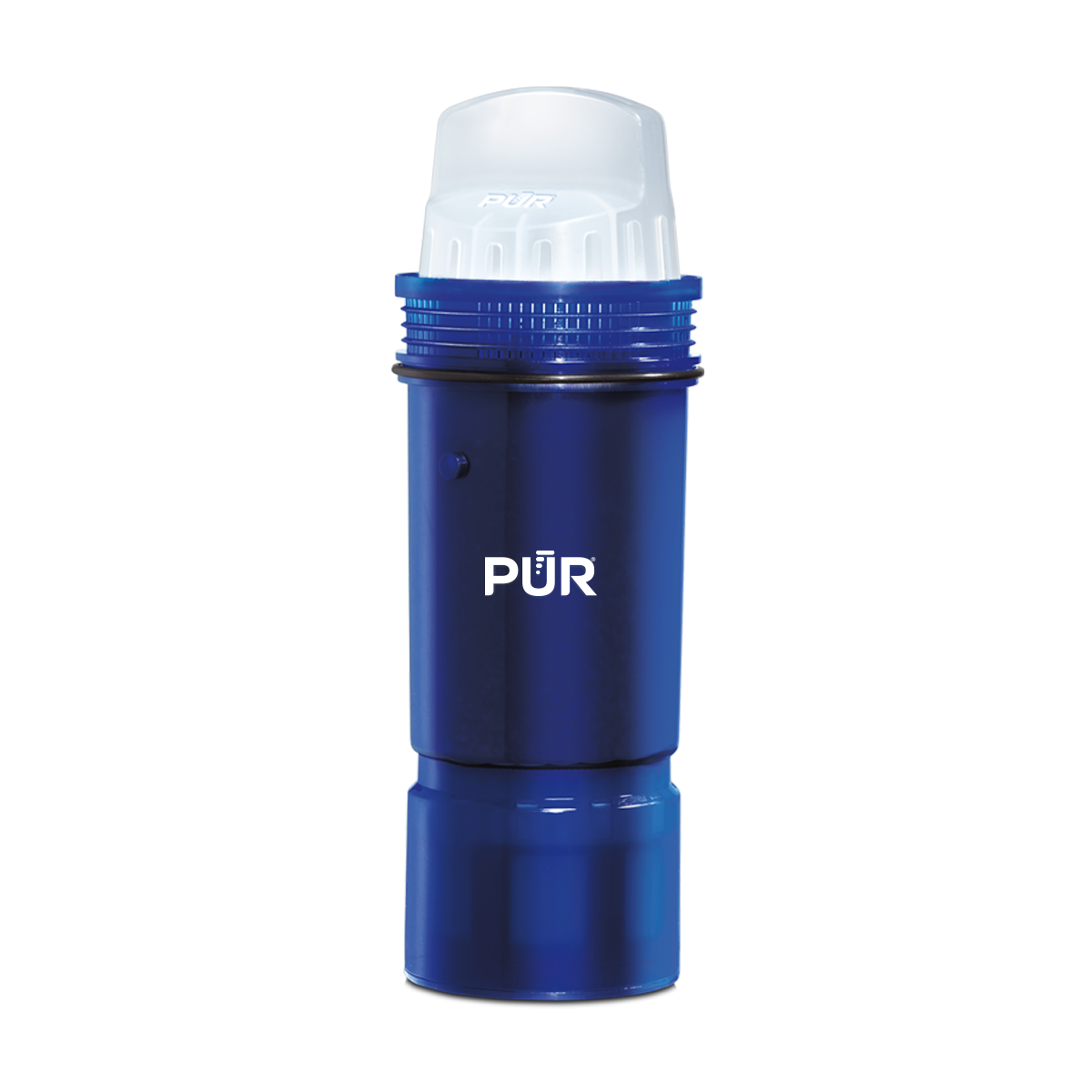
Contaminant Comparison Chart

For a complete list of contaminants that PUR filters reduce, please view our Performance Data Sheets here.


PUR & PUR PLUS FAUCET FILTERS
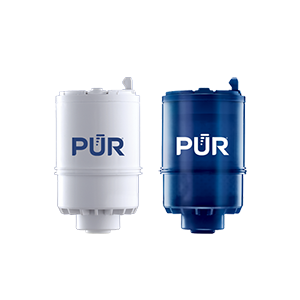
RF3375/RF9999

View Filters

PUR PLUS PITCHER FILTERS
PPF951K

View Filter

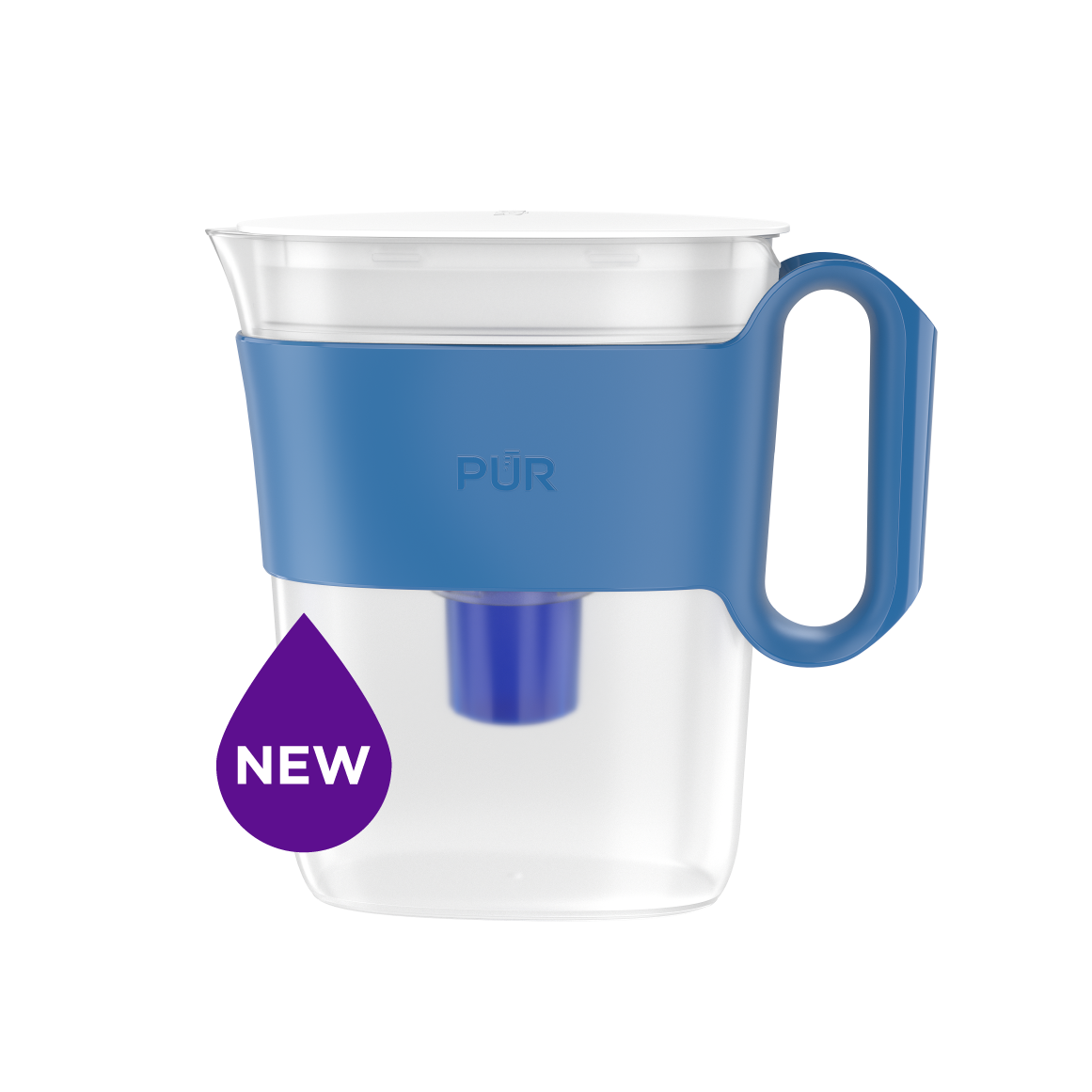
PUR BASIC PITCHER FILTERS
PPF900Z

View Filter


Vs. Brita*

Lead
Microplastics
Mercury
Chlorine Taste & Odor
DEET
TTHM

PUR’s Filtration Systems Are Certified By NSF And WQA For Their Contamination Reduction. WQA certifications as of 5/27/21 for Faucet filter models RF-3375 and RF-9999.

¹ Certified to reduce 10X more chemical and physical substances than Brita’s® leading pitcher filter.
² Certified to reduce 3X more chemical and physical substances than Brita’s® leading pitcher filter.
³ Certified to reduce 2X more chemical and physical substances than Brita’s® leading pitcher filter.
*Versus best-selling Brita® pitcher filter OB03. Brita® is a trademark of Brita LP.
**Like other leading brands, PUR does not filter microbes. As of 3/1/23 Brita® and ZeroWater® were not certified to filter microbes. Brita® is a trademark of Brita LP. ZeroWater® is a trademark of Zero Technologies, LLC..
 

PUR & PUR PLUS FAUCET FILTERS


PUR & PUR PLUS FAUCET FILTERS
RF3375/RF9999

View Filters


Vs. Brita*

Lead
Microplastics
Mercury
Chlorine Taste & Odor
DEET
TTHM

PUR’s Filtration Systems Are Certified By NSF And WQA For Their Contamination Reduction. WQA certifications as of 5/27/21 for Faucet filter models RF-3375 and RF-9999.

¹ Certified to reduce 10X more chemical and physical substances than Brita’s® leading pitcher filter.
² Certified to reduce 3X more chemical and physical substances than Brita’s® leading pitcher filter.
³ Certified to reduce 2X more chemical and physical substances than Brita’s® leading pitcher filter.
*Versus best-selling Brita® pitcher filter OB03. Brita® is a trademark of Brita LP.
**Like other leading brands, PUR does not filter microbes. As of 3/1/23 Brita® and ZeroWater® were not certified to filter microbes. Brita® is a trademark of Brita LP. ZeroWater® is a trademark of Zero Technologies, LLC..
 

PUR PLUS PITCHER FILTERS


PUR PLUS PITCHER FILTERS
PPF951K

View Filter


Vs. Brita*

Lead
Microplastics
Mercury
Chlorine Taste & Odor
DEET
TTHM

PUR’s Filtration Systems Are Certified By NSF And WQA For Their Contamination Reduction. WQA certifications as of 5/27/21 for Faucet filter models RF-3375 and RF-9999.

¹ Certified to reduce 10X more chemical and physical substances than Brita’s® leading pitcher filter.
² Certified to reduce 3X more chemical and physical substances than Brita’s® leading pitcher filter.
³ Certified to reduce 2X more chemical and physical substances than Brita’s® leading pitcher filter.
*Versus best-selling Brita® pitcher filter OB03. Brita® is a trademark of Brita LP.
**Like other leading brands, PUR does not filter microbes. As of 3/1/23 Brita® and ZeroWater® were not certified to filter microbes. Brita® is a trademark of Brita LP. ZeroWater® is a trademark of Zero Technologies, LLC..
 

PUR BASIC PITCHER FILTERS


PUR BASIC PITCHER FILTERS
PPF900Z

View Filter


Vs. Brita*

Lead
Microplastics
Mercury
Chlorine Taste & Odor
DEET
TTHM

PUR’s Filtration Systems Are Certified By NSF And WQA For Their Contamination Reduction. WQA certifications as of 5/27/21 for Faucet filter models RF-3375 and RF-9999.

¹ Certified to reduce 10X more chemical and physical substances than Brita’s® leading pitcher filter.
² Certified to reduce 3X more chemical and physical substances than Brita’s® leading pitcher filter.
³ Certified to reduce 2X more chemical and physical substances than Brita’s® leading pitcher filter.
*Versus best-selling Brita® pitcher filter OB03. Brita® is a trademark of Brita LP.
**Like other leading brands, PUR does not filter microbes. As of 3/1/23 Brita® and ZeroWater® were not certified to filter microbes. Brita® is a trademark of Brita LP. ZeroWater® is a trademark of Zero Technologies, LLC..

 

What Is the Best House Water Filter for Home Use?

Choosing the best house water filter begins with the water entering your home, not with the product’s marketing claims. The World Health Organization and UNICEF reported that 2.2 billion people lacked safely managed drinking water in 2022. Even treated municipal water can carry concerns from aging pipes, plumbing materials, or seasonal changes. A glass may look clear. That proves very little.

A reliable house water filter should match tested contaminants, flow needs, household size, and maintenance habits. The U.S. Environmental Protection Agency estimates that millions of lead service lines remain in American communities, making lead reduction a serious consideration for some homes. NSF standards, including NSF/ANSI 42, 53, and 58, help verify specific performance claims. However, certification does not mean one filter removes everything. Read the exact contaminant claim.

Think about the kitchen tap at 7 a.m., a shower running upstairs, and a replacement cartridge forgotten for six months. Point-of-use systems can target drinking water efficiently, while whole-house systems treat every outlet. Reverse osmosis can reduce many dissolved substances, but it may waste water and require more maintenance. Carbon filters can improve taste and odor, yet they are not universal solutions. The best choice is therefore conditional, and my first assumption may be too simple: “best” does not mean the most expensive. It means independently tested, correctly sized, regularly maintained, and suitable for a verified water problem. Start with a local water quality report or laboratory test. Then compare performance, certification, installation demands, and long-term cartridge costs.

What Is the Best House Water Filter for Home Use?

Define the Best Filter by Flow Rate, Capacity, and NSF/ANSI Standards

What Is the Best House Water Filter for Home Use?

Define the Best Filter by Flow Rate, Capacity, and NSF/ANSI Standards

The best household water filter is not always the most expensive model. It should match your water use, plumbing pressure, and treatment goal. A kitchen filter serving one faucet may need 0.5 to 2 gallons per minute. A whole-house system usually needs more, especially when showers and washing machines run together. Low flow can turn a normal morning into a frustrating wait.

Capacity matters just as much. It describes how many gallons the filter can treat before replacement. A busy family may exhaust a small cartridge quickly. Check the replacement schedule, not only the advertised gallon rating. Sediment, iron, and hard water can reduce real-world capacity. I have seen filters perform well in clean water but clog early in older plumbing. That detail is easy to overlook.

NSF/ANSI certification helps verify specific performance claims. Standard 42 commonly covers taste, odor, and chlorine reduction. Standard 53 addresses certain health-related contaminants. Standard 58 applies to reverse osmosis systems, while Standard 401 covers some emerging substances. Certification does not mean every contaminant is removed. Read the exact claim and testing scope. An independent laboratory report is useful, but it may still leave questions about maintenance. Choose a filter with a clear flow rating, realistic capacity, and certification matching your water report. Better evidence beats attractive promises.

Match Common Contaminants to NSF/ANSI 42, 53, 58, and 401 Claims

What Is the Best House Water Filter for Home Use?

The best house water filter depends on what is actually in your water. I start with a recent municipal report or a laboratory test. Clear water can still contain unwanted chemicals. Taste alone is not reliable.

NSF/ANSI 42 usually covers chlorine, taste, odor, and visible particles. It improves drinking quality but does not prove health protection. NSF/ANSI 53 addresses specific health-related contaminants, such as lead or certain cysts. Check the exact contaminant claim. A 53 label does not cover everything.

NSF/ANSI 58 applies to reverse osmosis systems. These systems can reduce dissolved substances, including some metals, salts, and nitrates. They may waste water and need pressure, storage, and regular maintenance. NSF/ANSI 401 concerns selected emerging contaminants, including some medicines and household chemicals. Its claim is also limited to tested substances.

I once assumed a higher standard number meant broader protection. That was wrong. Certification applies to a specific model, contaminant, and operating condition. Look for a performance data sheet, not just a large logo. Replace cartridges on schedule. A neglected filter can reduce flow and create hygiene concerns. My own choice would match the tested contaminant, household water pressure, and replacement cost. The cheapest system may become expensive when filters are difficult to find.

What Is the Best House Water Filter for Home Use? — Match Common Contaminants to NSF/ANSI 42, 53, 58, and 401 Claims

The best home water filter depends on the contaminants present, the required flow rate, and whether the system has a verified claim for the specific contaminant. An NSF/ANSI standard identifies a type of performance or material-safety claim; it does not mean that every product certified to that standard removes every contaminant listed below.

Common Water Concern Typical Source or Effect Relevant NSF/ANSI Standard Claim Commonly Associated With the Standard Suitable Home-Use Technology What to Verify Before Buying
Chlorine taste and odor Municipal disinfection; may create an unpleasant taste or smell. NSF/ANSI 42 Reduction of aesthetic impurities, especially chlorine taste and odor. Activated carbon block or granular activated carbon filter. Check the rated capacity, flow rate, replacement interval, and the exact chlorine-reduction claim.
Sediment and particulate matter Sand, rust, silt, and pipe debris; can cause cloudy water or clog fixtures. NSF/ANSI 42 Reduction of specified particulate classes, depending on the product claim. Mechanical sediment cartridge, depth filter, or carbon filter with a particulate rating. Confirm the tested particulate class and micron performance; a nominal micron rating is not the same as absolute filtration.
Lead May enter water from legacy service lines, solder, brass components, or plumbing fixtures. NSF/ANSI 53
NSF/ANSI 58
Health-effects reduction claim for lead. Standard 58 may apply when lead reduction is specifically claimed for a reverse osmosis system. Certified carbon block, specialty media, or reverse osmosis system. Look for a product-specific lead claim, not merely the words “NSF certified.” Verify rated capacity and installation location.
Cysts and protozoan organisms Examples include Giardia and Cryptosporidium; concern is greater where surface-water influence exists. NSF/ANSI 53 Reduction of specified cysts or protozoan organisms when the exact claim is listed. Certified microfiltration, ultrafiltration, or an appropriately claimed carbon-block system. Confirm the specific cyst claim and pore-performance information. This is not the same as a claim for viruses or bacteria.
Volatile organic compounds (VOCs) Some solvents, fuels, and industrial chemicals can affect taste, odor, or health. NSF/ANSI 53 Reduction of specified VOCs, such as certain solvents, when individually listed in the performance data. High-quality activated carbon, catalytic carbon, or a multi-stage system. Review the exact VOC list and capacity. Carbon performance can decline as the media becomes exhausted.
Asbestos fibers May result from deterioration of certain older cement-based water pipes. NSF/ANSI 53 Reduction of asbestos fibers when the product carries that specific health-effects claim. Certified particulate or carbon-block filtration designed for the stated claim. Confirm the exact asbestos-reduction claim and replace cartridges on schedule to maintain performance.
Total dissolved solids (TDS) Dissolved salts and minerals; high levels may affect taste, scaling, and suitability for some uses. NSF/ANSI 58 Reduction of TDS by a reverse osmosis system when the claim is stated. Reverse osmosis with sediment and carbon prefilters. Check the rated recovery, wastewater ratio, membrane replacement schedule, and whether remineralization is included.
Arsenic Naturally occurring groundwater contaminant; the chemical form can affect treatment performance. NSF/ANSI 58 Reduction of arsenic under specified test conditions, often with a stated arsenic form or operating requirement. Reverse osmosis or specialized treatment selected for the local arsenic condition. Test the source water and verify the exact arsenic claim. Do not assume all reverse osmosis systems reduce arsenic equally.
Fluoride Naturally occurring mineral or intentionally added to some public water supplies. NSF/ANSI 58 Fluoride reduction by reverse osmosis when specifically claimed. Reverse osmosis system with a properly sized membrane. Confirm the fluoride claim, inlet-water conditions, membrane efficiency, and expected treated-water flow.
Nitrate and nitrite Often associated with fertilizer, septic-system, or agricultural impacts; excessive levels are a health concern. NSF/ANSI 58 Reduction of nitrate and/or nitrite when the exact claim is listed for the system. Reverse osmosis or an appropriately certified ion-exchange system. Use laboratory testing for private wells and verify separate nitrate and nitrite performance claims where applicable.
Emerging contaminants Some pharmaceuticals, personal-care compounds, pesticides, and industrial chemicals may occur at very low concentrations. NSF/ANSI 401 Reduction of specified incidental or emerging contaminants, such as selected pharmaceuticals, pesticides, or chemicals. Advanced activated carbon, carbon block, reverse osmosis, or a multi-stage system with the relevant claim. Read the individual contaminant list. Standard 401 is not a universal claim for all pharmaceuticals, pesticides, or industrial chemicals.
BPA and selected endocrine-active compounds May be associated with certain plastics, manufacturing processes, or consumer-product residues. NSF/ANSI 401 Reduction of selected compounds when the product documentation names the specific substance. Activated carbon or reverse osmosis, depending on the verified claim and water chemistry. Confirm the exact substance, test conditions, rated capacity, and whether the claim applies to the complete system or one cartridge.
Bacteria and viruses Microbiological contamination can create an acute health risk, particularly in untreated or compromised private-water supplies. Not generally established by 42, 53, 58, or 401 alone The four standards in this table should not be interpreted as a general bacteria- or virus-removal claim. Use a treatment method specifically certified for the target organism, such as ultraviolet disinfection, ultrafiltration, or another validated process. Test the water and seek a specific microbiological claim. Disinfection and filtration are different functions.

Selection rule: Start with a recent laboratory water test or the local water-quality report, then match each detected contaminant to the exact reduction claim printed in the product performance data. NSF/ANSI 42 generally addresses aesthetic effects, NSF/ANSI 53 addresses specified health effects, NSF/ANSI 58 applies to reverse osmosis systems, and NSF/ANSI 401 addresses selected emerging or incidental contaminants.

Compare Whole-House, Under-Sink, and Countertop Filtration Systems

What Is the Best House Water Filter for Home Use?

Compare Whole-House, Under-Sink, and Countertop Filtration Systems

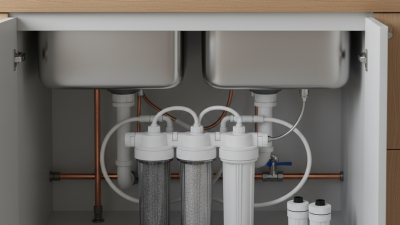
The best home water filter depends on where contamination enters your daily routine. A whole-house system treats water at the main inlet, so showers, laundry, and faucets receive filtered water. It suits homes with sediment, unpleasant odors, or verified contaminants throughout the plumbing. However, installation usually requires professional assessment, space, and regular cartridge replacement. It can also reduce pressure when poorly sized.

An under-sink filter targets drinking and cooking water without treating the entire house. In practice, it offers a useful balance between filtration performance, cost, and installation effort. Look for certified contaminant reduction claims, not vague phrases such as “pure” or “advanced.” Measure the cabinet space first. Some units need a dedicated faucet and frequent filter changes.

Countertop systems are easier to install and move between homes. They work well for renters, small kitchens, or households with modest water use. Their slower flow can feel inconvenient during meal preparation. Still, the visible setup makes maintenance harder to ignore. That helps.

No system is maintenance-free. Test questionable water through an accredited laboratory before choosing filtration technology. A sediment filter will not solve every chemical concern, while carbon media may require timely replacement to remain effective. My practical preference is to match the filter to verified water problems, household size, and maintenance habits. The cheapest option may become expensive when neglected. Conversely, an oversized whole-house unit may solve problems nobody actually has.

Calculate Household Demand, Pressure Loss, and Required Flow in GPM

What Is the Best House Water Filter for Home Use?

The best house water filter starts with demand, not a flashy micron rating. Count the fixtures that may run together: a shower, kitchen faucet, washing machine, and toilet refill. A typical shower uses 2.0–2.5 gallons per minute (GPM), while a faucet may use 1.0–2.0 GPM. Add realistic simultaneous flow, rather than every fixture in the house. For example, three active fixtures may require about 6 GPM. This estimate is imperfect. Family habits can change quickly.

Next, check pressure loss. Measure static pressure near the main supply, then compare it with pressure while water is flowing. A filter housing may lose 2–8 psi when clean, but clogged media can create a much larger drop. If incoming pressure is 55 psi and your plumbing needs 35 psi at the farthest shower, only 20 psi remains for the filter and pipe losses. Choose a filter rated above your calculated flow, with useful capacity at your target GPM. A filter rated for 10 GPM may perform poorly if that rating applies only at a high pressure.

Tips: Write down inlet pressure, pipe size, fixture flow, and filter pressure loss. Use a pressure gauge before and after installation. Leave a safety margin of roughly 20 percent. Replace cartridges when pressure falls noticeably, not only when water tastes different. Oversizing may cost more, but undersizing can produce weak showers and premature clogging. Recheck the calculation during peak household use.

What Is the Best House Water Filter for Home Use?

Household demand, pressure loss, and required flow are key factors when selecting a whole-house water filter.

The chart uses practical planning scenarios based on typical residential fixture diversity. Required flow increases as household occupancy and simultaneous water use increase. Pressure loss is estimated for 100 feet of smooth 1-inch pipe using the Hazen-Williams equation with a coefficient of 150. A filter should be sized for at least the expected peak flow while preserving enough pressure for showers, faucets, and appliances. Actual filter pressure loss must be checked against the filter element's performance curve.

Assess Replacement Costs, Maintenance Cycles, and EPA Health Guidance

Choosing the best home water filter starts with the water problem, not the product shape. EPA guidance recommends identifying likely contaminants through your local water quality report or laboratory testing. A filter certified for chlorine may not reduce lead, PFAS, or microbes. Certification matters, but it does not mean the filter removes everything.

Replacement costs can exceed the purchase price. Sediment cartridges may need changing every three to six months, while carbon cartridges often last six to twelve months. Heavy use, cloudy water, and poor plumbing can shorten these cycles. Watch for slower flow, unusual taste, or a damp housing. Those signs are not decoration. They may indicate overdue maintenance. I once assumed a clear cartridge was still effective; that was a poor assumption. Appearance cannot measure performance.

Tips: Record the installation date. Compare annual cartridge prices before buying. Follow the stated capacity, not only the calendar. Clean housings with safe methods, inspect seals, and replace damaged parts promptly. Never ignore a leak near electrical equipment. For private wells, test water regularly, because EPA household guidance mainly addresses drinking water risks and does not replace local testing. Choose a system with accessible replacement parts and clear performance claims. A cheaper filter may become expensive when cartridges are difficult to find.