Contaminant Comparison Chart

For a complete list of contaminants that PUR filters reduce, please view our Performance Data Sheets here.


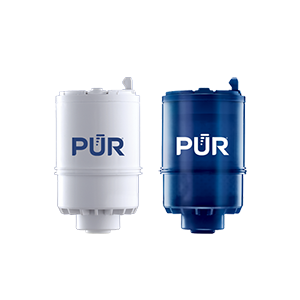
PUR & PUR PLUS FAUCET FILTERS
RF3375/RF9999

View Filters

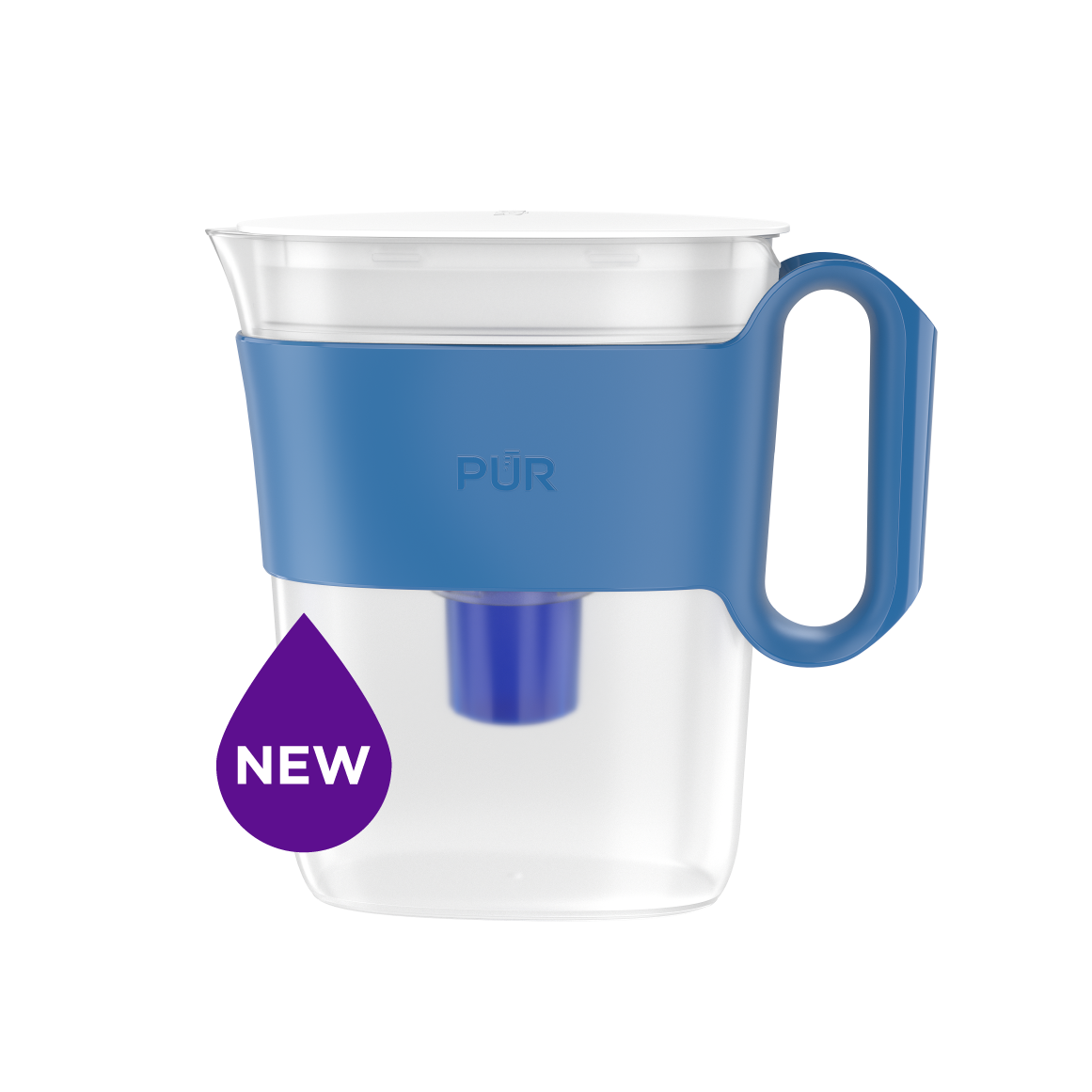
PUR PLUS PITCHER FILTERS
PPF951K

View Filter

PUR BASIC PITCHER FILTERS
PPF900Z

View Filter


Vs. Brita*

Lead
Microplastics
Mercury
Chlorine Taste & Odor
DEET
TTHM

PUR’s Filtration Systems Are Certified By NSF And WQA For Their Contamination Reduction. WQA certifications as of 5/27/21 for Faucet filter models RF-3375 and RF-9999.

¹ Certified to reduce 10X more chemical and physical substances than Brita’s® leading pitcher filter.
² Certified to reduce 3X more chemical and physical substances than Brita’s® leading pitcher filter.
³ Certified to reduce 2X more chemical and physical substances than Brita’s® leading pitcher filter.
*Versus best-selling Brita® pitcher filter OB03. Brita® is a trademark of Brita LP.
**Like other leading brands, PUR does not filter microbes. As of 3/1/23 Brita® and ZeroWater® were not certified to filter microbes. Brita® is a trademark of Brita LP. ZeroWater® is a trademark of Zero Technologies, LLC..
 

PUR & PUR PLUS FAUCET FILTERS


PUR & PUR PLUS FAUCET FILTERS
RF3375/RF9999

View Filters


Vs. Brita*

Lead
Microplastics
Mercury
Chlorine Taste & Odor
DEET
TTHM

PUR’s Filtration Systems Are Certified By NSF And WQA For Their Contamination Reduction. WQA certifications as of 5/27/21 for Faucet filter models RF-3375 and RF-9999.

¹ Certified to reduce 10X more chemical and physical substances than Brita’s® leading pitcher filter.
² Certified to reduce 3X more chemical and physical substances than Brita’s® leading pitcher filter.
³ Certified to reduce 2X more chemical and physical substances than Brita’s® leading pitcher filter.
*Versus best-selling Brita® pitcher filter OB03. Brita® is a trademark of Brita LP.
**Like other leading brands, PUR does not filter microbes. As of 3/1/23 Brita® and ZeroWater® were not certified to filter microbes. Brita® is a trademark of Brita LP. ZeroWater® is a trademark of Zero Technologies, LLC..
 

PUR PLUS PITCHER FILTERS


PUR PLUS PITCHER FILTERS
PPF951K

View Filter


Vs. Brita*

Lead
Microplastics
Mercury
Chlorine Taste & Odor
DEET
TTHM

PUR’s Filtration Systems Are Certified By NSF And WQA For Their Contamination Reduction. WQA certifications as of 5/27/21 for Faucet filter models RF-3375 and RF-9999.

¹ Certified to reduce 10X more chemical and physical substances than Brita’s® leading pitcher filter.
² Certified to reduce 3X more chemical and physical substances than Brita’s® leading pitcher filter.
³ Certified to reduce 2X more chemical and physical substances than Brita’s® leading pitcher filter.
*Versus best-selling Brita® pitcher filter OB03. Brita® is a trademark of Brita LP.
**Like other leading brands, PUR does not filter microbes. As of 3/1/23 Brita® and ZeroWater® were not certified to filter microbes. Brita® is a trademark of Brita LP. ZeroWater® is a trademark of Zero Technologies, LLC..
 

PUR BASIC PITCHER FILTERS


PUR BASIC PITCHER FILTERS
PPF900Z

View Filter


Vs. Brita*

Lead
Microplastics
Mercury
Chlorine Taste & Odor
DEET
TTHM

PUR’s Filtration Systems Are Certified By NSF And WQA For Their Contamination Reduction. WQA certifications as of 5/27/21 for Faucet filter models RF-3375 and RF-9999.

¹ Certified to reduce 10X more chemical and physical substances than Brita’s® leading pitcher filter.
² Certified to reduce 3X more chemical and physical substances than Brita’s® leading pitcher filter.
³ Certified to reduce 2X more chemical and physical substances than Brita’s® leading pitcher filter.
*Versus best-selling Brita® pitcher filter OB03. Brita® is a trademark of Brita LP.
**Like other leading brands, PUR does not filter microbes. As of 3/1/23 Brita® and ZeroWater® were not certified to filter microbes. Brita® is a trademark of Brita LP. ZeroWater® is a trademark of Zero Technologies, LLC..
 

2026 Best House Water Filter Options for Clean Safe Drinking Water?

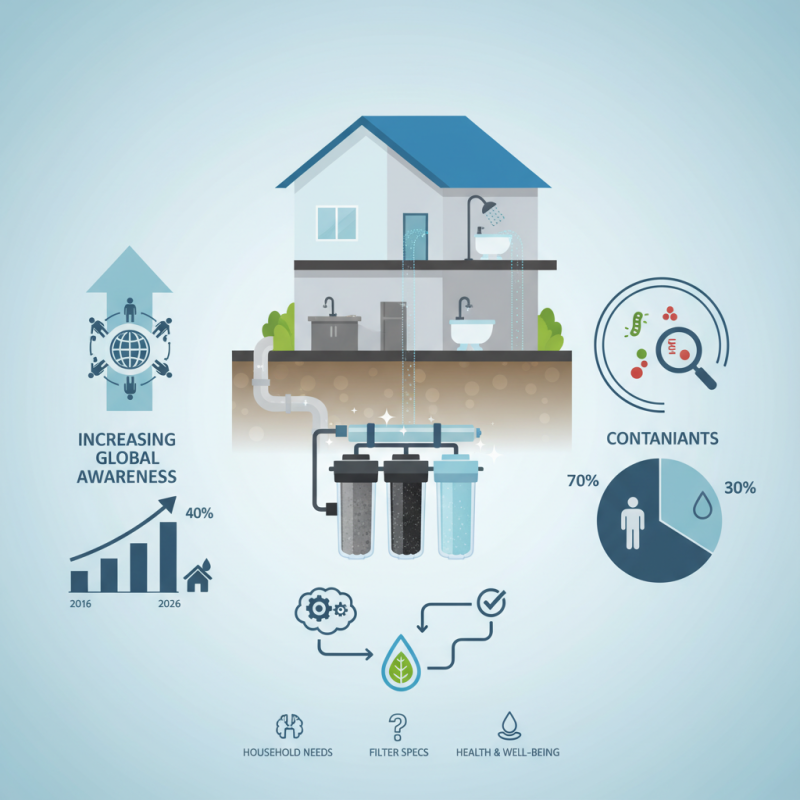
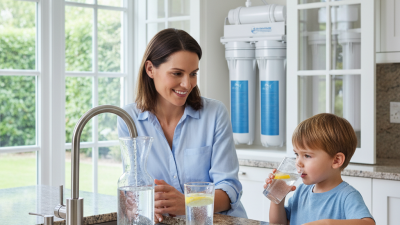
As global awareness of clean water access increases, the demand for effective house water filters is surging. According to recent data from the Water Quality Association, over 40% of American households now use some form of water filtration system. Expert Dr. Jane Anderson, a leading figure in the water purification industry, states, "Investing in a quality house water filter is vital for health and well-being."

Navigating the vast array of available options can be challenging. Many filters promise clean water but vary significantly in performance. A report from the Environmental Protection Agency highlights that nearly 70 million Americans are exposed to contaminants in their tap water. This staggering number highlights the necessity for robust filtration solutions in households across the nation.

While innovation continues to drive the industry forward, some products fail to meet expectations. Thus, selecting the right house water filter requires careful consideration. Understanding unique household needs and filter specifications is crucial. Reflection on these factors can lead to healthier, safer water in homes everywhere.

2026 Best House Water Filter Options for Clean Safe Drinking Water?

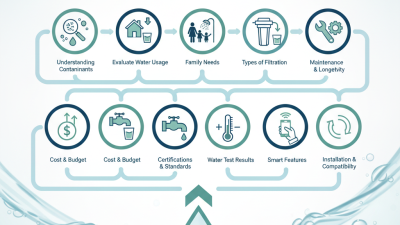
Understanding the Importance of Clean Drinking Water in 2026

Clean drinking water is a fundamental human need. In 2026, the importance of ensuring access to safe water continues to grow. Water quality can significantly affect health. Contaminated water leads to illness, especially among children and the elderly.

Tips for ensuring clean drinking water include: regular testing. You can buy simple water testing kits online. These kits help identify contaminants like bacteria and heavy metals. It’s wise to check your local water quality reports, too. Sometimes we assume our tap water is safe, but that’s not always true.

Consider investing in a water filtration system. Look for options that remove a broad range of contaminants. A proper filter can greatly improve the taste and safety of your drinking water. Remember to change filters regularly. Neglected filters can become breeding grounds for bacteria. Taking these steps might seem tedious, but they are crucial for your health. Don't overlook your water source; it matters a lot.

Types of House Water Filters Available for Home Use

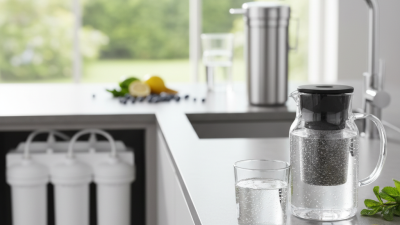
When it comes to ensuring clean and safe drinking water at home, several types of house water filters are available. One popular option is the activated carbon filter. This filter works by removing chlorine and other contaminants. It improves taste and smell. Many homeowners appreciate the simplicity and ease of installation.

Another choice is reverse osmosis (RO) systems. These systems are more complex and often installed under the sink. They can remove dissolved solids and heavy metals. While effective, they can waste a significant amount of water. This makes some users reconsider if the benefits outweigh the downsides.

Lastly, UV filters are gaining popularity. They use ultraviolet light to kill bacteria and viruses. Although they are chemical-free, these systems do not remove chemicals or particles. They require regular maintenance and may not be suitable for all homes. Understanding each type’s strengths and weaknesses can help homeowners make informed choices.

2026 Best House Water Filter Options for Clean Safe Drinking Water

Filter Type Removal Capabilities Lifespan (Months) Cost Range ($) Installation Type
Activated Carbon Filter Chlorine, Sediment, Odors 6-12 50-200 Under Sink
Reverse Osmosis System Heavy Metals, Salts, Nitrates 24-36 200-600 Under Sink
Ultraviolet (UV) Filter Bacteria, Viruses 12-18 150-400 Point of Use
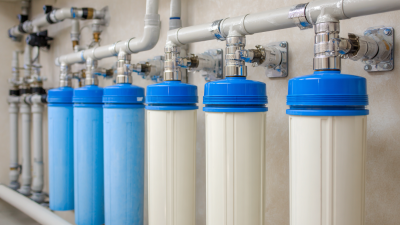
Whole House Filter Sediment, Chlorine, Heavy Metals 6-12 300-1000 Whole House
Ceramic Filter Bacteria, Sediment 12-24 40-150 Countertop

Key Features to Consider When Choosing a Water Filter

When selecting a water filter, it's essential to focus on key features. Filtration capacity is one crucial aspect. Filters that remove bacteria and sediments can significantly improve water quality. Studies show that nearly 60% of home tap water contains contaminants. Thus, investing in a robust filtration system is wise.

Consider the type of filtration technology utilized. Carbon filters are popular for removing chlorine and odor. Reverse osmosis systems offer deep purification. However, they may waste a significant amount of water—up to three gallons for every gallon filtered. This inefficiency raises concerns, prompting some to seek alternatives.

Tip: Check the filter's lifespan. Regular replacement can ensure optimal performance. Neglecting this could lead to recontamination and compromised water quality. Look for filters that notify you when it's time for a change.

Additionally, consider maintenance requirements. Some systems require professional installation, while others are user-friendly. It's essential to weigh the initial costs against possible long-term expenses. Sometimes, the cheapest options may require costly upkeep. Balancing affordability with functionality is critical for a sound decision.

Top 2026 Recommendations for House Water Filters

In 2026, choosing the right house water filter is crucial for ensuring clean and safe drinking water. A significant report from the Water Quality Association indicates that over 85% of American households have some type of water quality issue. With contaminants ranging from lead to chlorine, selecting the appropriate filtration system is essential for health.

Various options are available on the market. Activated carbon filters effectively reduce chlorine and improve taste. Reverse osmosis systems target heavy metals and other harmful substances. However, it’s vital to consider specific household needs. Some filters require regular maintenance, which can be a burden. Users often overlook this aspect, leading to declining water quality over time.

A study by the Environmental Protection Agency mentions that roughly 77 million Americans have drinking water that violates safety standards. This statistic highlights the urgency for effective filtration solutions. While many filters claim to purify water, proper research and understanding are needed. Choosing a filter without fully assessing its capabilities can lead to unmet expectations.

2026 Best House Water Filter Options for Clean Safe Drinking Water

Maintenance Tips for Ensuring Optimal Filter Performance

2026 Best House Water Filter Options for Clean Safe Drinking Water?

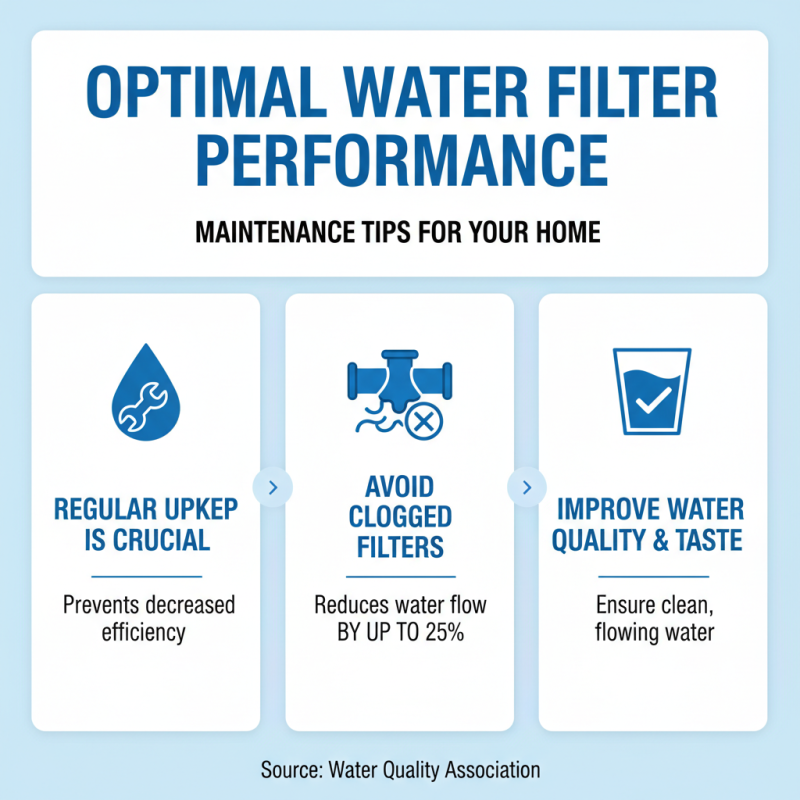
To maintain optimal performance of house water filters, regular upkeep is critical. According to the Water Quality Association, neglecting filter maintenance can lead to decreased filtration efficiency. For example, a clogged filter can reduce water flow by as much as 25%. This can affect your water quality and taste.

It's recommended to replace filters according to the manufacturer's guidelines. Many filters need replacing every 6 to 12 months. However, certain factors may require more frequent changes. Water quality, usage rate, and filter type play significant roles. Monitoring your filter can save money and improve health.

Cleaning the filter system regularly extends its life. With households using an average of 300 gallons of water daily, proper maintenance becomes essential. Inspect connections for leaks and ensure there is no buildup around the filter cartridge. Not taking these steps can lead to countless problems, including contaminated drinking water. It's easy to overlook these details. Regular reminders for filter checks could help prevent issues down the line.