Contaminant Comparison Chart

For a complete list of contaminants that PUR filters reduce, please view our Performance Data Sheets here.


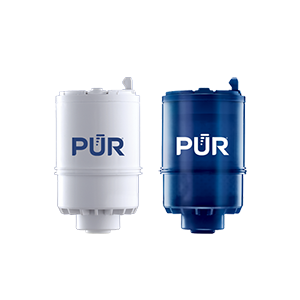
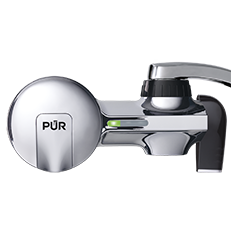
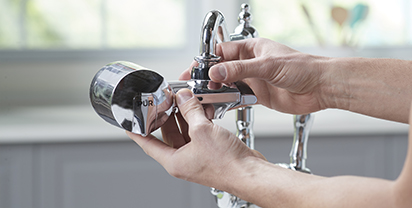
PUR & PUR PLUS FAUCET FILTERS
RF3375/RF9999

View Filters

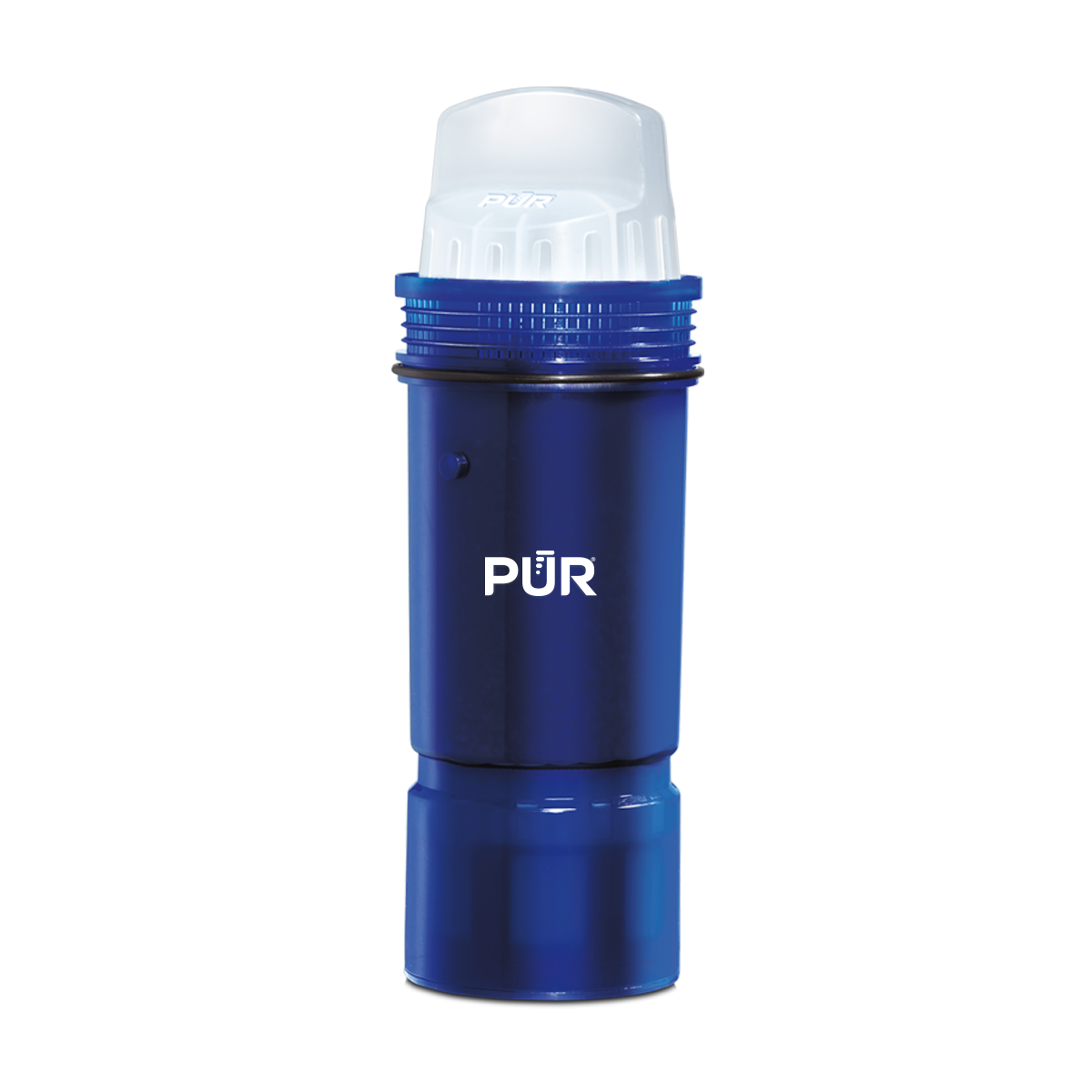
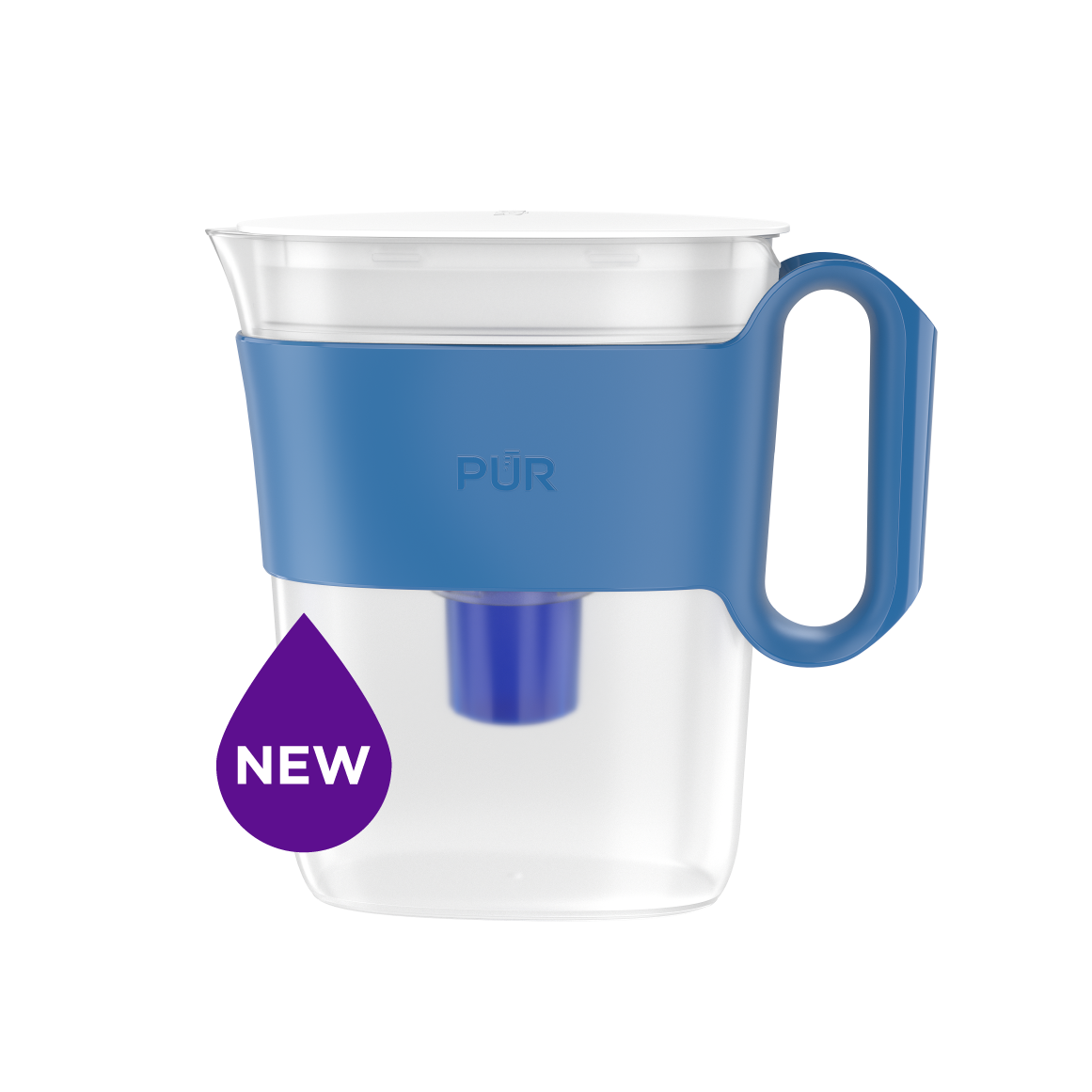
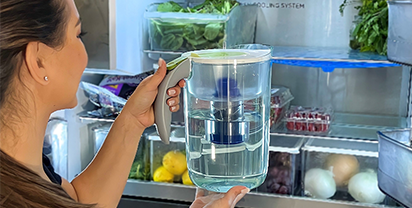
PUR PLUS PITCHER FILTERS
PPF951K

View Filter

PUR BASIC PITCHER FILTERS
PPF900Z

View Filter


Vs. Brita*

Lead
Microplastics
Mercury
Chlorine Taste & Odor
DEET
TTHM

PUR’s Filtration Systems Are Certified By NSF And WQA For Their Contamination Reduction. WQA certifications as of 5/27/21 for Faucet filter models RF-3375 and RF-9999.

¹ Certified to reduce 10X more chemical and physical substances than Brita’s® leading pitcher filter.
² Certified to reduce 3X more chemical and physical substances than Brita’s® leading pitcher filter.
³ Certified to reduce 2X more chemical and physical substances than Brita’s® leading pitcher filter.
*Versus best-selling Brita® pitcher filter OB03. Brita® is a trademark of Brita LP.
**Like other leading brands, PUR does not filter microbes. As of 3/1/23 Brita® and ZeroWater® were not certified to filter microbes. Brita® is a trademark of Brita LP. ZeroWater® is a trademark of Zero Technologies, LLC..

 

PUR & PUR PLUS FAUCET FILTERS


PUR & PUR PLUS FAUCET FILTERS
RF3375/RF9999

View Filters


Vs. Brita*

Lead
Microplastics
Mercury
Chlorine Taste & Odor
DEET
TTHM

PUR’s Filtration Systems Are Certified By NSF And WQA For Their Contamination Reduction. WQA certifications as of 5/27/21 for Faucet filter models RF-3375 and RF-9999.

¹ Certified to reduce 10X more chemical and physical substances than Brita’s® leading pitcher filter.
² Certified to reduce 3X more chemical and physical substances than Brita’s® leading pitcher filter.
³ Certified to reduce 2X more chemical and physical substances than Brita’s® leading pitcher filter.
*Versus best-selling Brita® pitcher filter OB03. Brita® is a trademark of Brita LP.
**Like other leading brands, PUR does not filter microbes. As of 3/1/23 Brita® and ZeroWater® were not certified to filter microbes. Brita® is a trademark of Brita LP. ZeroWater® is a trademark of Zero Technologies, LLC..


PUR PLUS PITCHER FILTERS


PUR PLUS PITCHER FILTERS
PPF951K

View Filter


Vs. Brita*

Lead
Microplastics
Mercury
Chlorine Taste & Odor
DEET
TTHM

PUR’s Filtration Systems Are Certified By NSF And WQA For Their Contamination Reduction. WQA certifications as of 5/27/21 for Faucet filter models RF-3375 and RF-9999.

¹ Certified to reduce 10X more chemical and physical substances than Brita’s® leading pitcher filter.
² Certified to reduce 3X more chemical and physical substances than Brita’s® leading pitcher filter.
³ Certified to reduce 2X more chemical and physical substances than Brita’s® leading pitcher filter.
*Versus best-selling Brita® pitcher filter OB03. Brita® is a trademark of Brita LP.
**Like other leading brands, PUR does not filter microbes. As of 3/1/23 Brita® and ZeroWater® were not certified to filter microbes. Brita® is a trademark of Brita LP. ZeroWater® is a trademark of Zero Technologies, LLC..
 

PUR BASIC PITCHER FILTERS


PUR BASIC PITCHER FILTERS
PPF900Z

View Filter


Vs. Brita*

Lead
Microplastics
Mercury
Chlorine Taste & Odor
DEET
TTHM

PUR’s Filtration Systems Are Certified By NSF And WQA For Their Contamination Reduction. WQA certifications as of 5/27/21 for Faucet filter models RF-3375 and RF-9999.

¹ Certified to reduce 10X more chemical and physical substances than Brita’s® leading pitcher filter.
² Certified to reduce 3X more chemical and physical substances than Brita’s® leading pitcher filter.
³ Certified to reduce 2X more chemical and physical substances than Brita’s® leading pitcher filter.
*Versus best-selling Brita® pitcher filter OB03. Brita® is a trademark of Brita LP.
**Like other leading brands, PUR does not filter microbes. As of 3/1/23 Brita® and ZeroWater® were not certified to filter microbes. Brita® is a trademark of Brita LP. ZeroWater® is a trademark of Zero Technologies, LLC..
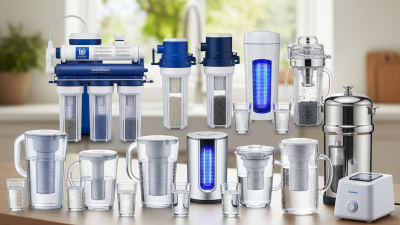
 

7 Best House Water Filters for Clean Drinking Water: Expert-Approved Ratings & Reviews

In today's world, access to clean, safe drinking water is more essential than ever. As we become increasingly aware of the contaminants that can infiltrate our water supply, many homeowners are seeking effective solutions to ensure their family's health and well-being. One of the best ways to achieve this is by investing in a high-quality house water filter. This article presents an expert-approved list of the top 5 house water filters for 2025, meticulously reviewed to help you make an informed decision based on performance, reliability, and affordability.

7 Best House Water Filters for Clean Drinking Water: Expert-Approved Ratings & Reviews

Choosing the right house water filter can be a daunting task, given the multitude of options available on the market. From advanced multi-stage filtration systems to simple faucet-mounted devices, each type has its own benefits and drawbacks. Our expert insights highlight not only the effectiveness of these filters in removing harmful substances such as chlorine, heavy metals, and bacteria but also their ease of use and maintenance. By the end of this article, you will find the perfect house water filter that meets your needs, ensuring that you and your family enjoy clean, fresh drinking water every day.

The Importance of Water Filtration: Industry Insights and Data

Water filtration is becoming increasingly important across various industries, driven by rising awareness of health and environmental sustainability. In the food and beverage sector, the demand for clean water directly impacts product quality and consumer safety. The municipal water treatment industry is also evolving to meet stricter regulatory standards and public demand for safe drinking water. Consequently, companies in these sectors are investing in advanced filtration technologies like microfiltration (MF), ultrafiltration (UF), and reverse osmosis (RO) to ensure the purity of water.

In terms of regional insights, the refrigerator water filter market is projected to grow significantly, expanding from $1.42 billion in 2026 to $2.24 billion by 2034, with a compound annual growth rate (CAGR) of 5.9%. Furthermore, the global ion exchange resin market, particularly in marine, EU, and Japanese sectors, is slated for growth, reflecting an increasing reliance on efficient water purification methods. The semiconductor manufacturing industry is also expected to see robust growth for ultrapure water, with market size predicted to rise from $650 million in 2022 to $1.02 billion by 2030, indicating the critical need for high-quality water in technology-driven sectors.

Top Contaminants in Drinking Water: What the Numbers Show

Access to safe drinking water is increasingly becoming a global concern, with recent reports indicating a staggering 60% rise in serious water pollution events in England alone. According to the Environmental Protection Agency (EPA), certain regions in the United States have been identified with alarming levels of contaminants, particularly PFAS (per- and polyfluoroalkyl substances), known as "forever chemicals," which have been linked to numerous health risks. Studies highlight that even minimal exposure to arsenic in drinking water can contribute to adverse birth outcomes, making it crucial for consumers to understand the purity of their tap water.

Furthermore, data from the Environmental Working Group (EWG) reveals that millions of Americans are drinking water that contains multiple contaminants, with some states registering significantly higher concentrations. This situation underscores the importance of employing high-quality water filtration systems in households. As contamination levels rise, investing in a reliable water filter not only enhances the quality of drinking water but is also a critical step in safeguarding public health, particularly in an environment where clean water is not guaranteed.

Types of House Water Filters: Pros, Cons, and Expert Recommendations

7 Best House Water Filters for Clean Drinking Water: Expert-Approved Ratings & Reviews

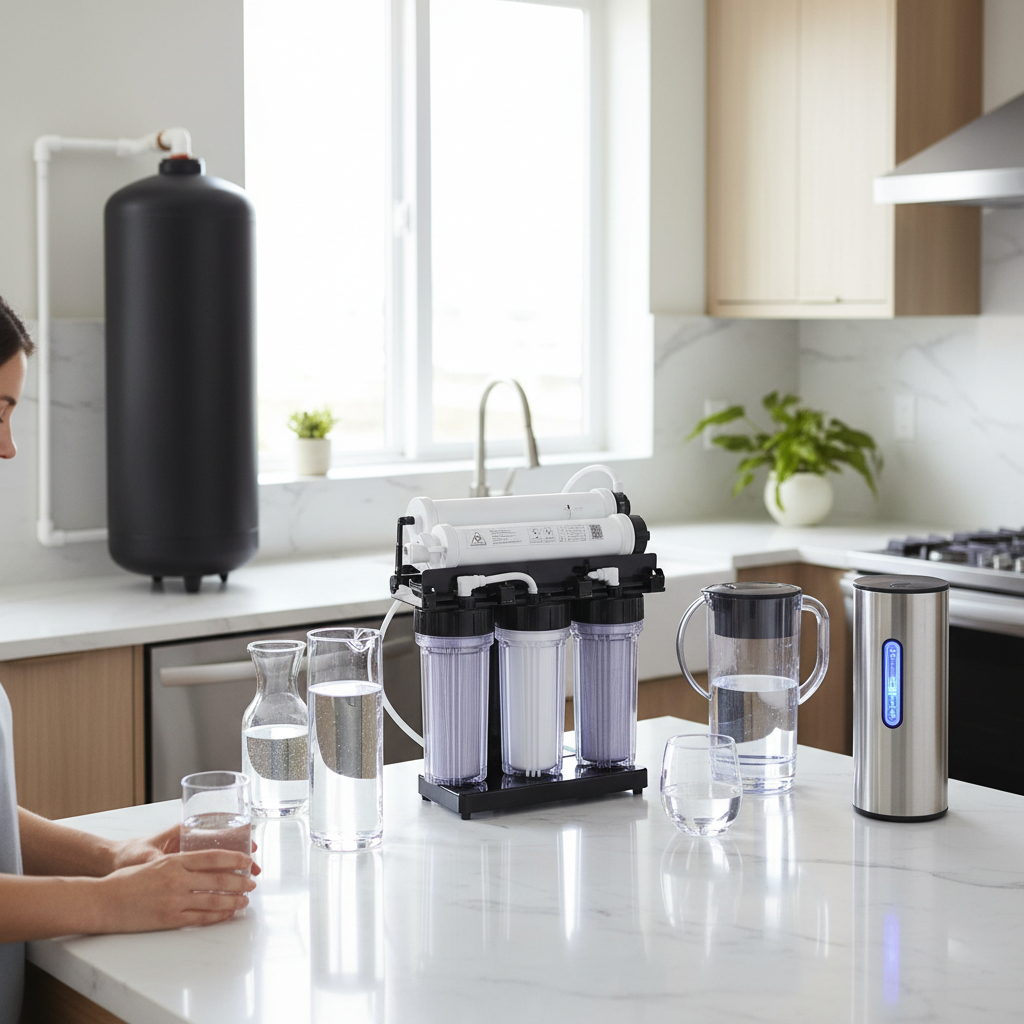
When it comes to ensuring clean drinking water at home, understanding the various types of house water filters can significantly impact your choice. The most common types of filters include activated carbon filters, reverse osmosis systems, and UV purifiers. According to the Water Quality Association, approximately 40% of American households utilize some form of water filtration, emphasizing the importance of selecting the right system based on your specific water quality concerns.

Activated carbon filters effectively reduce chlorine and improve taste but may not remove heavy metals or bacteria. Meanwhile, reverse osmosis systems are known for their thorough filtration process, effectively eliminating a wide range of contaminants, including lead and fluoride. However, they tend to waste a considerable amount of water during the filtration process. Experts recommend testing your water to identify contaminants before choosing a system, ensuring you make an informed decision tailored to your needs.

**Tip:** Regular maintenance is crucial. Replace filters as recommended by the manufacturer to ensure optimal performance. Additionally, consider using a water testing kit annually to monitor any changes in water quality. This proactive approach can safeguard your family’s health while maximizing the efficiency of your chosen filtration system.

Key Features to Consider When Choosing a Water Filter

When selecting the best house water filter for clean drinking water, several key features should be taken into account. Firstly, the type of filtration system is paramount. Common options include activated carbon filters, reverse osmosis systems, and UV filters, each catering to different needs. For instance, activated carbon filters excel at removing chlorine and sediment, while reverse osmosis systems can target heavy metals and fluoride. Understanding the specific contaminants present in your water will guide you in choosing the most appropriate filtration method.

Another critical consideration is the filter’s capacity and replacement frequency. Filters vary in how much water they can process before needing a replacement, with some models lasting several months and others requiring more frequent changes. Look for filters with an easy-to-replace design to ensure maintenance is straightforward. Additionally, certifications from organizations like NSF International can provide assurance that a filter meets certain performance standards, further influencing your decision. By weighing these features, you can select a water filter that not only meets your household's water quality needs but also integrates seamlessly into your lifestyle.

7 Best House Water Filters for Clean Drinking Water

Filter Type Filtration Method Contaminants Removed Filter Lifespan Flow Rate (GPM) Price Range
Under-Sink Filter Reverse Osmosis Lead, Chlorine, Fluoride 2 years 0.5 GPM $150 - $300
Countertop Filter Carbon Block Chlorine, Sediment 1 year 1 GPM $50 - $100
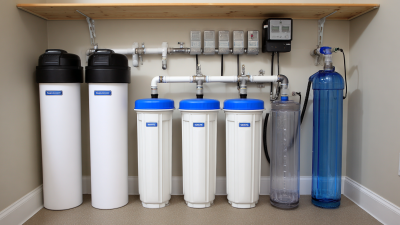
Whole House Filter Sediment + Carbon Sediment, Chlorine, VOCs 5 years 10 GPM $300 - $600
Pitcher Filter Activated Carbon Chlorine, Metals 2 months 0.3 GPM $20 - $40
Reverse Osmosis System Reverse Osmosis Arsenic, Fluoride, Lead 2-3 years 0.75 GPM $200 - $500
UV Water Purifier UV Radiation Bacteria, Viruses 1 year (lamp) 1 GPM $150 - $400
Inline Filter Carbon Filter Chlorine, Chemicals 1 year 0.5 GPM $30 - $70

Cost Analysis: Investing in Water Quality for Healthier Living

Investing in clean drinking water is not only a necessary step for individual health but also plays a vital role in improving overall community well-being. According to recent studies, inadequate access to clean drinking water results in approximately 1.4 million deaths annually, with the majority occurring in low- and middle-income countries. This alarming statistic underscores the importance of investing in effective water filtration systems. The long-term benefits of such investments extend beyond health, contributing to increased productivity and reduced healthcare costs.

Moreover, an analysis of water quality improvements highlights the importance of addressing multiple contaminants found in drinking water across the U.S., including arsenic and disinfection byproducts. As demand for high-quality water rises due to population growth, investing in advanced water filtration solutions proves to be cost-effective. Communities that prioritize clean water access not only see enhanced public health but also experience economic growth driven by a healthier workforce. By acknowledging the cost-benefit implications, stakeholders can unite to advocate for better water quality measures, ensuring safer drinking water for all.

Comparison of Water Filter Types and Their Costs