Contaminant Comparison Chart

For a complete list of contaminants that PUR filters reduce, please view our Performance Data Sheets here.


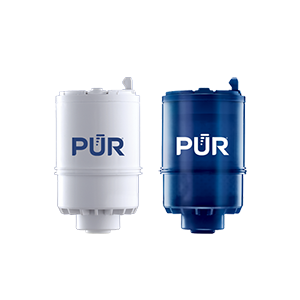
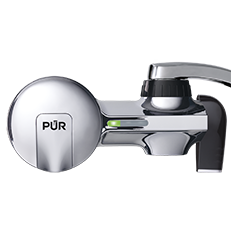
PUR & PUR PLUS FAUCET FILTERS
RF3375/RF9999

View Filters

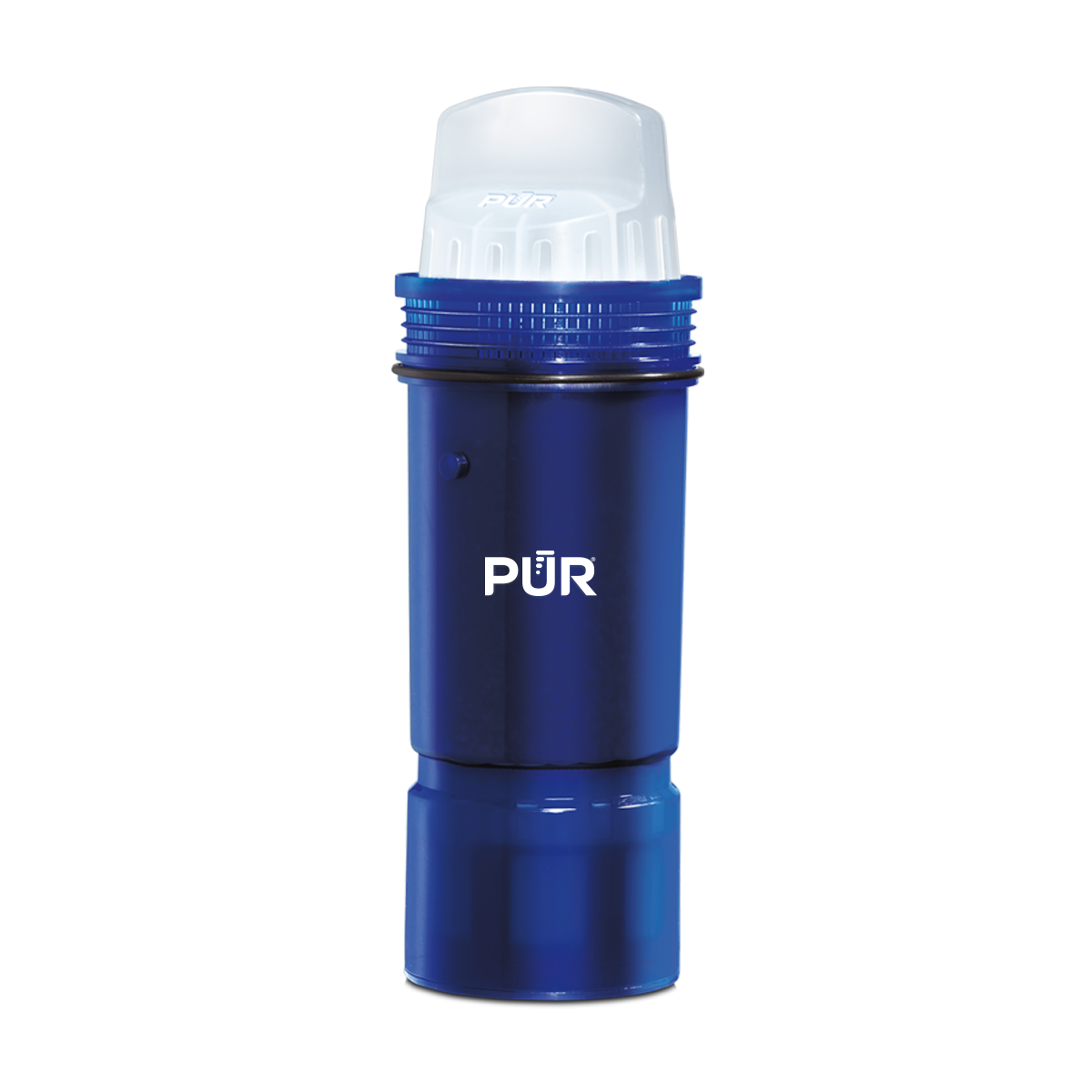
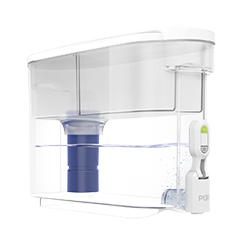
PUR PLUS PITCHER FILTERS
PPF951K

View Filter

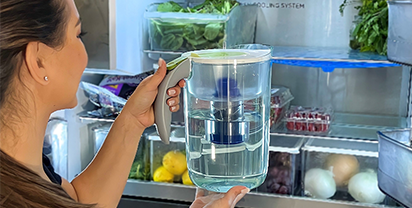
PUR BASIC PITCHER FILTERS
PPF900Z

View Filter


Vs. Brita*

Lead
Microplastics
Mercury
Chlorine Taste & Odor
DEET
TTHM

PUR’s Filtration Systems Are Certified By NSF And WQA For Their Contamination Reduction. WQA certifications as of 5/27/21 for Faucet filter models RF-3375 and RF-9999.

¹ Certified to reduce 10X more chemical and physical substances than Brita’s® leading pitcher filter.
² Certified to reduce 3X more chemical and physical substances than Brita’s® leading pitcher filter.
³ Certified to reduce 2X more chemical and physical substances than Brita’s® leading pitcher filter.
*Versus best-selling Brita® pitcher filter OB03. Brita® is a trademark of Brita LP.
**Like other leading brands, PUR does not filter microbes. As of 3/1/23 Brita® and ZeroWater® were not certified to filter microbes. Brita® is a trademark of Brita LP. ZeroWater® is a trademark of Zero Technologies, LLC..
 

PUR & PUR PLUS FAUCET FILTERS


PUR & PUR PLUS FAUCET FILTERS
RF3375/RF9999

View Filters


Vs. Brita*

Lead
Microplastics
Mercury
Chlorine Taste & Odor
DEET
TTHM

PUR’s Filtration Systems Are Certified By NSF And WQA For Their Contamination Reduction. WQA certifications as of 5/27/21 for Faucet filter models RF-3375 and RF-9999.

¹ Certified to reduce 10X more chemical and physical substances than Brita’s® leading pitcher filter.
² Certified to reduce 3X more chemical and physical substances than Brita’s® leading pitcher filter.
³ Certified to reduce 2X more chemical and physical substances than Brita’s® leading pitcher filter.
*Versus best-selling Brita® pitcher filter OB03. Brita® is a trademark of Brita LP.
**Like other leading brands, PUR does not filter microbes. As of 3/1/23 Brita® and ZeroWater® were not certified to filter microbes. Brita® is a trademark of Brita LP. ZeroWater® is a trademark of Zero Technologies, LLC..


PUR PLUS PITCHER FILTERS


PUR PLUS PITCHER FILTERS
PPF951K

View Filter


Vs. Brita*

Lead
Microplastics
Mercury
Chlorine Taste & Odor
DEET
TTHM

PUR’s Filtration Systems Are Certified By NSF And WQA For Their Contamination Reduction. WQA certifications as of 5/27/21 for Faucet filter models RF-3375 and RF-9999.

¹ Certified to reduce 10X more chemical and physical substances than Brita’s® leading pitcher filter.
² Certified to reduce 3X more chemical and physical substances than Brita’s® leading pitcher filter.
³ Certified to reduce 2X more chemical and physical substances than Brita’s® leading pitcher filter.
*Versus best-selling Brita® pitcher filter OB03. Brita® is a trademark of Brita LP.
**Like other leading brands, PUR does not filter microbes. As of 3/1/23 Brita® and ZeroWater® were not certified to filter microbes. Brita® is a trademark of Brita LP. ZeroWater® is a trademark of Zero Technologies, LLC..


PUR BASIC PITCHER FILTERS


PUR BASIC PITCHER FILTERS
PPF900Z

View Filter


Vs. Brita*

Lead
Microplastics
Mercury
Chlorine Taste & Odor
DEET
TTHM

PUR’s Filtration Systems Are Certified By NSF And WQA For Their Contamination Reduction. WQA certifications as of 5/27/21 for Faucet filter models RF-3375 and RF-9999.

¹ Certified to reduce 10X more chemical and physical substances than Brita’s® leading pitcher filter.
² Certified to reduce 3X more chemical and physical substances than Brita’s® leading pitcher filter.
³ Certified to reduce 2X more chemical and physical substances than Brita’s® leading pitcher filter.
*Versus best-selling Brita® pitcher filter OB03. Brita® is a trademark of Brita LP.
**Like other leading brands, PUR does not filter microbes. As of 3/1/23 Brita® and ZeroWater® were not certified to filter microbes. Brita® is a trademark of Brita LP. ZeroWater® is a trademark of Zero Technologies, LLC..


2026 Best Outdoor Fountains for Your Garden Design Ideas?

Creating a captivating garden often involves thoughtful choices. Among these, outdoor fountains stand out. They add elegance and tranquility. An outdoor fountain can transform your garden into a serene oasis.

In 2026, the best outdoor fountains blend functionality with aesthetics. Each fountain varies in size, style, and material. Some feature intricate designs while others are minimalist. The right fountain can enhance your garden's overall theme.

While choosing, think about the sound of water. It creates a calming atmosphere. However, maintenance can be a challenge. Regular cleaning and care are essential. Despite potential drawbacks, the beauty outdoor fountains bring is undeniable. They serve as a centerpiece and a source of joy.

2026 Best Outdoor Fountains for Your Garden Design Ideas?

The Importance of Outdoor Fountains in Garden Design: An Industry Overview

Outdoor fountains play a crucial role in enhancing garden designs. They add visual interest and create a soothing environment. The sound of flowing water brings tranquility. This helps foster relaxation in outdoor spaces, making them perfect for unwinding after a busy day.

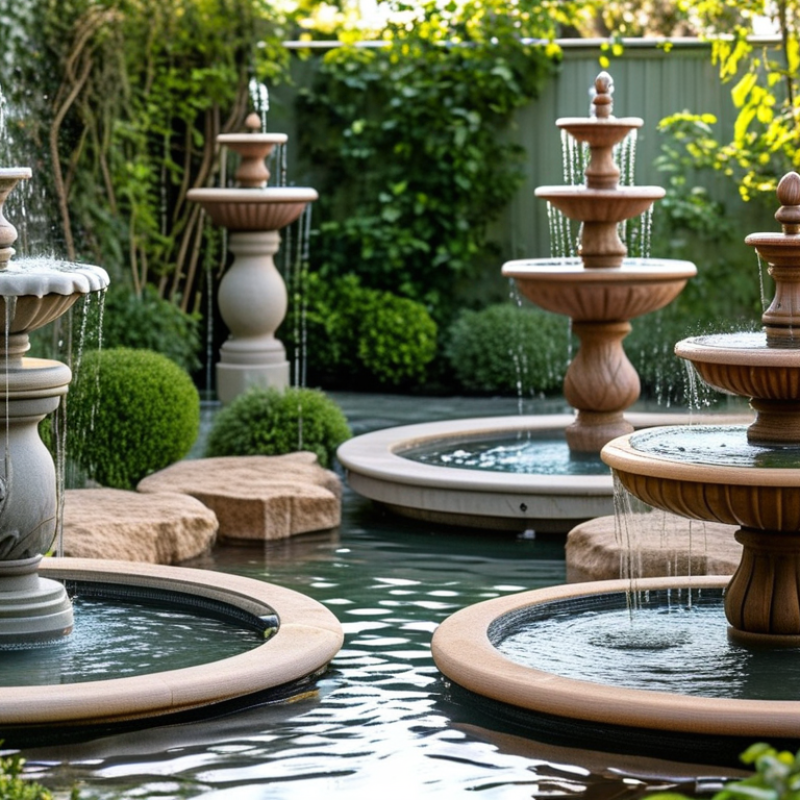
Choosing the right fountain is essential. Consider the size and style that complement your garden’s theme. A large, tiered fountain can act as a focal point. In contrast, a small wall-mounted fountain may work best in a cozy nook. Be mindful of the materials you select. Stone, ceramic, and metal each offer different aesthetics and durability.

Tip: Position your fountain where it can be easily seen and heard. This creates a peaceful atmosphere. Remember to regularly maintain your fountain. Clean the pump and check the water level frequently. Neglect can lead to unexpected repairs and maintenance challenges. Water quality matters, too. Ensure it's fresh to avoid algae build-up. Take time to reflect on your choices, as each element contributes to the overall harmony of your garden.

Top Trends in Outdoor Fountain Design for 2026: A Comprehensive Analysis

As we look toward 2026, outdoor fountain design is evolving rapidly. Homeowners are increasingly drawn to sustainable options. Consider solar-powered fountains that blend effortlessly with nature. These choices save energy while maintaining aesthetic appeal. Materials like recycled stone and ceramic are gaining popularity. They not only look great but are environmentally friendly as well.

The trend towards minimalist designs continues to rise. Simple, elegant shapes capture attention without overwhelming the landscape. Water features that create soothing soundscapes enhance relaxation in gardens. Some designs combine multiple elements, like lighting and water movement. This adds depth and interest to the space.

While innovative designs abound, some may feel impersonal. Balancing modernity with elements that evoke nostalgia can be tricky. Homeowners should reflect on their personal styles. Not every design resonates with every garden. Finding the right balance means considering space, function, and the natural surroundings. Each choice contributes to a cohesive and inviting environment.

Selecting Materials for Outdoor Fountains: Durability and Aesthetic Appeal

When selecting materials for outdoor fountains, durability and aesthetic appeal are paramount. Popular choices include stone, metal, and fiberglass. Each material offers unique benefits. For instance, stone fountains can withstand harsh weather, but they may require regular maintenance to prevent algae growth. Metal surfaces are often resistant to rust and corrosion but should be treated to maintain appearance.

According to a report by the American Society of Landscape Architects, about 59% of homeowners seek water features for their gardens. The choice of material significantly influences the fountain's longevity and visual charm. A fiberglass fountain is lightweight and easier to install, but it may not have the same gravitas as a classic stone piece. Aesthetically, a natural stone finish blends beautifully with gardens, enhancing the overall scenery.

However, it's crucial to consider the local climate when selecting materials. In areas with extreme temperatures, certain materials may not perform well over time. For example, some metals might experience heat expansion, leading to cracks. Reflecting on these aspects can ensure that your outdoor fountain complements your garden design effectively.

2026 Best Outdoor Fountains Material Comparison

Impact of Water Features on Property Value: Industry Statistics and Insights

Water features, such as fountains, can significantly enhance property values. According to a report by the National Association of Realtors, homes with water features can sell for up to 15% more than similar homes without them. This statistic highlights the increasing demand for unique landscaping elements that create an inviting atmosphere. Buyers are drawn to serene visuals and relaxing sounds that water features provide.

Landscape architecture often emphasizes the incorporation of water features in garden design. A study from the American Society of Landscape Architects revealed that 35% of homebuyers prioritize outdoor living spaces, including water elements. Moreover, properties with fountains or ponds show better curb appeal, making them more desirable in competitive real estate markets. Yet, homeowners should carefully consider maintenance costs and placement to maximize aesthetic impact.

Investing in outdoor fountains may not always yield immediate returns. Market trends fluctuate, and buyer preferences can change. Some regions may place less emphasis on water features due to climate constraints or personal taste. Proper research and understanding of local markets are crucial for homeowners considering these enhancements. Balancing aesthetics with financial implications is key to making informed landscaping decisions.

Maintenance Tips for Outdoor Fountains: Ensuring Longevity and Functionality

Outdoor fountains can enhance garden aesthetics but require attention. Proper maintenance extends their lifespan and keeps them functioning optimally. Regular cleaning is essential. Accumulation of debris can clog pumps and reduce water flow. Studies show that over 30% of fountain owners neglect this task, risking costly repairs.


Water quality is another key factor. Stagnant water can promote algae growth, affecting not just appearance but fountain health. Change water regularly. Use filters to keep it clean. According to a landscaping report, maintaining clean water can increase a fountain's lifespan by 20%.


Seasonal care is vital too. In colder climates, fountains should be winterized to prevent freezing. Empty the fountain and cover it to shield from ice. Many homeowners overlook this step, leading to cracks and expensive repairs. Ensuring these practices can safeguard your fountain for years.