
Contaminant Comparison Chart

For a complete list of contaminants that PUR filters reduce, please view our Performance Data Sheets here.


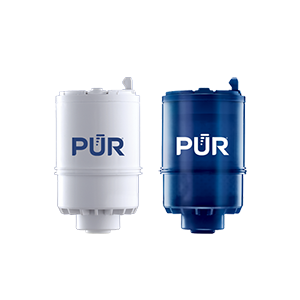
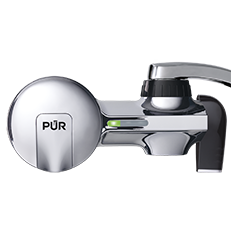
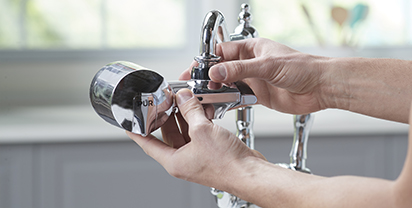
PUR & PUR PLUS FAUCET FILTERS
RF3375/RF9999

View Filters

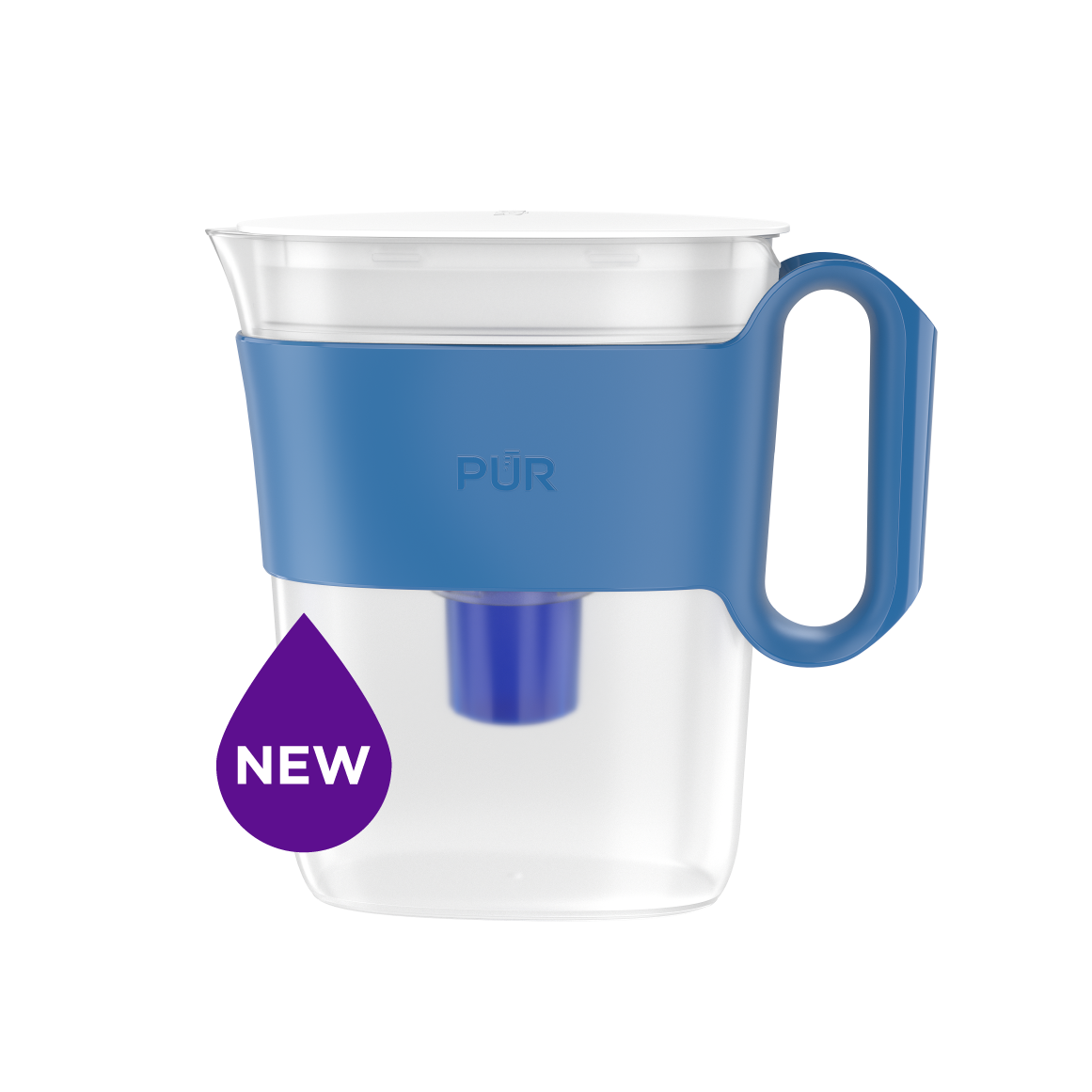
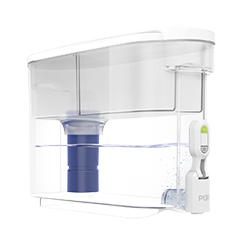
PUR PLUS PITCHER FILTERS
PPF951K

View Filter

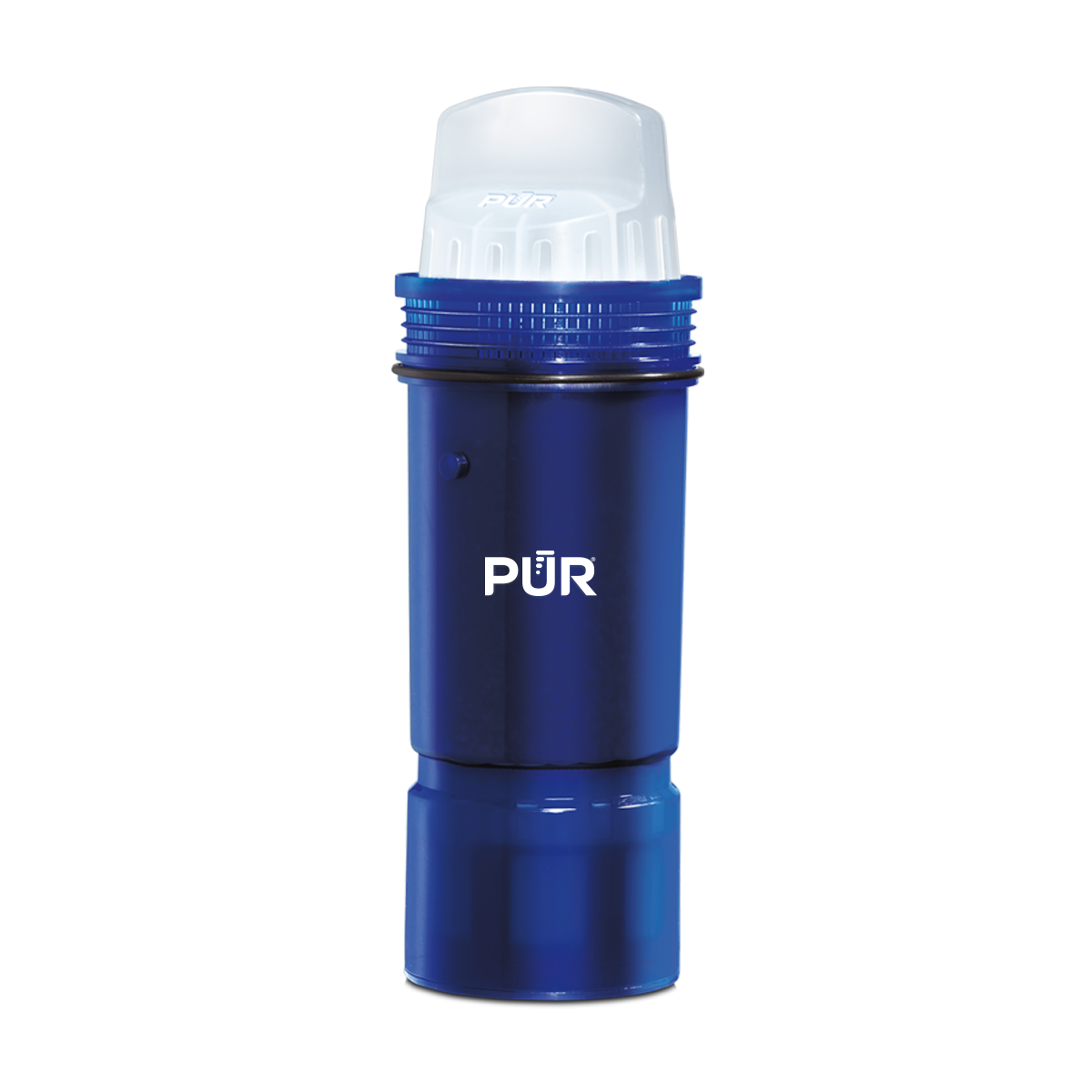
PUR BASIC PITCHER FILTERS
PPF900Z

View Filter


Vs. Brita*

Lead
Microplastics
Mercury
Chlorine Taste & Odor
DEET
TTHM

PUR’s Filtration Systems Are Certified By NSF And WQA For Their Contamination Reduction. WQA certifications as of 5/27/21 for Faucet filter models RF-3375 and RF-9999.

¹ Certified to reduce 10X more chemical and physical substances than Brita’s® leading pitcher filter.
² Certified to reduce 3X more chemical and physical substances than Brita’s® leading pitcher filter.
³ Certified to reduce 2X more chemical and physical substances than Brita’s® leading pitcher filter.
*Versus best-selling Brita® pitcher filter OB03. Brita® is a trademark of Brita LP.
**Like other leading brands, PUR does not filter microbes. As of 3/1/23 Brita® and ZeroWater® were not certified to filter microbes. Brita® is a trademark of Brita LP. ZeroWater® is a trademark of Zero Technologies, LLC..
 

PUR & PUR PLUS FAUCET FILTERS


PUR & PUR PLUS FAUCET FILTERS
RF3375/RF9999

View Filters


Vs. Brita*

Lead
Microplastics
Mercury
Chlorine Taste & Odor
DEET
TTHM

PUR’s Filtration Systems Are Certified By NSF And WQA For Their Contamination Reduction. WQA certifications as of 5/27/21 for Faucet filter models RF-3375 and RF-9999.

¹ Certified to reduce 10X more chemical and physical substances than Brita’s® leading pitcher filter.
² Certified to reduce 3X more chemical and physical substances than Brita’s® leading pitcher filter.
³ Certified to reduce 2X more chemical and physical substances than Brita’s® leading pitcher filter.
*Versus best-selling Brita® pitcher filter OB03. Brita® is a trademark of Brita LP.
**Like other leading brands, PUR does not filter microbes. As of 3/1/23 Brita® and ZeroWater® were not certified to filter microbes. Brita® is a trademark of Brita LP. ZeroWater® is a trademark of Zero Technologies, LLC..


PUR PLUS PITCHER FILTERS


PUR PLUS PITCHER FILTERS
PPF951K

View Filter


Vs. Brita*

Lead
Microplastics
Mercury
Chlorine Taste & Odor
DEET
TTHM

PUR’s Filtration Systems Are Certified By NSF And WQA For Their Contamination Reduction. WQA certifications as of 5/27/21 for Faucet filter models RF-3375 and RF-9999.

¹ Certified to reduce 10X more chemical and physical substances than Brita’s® leading pitcher filter.
² Certified to reduce 3X more chemical and physical substances than Brita’s® leading pitcher filter.
³ Certified to reduce 2X more chemical and physical substances than Brita’s® leading pitcher filter.
*Versus best-selling Brita® pitcher filter OB03. Brita® is a trademark of Brita LP.
**Like other leading brands, PUR does not filter microbes. As of 3/1/23 Brita® and ZeroWater® were not certified to filter microbes. Brita® is a trademark of Brita LP. ZeroWater® is a trademark of Zero Technologies, LLC..


PUR BASIC PITCHER FILTERS


PUR BASIC PITCHER FILTERS
PPF900Z

View Filter


Vs. Brita*

Lead
Microplastics
Mercury
Chlorine Taste & Odor
DEET
TTHM

PUR’s Filtration Systems Are Certified By NSF And WQA For Their Contamination Reduction. WQA certifications as of 5/27/21 for Faucet filter models RF-3375 and RF-9999.

¹ Certified to reduce 10X more chemical and physical substances than Brita’s® leading pitcher filter.
² Certified to reduce 3X more chemical and physical substances than Brita’s® leading pitcher filter.
³ Certified to reduce 2X more chemical and physical substances than Brita’s® leading pitcher filter.
*Versus best-selling Brita® pitcher filter OB03. Brita® is a trademark of Brita LP.
**Like other leading brands, PUR does not filter microbes. As of 3/1/23 Brita® and ZeroWater® were not certified to filter microbes. Brita® is a trademark of Brita LP. ZeroWater® is a trademark of Zero Technologies, LLC..


What is the Best Screw Air Compressor for Your Business Needs?

When selecting a Screw Air Compressor for your business, expert insights are invaluable. John Smith, a renowned specialist in industrial air systems, states, “Choosing the right screw air compressor can significantly enhance operational efficiency.” His knowledge highlights the importance of tailoring your choice to specific business needs.

Screw air compressors deliver reliable performance and energy efficiency. Each model offers unique features that cater to different applications. It’s essential to evaluate your requirements carefully. Factors such as air demands, space, and compressor type play a crucial role in your decision. A compressor that suits one business may not fit another.

Reflect on common mistakes made during selection. Some businesses opt for cheaper models, overlooking their long-term impact on performance. Others fail to consider lifecycle costs. Approaching the decision with thorough research will help you avoid these pitfalls. A well-chosen screw air compressor can drive productivity and save on costs. Your business deserves the best equipment for optimal results.

What is the Best Screw Air Compressor for Your Business Needs?

Understanding Screw Air Compressors and Their Functionality

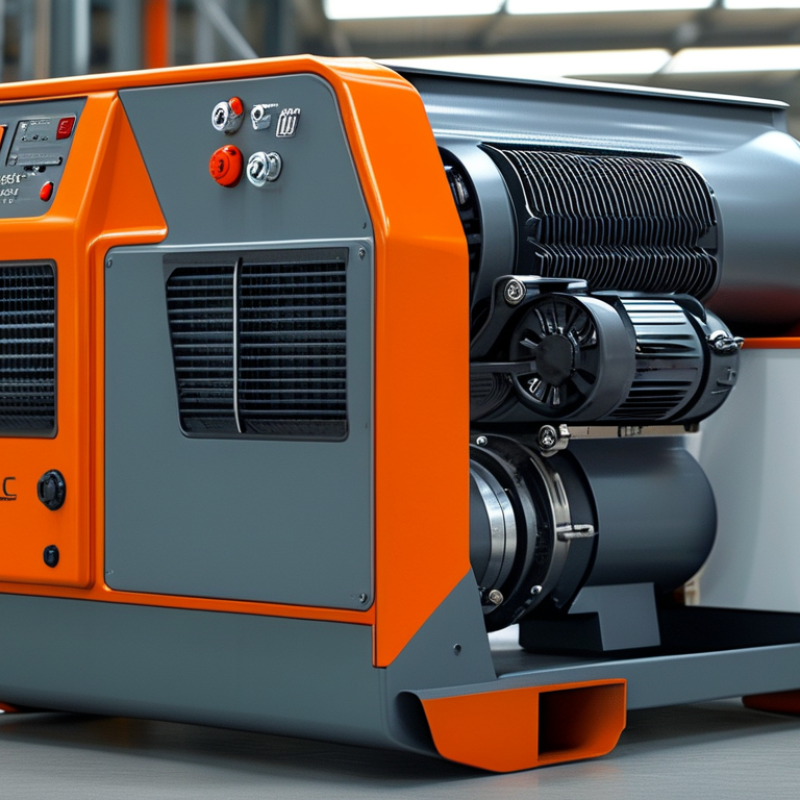
Screw air compressors are essential for various businesses. They operate using two rotors to compress air. This design offers efficiency and reliability, making them a popular choice for industrial applications. Understanding their functionality is crucial when selecting the right compressor for your needs.

These compressors deliver a continuous flow of air. They are quieter than other types, which is beneficial in work environments. The maintenance of screw air compressors can be straightforward, but it requires regular check-ups. Pay attention to the oil levels and filter cleanliness. Neglecting these can lead to performance issues.

Consider the specific requirements of your business. Look at factors like air demand and pressure needs. A mismatch can result in inefficiencies. Sometimes, a larger compressor may seem appealing, but it can lead to unnecessary energy costs. Focus on your actual usage to make an informed choice. Balancing capacity and demand is key for effective performance.

Key Factors to Consider When Selecting a Screw Air Compressor

When selecting a screw air compressor, understanding your business needs is crucial. Consider the compressor's capacity. It should meet your production requirements without being oversized. An oversized unit can waste energy and inflate operational costs. Efficient energy use is vital for long-term savings.

Next, evaluate the system's reliability and maintenance needs. Regular maintenance can minimize downtime and extend the compressor's lifespan. Look for features like easy access to components for routine checks. A good warranty can also provide peace of mind. It’s an indicator of the manufacturer’s confidence in their product.

Additionally, noise levels are often overlooked yet essential. In a workplace, excessive noise can impact employee comfort and productivity. Choose a model designed for quieter operation, especially if your facility is in a residential area. Remember, each business is unique, and a careful assessment of these factors will help ensure you make the right decision.

Comparing Different Types of Screw Air Compressors Available

When selecting a screw air compressor, understanding the different types is crucial. Rotary screw compressors are popular for their continuous operation. They provide a steady flow of compressed air. Their efficiency makes them suitable for various industrial applications. However, they can be expensive to maintain, and their installation may require significant space.

Another option is the oil-injected screw compressor. This type integrates oil with the air. It helps cool the compressor during operation, increasing efficiency. Yet, users must be wary of oil contamination. Regular maintenance is essential to avoid operational issues.

For businesses focusing on energy efficiency, oil-free screw compressors are a viable choice. They produce cleaner air, ideal for industries like food and pharmaceuticals. But they typically have a higher upfront cost and can be complex to operate. Each type of compressor fits specific needs, and the choice should align with your operational priorities and budget constraints.

What is the Best Screw Air Compressor for Your Business Needs?

Type Power (HP) Pressure (PSI) Flow Rate (CFM) Efficiency Rating Noise Level (dB) Price ($)
Oil-injected 10 100 40 85% 75 2000
Oil-free 15 125 55 90% 70 3000
Variable Speed Drive 20 150 60 92% 68 4000
Rotary Screw 25 175 75 88% 72 5000

Evaluating the Energy Efficiency of Screw Air Compressors

When considering screw air compressors, energy efficiency is paramount. These machines often operate for long hours, which can lead to significant energy costs. An energy-efficient model can save businesses money in the long run. Look for machines that offer variable speed drives to adjust output according to demand. This feature can greatly enhance efficiency.

Another important aspect is maintenance. Regular servicing can impact the efficiency of the compressor. A well-maintained unit runs smoother, consuming less energy. However, some businesses neglect this aspect, which can lead to increased operational costs. It's vital to have a reliable maintenance schedule that focuses on checking and replacing worn-out components.

While many compressors promise high efficiency, not all live up to the expectations. Understanding the specific needs of your business can guide the decision-making process. Evaluate the compressor's specifications carefully and consider how it aligns with your operational demands. This reflection on energy use can reveal opportunities for cost savings and improved performance.

Maintenance and Operational Tips for Optimal Performance

Regular maintenance is key to extending the lifespan of your screw air compressor. Check oil levels frequently and replace oil as needed. Clean or replace air filters at regular intervals. This prevents dust buildup that can affect performance. Monitoring temperature and pressure regularly is also crucial. Abnormal readings may indicate underlying issues that require immediate attention.

Operational practices play a significant role in compressor efficiency. Ensure that the compressor operates within its designed parameters. Avoid overloading the system, as this can lead to increased wear and tear. Maintain appropriate ambient conditions; excessive heat can reduce efficiency. Pay attention to unusual noises during operation; they might signal a need for service.

Implementing these strategies can lead to noticeable improvements in performance. Workers often overlook minor irregularities until they turn into major issues. Encouraging teams to report anomalies can foster a proactive maintenance culture. This approach not only saves costs but also enhances overall operational reliability. A thoughtful and engaged perspective on maintenance yields substantial benefits.

Performance Comparison of Different Screw Air Compressors