
Contaminant Comparison Chart

For a complete list of contaminants that PUR filters reduce, please view our Performance Data Sheets here.


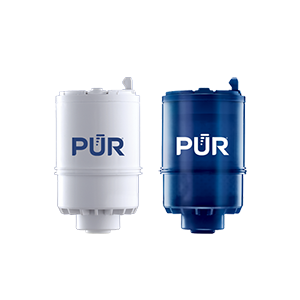
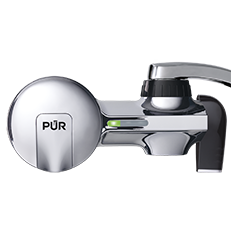
PUR & PUR PLUS FAUCET FILTERS
RF3375/RF9999

View Filters

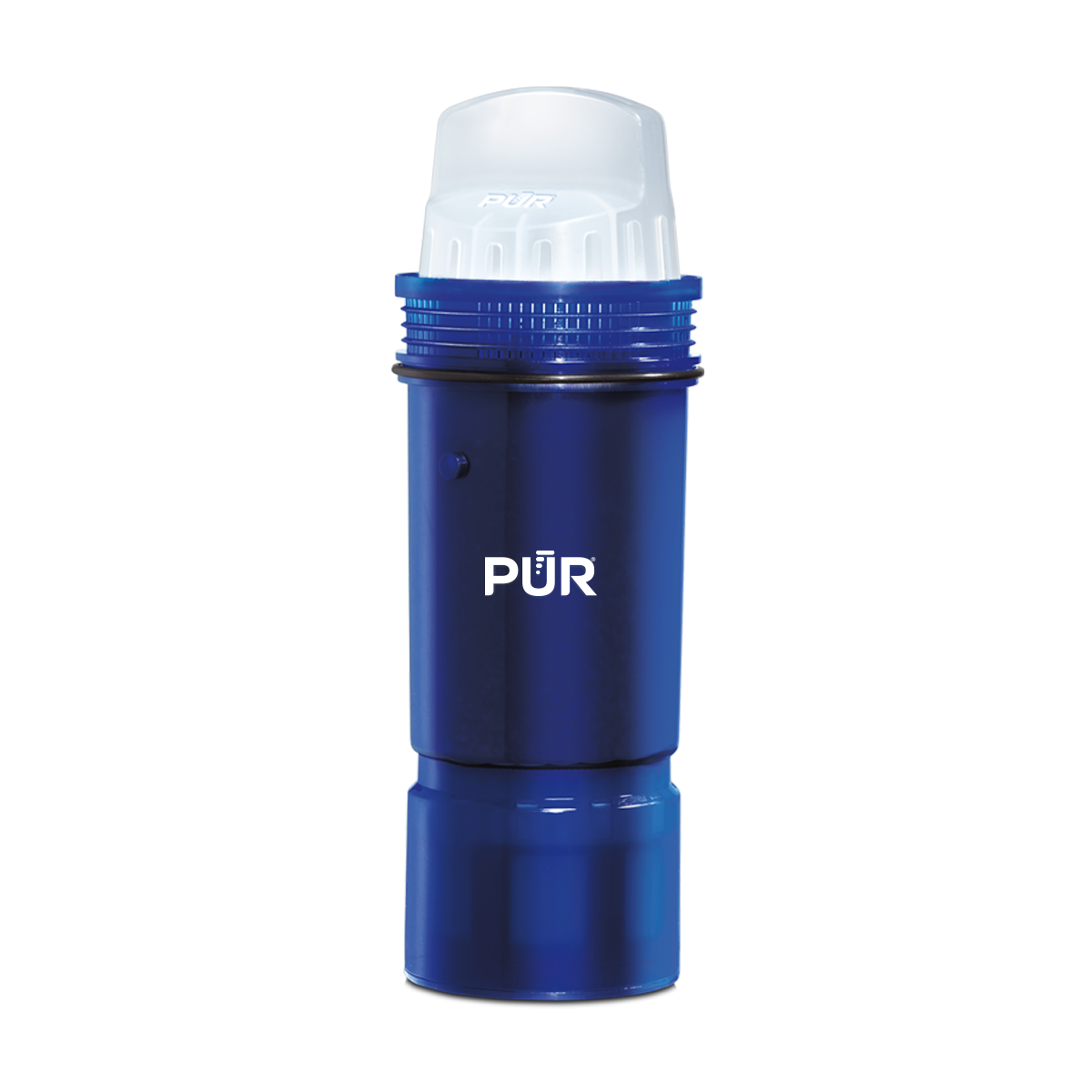
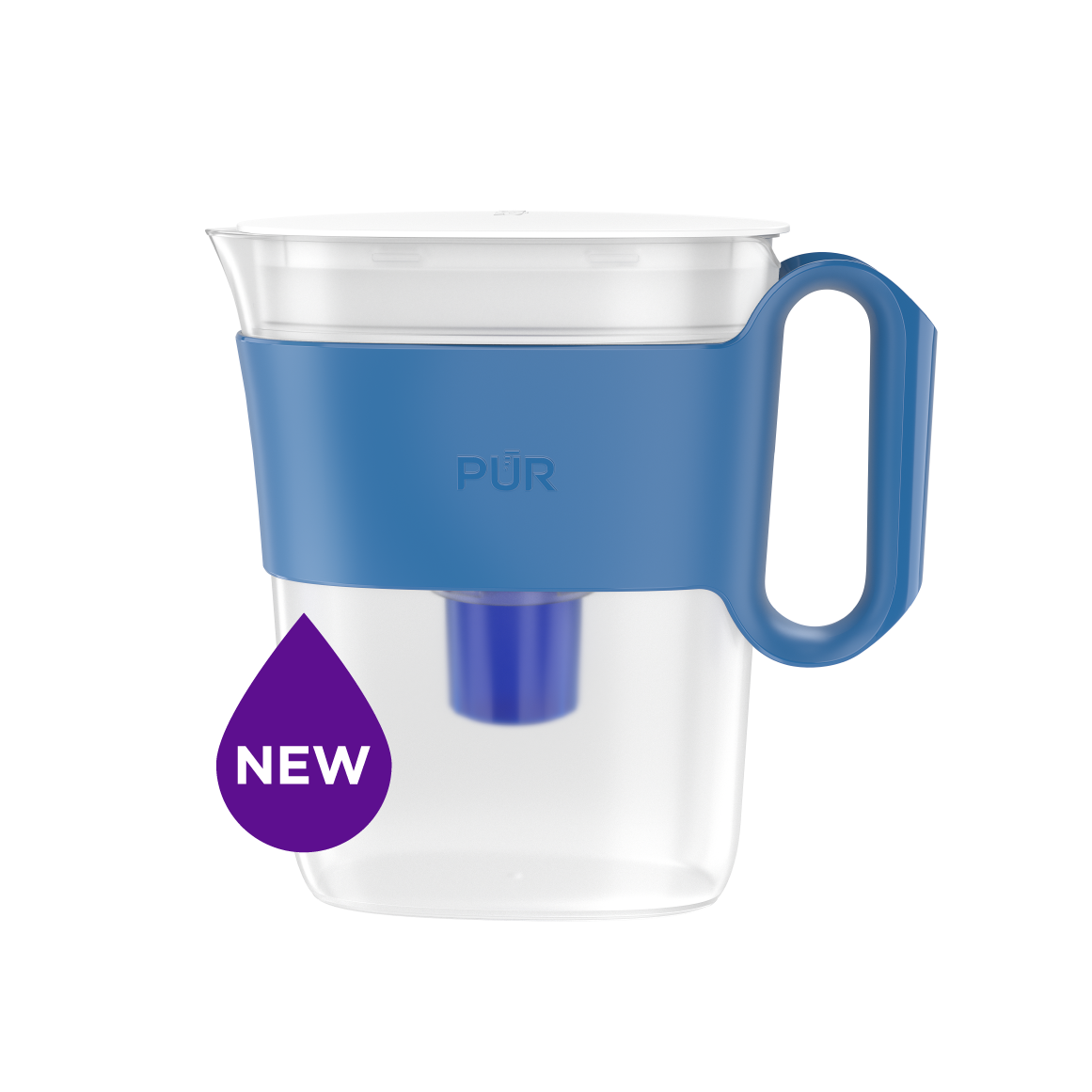
PUR PLUS PITCHER FILTERS
PPF951K

View Filter

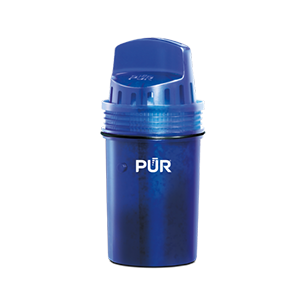
PUR BASIC PITCHER FILTERS
PPF900Z

View Filter


Vs. Brita*

Lead
Microplastics
Mercury
Chlorine Taste & Odor
DEET
TTHM

PUR’s Filtration Systems Are Certified By NSF And WQA For Their Contamination Reduction. WQA certifications as of 5/27/21 for Faucet filter models RF-3375 and RF-9999.

¹ Certified to reduce 10X more chemical and physical substances than Brita’s® leading pitcher filter.
² Certified to reduce 3X more chemical and physical substances than Brita’s® leading pitcher filter.
³ Certified to reduce 2X more chemical and physical substances than Brita’s® leading pitcher filter.
*Versus best-selling Brita® pitcher filter OB03. Brita® is a trademark of Brita LP.
**Like other leading brands, PUR does not filter microbes. As of 3/1/23 Brita® and ZeroWater® were not certified to filter microbes. Brita® is a trademark of Brita LP. ZeroWater® is a trademark of Zero Technologies, LLC..
 

PUR & PUR PLUS FAUCET FILTERS


PUR & PUR PLUS FAUCET FILTERS
RF3375/RF9999

View Filters


Vs. Brita*

Lead
Microplastics
Mercury
Chlorine Taste & Odor
DEET
TTHM

PUR’s Filtration Systems Are Certified By NSF And WQA For Their Contamination Reduction. WQA certifications as of 5/27/21 for Faucet filter models RF-3375 and RF-9999.

¹ Certified to reduce 10X more chemical and physical substances than Brita’s® leading pitcher filter.
² Certified to reduce 3X more chemical and physical substances than Brita’s® leading pitcher filter.
³ Certified to reduce 2X more chemical and physical substances than Brita’s® leading pitcher filter.
*Versus best-selling Brita® pitcher filter OB03. Brita® is a trademark of Brita LP.
**Like other leading brands, PUR does not filter microbes. As of 3/1/23 Brita® and ZeroWater® were not certified to filter microbes. Brita® is a trademark of Brita LP. ZeroWater® is a trademark of Zero Technologies, LLC..


PUR PLUS PITCHER FILTERS


PUR PLUS PITCHER FILTERS
PPF951K

View Filter


Vs. Brita*

Lead
Microplastics
Mercury
Chlorine Taste & Odor
DEET
TTHM

PUR’s Filtration Systems Are Certified By NSF And WQA For Their Contamination Reduction. WQA certifications as of 5/27/21 for Faucet filter models RF-3375 and RF-9999.

¹ Certified to reduce 10X more chemical and physical substances than Brita’s® leading pitcher filter.
² Certified to reduce 3X more chemical and physical substances than Brita’s® leading pitcher filter.
³ Certified to reduce 2X more chemical and physical substances than Brita’s® leading pitcher filter.
*Versus best-selling Brita® pitcher filter OB03. Brita® is a trademark of Brita LP.
**Like other leading brands, PUR does not filter microbes. As of 3/1/23 Brita® and ZeroWater® were not certified to filter microbes. Brita® is a trademark of Brita LP. ZeroWater® is a trademark of Zero Technologies, LLC..


PUR BASIC PITCHER FILTERS


PUR BASIC PITCHER FILTERS
PPF900Z

View Filter


Vs. Brita*

Lead
Microplastics
Mercury
Chlorine Taste & Odor
DEET
TTHM

PUR’s Filtration Systems Are Certified By NSF And WQA For Their Contamination Reduction. WQA certifications as of 5/27/21 for Faucet filter models RF-3375 and RF-9999.

¹ Certified to reduce 10X more chemical and physical substances than Brita’s® leading pitcher filter.
² Certified to reduce 3X more chemical and physical substances than Brita’s® leading pitcher filter.
³ Certified to reduce 2X more chemical and physical substances than Brita’s® leading pitcher filter.
*Versus best-selling Brita® pitcher filter OB03. Brita® is a trademark of Brita LP.
**Like other leading brands, PUR does not filter microbes. As of 3/1/23 Brita® and ZeroWater® were not certified to filter microbes. Brita® is a trademark of Brita LP. ZeroWater® is a trademark of Zero Technologies, LLC..


Best Sliding Door Options for Modern Homes How to Choose?

When it comes to choosing the best Sliding Door options for modern homes, the right choice can transform a space. Renowned sliding door expert, Philip Adams, emphasizes, "A well-chosen sliding door offers more than just access; it frames your lifestyle." Sliding doors blend aesthetics with functionality, enhancing light and flow in a home.

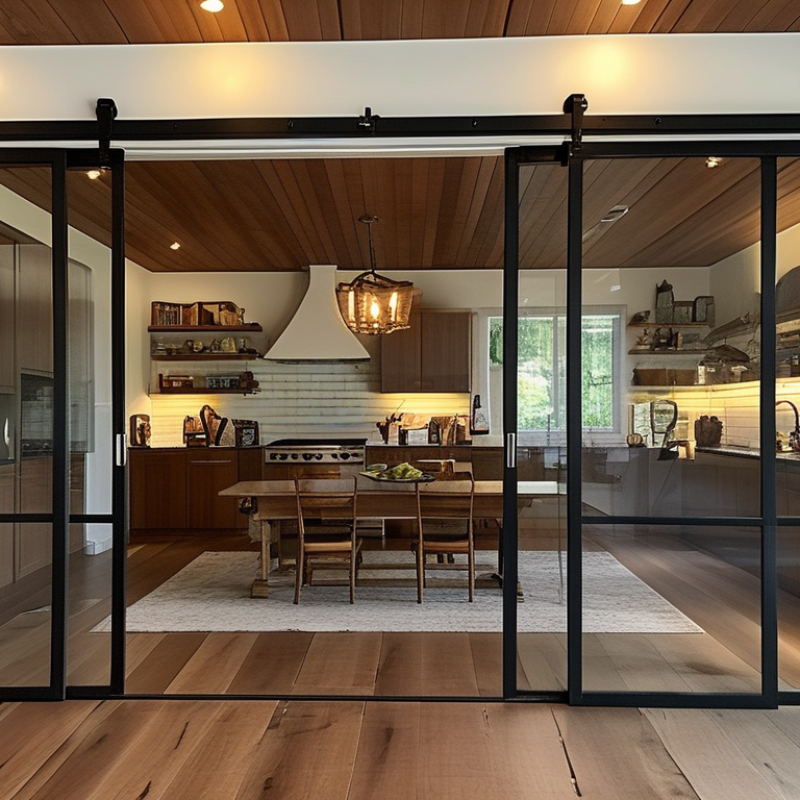
Modern designs come in various materials. Glass sliding doors can provide an open ambiance, while sliding barn doors add rustic charm. However, not all sliding doors fit all homes. Homeowners should consider their specific needs, such as security and insulation. Many people overlook the importance of these factors, leading to regrets later.

Finding a perfect sliding door requires thoughtful consideration. Aesthetic appeal should not overshadow practicality. Engaging with professionals can guide decisions. Decisions made today influence comfort and style for years to come. Each option deserves careful reflection to ensure it aligns with individual lifestyles and home aesthetics.

Best Sliding Door Options for Modern Homes How to Choose?

Best Materials for Sliding Doors: A Comparative Analysis

When choosing sliding doors for modern homes, material selection plays a crucial role. Each material offers unique benefits and drawbacks that can impact aesthetics and functionality. Wood is a popular option for warmth and beauty. However, it requires regular maintenance to avoid warping and weathering.

Glass sliding doors create a seamless connection between indoor and outdoor spaces. They allow natural light to flood in, enhancing the ambiance. On the downside, they can compromise privacy and may need frequent cleaning. Aluminum frames are lightweight and durable, making them an excellent choice for modern looks. Yet, they can be less energy-efficient than other materials, leading to higher heating or cooling costs.

Vinyl is another contender known for its affordability and low maintenance. It's resistant to fading and cracking, which is a significant advantage. However, its aesthetic appeal may not match that of wood or glass. Ultimately, understanding these materials' pros and cons is essential for making an informed choice that aligns with your home's design and practicality.

Best Sliding Door Materials for Modern Homes

This chart compares the popularity and durability of various sliding door materials commonly used in modern homes. The data illustrates how each material ranks in terms of popularity (as a percentage) and its estimated lifespan (in years).

Insulation and Energy Efficiency Ratings for Sliding Doors

When selecting sliding doors for modern homes, energy efficiency is paramount. Many homeowners are unaware of the significant impact doors can have on energy consumption. Poorly insulated sliding doors can lead to a rise in heating and cooling costs. According to the U.S. Department of Energy, around 30% of a home’s heating and cooling energy can escape through windows and doors. Thus, choosing doors with high insulation ratings can make a considerable difference.

Insulation often hinges on the materials and construction of the sliding doors. Double-glazed glass panels are common choices, as they provide better insulation than single panes. A report from the National Fenestration Rating Council reveals that doors with a U-factor of 0.30 or lower are energy-efficient. However, achieving this level requires careful selection and installation to avoid air leaks.

Many sliding doors also come with Low-E coatings, reducing heat loss in the winter and minimizing heat gain in the summer. While these features enhance efficiency, not all doors offer the same performance. It’s essential to review energy ratings and choose the options that align best with climate conditions. Balancing aesthetics with functionality often requires careful thought and sometimes results in trade-offs between style and energy performance.

Aesthetic Styles: Which Sliding Door Fits Your Modern Home Design?

When selecting sliding doors for modern homes, consider both aesthetics and functionality. A recent report by the American Institute of Architects noted that homes embracing open layouts benefit greatly from large glass sliding doors. These doors not only enhance natural light but also create a seamless indoor-outdoor connection. Homeowners often find that aesthetically pleasing designs can increase property value by up to 15%.

The choice of materials is significant. Glass doors framed with aluminum or wood can reflect a modern style. Glass allows for great views, while a wooden frame offers warmth. However, not all sliding doors perform equally well. Some might require more maintenance, impacting their long-term appeal. It's essential to review manufacturer specifications and seek professional advice to ensure you choose doors that align with your lifestyle and design preferences.

Accessory choices can also elevate the overall design. Minimalistic hardware and clean lines often work well with contemporary aesthetics. However, homeowners sometimes overlook the importance of energy efficiency. According to the U.S. Department of Energy, improperly chosen sliding doors could lead to increased energy costs. Therefore, assessing both design and performance is crucial in achieving a harmonious blend in a modern home.

Safety Features to Consider When Choosing Sliding Doors

When choosing sliding doors for modern homes, safety should be a top priority. The right sliding doors can enhance security while providing an elegant design. According to a report by the National Association of Home Builders, over 30% of residential burglaries occur through sliding glass doors. This statistic highlights the importance of selecting doors with robust security features.

When evaluating sliding doors, look for impact-resistant glass. This type of glass can withstand harsh weather and potential break-ins. Ensure that the door has a multi-point locking system. This feature secures the door at multiple points, making it harder for intruders to breach. Additionally, consider door tracks that are designed to prevent lifting. Such tracks keep the door secure and difficult to manipulate.

Tip: Before finalizing your choice, check for safety certifications. Look for doors that meet or exceed standards set by the American Society for Testing and Materials (ASTM). If you have young children or pets, consider doors with tempered glass for added safety. Remember, while aesthetics are important, prioritizing safety features is essential for peace of mind in your modern home.

Cost Analysis: Budgeting for High-Quality Sliding Doors in Renovations

Choosing high-quality sliding doors requires a careful cost analysis. The budget can vary widely. On average, sliding doors can range from a few hundred to several thousand dollars. This price spectrum often depends on materials, features, and design. For instance, glass sliding doors typically cost more due to their aesthetics and installation requirements.

Consider your renovation budget first. Allocate a reasonable portion for doors, keeping in mind that investing in quality can save money in the long run. You might find cheaper options, but they may not withstand wear and tear. Look into insulation and energy efficiency. These aspects can significantly impact your utility bills.

Another factor is installation costs. It’s often advisable to hire professionals. Their expertise can prevent costly mistakes down the line. Always ask for quotes and compare several bids. Remember, cutting corners could lead to unforeseen expenses. Ensure you select a door that complements the overall style of your home, as this balance can affect resale value.