Contaminant Comparison Chart

For a complete list of contaminants that PUR filters reduce, please view our Performance Data Sheets here.


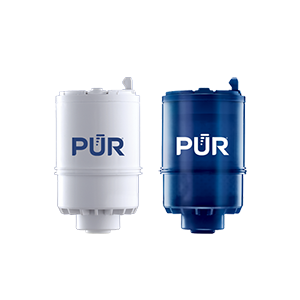
PUR & PUR PLUS FAUCET FILTERS
RF3375/RF9999

View Filters

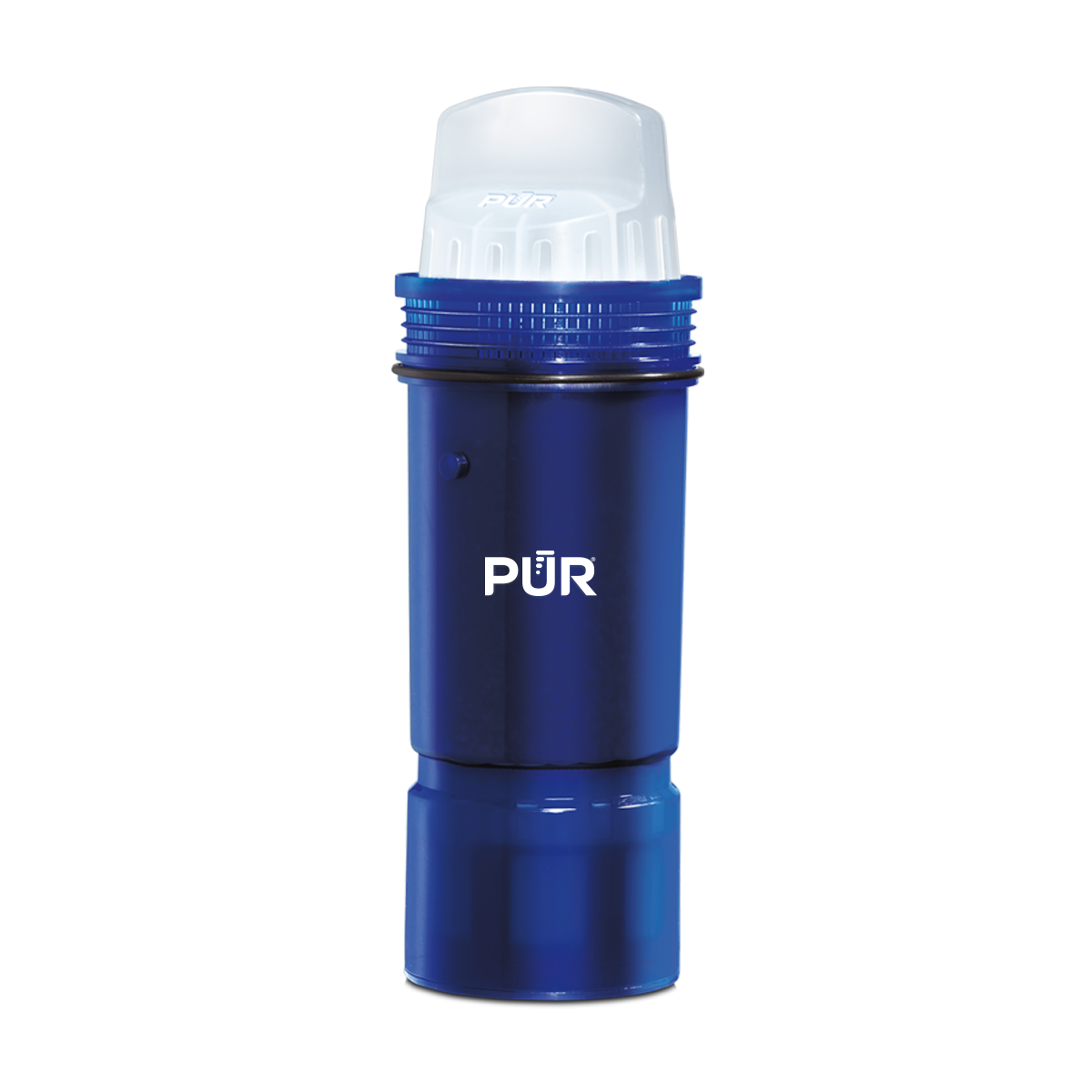
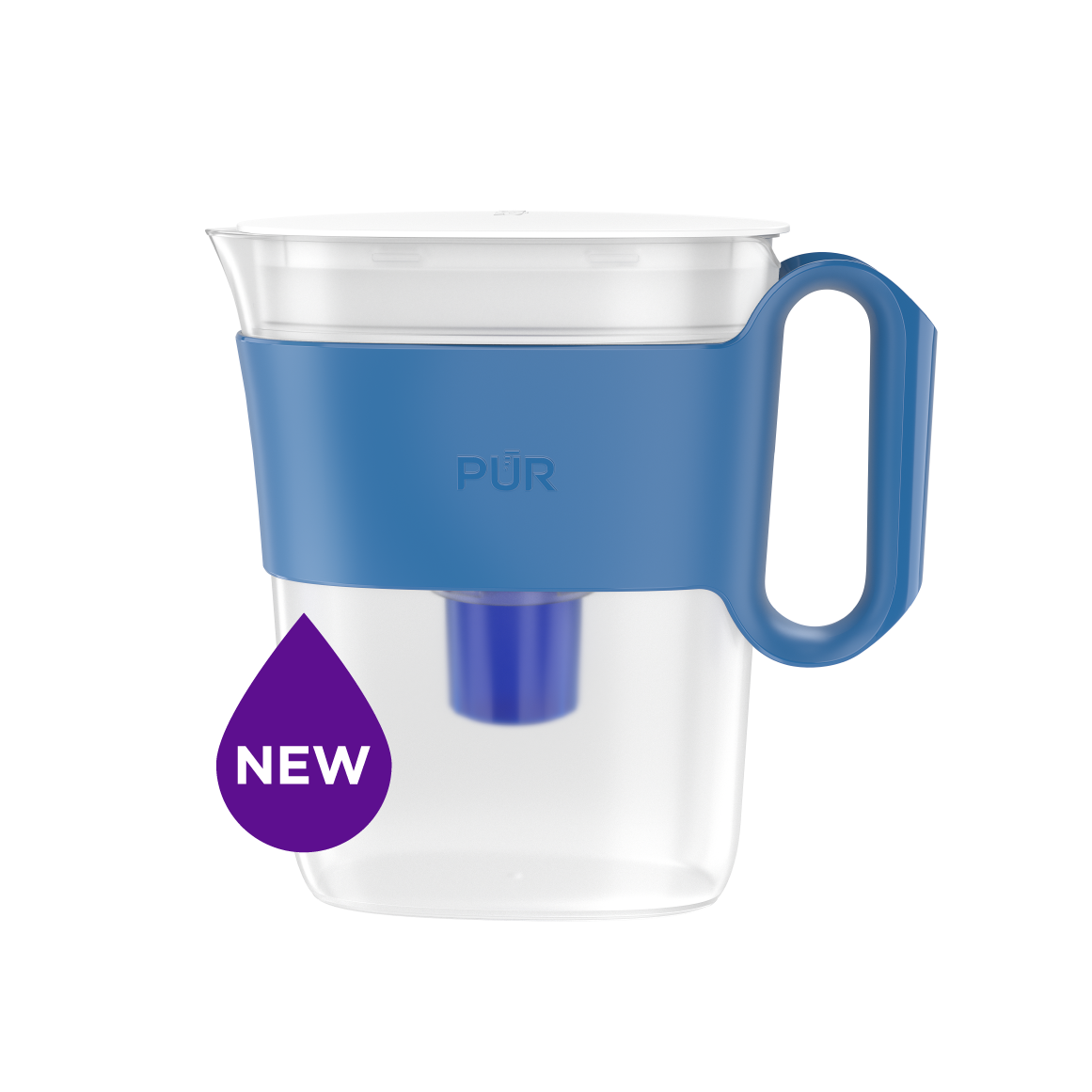
PUR PLUS PITCHER FILTERS
PPF951K

View Filter

PUR BASIC PITCHER FILTERS
PPF900Z

View Filter


Vs. Brita*

Lead
Microplastics
Mercury
Chlorine Taste & Odor
DEET
TTHM

PUR’s Filtration Systems Are Certified By NSF And WQA For Their Contamination Reduction. WQA certifications as of 5/27/21 for Faucet filter models RF-3375 and RF-9999.

¹ Certified to reduce 10X more chemical and physical substances than Brita’s® leading pitcher filter.
² Certified to reduce 3X more chemical and physical substances than Brita’s® leading pitcher filter.
³ Certified to reduce 2X more chemical and physical substances than Brita’s® leading pitcher filter.
*Versus best-selling Brita® pitcher filter OB03. Brita® is a trademark of Brita LP.
**Like other leading brands, PUR does not filter microbes. As of 3/1/23 Brita® and ZeroWater® were not certified to filter microbes. Brita® is a trademark of Brita LP. ZeroWater® is a trademark of Zero Technologies, LLC..
 

PUR & PUR PLUS FAUCET FILTERS


PUR & PUR PLUS FAUCET FILTERS
RF3375/RF9999

View Filters


Vs. Brita*

Lead
Microplastics
Mercury
Chlorine Taste & Odor
DEET
TTHM

PUR’s Filtration Systems Are Certified By NSF And WQA For Their Contamination Reduction. WQA certifications as of 5/27/21 for Faucet filter models RF-3375 and RF-9999.

¹ Certified to reduce 10X more chemical and physical substances than Brita’s® leading pitcher filter.
² Certified to reduce 3X more chemical and physical substances than Brita’s® leading pitcher filter.
³ Certified to reduce 2X more chemical and physical substances than Brita’s® leading pitcher filter.
*Versus best-selling Brita® pitcher filter OB03. Brita® is a trademark of Brita LP.
**Like other leading brands, PUR does not filter microbes. As of 3/1/23 Brita® and ZeroWater® were not certified to filter microbes. Brita® is a trademark of Brita LP. ZeroWater® is a trademark of Zero Technologies, LLC..
 

PUR PLUS PITCHER FILTERS


PUR PLUS PITCHER FILTERS
PPF951K

View Filter


Vs. Brita*

Lead
Microplastics
Mercury
Chlorine Taste & Odor
DEET
TTHM

PUR’s Filtration Systems Are Certified By NSF And WQA For Their Contamination Reduction. WQA certifications as of 5/27/21 for Faucet filter models RF-3375 and RF-9999.

¹ Certified to reduce 10X more chemical and physical substances than Brita’s® leading pitcher filter.
² Certified to reduce 3X more chemical and physical substances than Brita’s® leading pitcher filter.
³ Certified to reduce 2X more chemical and physical substances than Brita’s® leading pitcher filter.
*Versus best-selling Brita® pitcher filter OB03. Brita® is a trademark of Brita LP.
**Like other leading brands, PUR does not filter microbes. As of 3/1/23 Brita® and ZeroWater® were not certified to filter microbes. Brita® is a trademark of Brita LP. ZeroWater® is a trademark of Zero Technologies, LLC..
 

PUR BASIC PITCHER FILTERS


PUR BASIC PITCHER FILTERS
PPF900Z

View Filter


Vs. Brita*

Lead
Microplastics
Mercury
Chlorine Taste & Odor
DEET
TTHM

PUR’s Filtration Systems Are Certified By NSF And WQA For Their Contamination Reduction. WQA certifications as of 5/27/21 for Faucet filter models RF-3375 and RF-9999.

¹ Certified to reduce 10X more chemical and physical substances than Brita’s® leading pitcher filter.
² Certified to reduce 3X more chemical and physical substances than Brita’s® leading pitcher filter.
³ Certified to reduce 2X more chemical and physical substances than Brita’s® leading pitcher filter.
*Versus best-selling Brita® pitcher filter OB03. Brita® is a trademark of Brita LP.
**Like other leading brands, PUR does not filter microbes. As of 3/1/23 Brita® and ZeroWater® were not certified to filter microbes. Brita® is a trademark of Brita LP. ZeroWater® is a trademark of Zero Technologies, LLC..


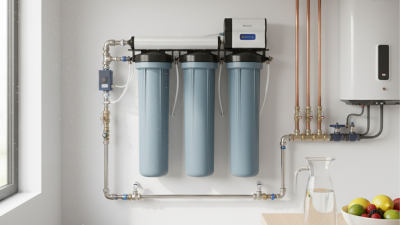
Best Undersink Water Filter Systems for Clean Drinking Water?

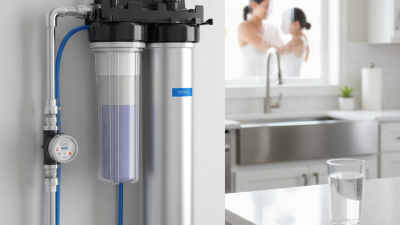
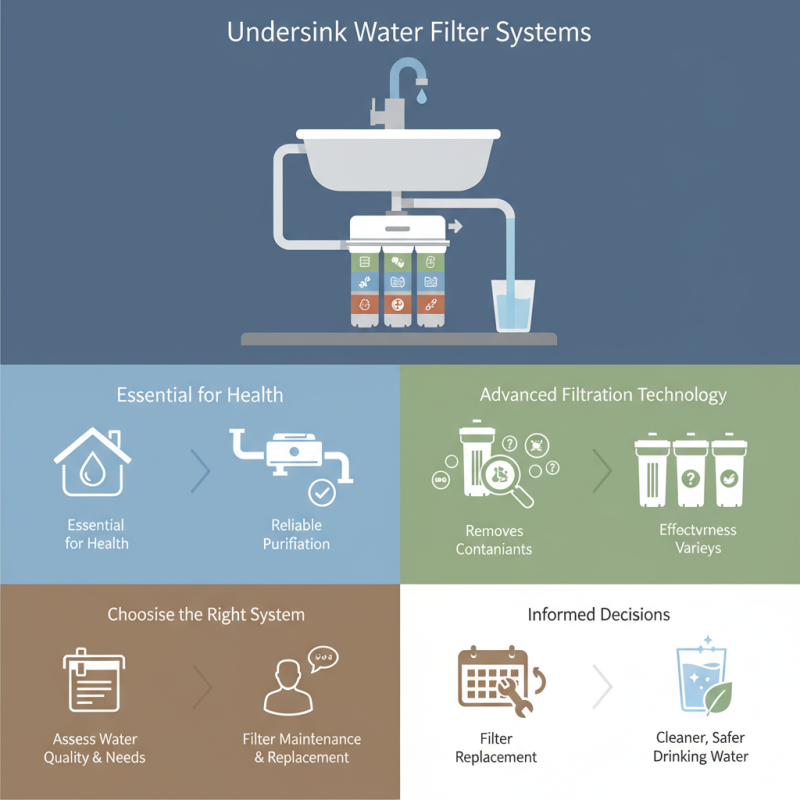
In today's world, clean drinking water is essential for health. Many households turn to an undersink water filter system for reliable purification. These systems provide a direct solution, ensuring safe water on demand.

Using advanced filtration technology, an undersink water filter system removes contaminants. However, not all filters are created equal. Some fail to address specific pollutants. Researching options can be overwhelming. Many brands claim to deliver optimal purity, yet the effectiveness varies.

Choosing the right undersink water filter system requires careful consideration. It’s important to assess your water quality and needs. Users often overlook filter maintenance and replacement schedules, which can impact performance. Understanding these factors helps make informed decisions for cleaner, safer drinking water.

Best Undersink Water Filter Systems for Clean Drinking Water?

Overview of Undersink Water Filter Systems

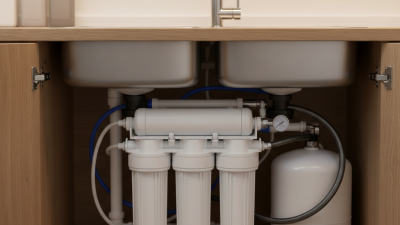
Undersink water filter systems are essential for providing clean drinking water in homes. These systems are typically installed beneath the kitchen sink, effectively filtering out contaminants. According to the NSF International, undersink filters can reduce up to 99% of common impurities, including lead and chlorine. This level of filtration contributes to improved taste and safety of drinking water.

A report by the Water Quality Association indicates that almost 40% of households in the U.S. use some type of water filtration system. This growing trend emphasizes the importance of using reliable and efficient filtration methods. Undersink filters often feature multiple stages of purification, which may include activated carbon and reverse osmosis. However, not all models are created equal. It is crucial to assess certifications to ensure they meet safety standards.

Many consumers overlook regular maintenance. A neglected filter can lead to reduced efficacy or even contamination. The replacement schedule is vital for optimal performance. Filters should be replaced every six months to a year, depending on usage and water quality. Homeowners must take the time to understand the specific needs of their water source. A well-informed choice can lead to cleaner water and better health outcomes.

Benefits of Using Undersink Water Filter Systems

Undersink water filter systems are becoming increasingly popular in homes. They offer a convenient method to access clean drinking water. According to the EPA, approximately 15% of community water systems fail to meet health standards. This is a concerning statistic for families who rely on tap water. An undersink filter can effectively remove contaminants like lead, chlorine, and bacteria from water.

Using an undersink system enhances water taste and quality. Studies show that filtered water is preferred by 85% of consumers. This preference often stems from a noticeable difference in flavor. Additionally, these systems are designed to save space. Many models fit neatly under a kitchen sink, making them ideal for any kitchen layout.

Moreover, the environmental impact of bottled water is significant. The production and disposal of plastic bottles contribute to pollution and waste. Transitioning to an undersink filter promotes sustainability. Households can reduce plastic waste while enjoying clean water. However, it's crucial to ensure regular maintenance and filter replacements. Neglecting this can lead to diminished water quality over time.

Key Features to Consider When Choosing a Filter

When choosing an undersink water filter system, several key features should be prioritized. Filter type matters greatly. Common types include carbon, reverse osmosis, and ceramic filters. Each type has different capabilities. Understand your water quality before deciding. You may need specialized filters for specific contaminants.

Water flow rate is another crucial factor. A slower filter can be less convenient. Look for systems that allow for a sufficient flow without sacrificing filtration quality. This balance is vital for everyday use.

Tip: Always check the filtration capacity. Some filters last longer than others before needing replacement. Regular maintenance is essential.

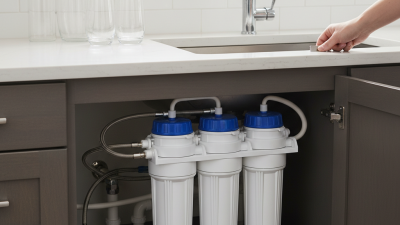
Think about the installation process too. Some systems require professional help, while others are DIY-friendly. Evaluate your comfort level with plumbing tasks. Easy installation saves time and potential costs.

Tip: Look for user reviews online. They provide real insights. Learning from others saves you from costly mistakes.

Overall, focus on what matters. Quality and suitability of the filter can deeply impact your drinking water. Make informed choices for a healthier lifestyle.

Top Rated Undersink Water Filter Brands and Models

When choosing an undersink water filter, it's vital to understand the range of options available. Several brands stand out for their effectiveness and reliability. According to recent industry reports, 70% of consumers prioritize filter systems that tackle common contaminants like lead, chlorine, and sediments. These systems typically use multi-stage filtration to ensure clean water.


Among the top-rated models, reverse osmosis systems receive great attention. They can remove up to 99% of contaminants, making them an excellent choice for health-conscious individuals. However, some users report that installation can be challenging. A professional setup is advisable for complex systems. Yet, DIY options are available for those willing to take the risk.


Another popular choice involves activated carbon filters. They enhance taste and odor by eliminating harmful substances. Studies show that these systems can significantly improve water quality in areas with high chlorine levels. Still, while these filters are effective, they often require frequent replacements. Regular maintenance can become a hassle, and users should remain alert to filter lifespan and performance.

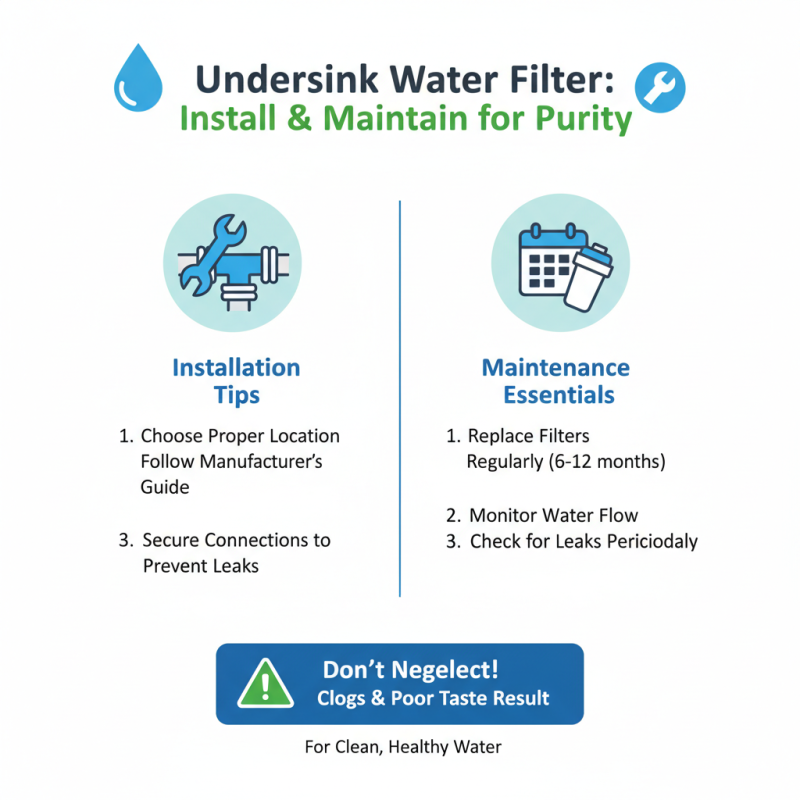
Installation and Maintenance Tips for Undersink Filters

Best Undersink Water Filter Systems for Clean Drinking Water?

Installing undersink water filter systems can greatly improve your drinking water quality. However, maintenance is crucial to ensure efficiency. Regularly replacing filters is a must. Neglecting this can lead to clogs and poor water taste.

Consider these tips for installation. Make sure the space under your sink is clean and accessible. This helps when you need to replace filters later. Use a wrench rather than your hands for tight fittings. It avoids stripping threads.

While your filter system works, test your water regularly. If the taste changes, it’s time to check your filters. Sometimes, filters can be prematurely clogged by sediments. Also, remember to flush the system after installation. This clears any debris before your first use.