Contaminant Comparison Chart

For a complete list of contaminants that PUR filters reduce, please view our Performance Data Sheets here.


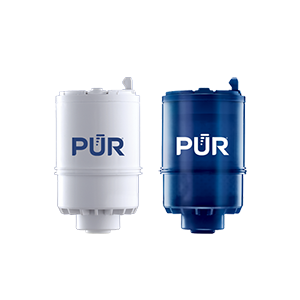
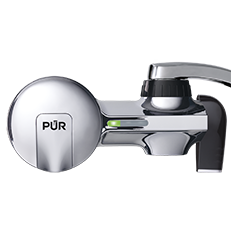
PUR & PUR PLUS FAUCET FILTERS
RF3375/RF9999

View Filters

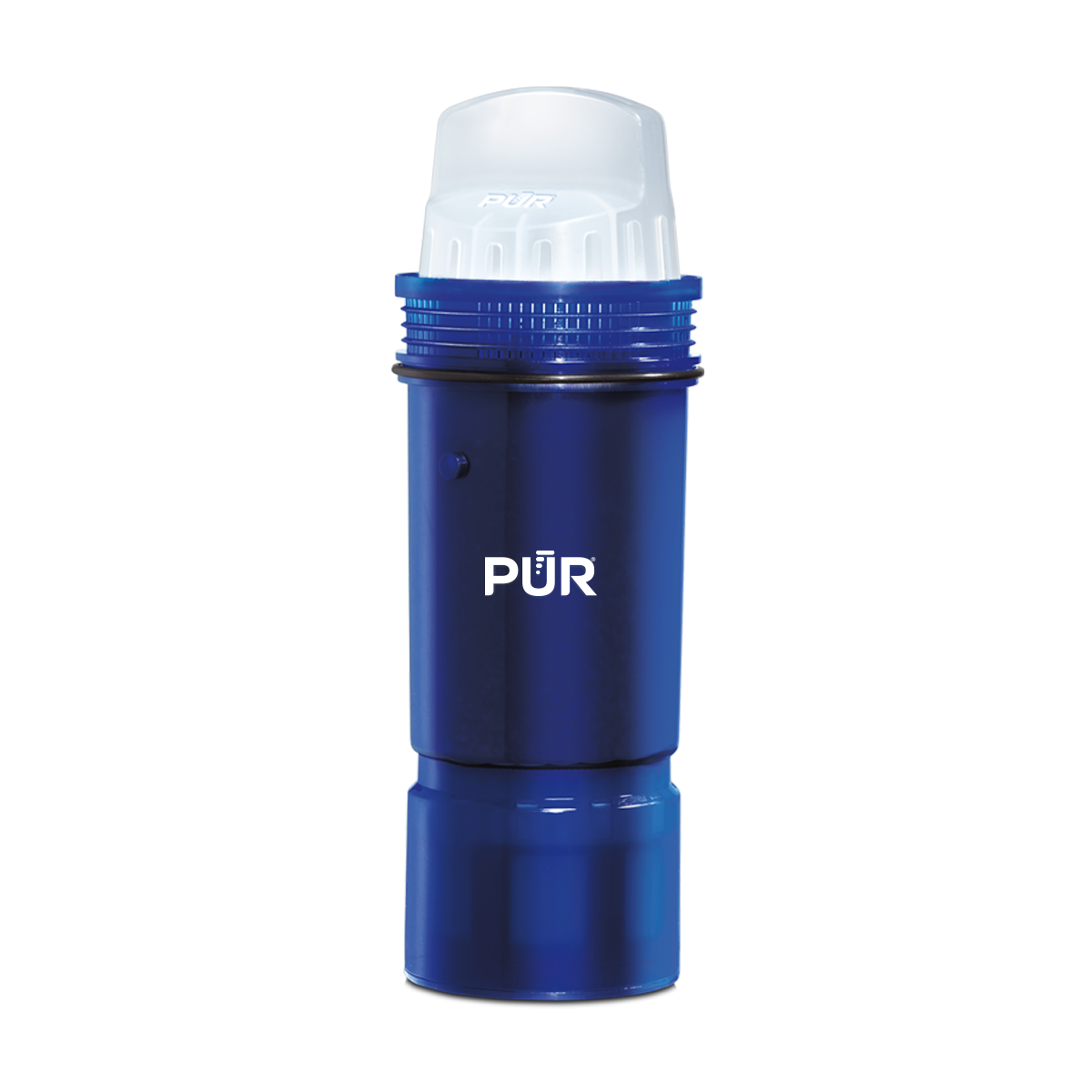
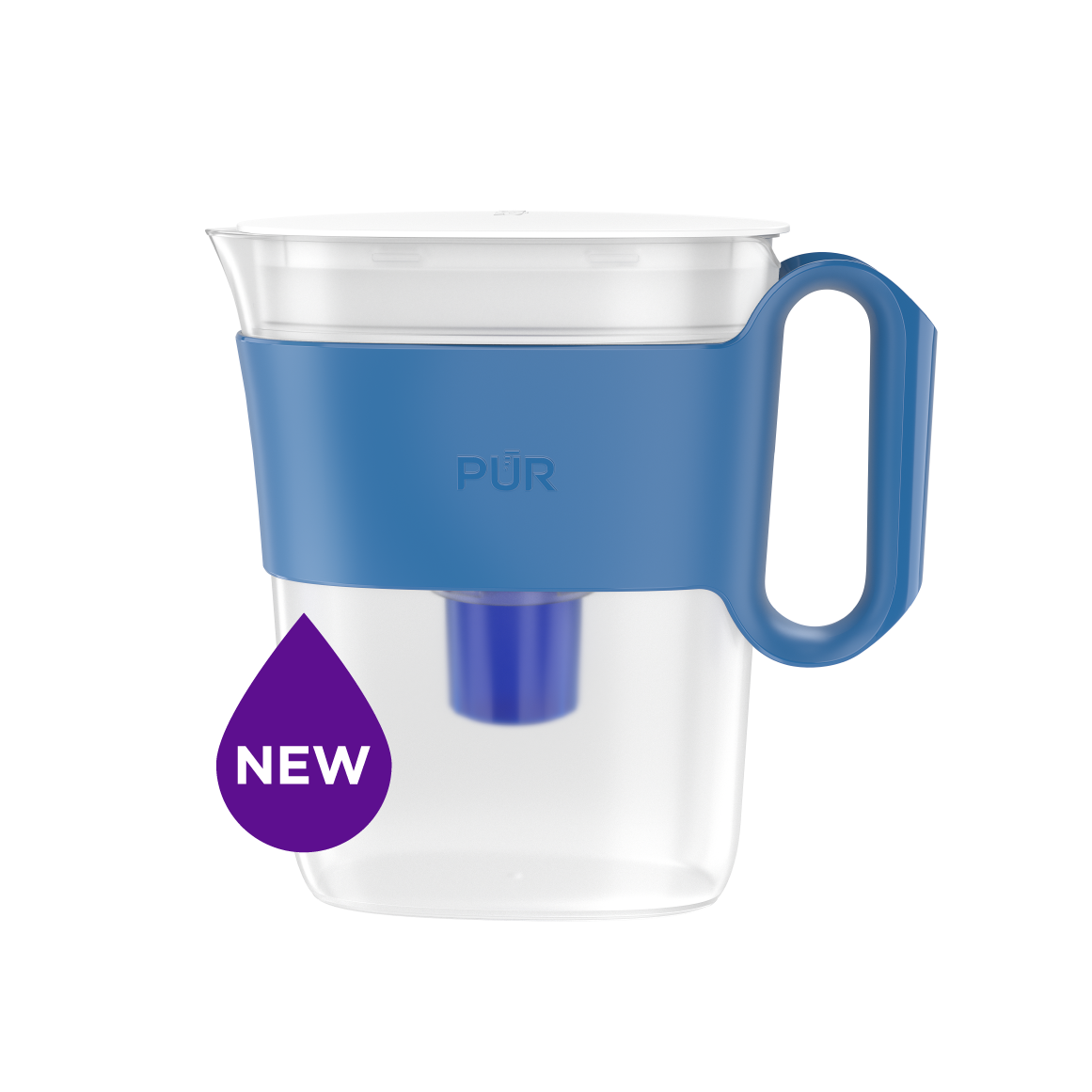
PUR PLUS PITCHER FILTERS
PPF951K

View Filter

PUR BASIC PITCHER FILTERS
PPF900Z

View Filter


Vs. Brita*

Lead
Microplastics
Mercury
Chlorine Taste & Odor
DEET
TTHM

PUR’s Filtration Systems Are Certified By NSF And WQA For Their Contamination Reduction. WQA certifications as of 5/27/21 for Faucet filter models RF-3375 and RF-9999.

¹ Certified to reduce 10X more chemical and physical substances than Brita’s® leading pitcher filter.
² Certified to reduce 3X more chemical and physical substances than Brita’s® leading pitcher filter.
³ Certified to reduce 2X more chemical and physical substances than Brita’s® leading pitcher filter.
*Versus best-selling Brita® pitcher filter OB03. Brita® is a trademark of Brita LP.
**Like other leading brands, PUR does not filter microbes. As of 3/1/23 Brita® and ZeroWater® were not certified to filter microbes. Brita® is a trademark of Brita LP. ZeroWater® is a trademark of Zero Technologies, LLC..
 

PUR & PUR PLUS FAUCET FILTERS


PUR & PUR PLUS FAUCET FILTERS
RF3375/RF9999

View Filters


Vs. Brita*

Lead
Microplastics
Mercury
Chlorine Taste & Odor
DEET
TTHM

PUR’s Filtration Systems Are Certified By NSF And WQA For Their Contamination Reduction. WQA certifications as of 5/27/21 for Faucet filter models RF-3375 and RF-9999.

¹ Certified to reduce 10X more chemical and physical substances than Brita’s® leading pitcher filter.
² Certified to reduce 3X more chemical and physical substances than Brita’s® leading pitcher filter.
³ Certified to reduce 2X more chemical and physical substances than Brita’s® leading pitcher filter.
*Versus best-selling Brita® pitcher filter OB03. Brita® is a trademark of Brita LP.
**Like other leading brands, PUR does not filter microbes. As of 3/1/23 Brita® and ZeroWater® were not certified to filter microbes. Brita® is a trademark of Brita LP. ZeroWater® is a trademark of Zero Technologies, LLC..
 

PUR PLUS PITCHER FILTERS


PUR PLUS PITCHER FILTERS
PPF951K

View Filter


Vs. Brita*

Lead
Microplastics
Mercury
Chlorine Taste & Odor
DEET
TTHM

PUR’s Filtration Systems Are Certified By NSF And WQA For Their Contamination Reduction. WQA certifications as of 5/27/21 for Faucet filter models RF-3375 and RF-9999.

¹ Certified to reduce 10X more chemical and physical substances than Brita’s® leading pitcher filter.
² Certified to reduce 3X more chemical and physical substances than Brita’s® leading pitcher filter.
³ Certified to reduce 2X more chemical and physical substances than Brita’s® leading pitcher filter.
*Versus best-selling Brita® pitcher filter OB03. Brita® is a trademark of Brita LP.
**Like other leading brands, PUR does not filter microbes. As of 3/1/23 Brita® and ZeroWater® were not certified to filter microbes. Brita® is a trademark of Brita LP. ZeroWater® is a trademark of Zero Technologies, LLC..
 

PUR BASIC PITCHER FILTERS


PUR BASIC PITCHER FILTERS
PPF900Z

View Filter


Vs. Brita*

Lead
Microplastics
Mercury
Chlorine Taste & Odor
DEET
TTHM

PUR’s Filtration Systems Are Certified By NSF And WQA For Their Contamination Reduction. WQA certifications as of 5/27/21 for Faucet filter models RF-3375 and RF-9999.

¹ Certified to reduce 10X more chemical and physical substances than Brita’s® leading pitcher filter.
² Certified to reduce 3X more chemical and physical substances than Brita’s® leading pitcher filter.
³ Certified to reduce 2X more chemical and physical substances than Brita’s® leading pitcher filter.
*Versus best-selling Brita® pitcher filter OB03. Brita® is a trademark of Brita LP.
**Like other leading brands, PUR does not filter microbes. As of 3/1/23 Brita® and ZeroWater® were not certified to filter microbes. Brita® is a trademark of Brita LP. ZeroWater® is a trademark of Zero Technologies, LLC..
 

Best Water Filter for Sink How to Choose the Right One?

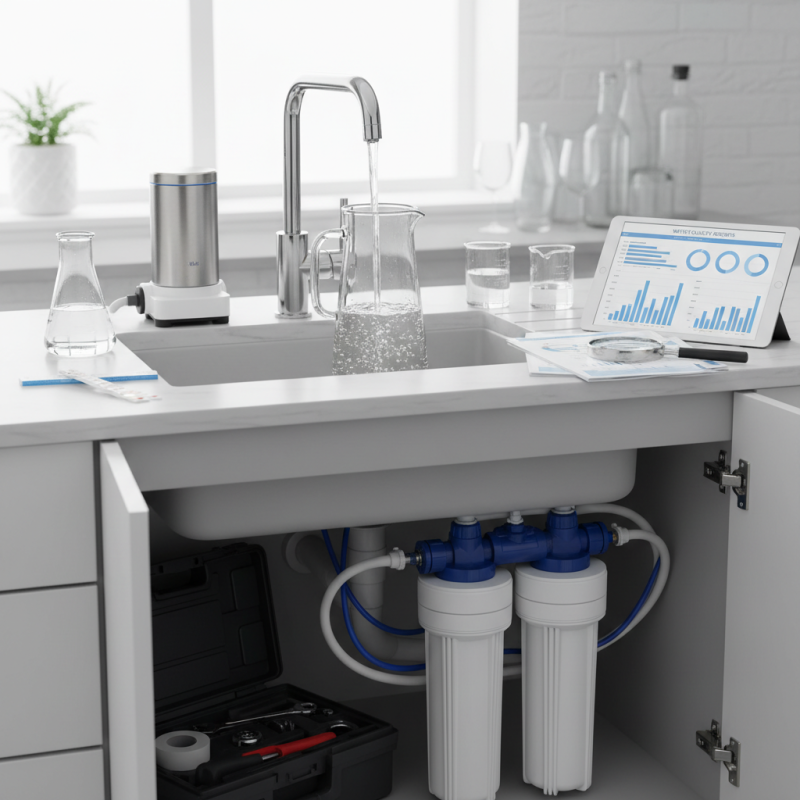
Choosing the best water filter for sink is essential for ensuring clean and safe drinking water. Many options exist, from faucet-mounted systems to under-sink filters. Each type has unique advantages and challenges.

Water quality varies widely. Contaminants can differ based on location and pipe materials. Consumers need to understand their specific needs. Not all filters are created equal. Some may remove bacteria but not heavy metals.

Finding the right fit involves research and consideration. Reviews can guide choices, but many products claim to be the best. Some users may overlook their own water needs. Reflection is vital, as an easy choice might not lead to the best results.

Best Water Filter for Sink How to Choose the Right One?

Types of Water Filters Suitable for Sink Installation

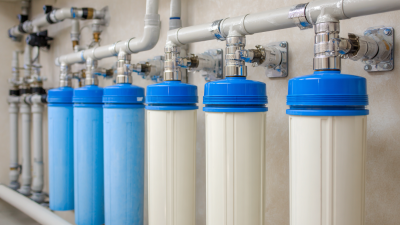
When choosing a water filter for sink installation, several types are available. Each type has unique features. Understanding these helps in making an informed decision.

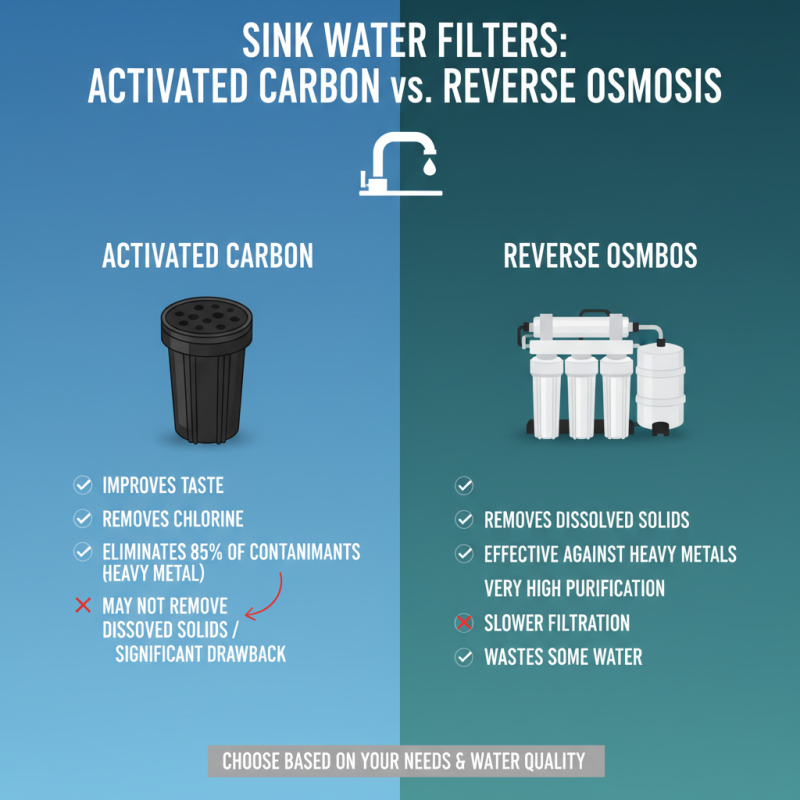
Activated carbon filters are popular due to their affordability and efficiency. They effectively reduce chlorine levels and improve taste. Reports indicate that carbon filters can remove up to 99% of chlorine from tap water. However, they may not eliminate heavy metals or bacteria completely. Ceramic filters offer another option, providing effective filtration of sediments and bacteria. They can filter down to 0.2 microns. Yet, they require regular cleaning to maintain efficiency.

Reverse osmosis systems are the most advanced. They remove dissolved solids, including lead and fluoride. Studies have shown that these systems can purify water by removing up to 95% of contaminants. But they often waste a significant amount of water. Lastly, UV filters use light to kill bacteria and viruses. They are effective but do not improve taste or eliminate chemical contaminants. Each type has strengths and weaknesses. Thus, evaluating your specific needs before deciding is vital.

Key Factors to Consider When Choosing a Sink Water Filter

Best Water Filter for Sink How to Choose the Right One?

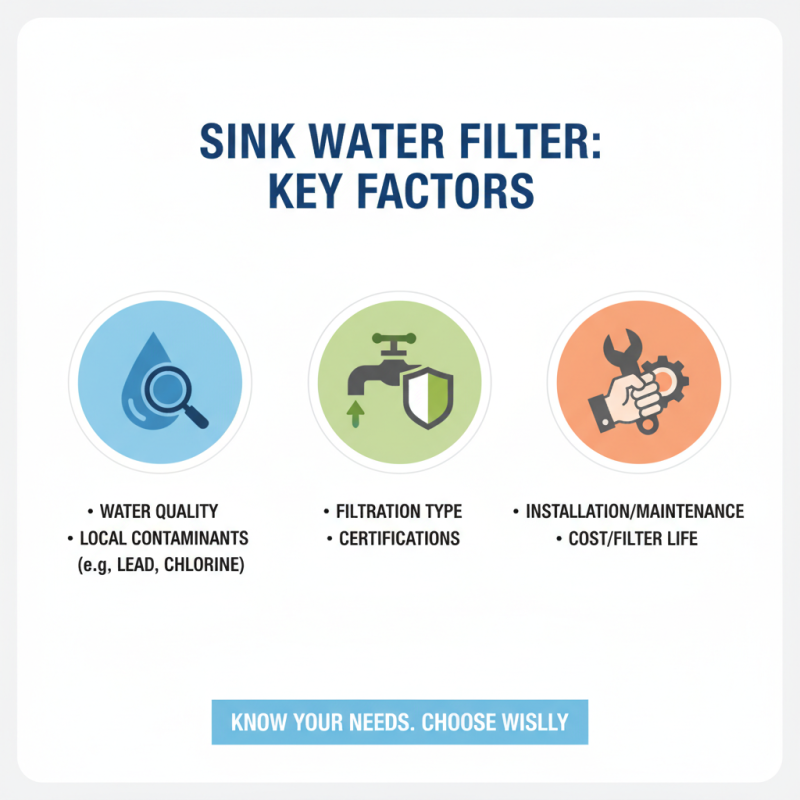
When choosing a sink water filter, certain factors hold significant importance. Water quality varies widely across locations. According to a recent industry report, over 15% of households in the U.S. have lead levels exceeding EPA regulations. This alarming fact emphasizes the need for effective filtration systems. Assessing the specific contaminants in your water should guide your choice. Some filters tackle chlorine and others focus on lead. Knowing your water’s specific needs is crucial.

Another key consideration is the filter's flow rate. Faster filtration might be convenient, but it can compromise purification quality. A study found that filters with high flow rates often miss contaminants. Ideally, balance is necessary. Look for filters that offer decent flow while maintaining overall effectiveness. This includes checking for certifications like NSF/ANSI standards that ensure the filter actually performs as claimed.

Ease of installation is also worthy of thought. Many filters claim to be easy to set up, yet users report difficulties. Complicated instructions can be frustrating and time-consuming. Consider user reviews and look for models that are straightforward. Lastly, think about maintenance. Some filters require routine replacements that can add up. Ignoring maintenance can lead to decreased performance and unfiltered contaminants lingering in your water supply. Each of these factors demands reflection. Making the right choice can ensure cleaner, safer water right from your sink.

Comparing Activated Carbon vs. Reverse Osmosis Filters

Best Water Filter for Sink How to Choose the Right One?

When choosing a water filter for your sink, understanding the differences between activated carbon and reverse osmosis is vital. Activated carbon filters are popular due to their ability to enhance taste and remove chlorine. According to the World Health Organization, these filters can eliminate 85% of contaminants found in tap water. However, they might not remove dissolved solids or heavy metals effectively. This is a significant drawback.

Reverse osmosis (RO) filters operate differently. They use a semi-permeable membrane to remove up to 99% of impurities, including lead and arsenic. The Environmental Protection Agency reports that RO systems can effectively reduce water contaminants like nitrates and sulfates. However, they also waste a significant amount of water—often up to three gallons for every gallon filtered. This efficiency concern may make the choice difficult.

The price point can also vary widely. Activated carbon filters tend to be less expensive upfront but may require frequent replacements. RO systems have higher initial costs, but they could offer long-term savings. Each option has its pros and cons, requiring you to weigh performance against potential drawbacks like maintenance and waste.

Installation and Maintenance Tips for Water Filters

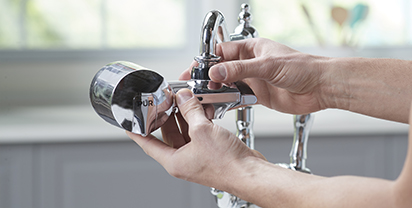
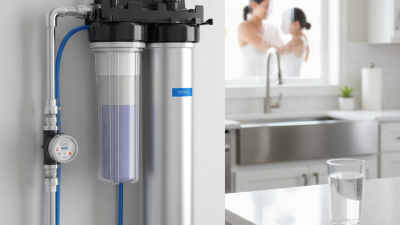
Choosing the right water filter for your sink can significantly improve your drinking water's quality. Installation is a crucial step. Make sure you have all necessary tools. Follow the manufacturer’s instructions closely. If you run into issues, don’t hesitate to ask for help.

Tips: Before installation, check the pressure of your water supply. Low pressure can affect performance. Ensure proper alignment of the filter to avoid leaks. After installation, run the water for a few minutes. It helps to clear any debris.

Maintenance is equally important for optimal performance. Regularly check for clogs. Clean the filter according to the manufacturer’s guidelines. Remember, even high-quality filters need replacing. Keep a schedule, or you might forget. Not changing filters on time can lead to unexpected tastes in water. Be mindful of these details to keep your drinking water safe and clean.

Best Water Filter for Sink - How to Choose the Right One?

Filter Type Contaminants Removed Installation Difficulty Maintenance Frequency Average Lifespan Cost Range
Activated Carbon Filter Chlorine, Sediment, Volatile Organic Compounds (VOCs) Easy Every 6 months 6 months - 1 year $20 - $50
Reverse Osmosis Filter Heavy metals, Nitrates, Fluoride Moderate Every 2 years 2 - 3 years $150 - $300
Ceramic Filter Bacteria, Cysts, Sediment Easy Every 6 months 1 - 3 years $30 - $60
Ultraviolet (UV) Filter Bacteria, Viruses Moderate Every year 1 - 2 years $100 - $250
Inline Filter Sediment, Chlorine, Bad taste Easy Every 12 months 1 - 2 years $25 - $75

Understanding Filter Lifespan and Replacement Needs

When selecting a water filter for your sink, understanding filter lifespan is crucial. Most home water filters last between six months to a year, depending on usage and water conditions. According to the Environmental Protection Agency (EPA), some filters can effectively remove contaminants for only a limited number of gallons, making frequent checks essential.

Replacement needs can vary significantly. Some filters require a simple cartridge change, while others might need complete replacement due to wear. A study from the Water Quality Association highlights that neglecting timely replacements can lead to decreased effectiveness, allowing harmful substances back into drinking water. Users sometimes overlook the signs indicating a needed replacement, such as reduced flow rate or off-tastes.

Regular maintenance is key to ensuring your water remains clean. Failing to track filter lifespans can result in prolonged exposure to impurities. Many people assume filters will work indefinitely, but this misconception can be dangerous. It’s vital to stay informed about your specific filter’s requirements to avoid health risks tied to outdated filtration systems.

Water Filter Lifespan and Replacement Needs

This chart illustrates the average lifespan (in months) of various types of water filters and their recommended replacement frequency.