Contaminant Comparison Chart

For a complete list of contaminants that PUR filters reduce, please view our Performance Data Sheets here.


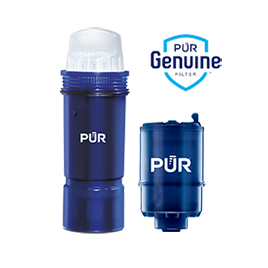
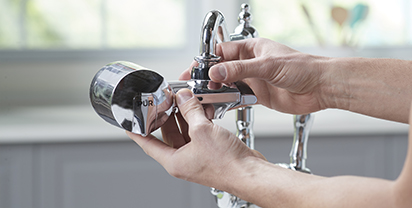
PUR & PUR PLUS FAUCET FILTERS
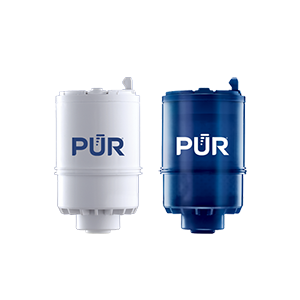
RF3375/RF9999

View Filters

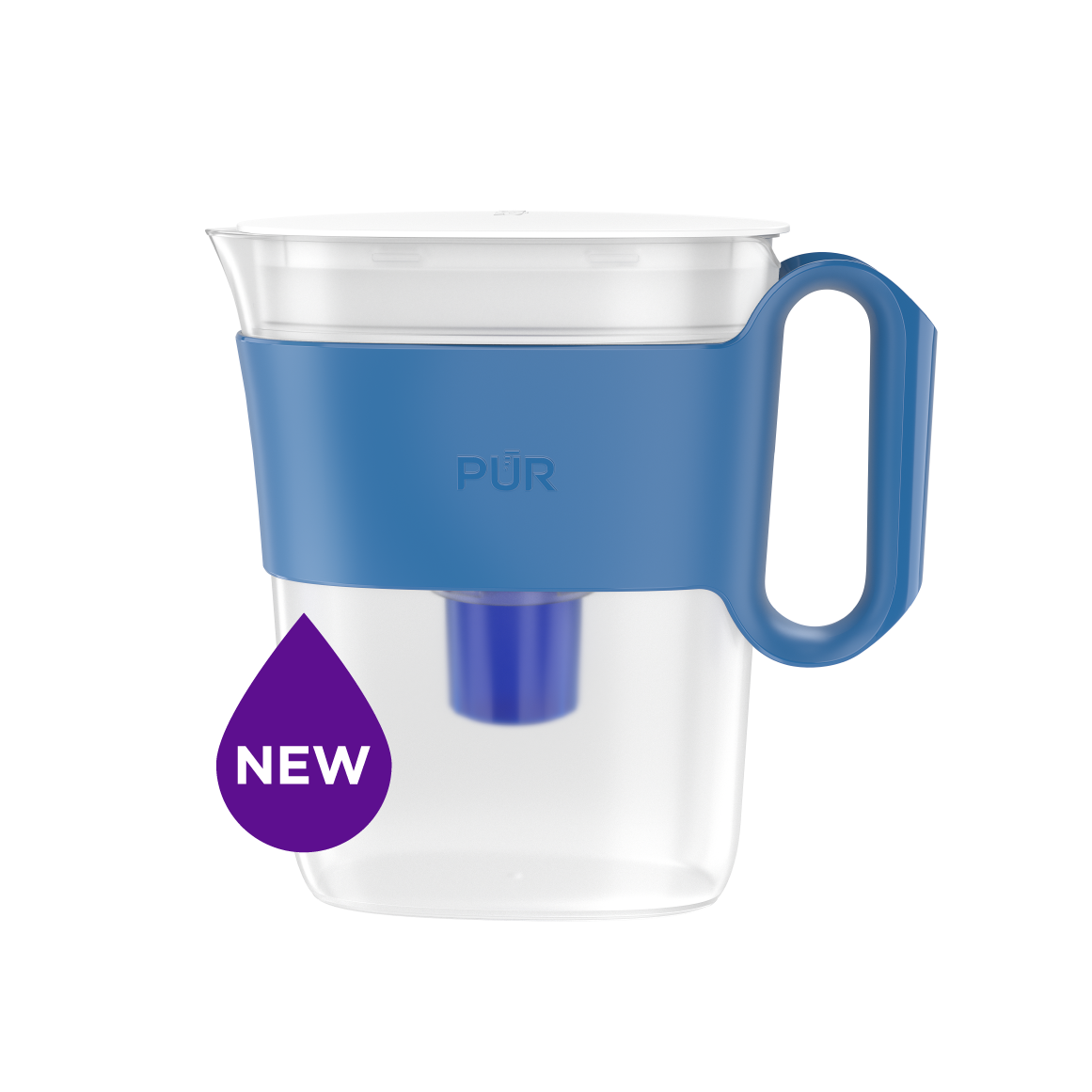
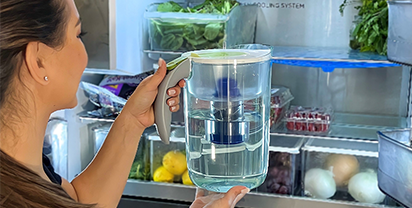
PUR PLUS PITCHER FILTERS
PPF951K

View Filter

PUR BASIC PITCHER FILTERS
PPF900Z

View Filter


Vs. Brita*

Lead
Microplastics
Mercury
Chlorine Taste & Odor
DEET
TTHM

PUR’s Filtration Systems Are Certified By NSF And WQA For Their Contamination Reduction. WQA certifications as of 5/27/21 for Faucet filter models RF-3375 and RF-9999.

¹ Certified to reduce 10X more chemical and physical substances than Brita’s® leading pitcher filter.
² Certified to reduce 3X more chemical and physical substances than Brita’s® leading pitcher filter.
³ Certified to reduce 2X more chemical and physical substances than Brita’s® leading pitcher filter.
*Versus best-selling Brita® pitcher filter OB03. Brita® is a trademark of Brita LP.
**Like other leading brands, PUR does not filter microbes. As of 3/1/23 Brita® and ZeroWater® were not certified to filter microbes. Brita® is a trademark of Brita LP. ZeroWater® is a trademark of Zero Technologies, LLC..
 

PUR & PUR PLUS FAUCET FILTERS


PUR & PUR PLUS FAUCET FILTERS
RF3375/RF9999

View Filters


Vs. Brita*

Lead
Microplastics
Mercury
Chlorine Taste & Odor
DEET
TTHM

PUR’s Filtration Systems Are Certified By NSF And WQA For Their Contamination Reduction. WQA certifications as of 5/27/21 for Faucet filter models RF-3375 and RF-9999.

¹ Certified to reduce 10X more chemical and physical substances than Brita’s® leading pitcher filter.
² Certified to reduce 3X more chemical and physical substances than Brita’s® leading pitcher filter.
³ Certified to reduce 2X more chemical and physical substances than Brita’s® leading pitcher filter.
*Versus best-selling Brita® pitcher filter OB03. Brita® is a trademark of Brita LP.
**Like other leading brands, PUR does not filter microbes. As of 3/1/23 Brita® and ZeroWater® were not certified to filter microbes. Brita® is a trademark of Brita LP. ZeroWater® is a trademark of Zero Technologies, LLC..
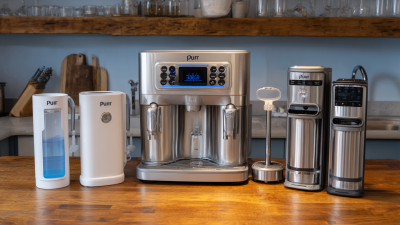
 

PUR PLUS PITCHER FILTERS


PUR PLUS PITCHER FILTERS
PPF951K

View Filter


Vs. Brita*

Lead
Microplastics
Mercury
Chlorine Taste & Odor
DEET
TTHM

PUR’s Filtration Systems Are Certified By NSF And WQA For Their Contamination Reduction. WQA certifications as of 5/27/21 for Faucet filter models RF-3375 and RF-9999.

¹ Certified to reduce 10X more chemical and physical substances than Brita’s® leading pitcher filter.
² Certified to reduce 3X more chemical and physical substances than Brita’s® leading pitcher filter.
³ Certified to reduce 2X more chemical and physical substances than Brita’s® leading pitcher filter.
*Versus best-selling Brita® pitcher filter OB03. Brita® is a trademark of Brita LP.
**Like other leading brands, PUR does not filter microbes. As of 3/1/23 Brita® and ZeroWater® were not certified to filter microbes. Brita® is a trademark of Brita LP. ZeroWater® is a trademark of Zero Technologies, LLC..
 

PUR BASIC PITCHER FILTERS


PUR BASIC PITCHER FILTERS
PPF900Z

View Filter


Vs. Brita*

Lead
Microplastics
Mercury
Chlorine Taste & Odor
DEET
TTHM

PUR’s Filtration Systems Are Certified By NSF And WQA For Their Contamination Reduction. WQA certifications as of 5/27/21 for Faucet filter models RF-3375 and RF-9999.

¹ Certified to reduce 10X more chemical and physical substances than Brita’s® leading pitcher filter.
² Certified to reduce 3X more chemical and physical substances than Brita’s® leading pitcher filter.
³ Certified to reduce 2X more chemical and physical substances than Brita’s® leading pitcher filter.
*Versus best-selling Brita® pitcher filter OB03. Brita® is a trademark of Brita LP.
**Like other leading brands, PUR does not filter microbes. As of 3/1/23 Brita® and ZeroWater® were not certified to filter microbes. Brita® is a trademark of Brita LP. ZeroWater® is a trademark of Zero Technologies, LLC..
 

What is the Best Water Filter System for Clean and Safe Drinking Water

In today's world, access to clean and safe drinking water is more crucial than ever. With increasing concerns over water quality due to pollution, industrial runoff, and aging infrastructure, individuals and families are seeking effective solutions to ensure the water they consume is free from contaminants. A reliable water filter system is an essential investment, as it not only improves the taste of drinking water but also protects against harmful substances that may pose health risks. According to a recent report by the World Health Organization, an estimated 2 billion people lack access to safe drinking water, underlining the urgent need for effective filtration systems in households across the globe.

Industry expert Dr. Emily Roberts, a leading research scientist in water quality solutions, emphasizes the importance of choosing the right water filter system: "A well-designed filtration system can significantly reduce pollutants and make drinking water not only safer but also healthier." This statement highlights the critical role that advanced water filtration technologies play in safeguarding public health. With a vast array of options available on the market, ranging from simple pitcher filters to sophisticated reverse osmosis systems, consumers face the challenge of determining which water filter system best meets their specific needs and environment. In this overview, we will explore the various types of water filter systems, their effectiveness, and how to choose the best one for clean and safe drinking water.

What is the Best Water Filter System for Clean and Safe Drinking Water

Types of Water Contaminants and Their Health Impacts

Water contaminants pose significant risks to public health, and understanding their types and effects is crucial for ensuring safe drinking water. Contaminants can be biological, chemical, or physical in nature. For instance, Enterococcus species, commonly found in water contaminated by fecal pollution, indicate the presence of harmful pathogens that can lead to gastrointestinal illnesses. Studies highlight alarming levels of contamination in drinking water sources, which necessitate rigorous monitoring and testing.

Chemical contaminants like per- and polyfluoroalkyl substances (PFAS) have garnered attention due to their widespread use and persistence in the environment. These substances are linked to severe health issues, including cancer and hormonal disturbances. Furthermore, microplastics increasingly pollute our water systems, posing unknown risks to human health. Regular testing of public water systems for these contaminants is mandated to safeguard community health; however, violations can lead to significant exposure risks for millions. Addressing these challenges requires a multi-faceted approach, encompassing better waste management practices and advanced filtration systems to ensure clean, safe drinking water for all.

Overview of Common Water Filtration Technologies

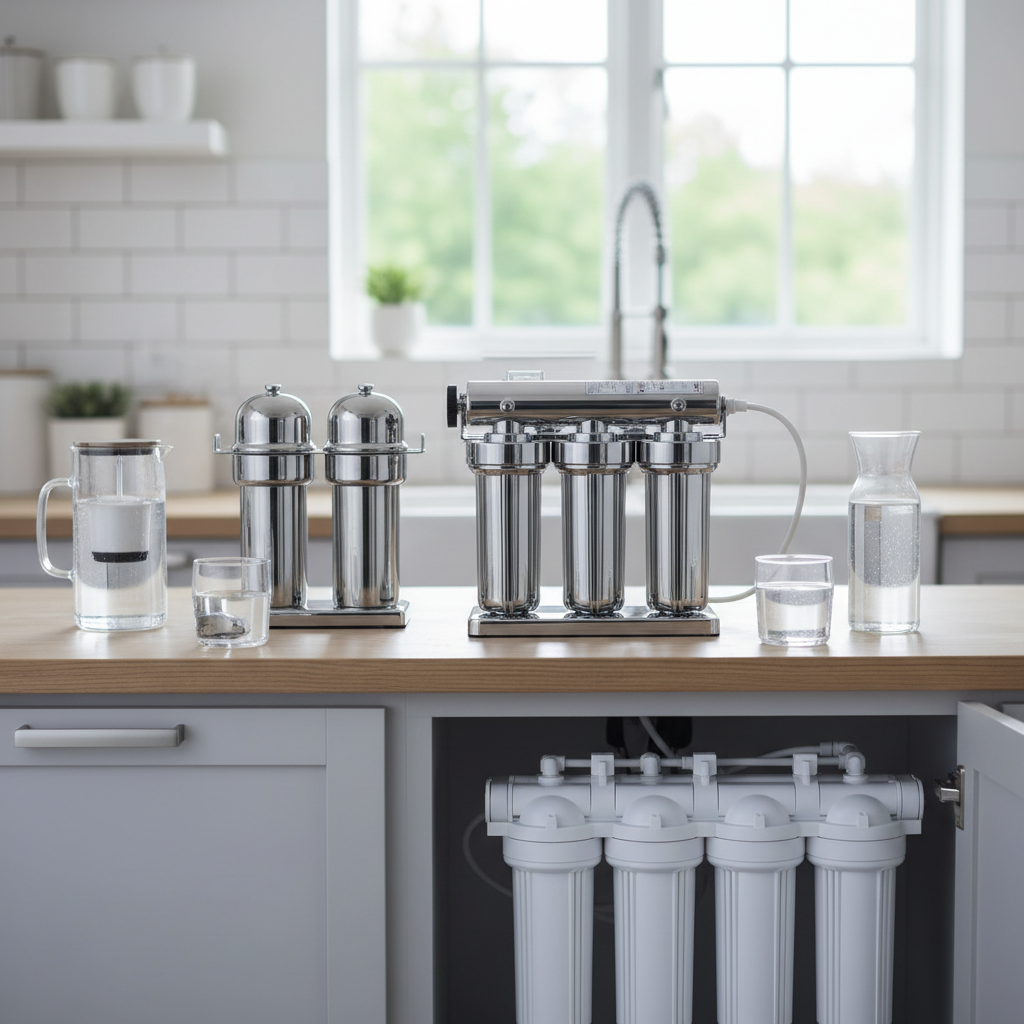
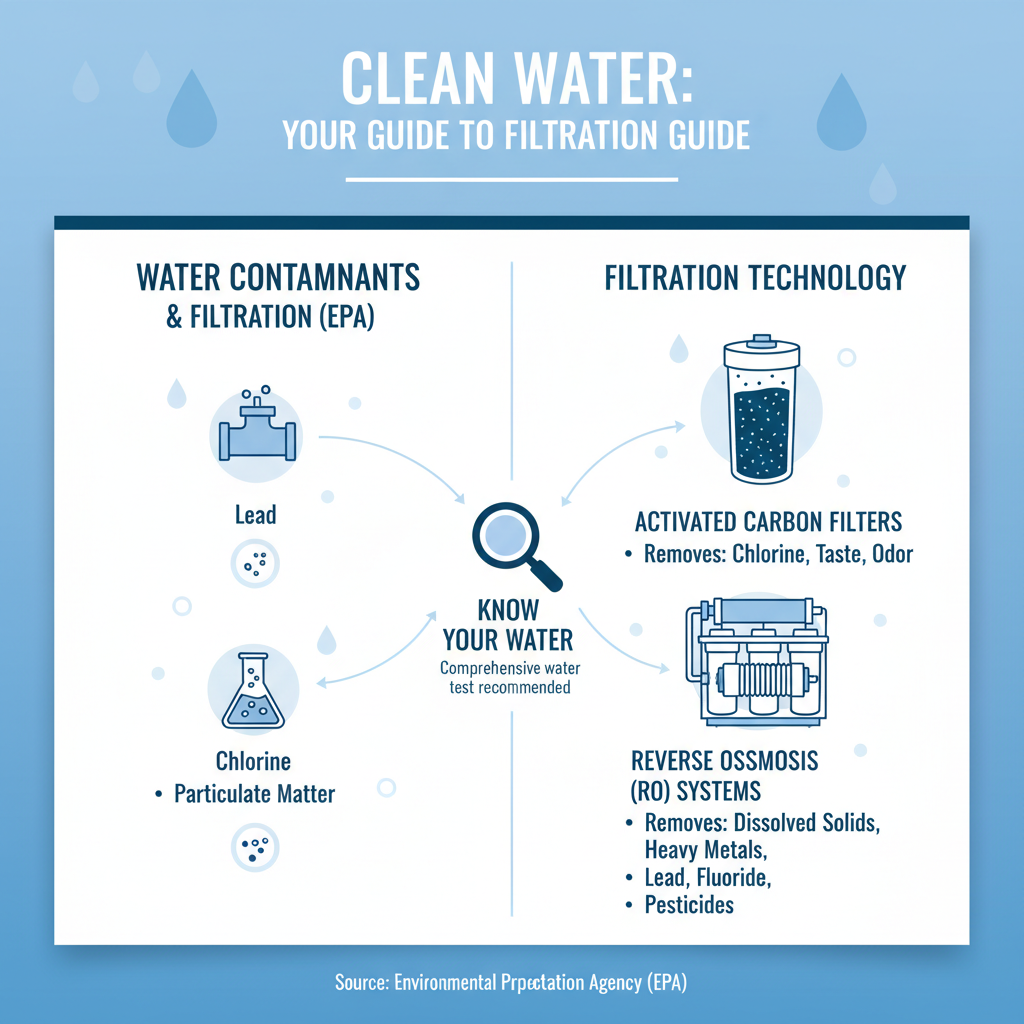
When it comes to ensuring clean and safe drinking water, understanding the various water filtration technologies available is essential. The most common methods include activated carbon filtration, reverse osmosis, and UV purification. Activated carbon filters are widely used due to their ability to effectively remove chlorine, sediment, and volatile organic compounds (VOCs). According to a 2021 report by the Water Quality Association, activated carbon filtration can reduce contaminants by up to 99%, making it a popular choice for households seeking improved taste and odor in their water.

Reverse osmosis (RO) systems are another highly effective filtration technology. They operate by forcing water through a semi-permeable membrane, thus removing contaminants such as heavy metals, salts, and some pathogens. The Environmental Protection Agency (EPA) reports that RO systems can remove up to 95% of dissolved solids, providing a strong solution for areas with hard water or high levels of impurities. Additionally, ultraviolet (UV) purification effectively eliminates bacteria and viruses by using UV light to disrupt their DNA, offering a chemical-free method of disinfection and a growing trend in water treatment systems across the globe.

Water Filtration Technologies Efficiency Comparison

Criteria for Choosing the Best Water Filter System

What is the Best Water Filter System for Clean and Safe Drinking Water

When choosing the best water filter system for clean and safe drinking water, several key criteria should be considered to ensure optimal performance. Firstly, the type of contaminants you aim to remove is crucial. According to the Environmental Protection Agency (EPA), common water contaminants include lead, chlorine, and particulate matter. A comprehensive water test can identify the specific impurities present in your water supply, guiding you toward the right filtration technology. Systems utilizing activated carbon filters are effective at reducing chlorine taste and odor, while reverse osmosis units excel at eliminating dissolved solids and heavy metals.

Another important factor to consider is the filter’s capacity and maintenance requirements. The National Sanitation Foundation (NSF) recommends choosing a system that matches your household’s daily water consumption. For instance, a household of four might benefit from a filter with a higher capacity, ensuring it can meet peak usage without frequent replacements. Additionally, filters must be replaced periodically to maintain efficiency; systems that provide easy access to filter replacements can enhance convenience, ultimately encouraging regular maintenance and continued access to safe drinking water. Understanding these criteria not only enhances your water quality but also informs a long-term investment in your health.

Top Water Filter Systems Reviewed and Compared

When it comes to ensuring clean and safe drinking water, selecting the right water filter system is crucial. Various systems are available in the market, but not all are created equal. Recent studies, such as the 2023 Water Quality Report by the Environmental Protection Agency (EPA), indicate that contaminants like lead, chlorine, and bacteria can significantly affect water quality. This underlines the importance of using effective filtration systems.

Top-reviewed water filter systems include reverse osmosis units, activated carbon filters, and ultraviolet (UV) purification systems. For instance, a study published by the Water Research Foundation shows that reverse osmosis systems can remove up to 99% of lead and other harmful substances, making them one of the most effective options. Conversely, activated carbon filters are known for improving taste and reducing chlorine levels, but they may not eliminate all contaminants. According to Consumer Reports, models like the Berkey and Brita have consistently demonstrated high performance in independent tests, offering reliability for households looking to enhance their drinking water quality.

In comparing these systems, cost, filter lifespan, and maintenance requirements play significant roles. The same Consumer Reports study reveals that while reverse osmosis systems can have a higher upfront cost, their long-term efficiency and efficacy might lead to cost savings in health and safety. Ultimately, consumers must weigh their specific needs against expert recommendations to choose the best water filtration system for their homes.

What is the Best Water Filter System for Clean and Safe Drinking Water - Top Water Filter Systems Reviewed and Compared

Filter Type Filtration Method Contaminants Removed Filter Lifespan Price Range
Activated Carbon Filter Absorption Chlorine, Sediments, VOCs 6-12 months $30 - $100
Reverse Osmosis Membrane Filtration Heavy Metals, Nitrates, Fluoride 2-3 years $150 - $600
UV Water Purifier Ultraviolet Light Bacteria, Viruses, Protozoa 1 year $75 - $300
Ceramic Filter Microfiltration Bacteria, Sediments, Cysts 6 months - 1 year $50 - $200
Ion Exchange Ion Exchange Process Hardness Minerals, Heavy Metals 1-2 years $100 - $400

Maintenance and Replacement Tips for Water Filtration Systems

When selecting a water filtration system, understanding maintenance and replacement tips is crucial for ensuring clean and safe drinking water. Regular maintenance not only prolongs the life of your filtration system but also enhances its effectiveness. For many systems, it is recommended to clean the filters every couple of months and to flush the system occasionally to prevent buildup of contaminants. Keeping an eye on any unusual changes in water taste or odor can also signal when maintenance may be needed.

Replacement of filters is another key aspect of upkeep. Most filters have a designated lifespan, often indicated by the manufacturer, and it is vital to adhere to these timelines. Waiting too long to replace filters can lead to reduced water quality and may even allow harmful substances to pass through. Keeping a schedule for filter changes, possibly coinciding with seasonal reminders, can ensure your system provides the best performance.

Understanding the specifics of your water filtration system’s needs will not only save you from unexpected issues but also secure your health by maintaining safe drinking water.