Contaminant Comparison Chart

For a complete list of contaminants that PUR filters reduce, please view our Performance Data Sheets here.


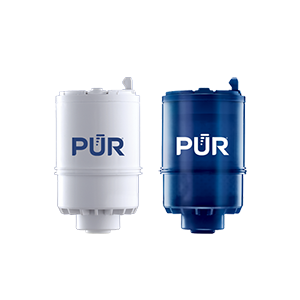
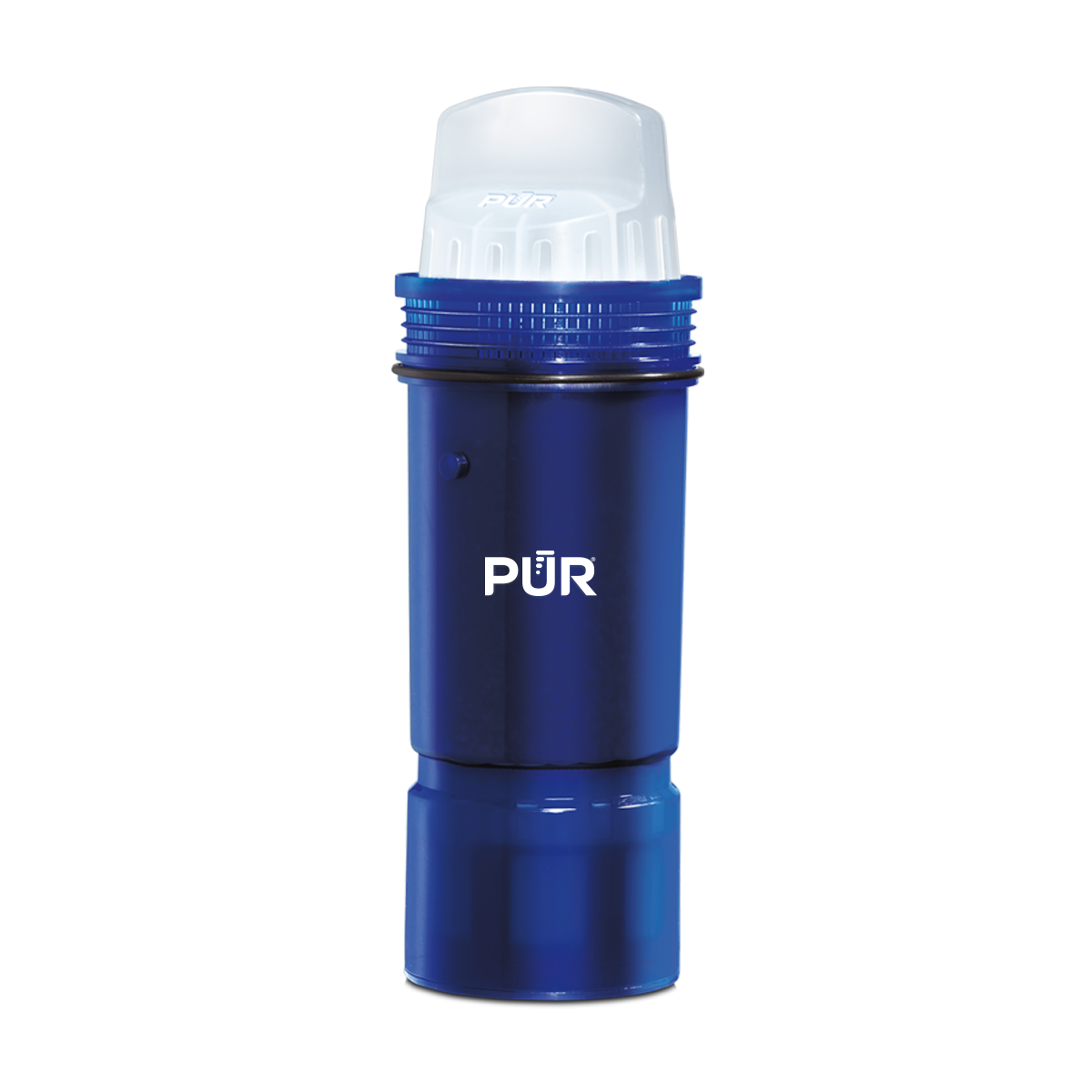
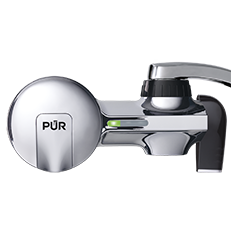
PUR & PUR PLUS FAUCET FILTERS
RF3375/RF9999

View Filters

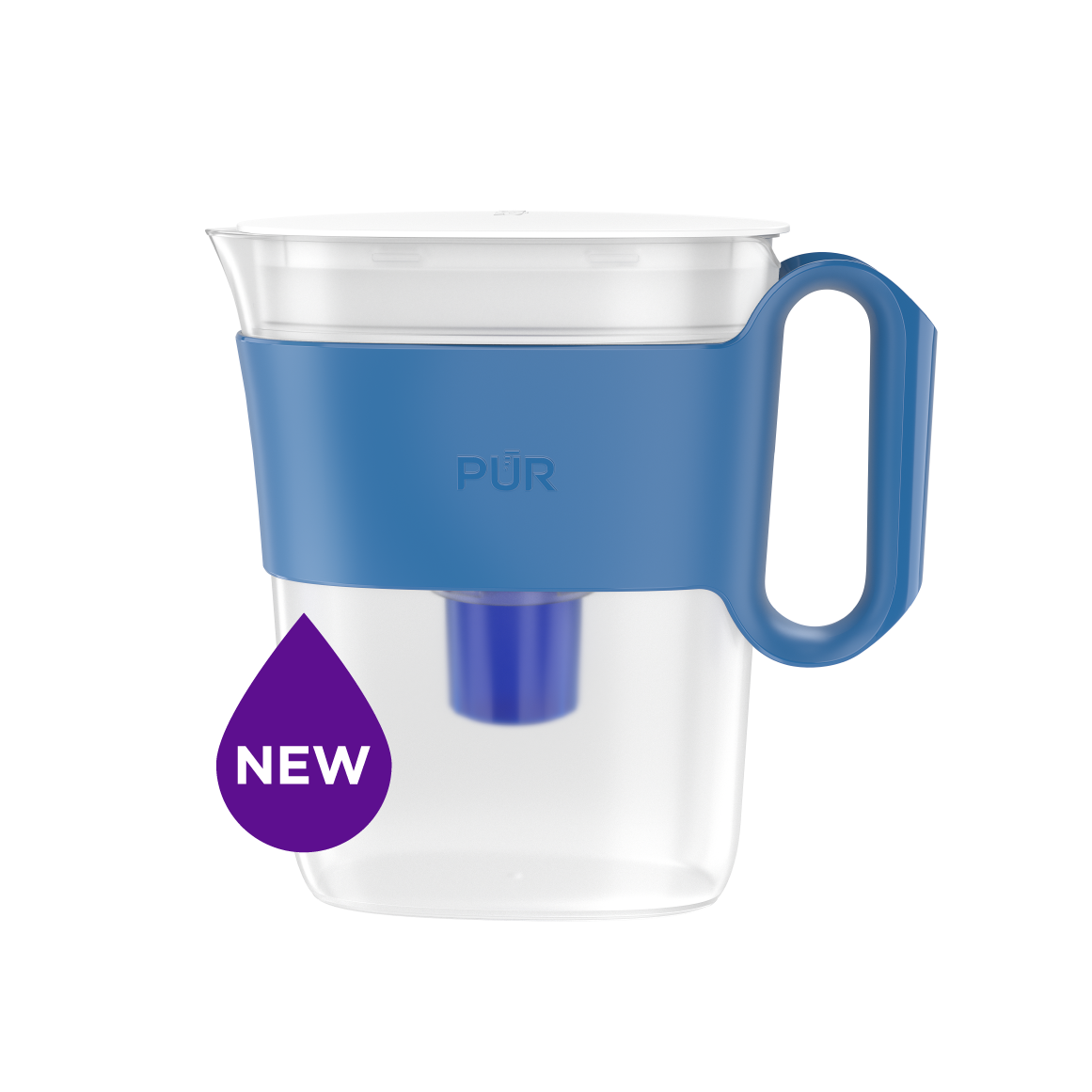
PUR PLUS PITCHER FILTERS
PPF951K

View Filter

PUR BASIC PITCHER FILTERS
PPF900Z

View Filter


Vs. Brita*

Lead
Microplastics
Mercury
Chlorine Taste & Odor
DEET
TTHM

PUR’s Filtration Systems Are Certified By NSF And WQA For Their Contamination Reduction. WQA certifications as of 5/27/21 for Faucet filter models RF-3375 and RF-9999.

¹ Certified to reduce 10X more chemical and physical substances than Brita’s® leading pitcher filter.
² Certified to reduce 3X more chemical and physical substances than Brita’s® leading pitcher filter.
³ Certified to reduce 2X more chemical and physical substances than Brita’s® leading pitcher filter.
*Versus best-selling Brita® pitcher filter OB03. Brita® is a trademark of Brita LP.
**Like other leading brands, PUR does not filter microbes. As of 3/1/23 Brita® and ZeroWater® were not certified to filter microbes. Brita® is a trademark of Brita LP. ZeroWater® is a trademark of Zero Technologies, LLC..
 

PUR & PUR PLUS FAUCET FILTERS


PUR & PUR PLUS FAUCET FILTERS
RF3375/RF9999

View Filters


Vs. Brita*

Lead
Microplastics
Mercury
Chlorine Taste & Odor
DEET
TTHM

PUR’s Filtration Systems Are Certified By NSF And WQA For Their Contamination Reduction. WQA certifications as of 5/27/21 for Faucet filter models RF-3375 and RF-9999.

¹ Certified to reduce 10X more chemical and physical substances than Brita’s® leading pitcher filter.
² Certified to reduce 3X more chemical and physical substances than Brita’s® leading pitcher filter.
³ Certified to reduce 2X more chemical and physical substances than Brita’s® leading pitcher filter.
*Versus best-selling Brita® pitcher filter OB03. Brita® is a trademark of Brita LP.
**Like other leading brands, PUR does not filter microbes. As of 3/1/23 Brita® and ZeroWater® were not certified to filter microbes. Brita® is a trademark of Brita LP. ZeroWater® is a trademark of Zero Technologies, LLC..
 

PUR PLUS PITCHER FILTERS


PUR PLUS PITCHER FILTERS
PPF951K

View Filter


Vs. Brita*

Lead
Microplastics
Mercury
Chlorine Taste & Odor
DEET
TTHM

PUR’s Filtration Systems Are Certified By NSF And WQA For Their Contamination Reduction. WQA certifications as of 5/27/21 for Faucet filter models RF-3375 and RF-9999.

¹ Certified to reduce 10X more chemical and physical substances than Brita’s® leading pitcher filter.
² Certified to reduce 3X more chemical and physical substances than Brita’s® leading pitcher filter.
³ Certified to reduce 2X more chemical and physical substances than Brita’s® leading pitcher filter.
*Versus best-selling Brita® pitcher filter OB03. Brita® is a trademark of Brita LP.
**Like other leading brands, PUR does not filter microbes. As of 3/1/23 Brita® and ZeroWater® were not certified to filter microbes. Brita® is a trademark of Brita LP. ZeroWater® is a trademark of Zero Technologies, LLC..
 

PUR BASIC PITCHER FILTERS


PUR BASIC PITCHER FILTERS
PPF900Z

View Filter


Vs. Brita*

Lead
Microplastics
Mercury
Chlorine Taste & Odor
DEET
TTHM

PUR’s Filtration Systems Are Certified By NSF And WQA For Their Contamination Reduction. WQA certifications as of 5/27/21 for Faucet filter models RF-3375 and RF-9999.

¹ Certified to reduce 10X more chemical and physical substances than Brita’s® leading pitcher filter.
² Certified to reduce 3X more chemical and physical substances than Brita’s® leading pitcher filter.
³ Certified to reduce 2X more chemical and physical substances than Brita’s® leading pitcher filter.
*Versus best-selling Brita® pitcher filter OB03. Brita® is a trademark of Brita LP.
**Like other leading brands, PUR does not filter microbes. As of 3/1/23 Brita® and ZeroWater® were not certified to filter microbes. Brita® is a trademark of Brita LP. ZeroWater® is a trademark of Zero Technologies, LLC..
 

Best Water Filter Tips for Clean Drinking Water Choices?

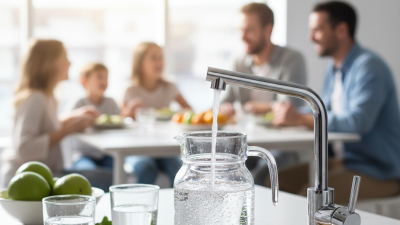
Clean drinking water is essential for health. Choosing the best water filter can greatly improve water quality. With countless options available, it can be overwhelming to make the right choice.

Understanding your needs is crucial. Some filters remove specific contaminants, while others focus on taste and odor. The best water filters often balance both aspects. It’s helpful to know what is in your water. Testing your water source highlights the pollutants present. This knowledge guides your decision.

Listening to expert opinions and user reviews can also help. Professional recommendations often lead to reliable products. However, remember that no filter is perfect. Each has strengths and weaknesses. Reflecting on the best water filter for your situation can ensure better health for your family. It is worth investing time in research and comparison.

Best Water Filter Tips for Clean Drinking Water Choices?

Understanding the Importance of Clean Drinking Water

Clean drinking water is essential for good health. Contaminated water can lead to serious health problems. Understanding its importance allows us to make informed choices about our water sources.


One crucial tip for ensuring clean drinking water is regular testing. Water quality can change over time, making testing vital. You should test your water for contaminants like lead, bacteria, and chlorine. Conducting these tests helps you understand what you’re drinking.


Another helpful tip is to explore various filtration options. Different filters target different contaminants. Some remove heavy metals, while others focus on bacteria. Find a filter that’s suitable for your specific needs. You might want to consult local health resources for reliable recommendations.


Additionally, consider your plumbing. Old pipes might leach harmful substances into your water. Regular maintenance can prevent issues and keep your water safe. It’s all about making conscious choices for your health.

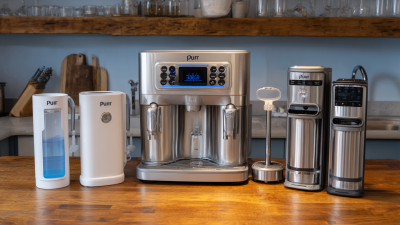
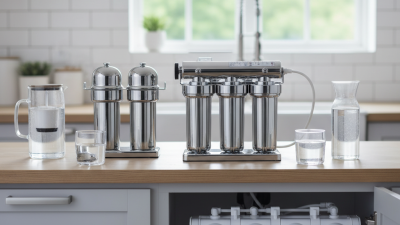
Types of Water Filters Available for Home Use

When it comes to choosing a water filter for your home, understanding the types available is crucial. According to recent reports from the Environmental Protection Agency (EPA), nearly 10% of U.S. households rely on private wells, which can introduce pollutants into drinking water. Thus, selecting the right filter can significantly impact health.

One common type is activated carbon filters. These are effective in removing chlorine, sediment, and volatile organic compounds (VOCs). Studies suggest that these filters can reduce contaminants by up to 99%. Another popular option is reverse osmosis systems. These systems can remove up to 90% of total dissolved solids (TDS). However, they can waste water, potentially leading to environmental concerns.

Tip: Regular maintenance is essential. Change cartridges as recommended, typically every 6 to 12 months, to ensure efficacy. Also, consider your water quality. A water test can help identify specific contaminants to target.

Ultraviolet (UV) filtration shines in combatting bacteria and viruses. It can sterilize 99.99% of microbes, making it a solid choice for areas with microbial concerns. Yet, UV filters do not remove chemicals or sediments. Balancing filter types based on specific needs can guide you to the best overall choice for clean drinking water.

Factors to Consider When Choosing a Water Filter

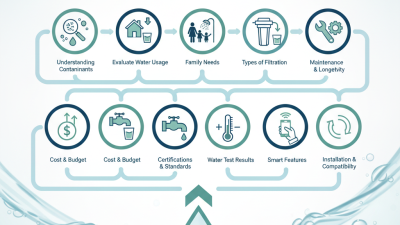
When selecting a water filter, several factors play a crucial role in ensuring clean drinking water. First, consider the type of contaminants present in your water. Knowing whether you have chlorine, lead, or microbes can guide your choice. For example, carbon filters excel at removing chlorine taste and odor. Meanwhile, reverse osmosis units are great for heavy metals.

Tips: Always check for certified models. Testing your water quality can be eye-opening. You may discover hidden contaminants that standard filters miss.

Another important aspect is the filter's maintenance requirements. Some systems need frequent replacements, while others are more durable. Think about your budget and how often you're willing to replace filters. A more expensive unit may save you money in the long run if it requires less maintenance.

Tips: Set reminders for maintenance. Sometimes, we forget about filter changes until it's too late. Regular checks can prevent bacteria build-up.

Finally, water taste can significantly impact your drinking experience. Not all filters can improve taste effectively. Research user reviews to gain insights and make informed choices. You might find that some filters work better in specific water areas.

Best Water Filter Tips for Clean Drinking Water Choices

Filter Type Contaminants Removed Lifespan (Months) Flow Rate (GPH) Cost ($)
Activated Carbon Chlorine, Sediment, VOCs 6-12 2-3 30-100
Reverse Osmosis Heavy Metals, Salts, Fluoride 2-3 0.5-1 150-500
UV Filter Bacteria, Viruses 12+ 1-3 100-300
Ceramic Filter Bacteria, Sediment, Cysts 6-12 2-4 50-200

Tips for Maintaining Your Water Filter for Optimal Performance

Maintaining your water filter is essential for achieving optimal performance. Regular maintenance ensures that harmful contaminants are effectively removed. Here are some useful tips.

Change the filter regularly. Most filters have a lifespan that varies. Check the manufacturer's guidelines for your specific model. Neglecting this task can lead to reduced effectiveness. Keep an eye on the filter indicator if your device has one. It will notify you when it’s time for a change.

Cleaning your water filter is just as important. Many filters have components that can be rinsed and reused. Use a gentle soap solution and a soft cloth to avoid damaging parts. It’s best to do this every month or so. Additionally, inspect the filter housing. Look for any cracks or buildup that might affect performance.

Store your filter properly. When not in use, keep it in a cool, dry place. Exposure to extreme temperatures can affect some materials. Consider labeling your filter with the purchase date. This helps you track its lifespan. With these steps, you can ensure clean drinking water for your family.

Water Filter Performance Tests

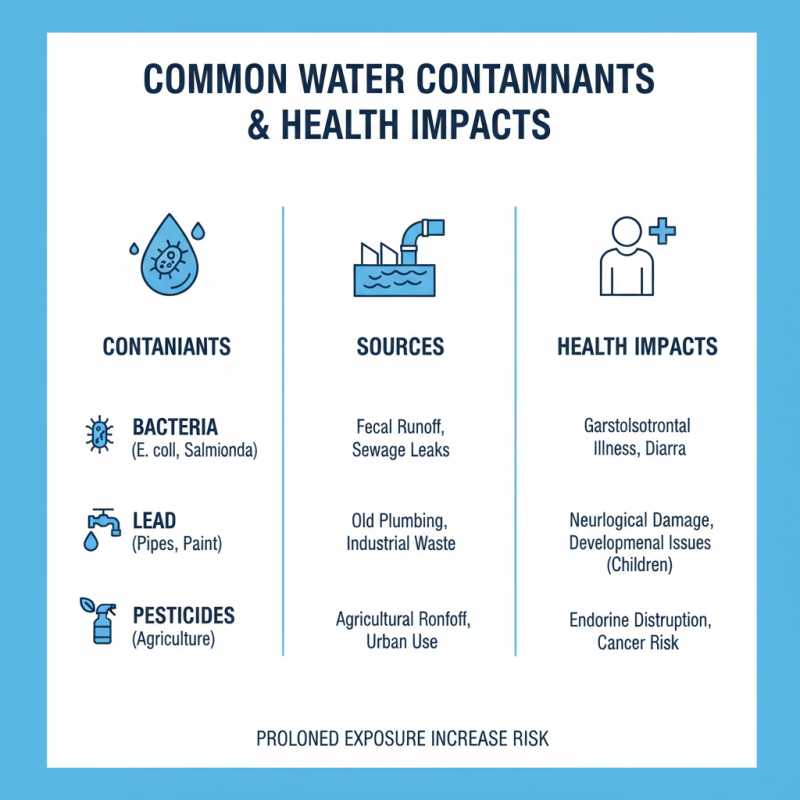
Common Water Contaminants and Their Health Impacts

Best Water Filter Tips for Clean Drinking Water Choices?

Water quality greatly impacts our health. Contaminants can vary widely and pose serious risks. Common issues include bacteria, lead, and pesticides. Each of these can lead to health problems, especially with prolonged exposure.

Bacteria can cause gastrointestinal issues. You might experience cramps, diarrhea, or nausea. When it comes to lead, the danger often hides in old pipes. Exposure, even at low levels, can affect brain development in children. Pesticides are another concern. They can disrupt hormones and lead to reproductive issues.

Being aware of these contaminants helps in making informed choices. Regular testing of your water supply is crucial. It's not just about taste; it’s about safety. Filters can significantly reduce many contaminants. However, proper maintenance matters. A neglected system won't work efficiently. Educate yourself and stay proactive about your drinking water quality.