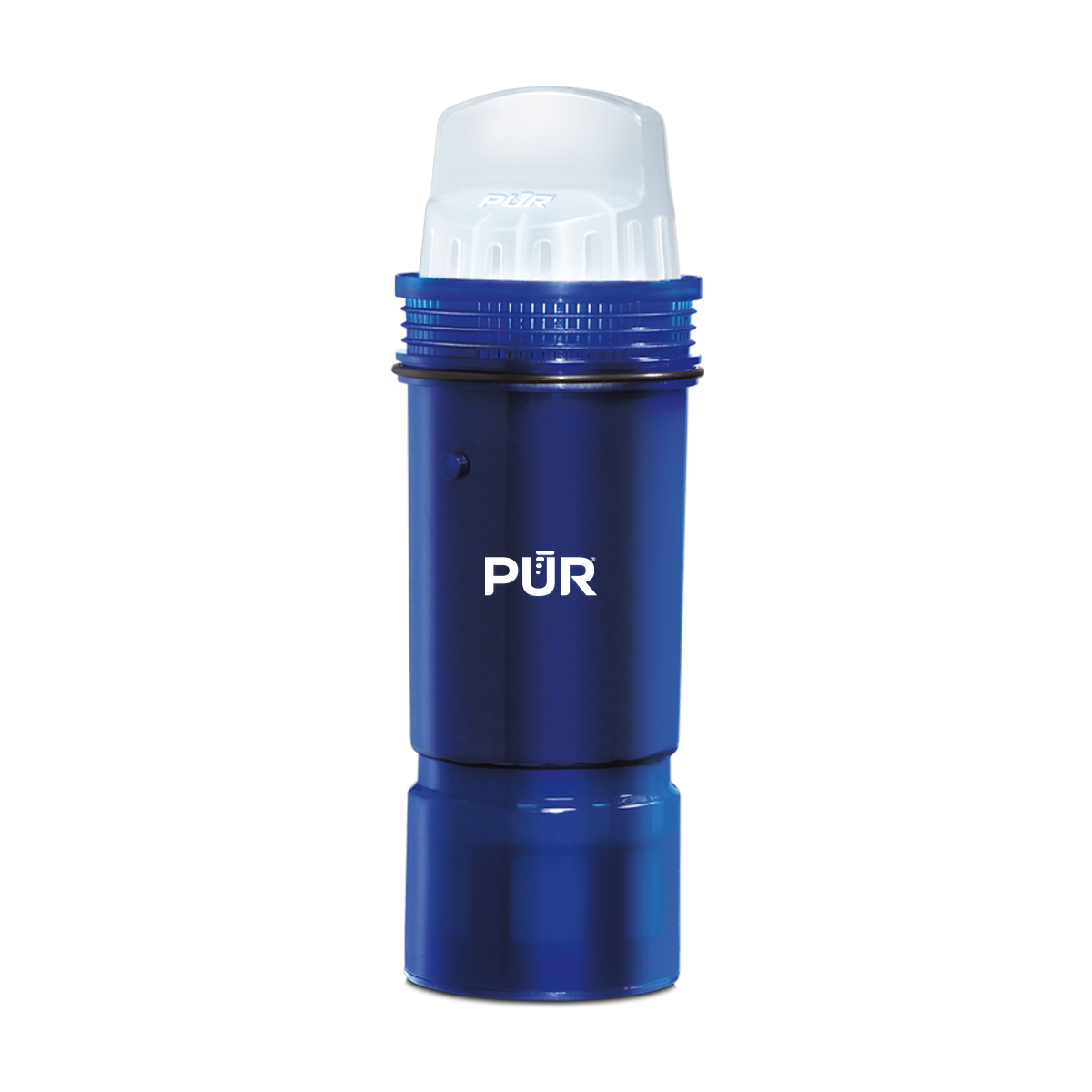
Contaminant Comparison Chart

For a complete list of contaminants that PUR filters reduce, please view our Performance Data Sheets here.


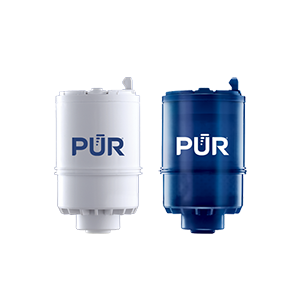
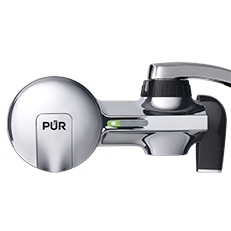
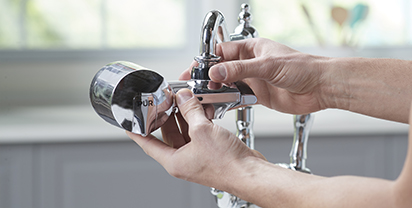
PUR & PUR PLUS FAUCET FILTERS
RF3375/RF9999

View Filters

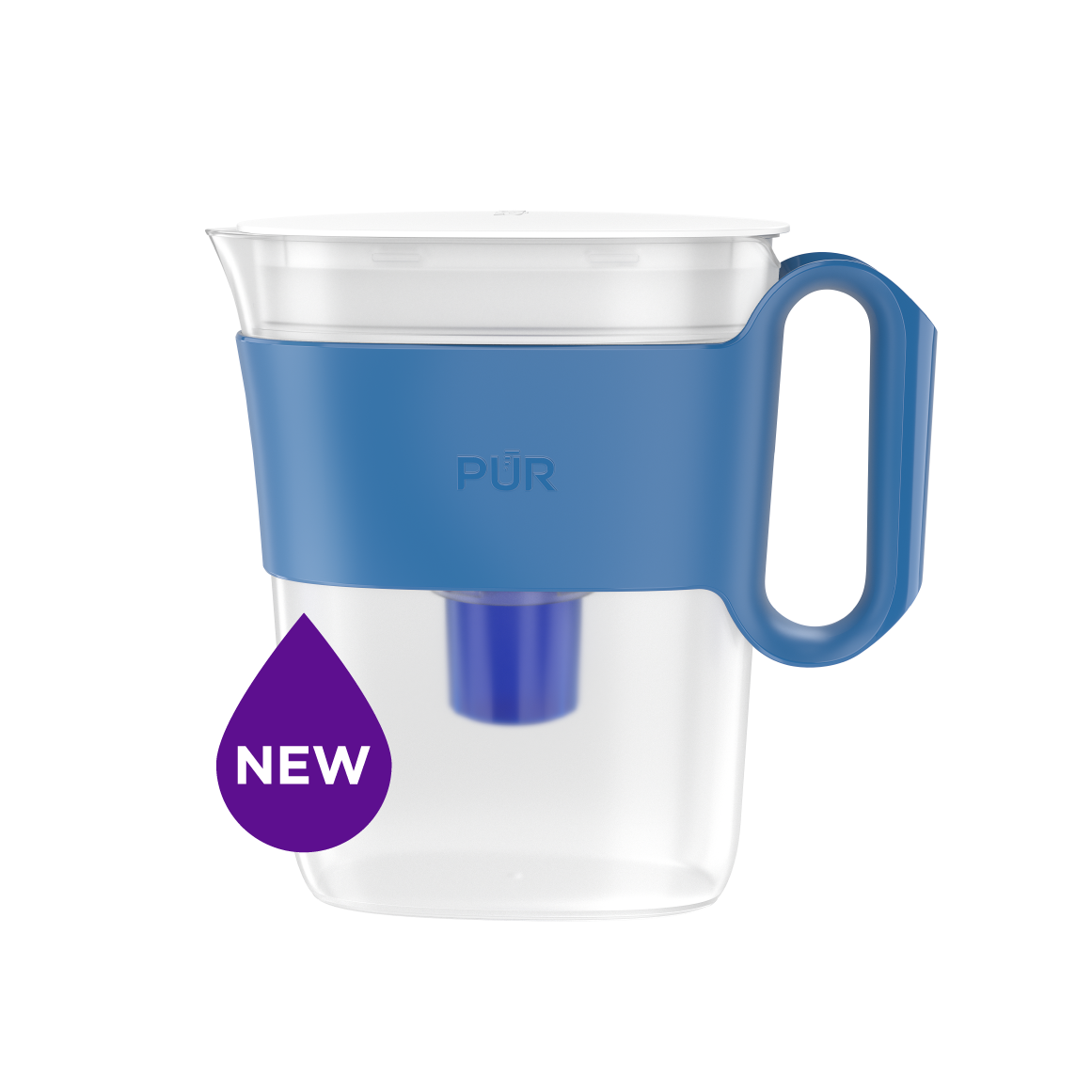
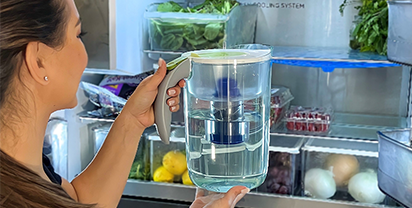
PUR PLUS PITCHER FILTERS
PPF951K

View Filter

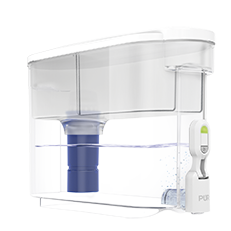
PUR BASIC PITCHER FILTERS
PPF900Z

View Filter


Vs. Brita*

Lead ✓ ✓
Microplastics ✓ ✓
Mercury ✓ ✓ ✓
Chlorine Taste & Odor ✓ ✓ ✓
DEET ✓
TTHM ✓

PUR’s Filtration Systems Are Certified By NSF And WQA For Their Contamination Reduction. WQA certifications as of 5/27/21 for Faucet filter models RF-3375 and RF-9999.

¹ Certified to reduce 10X more chemical and physical substances than Brita’s® leading pitcher filter.
² Certified to reduce 3X more chemical and physical substances than Brita’s® leading pitcher filter.
³ Certified to reduce 2X more chemical and physical substances than Brita’s® leading pitcher filter.
*Versus best-selling Brita® pitcher filter OB03. Brita® is a trademark of Brita LP.
**Like other leading brands, PUR does not filter microbes. As of 3/1/23 Brita® and ZeroWater® were not certified to filter microbes. Brita® is a trademark of Brita LP. ZeroWater® is a trademark of Zero Technologies, LLC..
 

PUR & PUR PLUS FAUCET FILTERS


PUR & PUR PLUS FAUCET FILTERS
RF3375/RF9999

View Filters


Vs. Brita*

Lead ✓
Microplastics ✓
Mercury ✓
Chlorine Taste & Odor ✓
DEET ✓
TTHM ✓

PUR’s Filtration Systems Are Certified By NSF And WQA For Their Contamination Reduction. WQA certifications as of 5/27/21 for Faucet filter models RF-3375 and RF-9999.

¹ Certified to reduce 10X more chemical and physical substances than Brita’s® leading pitcher filter.
² Certified to reduce 3X more chemical and physical substances than Brita’s® leading pitcher filter.
³ Certified to reduce 2X more chemical and physical substances than Brita’s® leading pitcher filter.
*Versus best-selling Brita® pitcher filter OB03. Brita® is a trademark of Brita LP.
**Like other leading brands, PUR does not filter microbes. As of 3/1/23 Brita® and ZeroWater® were not certified to filter microbes. Brita® is a trademark of Brita LP. ZeroWater® is a trademark of Zero Technologies, LLC..
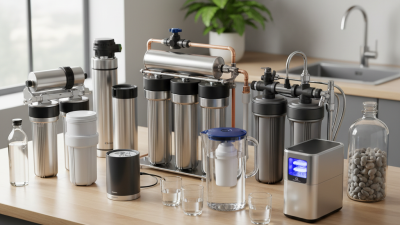
 

PUR PLUS PITCHER FILTERS


PUR PLUS PITCHER FILTERS
PPF951K

View Filter


Vs. Brita*

Lead ✓
Microplastics ✓
Mercury ✓
Chlorine Taste & Odor ✓
DEET
TTHM

PUR’s Filtration Systems Are Certified By NSF And WQA For Their Contamination Reduction. WQA certifications as of 5/27/21 for Faucet filter models RF-3375 and RF-9999.

¹ Certified to reduce 10X more chemical and physical substances than Brita’s® leading pitcher filter.
² Certified to reduce 3X more chemical and physical substances than Brita’s® leading pitcher filter.
³ Certified to reduce 2X more chemical and physical substances than Brita’s® leading pitcher filter.
*Versus best-selling Brita® pitcher filter OB03. Brita® is a trademark of Brita LP.
**Like other leading brands, PUR does not filter microbes. As of 3/1/23 Brita® and ZeroWater® were not certified to filter microbes. Brita® is a trademark of Brita LP. ZeroWater® is a trademark of Zero Technologies, LLC..
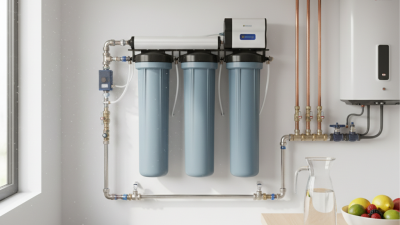
 

PUR BASIC PITCHER FILTERS


PUR BASIC PITCHER FILTERS
PPF900Z

View Filter


Vs. Brita*

Lead
Microplastics
Mercury ✓
Chlorine Taste & Odor ✓
DEET
TTHM

PUR’s Filtration Systems Are Certified By NSF And WQA For Their Contamination Reduction. WQA certifications as of 5/27/21 for Faucet filter models RF-3375 and RF-9999.

¹ Certified to reduce 10X more chemical and physical substances than Brita’s® leading pitcher filter.
² Certified to reduce 3X more chemical and physical substances than Brita’s® leading pitcher filter.
³ Certified to reduce 2X more chemical and physical substances than Brita’s® leading pitcher filter.
*Versus best-selling Brita® pitcher filter OB03. Brita® is a trademark of Brita LP.
**Like other leading brands, PUR does not filter microbes. As of 3/1/23 Brita® and ZeroWater® were not certified to filter microbes. Brita® is a trademark of Brita LP. ZeroWater® is a trademark of Zero Technologies, LLC..
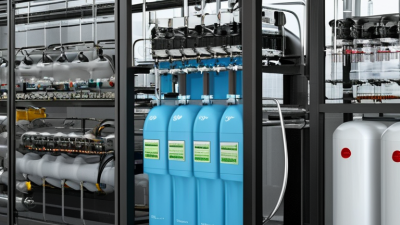
 

7 Best Water Purification Systems for 2026

Choosing among the 7 Best Water Purification Systems for 2026 starts with one practical question: what is in your water? A clear glass can still contain contaminants that taste and smell cannot reveal. Water researcher Peter Gleick has emphasized that access to safe water is a fundamental human need. That principle matters at home, where the right system depends on local water conditions, household size, and daily use.

This guide compares water purification systems by treatment method, performance information, installation needs, upkeep, and overall value. Options may include reverse osmosis units, carbon filters, and ultraviolet systems. Each approach has limits. A filter designed to improve chlorine taste, for example, may not address every health concern. Small details matter. Check the manufacturer’s performance data and look for independent certifications that match the contaminants you want to reduce. If you use a private well, consider testing the water before choosing equipment.

Maintenance deserves equal attention. A system with impressive specifications can disappoint if replacement cartridges are hard to find or changed too late. We also consider water waste, filter costs, flow rate, and the space needed beneath a sink or beside a main water line. No filter is magic. Your results will depend on the water entering your home and how carefully you follow installation and maintenance instructions. This overview aims to make the choices clearer, while recognizing that one household’s best fit may not suit another.

7 Best Water Purification Systems for 2026

How Water Purification Systems Work

7 Best Water Purification Systems for 2026

How Water Purification Systems Work

Water purification systems use different barriers to reduce specific contaminants. A sediment filter traps visible grit, like the fine sand that settles in a glass. Activated carbon adsorbs some chemicals and improves taste and odor. Reverse-osmosis membranes separate many dissolved substances from water, while ultraviolet treatment inactivates many microorganisms. Each method has limits. No single filter removes everything.

The WHO/UNICEF Joint Monitoring Programme estimated that 2.2 billion people lacked safely managed drinking water in 2022, in its Progress on Household Drinking Water, Sanitation and Hygiene 2000–2022 report. That global figure does not describe the water at any particular tap. Local source water, plumbing, and filter condition all matter. A clear glass can still contain contaminants you cannot see. Testing is less glamorous, but useful.

Tips: Match a system to a known water concern, and check its independent performance certification. Replace cartridges on schedule; an overdue filter may work poorly. Keep the test results and maintenance dates. It is easy to forget.

Key Criteria for Evaluating Water Purifiers in 2026

Choosing a water purification system in 2026 starts with your water, not a feature list. A recent utility report or certified laboratory test can help identify what needs reducing; clear water can still contain dissolved contaminants. Check the exact reduction claims and independent certification, such as applicable NSF/ANSI standards, for the specific model and replacement filter. Broad phrases like “advanced filtration” do not tell you which substances a system has been tested to reduce. Different methods have different limits: activated carbon can improve chlorine taste, while reverse osmosis can reduce many dissolved substances. Neither method addresses every concern. Private-well users may also need tests for microbes and nitrate.

Real-world performance matters. Compare daily capacity, tap flow, and rated filter life, not just the headline specifications. A slow faucet can frustrate a busy morning, while a storage tank may take up valuable cabinet space. Check installation requirements, wastewater production, power needs, replacement-filter availability, and yearly costs. Maintenance is easy to underestimate; missed filter changes can affect performance. Set reminders, but treat them as prompts, not proof that a filter is still effective. Household water quality can change, and test results can become outdated, so reassessment may be sensible after plumbing work or a change in the water source.

Major Purification Technologies and Their Uses

Water purification works best when matched to a specific water problem. Start with a recent municipal water report or a laboratory test for well water. A clear glass can still contain dissolved contaminants. Looks are not enough.

Activated carbon can improve chlorine taste and odor, and some filters reduce certain organic compounds. It does not reliably remove dissolved salts or disinfect water. Reverse osmosis pushes water through a fine membrane, reducing many dissolved substances; it can also produce wastewater and needs regular filter changes. Check the system’s certified performance for the contaminant you care about. That detail matters.

Ultraviolet treatment can inactivate many microbes, but it works best with clear water and leaves no disinfectant behind. Distillation separates water from many minerals and contaminants, though it is slower and uses energy. Ion-exchange systems mainly address hardness, helping reduce scale on taps and kettles. Ultrafiltration can reduce some particles and microbes, but dissolved substances may pass through. No method is universal.

I’d be cautious about treating one device as a complete solution; even useful systems need maintenance, and neglected filters can undermine performance.

Seven Leading Water Purification Systems Compared

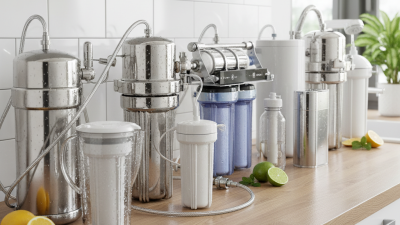
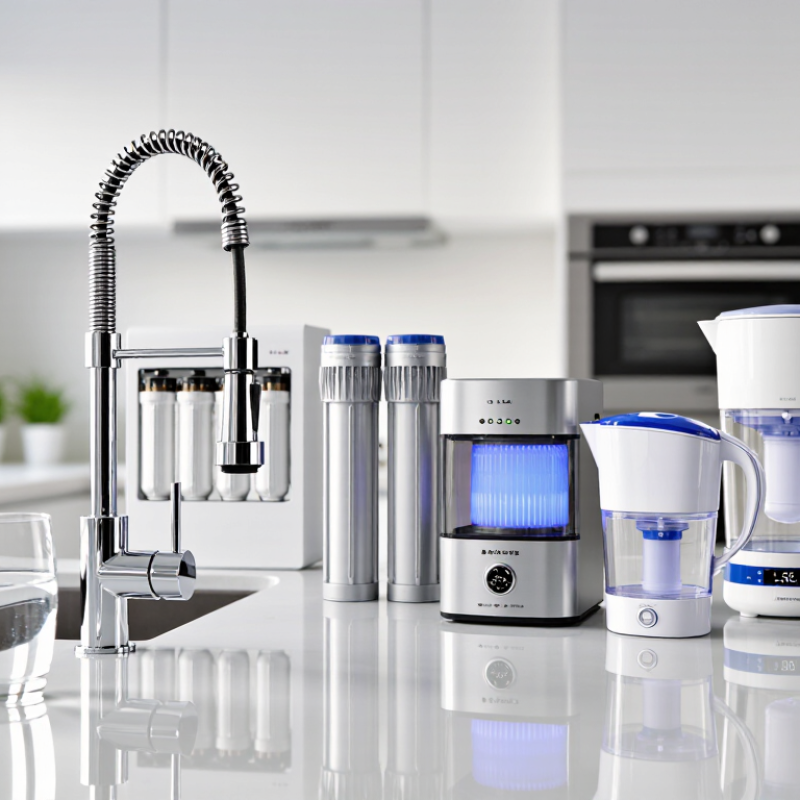
Seven leading water purification systems differ in what they remove, how they fit a home, and what they demand over time. A pitcher filter is simple and inexpensive, but its capacity is limited. Faucet-mounted units save counter space; check that the faucet design is compatible. Countertop reverse-osmosis systems offer broader treatment without plumbing changes, though they need room and produce reject water. Fit matters.

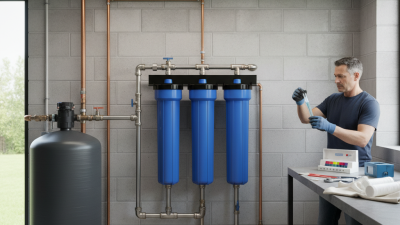
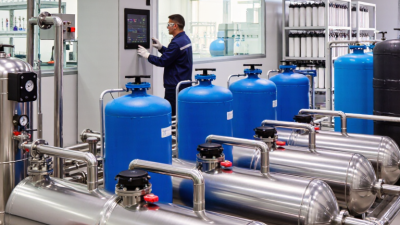
Under-sink reverse osmosis keeps equipment out of sight and can reduce many dissolved substances, depending on its filters and certification. Gravity-fed systems work without electricity, but flow may be slow, and filter replacement still matters. Ultraviolet units can inactivate many microorganisms when correctly sized and maintained; they do not remove dissolved chemicals or particles. A whole-house sediment-and-carbon system treats incoming water for the entire home, yet may not provide drinking-water treatment for every contaminant.

The useful comparison is not a feature count. It is a match between local water concerns, installation limits, and verified performance. Look for certifications that name the specific contaminant reduction, rather than relying on broad “purification” language. Check replacement intervals and filter costs, too. A neglected system can disappoint. One detail is easy to miss: private-well water may need testing before choosing a treatment method, and even a careful comparison cannot replace that evidence.

How to Choose a System for Your Home’s Water Needs

Choosing a water purification system starts with identifying what is actually in your water. Check your utility’s latest water quality report, or arrange laboratory testing if your home uses a private well. Taste and odor can offer clues, but they cannot reliably reveal contaminants such as lead or nitrate. A test gives you a clearer target.

Match the treatment method to that target. Activated carbon can reduce chlorine taste and odor when the product is certified for those claims. Reverse osmosis may reduce several dissolved substances, but it uses water to produce filtered water and can remove useful minerals too. Ultraviolet treatment can address certain microorganisms, yet it does not remove dissolved chemicals. One system rarely handles everything.

Think about where you need treatment. An under-sink unit serves drinking and cooking water; a whole-house system treats water at multiple taps and may need more space and maintenance. Check replacement-filter cost, service intervals, flow rate, and independent certification for the specific contaminants you care about. Small details matter. A cartridge that is difficult to replace may sit overdue for months—I have seen how easy that is to overlook. After installation, follow the maintenance schedule and retest when appropriate, especially if water quality changes.