Contaminant Comparison Chart

For a complete list of contaminants that PUR filters reduce, please view our Performance Data Sheets here.


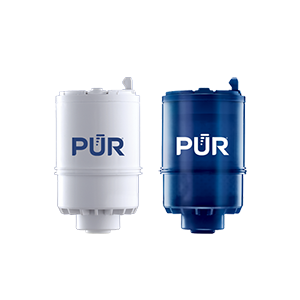
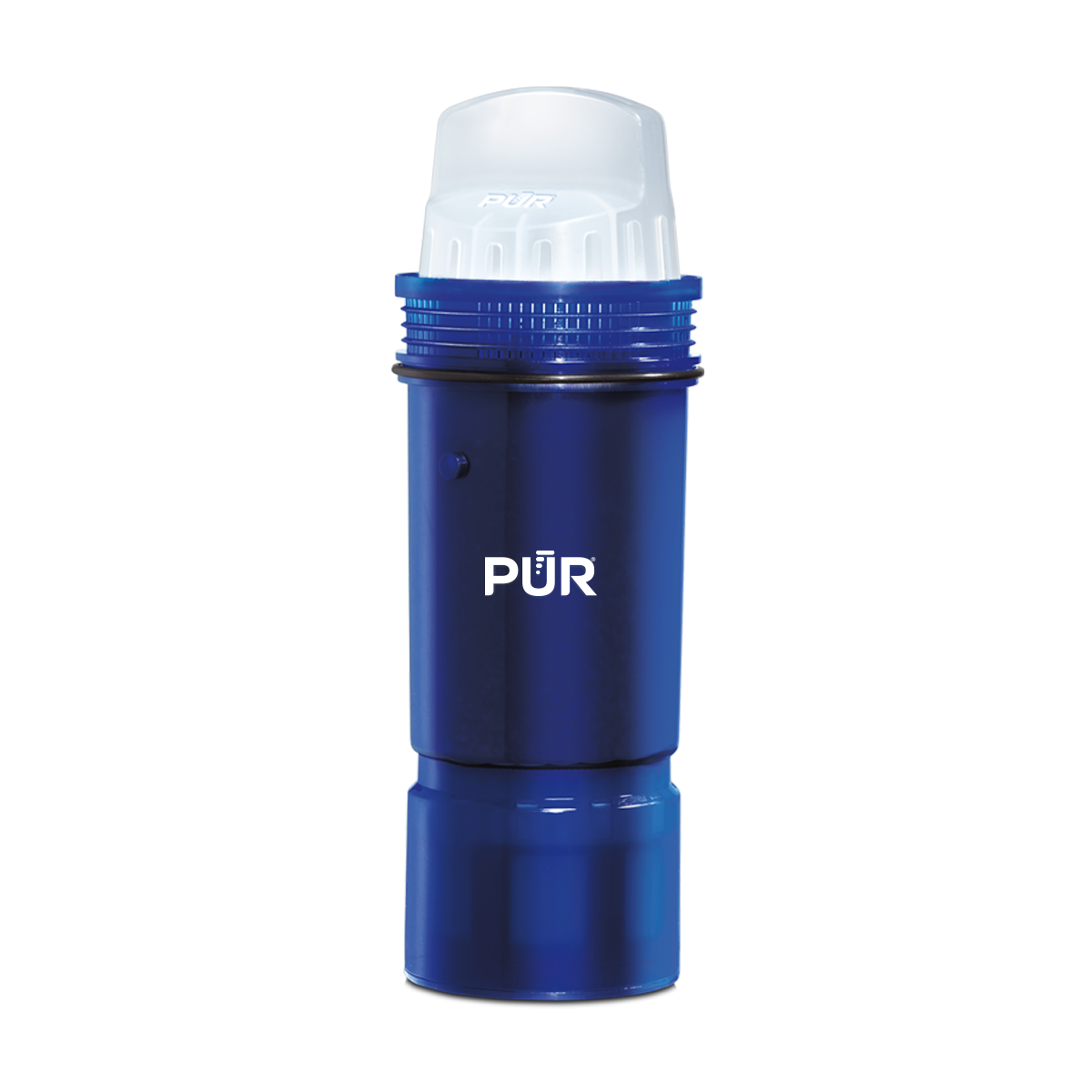
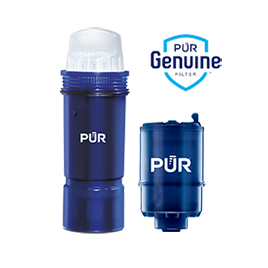
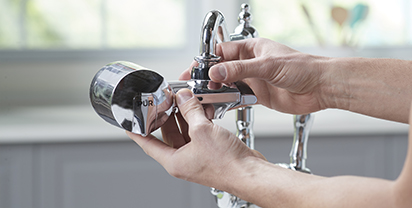
PUR & PUR PLUS FAUCET FILTERS
RF3375/RF9999

View Filters

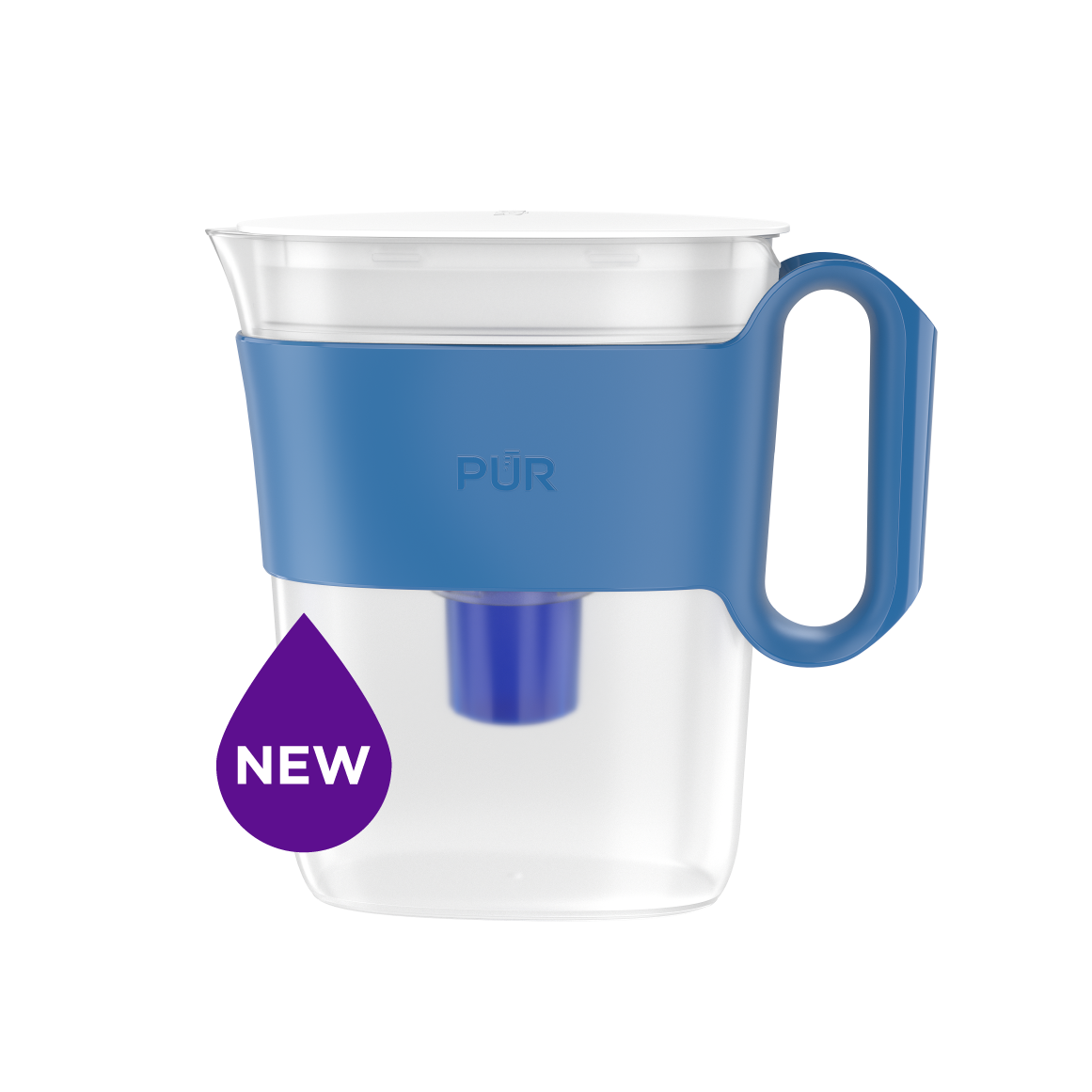
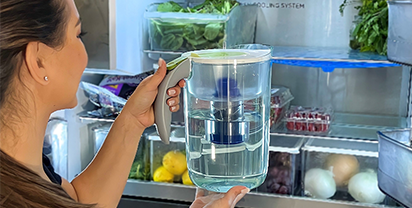
PUR PLUS PITCHER FILTERS
PPF951K

View Filter

PUR BASIC PITCHER FILTERS
PPF900Z

View Filter


Vs. Brita*

Lead
Microplastics
Mercury
Chlorine Taste & Odor
DEET
TTHM

PUR’s Filtration Systems Are Certified By NSF And WQA For Their Contamination Reduction. WQA certifications as of 5/27/21 for Faucet filter models RF-3375 and RF-9999.

¹ Certified to reduce 10X more chemical and physical substances than Brita’s® leading pitcher filter.
² Certified to reduce 3X more chemical and physical substances than Brita’s® leading pitcher filter.
³ Certified to reduce 2X more chemical and physical substances than Brita’s® leading pitcher filter.
*Versus best-selling Brita® pitcher filter OB03. Brita® is a trademark of Brita LP.
**Like other leading brands, PUR does not filter microbes. As of 3/1/23 Brita® and ZeroWater® were not certified to filter microbes. Brita® is a trademark of Brita LP. ZeroWater® is a trademark of Zero Technologies, LLC..
 

PUR & PUR PLUS FAUCET FILTERS


PUR & PUR PLUS FAUCET FILTERS
RF3375/RF9999

View Filters


Vs. Brita*

Lead
Microplastics
Mercury
Chlorine Taste & Odor
DEET
TTHM

PUR’s Filtration Systems Are Certified By NSF And WQA For Their Contamination Reduction. WQA certifications as of 5/27/21 for Faucet filter models RF-3375 and RF-9999.

¹ Certified to reduce 10X more chemical and physical substances than Brita’s® leading pitcher filter.
² Certified to reduce 3X more chemical and physical substances than Brita’s® leading pitcher filter.
³ Certified to reduce 2X more chemical and physical substances than Brita’s® leading pitcher filter.
*Versus best-selling Brita® pitcher filter OB03. Brita® is a trademark of Brita LP.
**Like other leading brands, PUR does not filter microbes. As of 3/1/23 Brita® and ZeroWater® were not certified to filter microbes. Brita® is a trademark of Brita LP. ZeroWater® is a trademark of Zero Technologies, LLC..
 

PUR PLUS PITCHER FILTERS


PUR PLUS PITCHER FILTERS
PPF951K

View Filter


Vs. Brita*

Lead
Microplastics
Mercury
Chlorine Taste & Odor
DEET
TTHM

PUR’s Filtration Systems Are Certified By NSF And WQA For Their Contamination Reduction. WQA certifications as of 5/27/21 for Faucet filter models RF-3375 and RF-9999.

¹ Certified to reduce 10X more chemical and physical substances than Brita’s® leading pitcher filter.
² Certified to reduce 3X more chemical and physical substances than Brita’s® leading pitcher filter.
³ Certified to reduce 2X more chemical and physical substances than Brita’s® leading pitcher filter.
*Versus best-selling Brita® pitcher filter OB03. Brita® is a trademark of Brita LP.
**Like other leading brands, PUR does not filter microbes. As of 3/1/23 Brita® and ZeroWater® were not certified to filter microbes. Brita® is a trademark of Brita LP. ZeroWater® is a trademark of Zero Technologies, LLC..


PUR BASIC PITCHER FILTERS


PUR BASIC PITCHER FILTERS
PPF900Z

View Filter


Vs. Brita*

Lead
Microplastics
Mercury
Chlorine Taste & Odor
DEET
TTHM

PUR’s Filtration Systems Are Certified By NSF And WQA For Their Contamination Reduction. WQA certifications as of 5/27/21 for Faucet filter models RF-3375 and RF-9999.

¹ Certified to reduce 10X more chemical and physical substances than Brita’s® leading pitcher filter.
² Certified to reduce 3X more chemical and physical substances than Brita’s® leading pitcher filter.
³ Certified to reduce 2X more chemical and physical substances than Brita’s® leading pitcher filter.
*Versus best-selling Brita® pitcher filter OB03. Brita® is a trademark of Brita LP.
**Like other leading brands, PUR does not filter microbes. As of 3/1/23 Brita® and ZeroWater® were not certified to filter microbes. Brita® is a trademark of Brita LP. ZeroWater® is a trademark of Zero Technologies, LLC..
 

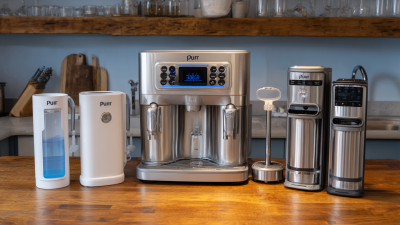
Best 10 Water Systems for Home Use to Ensure Pure Drinking Water

In today's world, ensuring access to pure drinking water is more critical than ever. With increasing concerns over water quality and safety, many homeowners are seeking effective solutions to provide their families with the cleanest water possible. A reliable water system for home use is essential for not only enhancing health but also improving the overall quality of life. In this guide, we will explore the best 10 water systems for home use that cater to a variety of needs and preferences, ensuring that every household can find a solution that aligns with their unique requirements.

Choosing the right water system for home is not just about convenience; it's about making a lasting investment in the well-being of your family. From advanced filtration technologies to simple and affordable options, modern water systems have evolved significantly, offering diverse choices that make purification accessible to everyone. This article aims to provide valuable insights into the top water systems available on the market, empowering homeowners to make informed decisions that lead to healthier drinking habits. By understanding these systems and their benefits, you can take the first step towards achieving a safe and reliable water source in your home.

Best 10 Water Systems for Home Use to Ensure Pure Drinking Water

Top 10 Water Filtration Systems for Home Use: A Comprehensive Buying Guide

When choosing a water filtration system for home use, it is crucial to consider various factors that ensure the delivery of pure drinking water. First, assess the types of contaminants present in your water supply, as different systems target specific impurities such as chlorine, lead, or bacteria. A comprehensive water test can help identify these contaminants, guiding you toward the best filtration solution tailored to your needs.

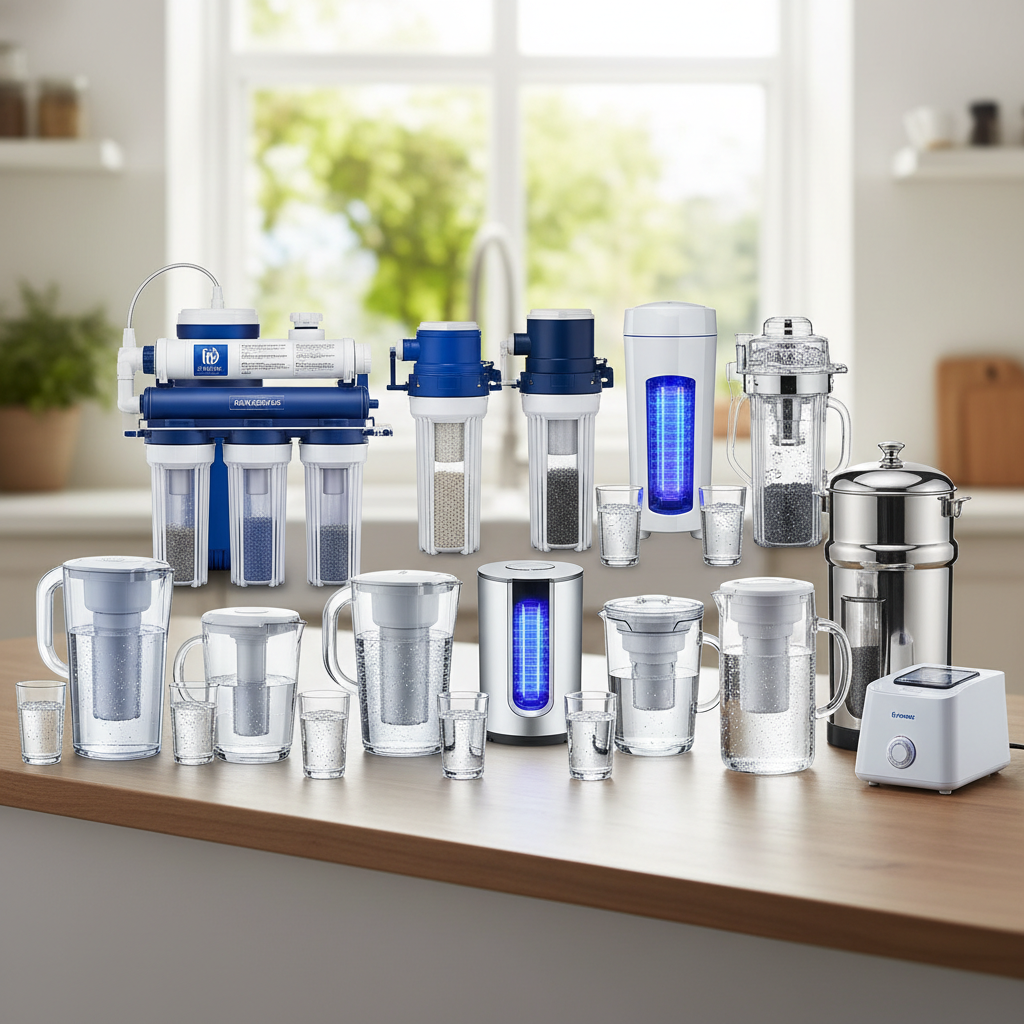
The market offers a variety of filtration systems, including reverse osmosis units, activated carbon filters, and UV purifiers. Reverse osmosis systems are particularly effective for removing a wide range of pollutants, while activated carbon filters excel at improving taste and odor. Additionally, UV purifiers provide an extra layer of protection against microorganisms. Look for systems that are certified by reputable organizations to ensure their efficacy and safety. Ultimately, investing in the right water filtration system will contribute significantly to your household’s health and well-being.

Top 10 Water Filtration Systems for Home Use

This chart illustrates the customer satisfaction ratings of the top 10 water filtration systems for home use. Each system is rated based on user feedback, providing insights into their effectiveness for ensuring pure drinking water.

Key Features to Consider When Choosing the Best Home Water System

When selecting the best home water system to ensure pure drinking water, several key features should be taken into account. First and foremost, the filtration technology plays a crucial role in determining the system's effectiveness. Options like reverse osmosis, activated carbon, and UV filtration each offer distinct benefits and target different contaminants. Understanding which contaminants are prevalent in your water supply can help you choose a system that will provide optimal purification.

Another vital consideration is the system's capacity and flow rate. For larger households, a high-capacity system that can handle increased demand without sacrificing water pressure is essential. Additionally, installation and maintenance should not be overlooked; systems that are easy to install and require minimal upkeep can save both time and cost in the long run.

Lastly, consider the certifications and ratings of the water system, as these can assure you of its reliability and performance standards. Taking these features into account will guide you in making an informed decision for your home's water quality needs.

Best 10 Water Systems for Home Use to Ensure Pure Drinking Water

Comparative Analysis of Water Purification Methods: Which is Most Effective?

When it comes to ensuring pure drinking water at home, understanding the various water purification methods is crucial. The most common techniques include reverse osmosis, activated carbon filtration, ultraviolet (UV) purification, and distillation. Reverse osmosis systems force water through a semi-permeable membrane, effectively removing contaminants such as lead, chlorine, and other harmful substances. This method is celebrated for its thoroughness, though it can be wasteful in terms of water usage.

Activated carbon filters are another popular option, utilizing charcoal to absorb impurities and improve taste. While they excel at removing chlorine and sediment, they may not be as effective against heavy metals or microorganisms unless combined with additional filtration stages. UV purification employs UV light to eliminate bacteria and viruses, providing a chemical-free solution that is both efficient and environmentally friendly. However, it does not remove chemical contaminants, making it imperative to consider a multi-barrier approach for optimal water safety. Each method has its strengths and weaknesses, and the best choice ultimately depends on specific household water quality needs.

Industry Statistics on Water Quality: The Importance of Home Filtration Systems

The importance of home filtration systems cannot be overstated, especially considering recent industry statistics on water quality. According to the 2020 National Water Quality Report by the Environmental Protection Agency (EPA), over 80% of freshwater sources in the United States are contaminated with pollutants that can pose serious health risks. This alarming statistic highlights the urgent need for effective water filtration solutions in households across the nation.

Furthermore, a study conducted by the Water Quality Association reveals that more than 35% of American households rely on some form of home water filtration. Not only do these systems help in removing harmful contaminants such as lead, chlorine, and microbial pathogens, but they also enhance the taste and smell of drinking water. As awareness of water quality issues grows, investing in a reliable home water filtration system is increasingly seen as essential for ensuring safe and pure drinking water for families. With the right system in place, homeowners can significantly reduce their exposure to hazardous substances, contributing to overall health and well-being.

Maintenance Tips for Keeping Your Home Water System in Optimal Condition

To ensure your home water system remains in optimal condition, regular maintenance is crucial. Start by frequently checking the filtration system, as filters often vary in lifespan based on usage and water quality. It’s advisable to replace or clean filters as recommended by the manufacturer, typically every three to six months. This not only enhances the taste and quality of your drinking water but also prolongs the life of the system.

Additionally, monitor for any signs of wear and tear in the plumbing and connections. Periodic inspections can help detect leaks or corrosion before they escalate into more significant issues. Be sure to flush the system every couple of months to remove accumulated sediments and improve efficiency. Finally, consider scheduling a professional maintenance check at least once a year to ensure all components are functioning correctly and to carry out any necessary repairs. By following these maintenance tips, you can enjoy pure drinking water and maintain the health of your home water system for years to come.