Contaminant Comparison Chart

For a complete list of contaminants that PUR filters reduce, please view our Performance Data Sheets here.


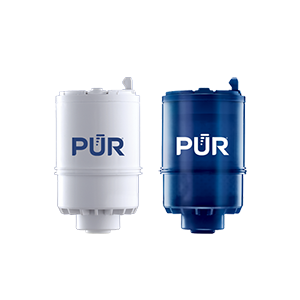
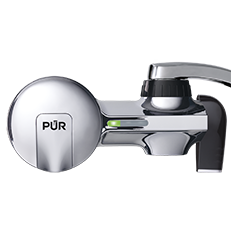
PUR & PUR PLUS FAUCET FILTERS
RF3375/RF9999

View Filters

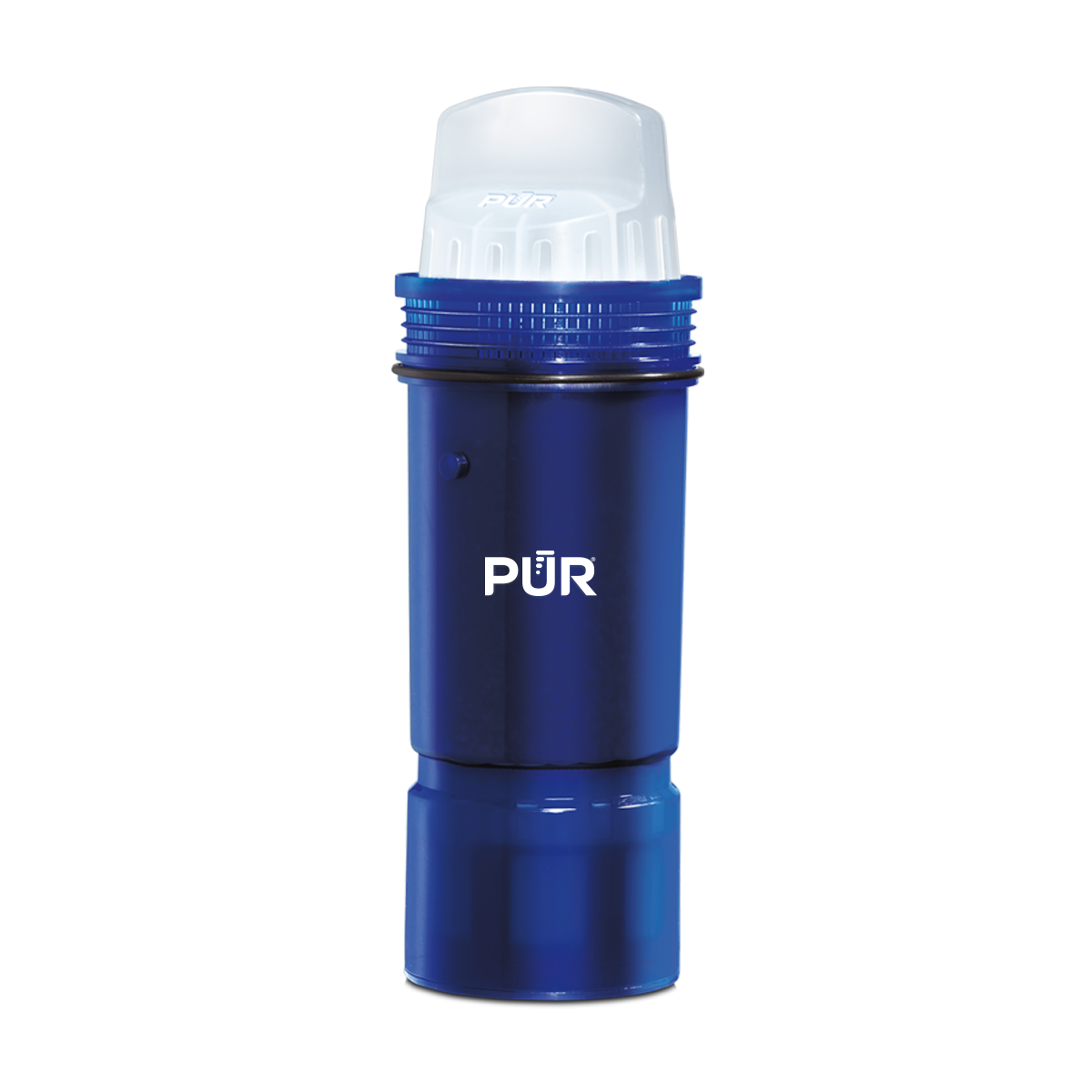
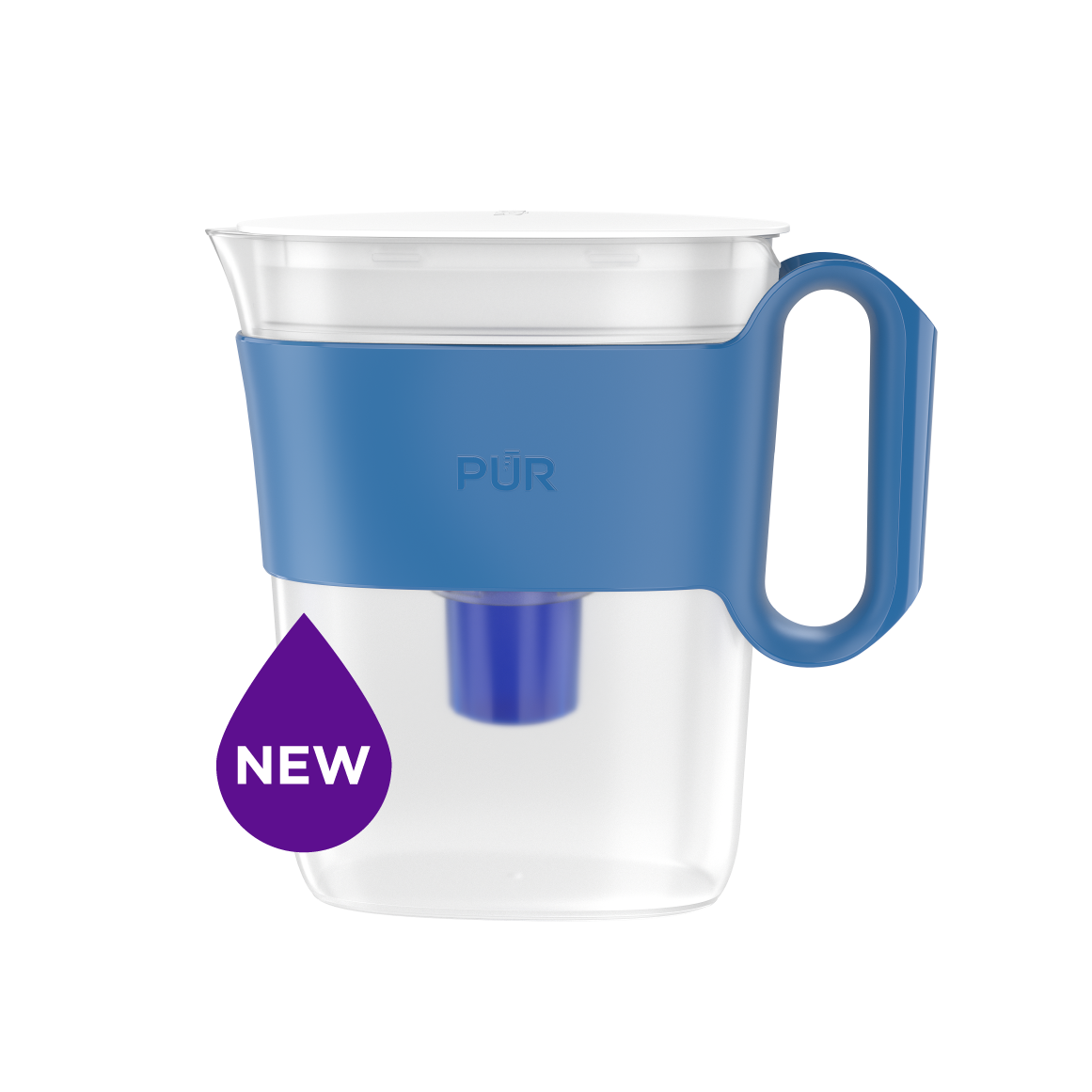
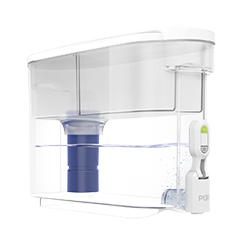
PUR PLUS PITCHER FILTERS
PPF951K

View Filter

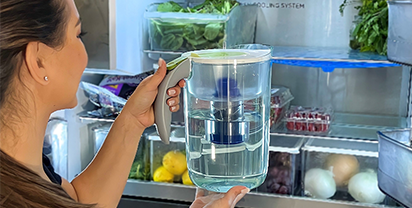
PUR BASIC PITCHER FILTERS
PPF900Z

View Filter


Vs. Brita*

Lead
Microplastics
Mercury
Chlorine Taste & Odor
DEET
TTHM

PUR’s Filtration Systems Are Certified By NSF And WQA For Their Contamination Reduction. WQA certifications as of 5/27/21 for Faucet filter models RF-3375 and RF-9999.

¹ Certified to reduce 10X more chemical and physical substances than Brita’s® leading pitcher filter.
² Certified to reduce 3X more chemical and physical substances than Brita’s® leading pitcher filter.
³ Certified to reduce 2X more chemical and physical substances than Brita’s® leading pitcher filter.
*Versus best-selling Brita® pitcher filter OB03. Brita® is a trademark of Brita LP.
**Like other leading brands, PUR does not filter microbes. As of 3/1/23 Brita® and ZeroWater® were not certified to filter microbes. Brita® is a trademark of Brita LP. ZeroWater® is a trademark of Zero Technologies, LLC..
 

PUR & PUR PLUS FAUCET FILTERS


PUR & PUR PLUS FAUCET FILTERS
RF3375/RF9999

View Filters


Vs. Brita*

Lead
Microplastics
Mercury
Chlorine Taste & Odor
DEET
TTHM

PUR’s Filtration Systems Are Certified By NSF And WQA For Their Contamination Reduction. WQA certifications as of 5/27/21 for Faucet filter models RF-3375 and RF-9999.

¹ Certified to reduce 10X more chemical and physical substances than Brita’s® leading pitcher filter.
² Certified to reduce 3X more chemical and physical substances than Brita’s® leading pitcher filter.
³ Certified to reduce 2X more chemical and physical substances than Brita’s® leading pitcher filter.
*Versus best-selling Brita® pitcher filter OB03. Brita® is a trademark of Brita LP.
**Like other leading brands, PUR does not filter microbes. As of 3/1/23 Brita® and ZeroWater® were not certified to filter microbes. Brita® is a trademark of Brita LP. ZeroWater® is a trademark of Zero Technologies, LLC..


PUR PLUS PITCHER FILTERS


PUR PLUS PITCHER FILTERS
PPF951K

View Filter


Vs. Brita*

Lead
Microplastics
Mercury
Chlorine Taste & Odor
DEET
TTHM

PUR’s Filtration Systems Are Certified By NSF And WQA For Their Contamination Reduction. WQA certifications as of 5/27/21 for Faucet filter models RF-3375 and RF-9999.

¹ Certified to reduce 10X more chemical and physical substances than Brita’s® leading pitcher filter.
² Certified to reduce 3X more chemical and physical substances than Brita’s® leading pitcher filter.
³ Certified to reduce 2X more chemical and physical substances than Brita’s® leading pitcher filter.
*Versus best-selling Brita® pitcher filter OB03. Brita® is a trademark of Brita LP.
**Like other leading brands, PUR does not filter microbes. As of 3/1/23 Brita® and ZeroWater® were not certified to filter microbes. Brita® is a trademark of Brita LP. ZeroWater® is a trademark of Zero Technologies, LLC..


PUR BASIC PITCHER FILTERS


PUR BASIC PITCHER FILTERS
PPF900Z

View Filter


Vs. Brita*

Lead
Microplastics
Mercury
Chlorine Taste & Odor
DEET
TTHM

PUR’s Filtration Systems Are Certified By NSF And WQA For Their Contamination Reduction. WQA certifications as of 5/27/21 for Faucet filter models RF-3375 and RF-9999.

¹ Certified to reduce 10X more chemical and physical substances than Brita’s® leading pitcher filter.
² Certified to reduce 3X more chemical and physical substances than Brita’s® leading pitcher filter.
³ Certified to reduce 2X more chemical and physical substances than Brita’s® leading pitcher filter.
*Versus best-selling Brita® pitcher filter OB03. Brita® is a trademark of Brita LP.
**Like other leading brands, PUR does not filter microbes. As of 3/1/23 Brita® and ZeroWater® were not certified to filter microbes. Brita® is a trademark of Brita LP. ZeroWater® is a trademark of Zero Technologies, LLC..


What is a Box Die Cutter and How Can It Benefit Your Business?

The Box Die Cutter is revolutionizing packaging and manufacturing. This essential tool allows businesses to create custom shapes with precision. According to a recent report from Smithers Pira, the global die-cutting market is expected to reach $6 billion by 2026. This growth is driven by demand for personalized packaging solutions.

Experts believe that investing in a Box Die Cutter can enhance operational efficiency and reduce waste. John Mitchell, a leading expert in the industry, states, "A Box Die Cutter can streamline your production process and significantly cut costs." With the right machine, companies can maximize their output while minimizing errors.

However, some businesses overlook the potential of a Box Die Cutter. These machines might seem costly upfront, but they can lead to long-term savings. Companies must weigh initial investments against the benefits they can gain. Understanding how to leverage this technology can transform manufacturing processes. Businesses should reflect on whether they are making the most of advancements like the Box Die Cutter.

What is a Box Die Cutter and How Can It Benefit Your Business?

What is a Box Die Cutter?

A box die cutter is a specialized machine designed for cutting various materials into specific shapes and sizes. This tool uses sharp metal dies to puncture and cut materials such as cardboard, paper, and plastic. It's a popular choice in industries like packaging, printing, and manufacturing. The precision it offers allows businesses to produce custom packaging solutions, enhancing product presentation.

The benefits of using a box die cutter are significant. With this device, companies can create intricate designs quickly and efficiently. Custom boxes can elevate a brand's image, providing a unique identity that stands out on shelves. However, not all designs will be successful. Some may require multiple revisions, leading to wasted time and resources. Testing different designs is essential before finalizing the production, as flaws can appear in the design phase.

Moreover, while box die cutters increase speed, they often require significant investment. Smaller businesses may find this challenging. Understanding the limitations and capabilities of this machinery is crucial for effective usage. Regular maintenance is needed to keep the cutter running smoothly, as neglect can lead to costly downtime. Thus, balancing creativity with practical considerations is vital for maximizing the benefits of a box die cutter.

Main Components and Design Features of Box Die Cutters

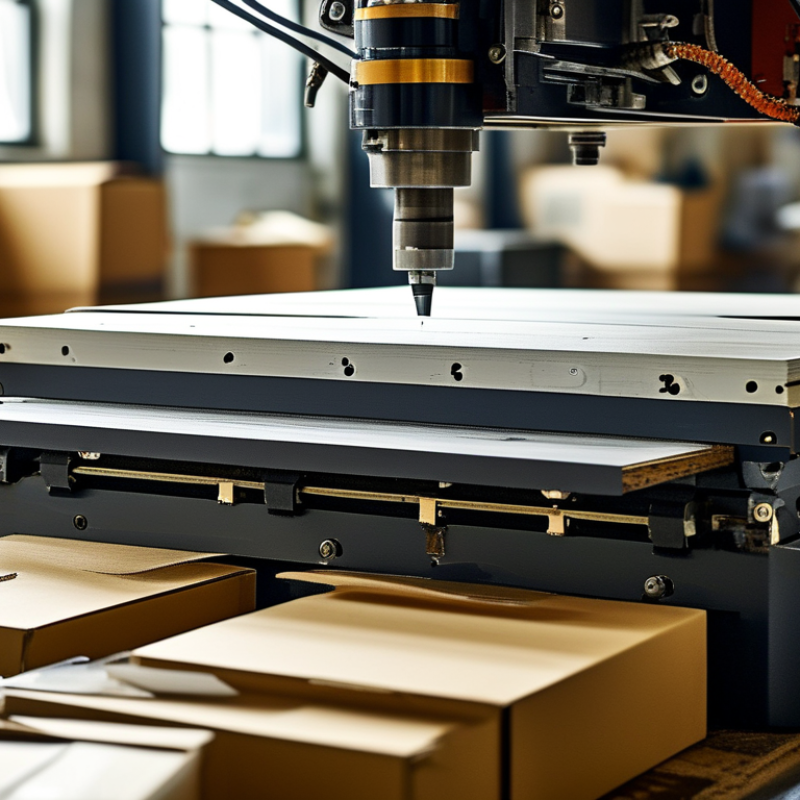
Box die cutters are specialized machines used for producing custom packaging solutions. Their main components include a die cutting plate, an adjustable cutting head, and a flatbed or rotary mechanism. Each component plays a pivotal role in achieving precise cuts. The die cutting plate allows for easy swapping of designs. The cutting head adjusts for different thicknesses of materials, enhancing versatility.

It's crucial to choose the right materials. Thick materials may require a more robust cutting head. This selection affects the quality of your final product. Pay attention to the types of substrates you'll frequently use. A box die cutter can handle various materials, from cardboard to plastic. However, not all machines accommodate the same thickness and texture.

Tip: Always test your die cutter with sample materials first. It helps avoid costly errors. Monitoring wear on your cutting edges is vital too. Dull blades can lead to uneven cuts and waste. Reflect on the designs you use. Complex shapes might need frequent adjustments, which could impact efficiency. A balance between complexity and efficiency is essential for optimal performance.

What is a Box Die Cutter and How Can It Benefit Your Business? - Main Components and Design Features of Box Die Cutters

Dimension Description Benefits
Cutting Area The maximum size of material that can be cut in a single operation. Allows for larger designs to be created without needing multiple cuts.
Material Compatibility Types of materials that can be processed, including cardboard and corrugated stocks. Increases versatility for different product packaging needs.
Die Cutting Precision The accuracy of cuts as determined by the quality of the die and machine alignment. Ensures consistent, high-quality cuts for branding and presentation.
Production Speed The rate at which products can be cut and outputted. Increases overall efficiency, reducing turnaround time for orders.
Setup Time Time required to prepare the machine for a new cutting job. Minimizes downtime and helps meet tight deadlines.
Die Durability Longevity and wear resistance of cutting dies. Reduces the frequency of die replacements, cutting costs in the long run.

How Box Die Cutters Work: The Cutting Process Explained

The box die cutter is a crucial tool in packaging production. Understanding how it works can greatly benefit your business. The cutting process begins with a solid steel rule, shaped according to the desired design. This rule is mounted on a wooden or metal base. When the press operates, it applies pressure to the die. This pressure cuts through the material, producing precisely shaped boxes.

When choosing a box die cutter, consider the type of materials you'll work with. Some cutters perform better on heavier stocks, while others excel with lighter materials. Test your cutter with various substrates to ensure an optimal fit. Don't overlook machine maintenance, either. Regular checks can prevent unexpected breakdowns and prolong the cutter's lifespan.

Tips: Always consider the cutter's speed and precision. Quality cuts reduce waste and improve the final product. Monitor your production process. Are there bottlenecks? If so, adjusting the cutter's settings might be necessary. Remember, even small tweaks can result in significant improvements over time.

Benefits of Using Box Die Cutters for Your Business

Box die cutters are valuable tools for businesses looking to enhance their packaging. They streamline the production of custom boxes, making it easier to create unique designs. This capability allows companies to stand out in a competitive market. With a box die cutter, you can produce intricate shapes and sizes tailored to your products.

One significant benefit is efficiency. Traditional cutting methods can be slow and labor-intensive. A box die cutter can significantly reduce production times. This means that businesses can respond faster to market demands. However, initial costs may be a concern for some. Investing in such equipment requires careful budgeting and consideration.

Another advantage is versatility. Box die cutters can handle various materials. They can work with cardboard, paperboard, and more. This flexibility allows for creativity in packaging design. Yet, businesses may struggle with the learning curve. Proper training is essential to maximize the benefits of these machines. Understanding their capabilities can transform operations and improve overall quality.

Applications of Box Die Cutters in Various Industries

Box die cutters are versatile tools that find applications across various industries. In the packaging sector, they streamline production by enabling precise cuts for boxes and other packaging materials. A recent report from Smithers Pira indicates that the global packaging market is projected to reach $500 billion by 2024. This growth highlights the rising demand for efficient packaging solutions.

In the food industry, box die cutters ensure that packaging meets safety and aesthetic standards. Using advanced technology, these machines produce custom shapes that enhance brand visibility. When properly utilized, they reduce waste and improve turnaround times. However, businesses need to consider their specific needs; not every die cutter suits all products.

Tip: Evaluate your production volume before investing in new equipment. For the electronics sector, precision is crucial. Die cutters help create protective packaging that minimizes damage during transit. The automotive industry also benefits by producing tailored parts with reduced lead times. Thoughtful integration of die cutters can lead to significant cost savings, but careful planning is essential to avoid overcapacity.

Applications of Box Die Cutters in Various Industries