Contaminant Comparison Chart

For a complete list of contaminants that PUR filters reduce, please view our Performance Data Sheets here.


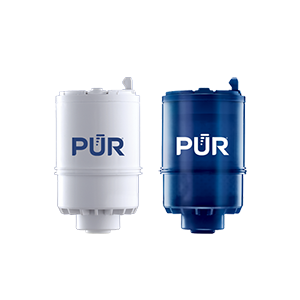
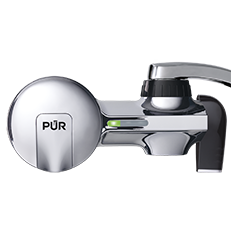
PUR & PUR PLUS FAUCET FILTERS
RF3375/RF9999

View Filters

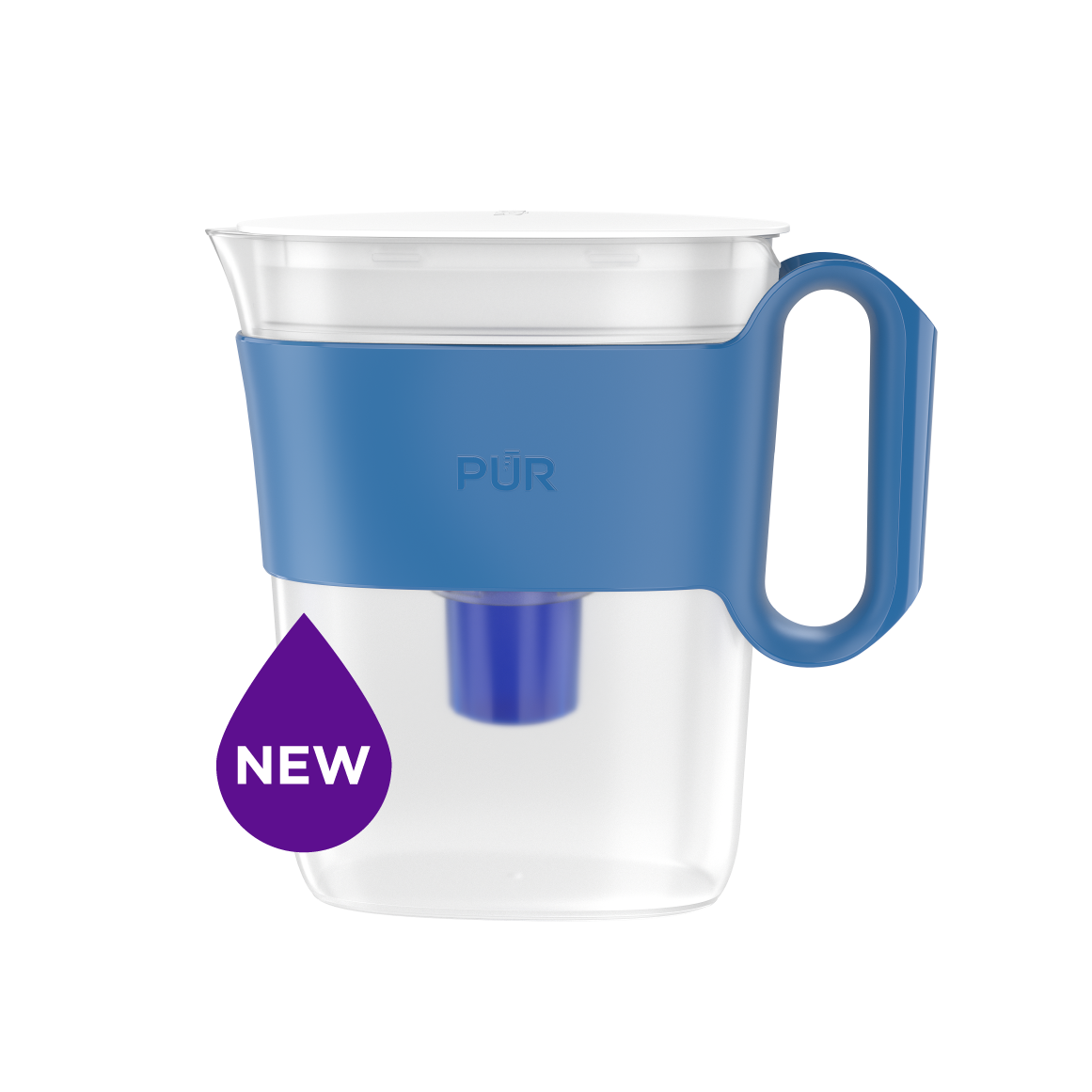
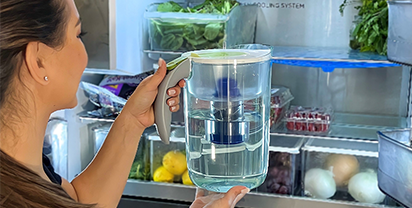
PUR PLUS PITCHER FILTERS
PPF951K

View Filter

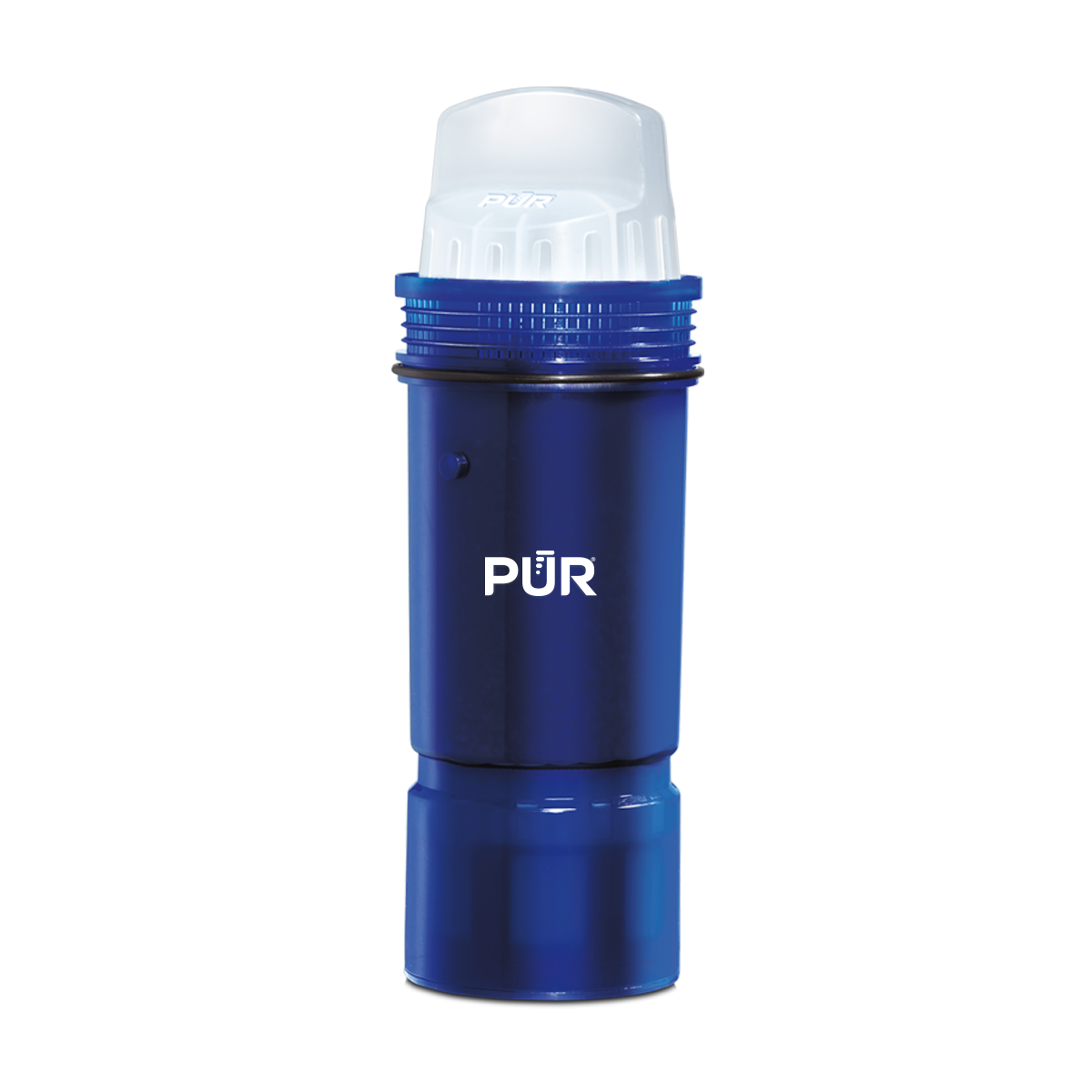
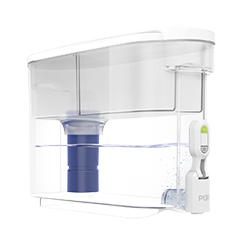
PUR BASIC PITCHER FILTERS
PPF900Z

View Filter


Vs. Brita*

Lead
Microplastics
Mercury
Chlorine Taste & Odor
DEET
TTHM

PUR’s Filtration Systems Are Certified By NSF And WQA For Their Contamination Reduction. WQA certifications as of 5/27/21 for Faucet filter models RF-3375 and RF-9999.

¹ Certified to reduce 10X more chemical and physical substances than Brita’s® leading pitcher filter.
² Certified to reduce 3X more chemical and physical substances than Brita’s® leading pitcher filter.
³ Certified to reduce 2X more chemical and physical substances than Brita’s® leading pitcher filter.
*Versus best-selling Brita® pitcher filter OB03. Brita® is a trademark of Brita LP.
**Like other leading brands, PUR does not filter microbes. As of 3/1/23 Brita® and ZeroWater® were not certified to filter microbes. Brita® is a trademark of Brita LP. ZeroWater® is a trademark of Zero Technologies, LLC..
 

PUR & PUR PLUS FAUCET FILTERS


PUR & PUR PLUS FAUCET FILTERS
RF3375/RF9999

View Filters


Vs. Brita*

Lead
Microplastics
Mercury
Chlorine Taste & Odor
DEET
TTHM

PUR’s Filtration Systems Are Certified By NSF And WQA For Their Contamination Reduction. WQA certifications as of 5/27/21 for Faucet filter models RF-3375 and RF-9999.

¹ Certified to reduce 10X more chemical and physical substances than Brita’s® leading pitcher filter.
² Certified to reduce 3X more chemical and physical substances than Brita’s® leading pitcher filter.
³ Certified to reduce 2X more chemical and physical substances than Brita’s® leading pitcher filter.
*Versus best-selling Brita® pitcher filter OB03. Brita® is a trademark of Brita LP.
**Like other leading brands, PUR does not filter microbes. As of 3/1/23 Brita® and ZeroWater® were not certified to filter microbes. Brita® is a trademark of Brita LP. ZeroWater® is a trademark of Zero Technologies, LLC..


PUR PLUS PITCHER FILTERS


PUR PLUS PITCHER FILTERS
PPF951K

View Filter


Vs. Brita*

Lead
Microplastics
Mercury
Chlorine Taste & Odor
DEET
TTHM

PUR’s Filtration Systems Are Certified By NSF And WQA For Their Contamination Reduction. WQA certifications as of 5/27/21 for Faucet filter models RF-3375 and RF-9999.

¹ Certified to reduce 10X more chemical and physical substances than Brita’s® leading pitcher filter.
² Certified to reduce 3X more chemical and physical substances than Brita’s® leading pitcher filter.
³ Certified to reduce 2X more chemical and physical substances than Brita’s® leading pitcher filter.
*Versus best-selling Brita® pitcher filter OB03. Brita® is a trademark of Brita LP.
**Like other leading brands, PUR does not filter microbes. As of 3/1/23 Brita® and ZeroWater® were not certified to filter microbes. Brita® is a trademark of Brita LP. ZeroWater® is a trademark of Zero Technologies, LLC..


PUR BASIC PITCHER FILTERS


PUR BASIC PITCHER FILTERS
PPF900Z

View Filter


Vs. Brita*

Lead
Microplastics
Mercury
Chlorine Taste & Odor
DEET
TTHM

PUR’s Filtration Systems Are Certified By NSF And WQA For Their Contamination Reduction. WQA certifications as of 5/27/21 for Faucet filter models RF-3375 and RF-9999.

¹ Certified to reduce 10X more chemical and physical substances than Brita’s® leading pitcher filter.
² Certified to reduce 3X more chemical and physical substances than Brita’s® leading pitcher filter.
³ Certified to reduce 2X more chemical and physical substances than Brita’s® leading pitcher filter.
*Versus best-selling Brita® pitcher filter OB03. Brita® is a trademark of Brita LP.
**Like other leading brands, PUR does not filter microbes. As of 3/1/23 Brita® and ZeroWater® were not certified to filter microbes. Brita® is a trademark of Brita LP. ZeroWater® is a trademark of Zero Technologies, LLC..


2026 How to Build a Capsule Tiny House for Sustainable Living?

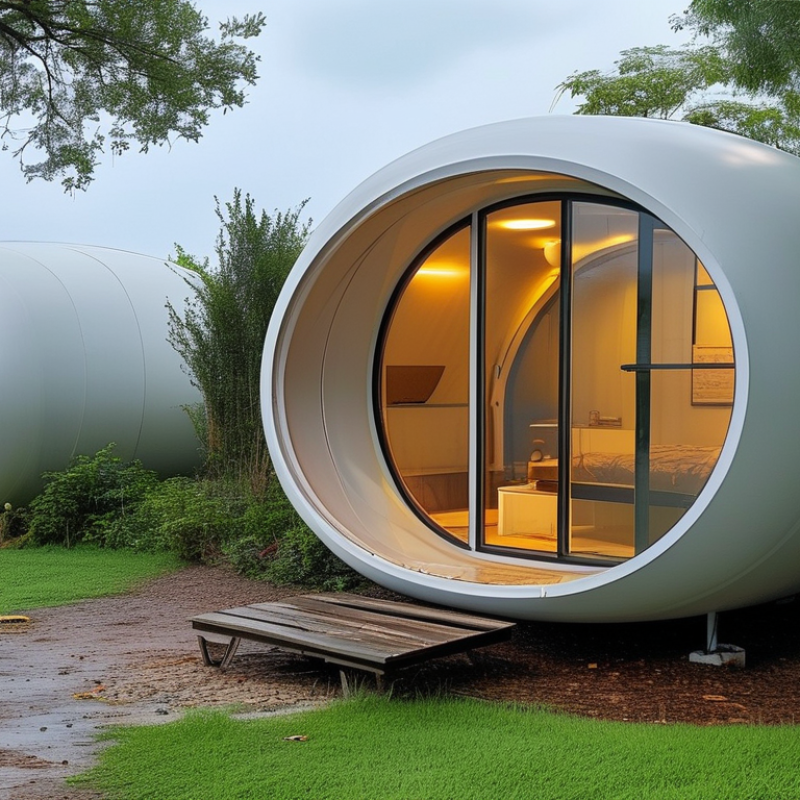
In recent years, many have turned to innovative living solutions. The "Capsule Tiny House" concept has gained traction among those seeking sustainable living. This compact housing model emphasizes efficiency and environmental responsibility. Expert architect Sarah Mitchell states, “Living small allows us to dream big.”

Capsule Tiny Houses offer minimalism without sacrificing comfort. These homes are designed for optimal space use and energy consumption. They provide a unique way to inhabit our planet more sustainably. However, building one isn't without challenges. You’ll face zoning laws, land costs, and material choices.

Designing a Capsule Tiny House requires careful planning and creativity. Each decision impacts your environment and living experience. It is essential to consider what elements matter most to you. Embrace the imperfections along the way, and remember that this journey is as valuable as the destination.

2026 How to Build a Capsule Tiny House for Sustainable Living?

Understanding the Concept of Capsule Tiny Houses for Sustainable Living

Capsule tiny houses are an innovative solution for sustainable living. They embody minimalism and eco-friendliness. These compact homes typically range from 100 to 400 square feet. Designed to maximize space, they often include multi-functional furniture. This clever use of space reduces waste and encourages efficient living.

Building a capsule tiny house requires careful planning and creativity. Sustainable materials such as reclaimed wood and bamboo are popular choices. Energy-efficient appliances can further minimize the carbon footprint. However, there are challenges. Limited space may lead to frustration. The design process demands flexibility and compromise.

Living sustainably in a tiny house can be a rewarding journey. It encourages mindfulness about consumption and waste. Yet, residents must adapt to a new lifestyle. Owning fewer possessions can feel liberating, but it may also bring discomfort. Embracing this lifestyle requires a shift in mindset. Every small change contributes to a more sustainable future.

Selecting the Right Location for Your Capsule Tiny House

Selecting the right location for your capsule tiny house is crucial for sustainable living. Research from the Tiny House Industry Association reveals that location impacts energy efficiency and overall lifestyle quality. Areas with natural sunlight are ideal for harnessing solar energy. Proximity to amenities can reduce travel emissions, promoting eco-friendly living.

Consideration of zoning laws is also vital. Many regions have strict regulations on tiny homes. It's essential to research local building codes before making a decision. Some areas may not allow tiny house structures at all. Engaging with local communities can uncover opportunities and challenges that aren't immediately obvious.

Environmental factors play a significant role in your location choice. A site prone to flooding or extreme weather can create future problems. Additionally, listen to the land. Certain locations may have limited natural resources, impacting your ability to live sustainably. Reflect on these aspects carefully to ensure your tiny house complements your sustainable lifestyle vision.

Essential Materials for Building a Capsule Tiny House

Building a capsule tiny house requires careful selection of materials that promote sustainability. Eco-friendly choices are essential for minimizing environmental impact. According to the U.S. Green Building Council, using recycled and sustainable materials can reduce energy consumption by up to 30%.

Wood is a popular choice, especially reclaimed lumber. It adds character and reduces deforestation impact. Proper insulation is vital for energy efficiency. Materials such as sheep's wool or cellulose, made from recycled paper, enhance insulation without using harmful chemicals. Both options not only improve comfort but also lower energy bills.

Consider using renewable resources for other elements. Bamboo is an excellent flooring choice due to its rapid growth. This grass can mature in three to five years. For the exterior, think about durable materials like corrugated metal. This is lightweight and requires less energy during production. However, some may find the aesthetic unappealing, prompting a need for reflection on personal preferences versus sustainability. Balancing beauty and functionality in a tiny house is crucial for overall satisfaction.

2026 How to Build a Capsule Tiny House for Sustainable Living? - Essential Materials for Building a Capsule Tiny House

Material Purpose Sustainability Rating Estimated Cost (USD)
Recycled Steel Structural Frame A+ $2,500
Sustainable Wood Wall Frames and Flooring A $3,000
Insulated Panels Insulation and Energy Efficiency A- $4,000
Solar Panels Renewable Energy Source A+ $5,000
Rainwater Harvesting System Water Conservation A+ $1,500

Step-by-Step Construction Guide for a Capsule Tiny House

Building a capsule tiny house requires thoughtful planning and execution. Start by selecting the right location. It should provide access to sunlight and fresh air while ensuring privacy. Consider the local climate and environmental impact. Make a list of materials and tools you will need. Proper preparation helps avoid setbacks during the construction phase.

Next, create a detailed design for your tiny house. Sketch the layout, including sleeping, cooking, and bathroom areas. Ensure that your design maximizes space and efficiency. Think about multi-functional furniture. It takes time to get it right, and you may find that your initial ideas need adjustments. Don't hesitate to rethink your plans based on practicality.

As you begin construction, safety should be your priority. Wearing protective gear is essential. Also, stay organized. Label your materials to avoid confusion. Document the process through photos or notes. You may run into unexpected challenges. Facing these challenges will enhance your problem-solving skills. Reflections can lead to improvements in your design and execution for future projects.

Incorporating Sustainable Features and Technologies into Your Design

When designing a capsule tiny house, incorporating sustainable features is essential. Consider solar panels as a primary energy source. They reduce dependency on the grid and lower utility bills. Rainwater harvesting systems can also be integrated. This allows for the collection and use of natural water for various needs.

Use reclaimed materials for construction. It reduces waste and gives character to your tiny home. Natural insulation solutions, like straw bales or recycled denim, help maintain a comfortable temperature. These choices minimize your carbon footprint.

While planning is crucial, some aspects may not go as envisioned. Sourcing local materials can be challenging. Balancing efficiency and comfort often requires compromises. Eco-friendly paints and finishes may not always be available. Embracing these imperfections and adjusting your plans can lead to creative solutions. Consider each detail carefully for a truly sustainable living space.