
Contaminant Comparison Chart

For a complete list of contaminants that PUR filters reduce, please view our Performance Data Sheets here.


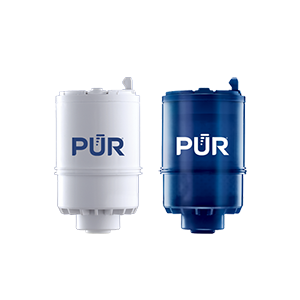
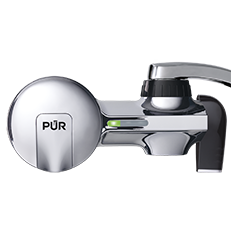
PUR & PUR PLUS FAUCET FILTERS
RF3375/RF9999

View Filters

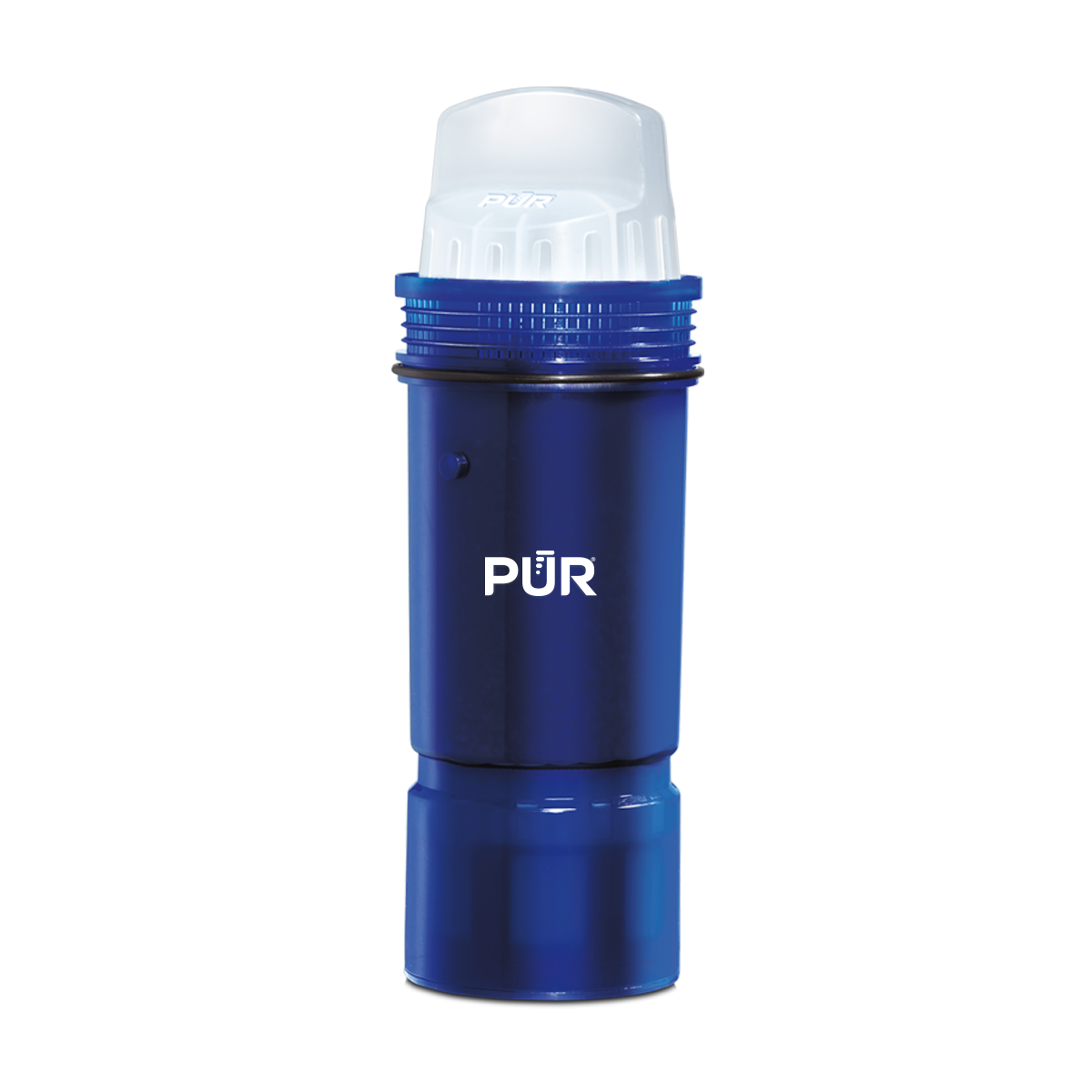
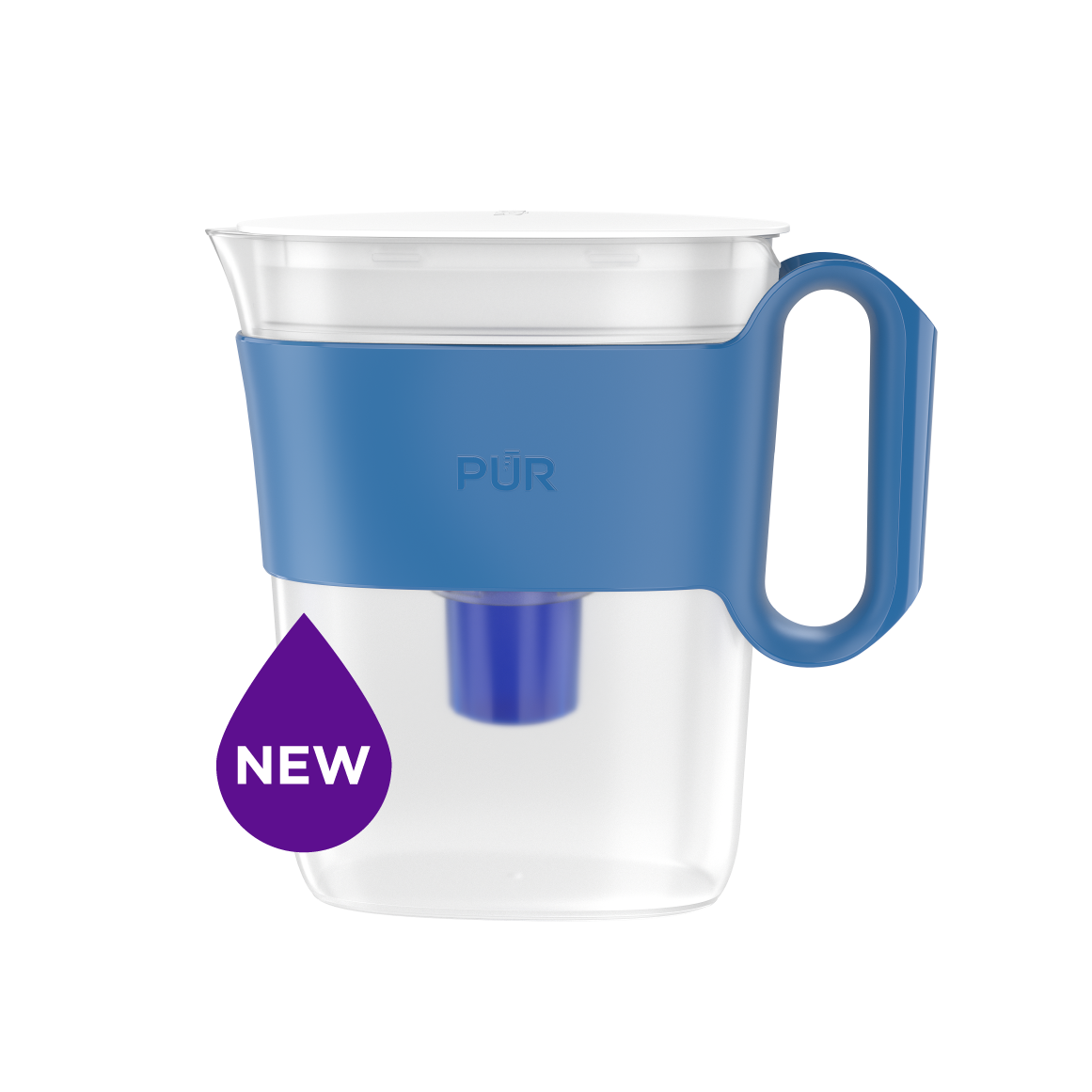
PUR PLUS PITCHER FILTERS
PPF951K

View Filter

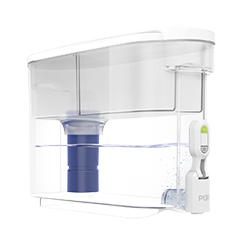
PUR BASIC PITCHER FILTERS
PPF900Z

View Filter


Vs. Brita*

Lead
Microplastics
Mercury
Chlorine Taste & Odor
DEET
TTHM

PUR’s Filtration Systems Are Certified By NSF And WQA For Their Contamination Reduction. WQA certifications as of 5/27/21 for Faucet filter models RF-3375 and RF-9999.

¹ Certified to reduce 10X more chemical and physical substances than Brita’s® leading pitcher filter.
² Certified to reduce 3X more chemical and physical substances than Brita’s® leading pitcher filter.
³ Certified to reduce 2X more chemical and physical substances than Brita’s® leading pitcher filter.
*Versus best-selling Brita® pitcher filter OB03. Brita® is a trademark of Brita LP.
**Like other leading brands, PUR does not filter microbes. As of 3/1/23 Brita® and ZeroWater® were not certified to filter microbes. Brita® is a trademark of Brita LP. ZeroWater® is a trademark of Zero Technologies, LLC..
 

PUR & PUR PLUS FAUCET FILTERS


PUR & PUR PLUS FAUCET FILTERS
RF3375/RF9999

View Filters


Vs. Brita*

Lead
Microplastics
Mercury
Chlorine Taste & Odor
DEET
TTHM

PUR’s Filtration Systems Are Certified By NSF And WQA For Their Contamination Reduction. WQA certifications as of 5/27/21 for Faucet filter models RF-3375 and RF-9999.

¹ Certified to reduce 10X more chemical and physical substances than Brita’s® leading pitcher filter.
² Certified to reduce 3X more chemical and physical substances than Brita’s® leading pitcher filter.
³ Certified to reduce 2X more chemical and physical substances than Brita’s® leading pitcher filter.
*Versus best-selling Brita® pitcher filter OB03. Brita® is a trademark of Brita LP.
**Like other leading brands, PUR does not filter microbes. As of 3/1/23 Brita® and ZeroWater® were not certified to filter microbes. Brita® is a trademark of Brita LP. ZeroWater® is a trademark of Zero Technologies, LLC..


PUR PLUS PITCHER FILTERS


PUR PLUS PITCHER FILTERS
PPF951K

View Filter


Vs. Brita*

Lead
Microplastics
Mercury
Chlorine Taste & Odor
DEET
TTHM

PUR’s Filtration Systems Are Certified By NSF And WQA For Their Contamination Reduction. WQA certifications as of 5/27/21 for Faucet filter models RF-3375 and RF-9999.

¹ Certified to reduce 10X more chemical and physical substances than Brita’s® leading pitcher filter.
² Certified to reduce 3X more chemical and physical substances than Brita’s® leading pitcher filter.
³ Certified to reduce 2X more chemical and physical substances than Brita’s® leading pitcher filter.
*Versus best-selling Brita® pitcher filter OB03. Brita® is a trademark of Brita LP.
**Like other leading brands, PUR does not filter microbes. As of 3/1/23 Brita® and ZeroWater® were not certified to filter microbes. Brita® is a trademark of Brita LP. ZeroWater® is a trademark of Zero Technologies, LLC..


PUR BASIC PITCHER FILTERS


PUR BASIC PITCHER FILTERS
PPF900Z

View Filter


Vs. Brita*

Lead
Microplastics
Mercury
Chlorine Taste & Odor
DEET
TTHM

PUR’s Filtration Systems Are Certified By NSF And WQA For Their Contamination Reduction. WQA certifications as of 5/27/21 for Faucet filter models RF-3375 and RF-9999.

¹ Certified to reduce 10X more chemical and physical substances than Brita’s® leading pitcher filter.
² Certified to reduce 3X more chemical and physical substances than Brita’s® leading pitcher filter.
³ Certified to reduce 2X more chemical and physical substances than Brita’s® leading pitcher filter.
*Versus best-selling Brita® pitcher filter OB03. Brita® is a trademark of Brita LP.
**Like other leading brands, PUR does not filter microbes. As of 3/1/23 Brita® and ZeroWater® were not certified to filter microbes. Brita® is a trademark of Brita LP. ZeroWater® is a trademark of Zero Technologies, LLC..


How to Choose the Best Eco Bicycle for Sustainable Travel?

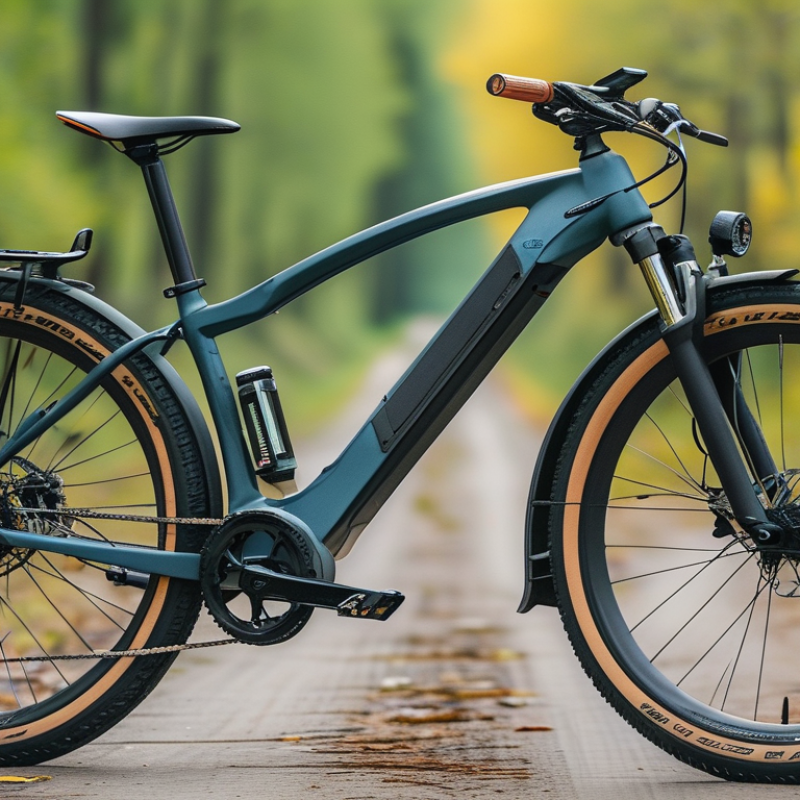
Choosing the right Eco Bicycle can greatly enhance your sustainable travel experience. With growing environmental concerns, the demand for eco-friendly transportation options has surged. Eco Bicycles provide an excellent way to reduce carbon footprints while promoting a healthier lifestyle.

When searching for the best Eco Bicycle, consider various factors like design, functionality, and materials. Many bikes today feature lightweight frames made from recycled materials. Others emphasize energy-efficient technologies. However, finding the perfect bike can be challenging. What suits one person may not fit another. There’s no perfect choice, and personal needs will vary.

Reflect on your typical routes and riding habits. City commuting might require a different bike than long-distance touring. Sometimes, you may need to overlook flashy designs for practicality. Emphasizing comfort and performance is key. Keep in mind that even the best Eco Bicycle requires ongoing maintenance. Regular checks ensure safety and longevity. Ultimately, the right bicycle empowers you to explore while supporting sustainability.

How to Choose the Best Eco Bicycle for Sustainable Travel?

Understanding the Importance of Eco Bicycles in Sustainable Travel

Eco bicycles play a crucial role in promoting sustainable travel. They reduce carbon footprints and promote physical health. The rise in cycling not only fosters environmental awareness but also supports local economies. As urban areas grow, eco bicycles provide an efficient mode of transport. They help decrease congestion and pollution in cities.

When choosing an eco bicycle, consider your needs and environment. Think about the terrain you will ride on. Will you encounter hills or rough paths? Make sure the bicycle can handle it. Remember that comfort is essential. A bicycle that fits well will encourage more frequent use.

Invest in quality features. Look for lightweight frames and reliable braking systems. Check if the tires are suitable for various surfaces. Sometimes, a higher price reflects better durability and performance. But don’t forget to read reviews and seek recommendations. They can guide you to suitable options.

Sustainable travel is about making informed choices. Reflect on your options and choose wisely. Every ride counts towards a greener future.

Key Features to Consider When Choosing an Eco Bicycle

When choosing the best eco bicycle for sustainable travel, consider several key features. First, the materials used in the frame and tires matter. Look for bicycles made from recycled or sustainably sourced materials. Aluminum and bamboo are popular choices. They offer durability while minimizing environmental impact.

Another crucial aspect is the type of drivetrain. A single-speed bicycle is simple and often requires less maintenance. However, if you plan to tackle hills, consider a multi-speed bike. More gears can make your ride smoother, but they may add complexity and weight.

**Tips:**
Test ride different models. Feel how they handle on various terrains. You might prefer a lightweight bicycle for city commuting. Think about storage options. Is there room for a basket or panniers? They enhance practicality for carrying groceries or gear.

Finally, remember that an eco bicycle might not be a one-size-fits-all solution. Reflect on your specific needs, like range and comfort. Being honest about your riding style will help you make a better decision.

How to Choose the Best Eco Bicycle for Sustainable Travel? - Key Features to Consider When Choosing an Eco Bicycle

Feature Description Importance
Material Look for frames made from sustainable materials like bamboo or recycled aluminum. High
Weight Lightweight bikes are easier to handle and transport. Medium
Battery Type Consider lithium-ion batteries for better performance and longevity. High
Range Ensure the bicycle has adequate range for your travel needs. Critical
Tires Choose puncture-resistant tires suitable for your terrain. Medium
Maintenance Find bikes with low-maintenance designs to save time and resources. High
Components Look for quality gears and brakes that enhance safety and ride experience. High

Types of Eco Bicycles: Finding the Right Fit for Your Needs

When selecting an eco bicycle, understanding different types is crucial for your specific needs. There are several categories of eco bicycles, each designed for various terrains and usages. For instance, if you frequent city streets, a hybrid bike offers versatility. Its combination of comfort and speed makes it ideal for urban commuting.

If you're an adventure seeker, consider a mountain bike. It’s robust, built to handle rough trails, and empowers eco-friendly travel in nature. For those looking for a leisurely ride, cruiser bikes provide a relaxed experience on flat surfaces. Their wider tires add comfort, making them perfect for casual outings.

Tips: Always test ride a bike before purchasing. Assessing comfort is important. Additionally, check the weight limit to ensure suitability for your needs. Don’t forget about proper gear. Having a helmet and lights can enhance safety during your ride. Remember, investing in an eco bicycle is a step towards sustainability, but it’s equally essential to choose wisely. Engage with local bike communities for recommendations and honest reviews.

Evaluating Eco Bicycle Brands and Their Sustainability Practices

When selecting an eco bicycle, it’s crucial to evaluate the brands' sustainability practices. Many companies claim to be eco-friendly but lack transparency. Look for brands that provide detailed information about their materials. Recycled or renewable resources, such as bamboo or aluminum, often reflect a genuine commitment to sustainability.

Tips: Check if the producers use ethical manufacturing processes. Brands that invest in fair labor conditions typically demonstrate a deeper understanding of sustainability. Transparency should be your guiding principle.

Not all eco bicycles are created equal. Some brands may rely on aggressive marketing without substantial eco-friendly practices. Cross-reference certifications and consumer reviews before making your decision. It can reveal discrepancies between claims and reality.

Tips: Engage with communities that focus on sustainable travel. They often share valuable insights about various brands. Your choice can significantly impact the environment; make it count.

Comparison of Eco Bicycle Features Across Brands

This chart compares various key sustainability metrics for eco bicycles including weight, recyclability, cost, warranty period, and material sustainability. Higher values in recyclability and material sustainability indicate better eco-friendliness.

Tips for Maintaining Your Eco Bicycle for Long-Term Use

Maintaining your eco bicycle is key for long-term use and sustainability. Regular maintenance ensures that your bike remains reliable and efficient. Research from the Adventure Cycling Association suggests that, with proper care, a typical bicycle can last over 10 years. But routines can be neglected. Cleaning the chain, checking tire pressure, and ensuring brakes work can be overlooked. A well-maintained bike uses 15-20% less energy, making your rides easier.

Consider the essential tools for routine checks. A simple tire pump, a multi-tool for adjustments, and basic lubricants can prevent bigger issues. Reports indicate that around 30% of cyclists encounter mechanical problems due to lack of maintenance. This not only affects performance but also diminishes your bicycle's lifespan. Cyclists should aim to check their bikes monthly, especially before longer trips.

Storing your bicycle properly also plays a crucial role. Keeping it in a dry, cool place can prevent rust and degradation. Many overlook this aspect, leading to costly repairs. A study revealed that about 20% of cyclists store their bikes outdoors, exposing them to weathering. Reflections on these practices are essential. With simple actions, we can extend the life of our eco bicycles and enhance our sustainable travel experiences.

Article Source: