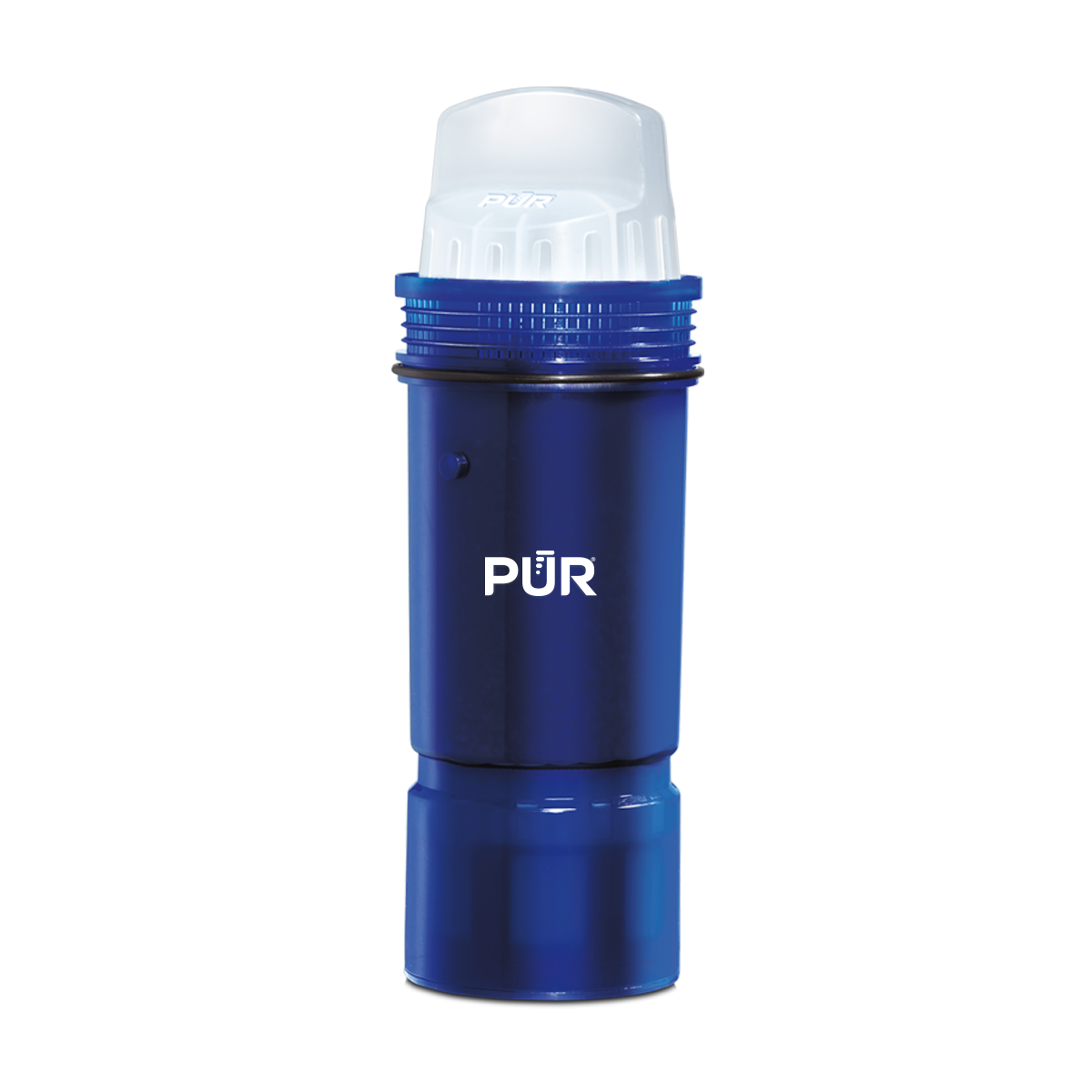

Contaminant Comparison Chart

For a complete list of contaminants that PUR filters reduce, please view our Performance Data Sheets here.


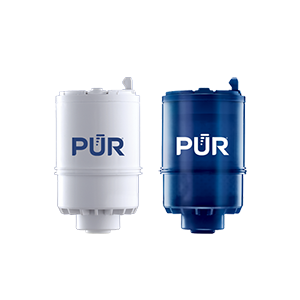
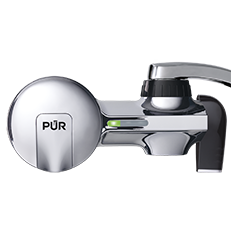
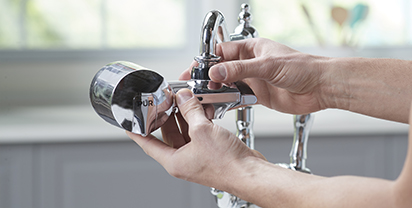
PUR & PUR PLUS FAUCET FILTERS
RF3375/RF9999

View Filters

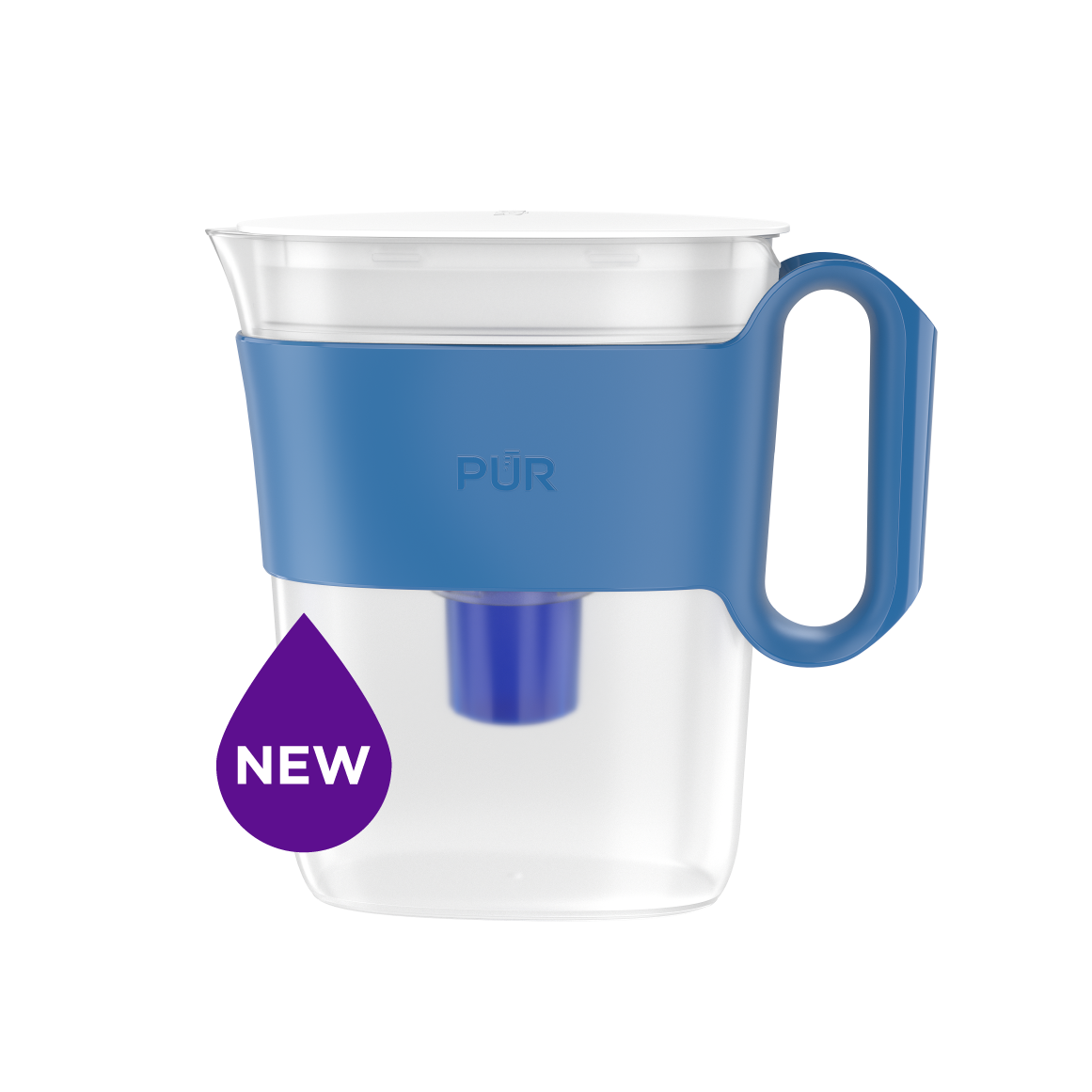
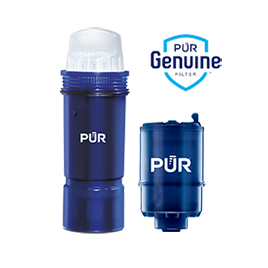
PUR PLUS PITCHER FILTERS
PPF951K

View Filter

PUR BASIC PITCHER FILTERS
PPF900Z

View Filter


Vs. Brita*

Lead
Microplastics
Mercury
Chlorine Taste & Odor
DEET
TTHM

PUR’s Filtration Systems Are Certified By NSF And WQA For Their Contamination Reduction. WQA certifications as of 5/27/21 for Faucet filter models RF-3375 and RF-9999.

¹ Certified to reduce 10X more chemical and physical substances than Brita’s® leading pitcher filter.
² Certified to reduce 3X more chemical and physical substances than Brita’s® leading pitcher filter.
³ Certified to reduce 2X more chemical and physical substances than Brita’s® leading pitcher filter.
*Versus best-selling Brita® pitcher filter OB03. Brita® is a trademark of Brita LP.
**Like other leading brands, PUR does not filter microbes. As of 3/1/23 Brita® and ZeroWater® were not certified to filter microbes. Brita® is a trademark of Brita LP. ZeroWater® is a trademark of Zero Technologies, LLC..
 

PUR & PUR PLUS FAUCET FILTERS


PUR & PUR PLUS FAUCET FILTERS
RF3375/RF9999

View Filters


Vs. Brita*

Lead
Microplastics
Mercury
Chlorine Taste & Odor
DEET
TTHM

PUR’s Filtration Systems Are Certified By NSF And WQA For Their Contamination Reduction. WQA certifications as of 5/27/21 for Faucet filter models RF-3375 and RF-9999.

¹ Certified to reduce 10X more chemical and physical substances than Brita’s® leading pitcher filter.
² Certified to reduce 3X more chemical and physical substances than Brita’s® leading pitcher filter.
³ Certified to reduce 2X more chemical and physical substances than Brita’s® leading pitcher filter.
*Versus best-selling Brita® pitcher filter OB03. Brita® is a trademark of Brita LP.
**Like other leading brands, PUR does not filter microbes. As of 3/1/23 Brita® and ZeroWater® were not certified to filter microbes. Brita® is a trademark of Brita LP. ZeroWater® is a trademark of Zero Technologies, LLC..


PUR PLUS PITCHER FILTERS


PUR PLUS PITCHER FILTERS
PPF951K

View Filter


Vs. Brita*

Lead
Microplastics
Mercury
Chlorine Taste & Odor
DEET
TTHM

PUR’s Filtration Systems Are Certified By NSF And WQA For Their Contamination Reduction. WQA certifications as of 5/27/21 for Faucet filter models RF-3375 and RF-9999.

¹ Certified to reduce 10X more chemical and physical substances than Brita’s® leading pitcher filter.
² Certified to reduce 3X more chemical and physical substances than Brita’s® leading pitcher filter.
³ Certified to reduce 2X more chemical and physical substances than Brita’s® leading pitcher filter.
*Versus best-selling Brita® pitcher filter OB03. Brita® is a trademark of Brita LP.
**Like other leading brands, PUR does not filter microbes. As of 3/1/23 Brita® and ZeroWater® were not certified to filter microbes. Brita® is a trademark of Brita LP. ZeroWater® is a trademark of Zero Technologies, LLC..


PUR BASIC PITCHER FILTERS


PUR BASIC PITCHER FILTERS
PPF900Z

View Filter


Vs. Brita*

Lead
Microplastics
Mercury
Chlorine Taste & Odor
DEET
TTHM

PUR’s Filtration Systems Are Certified By NSF And WQA For Their Contamination Reduction. WQA certifications as of 5/27/21 for Faucet filter models RF-3375 and RF-9999.

¹ Certified to reduce 10X more chemical and physical substances than Brita’s® leading pitcher filter.
² Certified to reduce 3X more chemical and physical substances than Brita’s® leading pitcher filter.
³ Certified to reduce 2X more chemical and physical substances than Brita’s® leading pitcher filter.
*Versus best-selling Brita® pitcher filter OB03. Brita® is a trademark of Brita LP.
**Like other leading brands, PUR does not filter microbes. As of 3/1/23 Brita® and ZeroWater® were not certified to filter microbes. Brita® is a trademark of Brita LP. ZeroWater® is a trademark of Zero Technologies, LLC..


How to Choose All Aluminum Doors for Your Home?

Choosing the right doors is essential for any home. All-Aluminum Doors are becoming increasingly popular due to their durability and style. According to a report by the American Architectural Manufacturers Association, aluminum doors can last up to 30 years with minimal maintenance. This longevity makes them a practical choice for homeowners.

Expert Andrew Smith, a renowned architect specializing in sustainable building solutions, states, "All-Aluminum Doors not only enhance curb appeal but also offer unmatched performance." His insights reflect the growing trend towards materials that combine aesthetics with function. Homeowners should consider factors like insulation, design, and environmental impact when selecting these doors.

While All-Aluminum Doors offer many benefits, they also require careful selection. Each option varies in thermal efficiency and style versatility. Reflecting on these factors helps ensure a thoughtful investment. Proper research and guidance can lead to the perfect choice while avoiding common pitfalls.

How to Choose All Aluminum Doors for Your Home?

Understanding the Benefits of All Aluminum Doors for Your Home

All aluminum doors are becoming increasingly popular in modern homes. They offer numerous benefits that make them a solid choice for homeowners. According to a recent industry report by the Aluminum Association, aluminum frames can last up to 50 years with minimal maintenance. This durability translates into a long-term investment that can save money on replacements.

Aluminum doors are also energy-efficient. The U.S. Department of Energy states that proper insulation can reduce heating and cooling costs by 20-30%. This is significant for homeowners looking to save on energy bills. Additionally, aluminum is highly recyclable. Approximately 75% of aluminum products are recycled in the U.S. This makes aluminum doors an environmentally friendly option.

Aesthetics matter too. Aluminum doors offer sleek designs and can be customized in various colors. This versatility allows homeowners to create a specific look. However, it's crucial to consider local weather conditions. In some areas, aluminum can conduct heat excessively. This might affect energy efficiency. Homeowners need to reflect on such factors before making the final choice.

Identifying the Key Features to Consider When Choosing Aluminum Doors

When choosing aluminum doors for your home, consider essential features that impact durability and aesthetics. Aluminum doors can last up to 40 years with minimal maintenance, according to the Aluminum Association. This longevity stems from their natural resistance to rust and corrosion. However, not all aluminum doors are created equal. Thickness and frame design play vital roles—thicker frames enhance structural integrity but may increase costs.

Energy efficiency is another critical factor. A well-insulated aluminum door can reduce heating and cooling costs by up to 30%. The National Institute of Standards and Technology highlights the importance of energy ratings. Look for doors with a low U-factor to ensure better thermal performance. Additionally, consider the door's finish. Powder-coated aluminum provides a robust exterior, resistant to fading and chipping, maintaining its look over time.

Aesthetic choices are also significant. Custom designs and finishes allow homeowners to personalize their spaces. Yet, some designs may not hold up against harsh weather. It's crucial to weigh visual appeal against practicality. Engage with industry reports to stay informed about trends and benchmarks. Balancing form and function ensures your chosen aluminum door complements your home's character while providing longevity and efficiency.

Comparing Types of Aluminum Doors: Styles and Designs

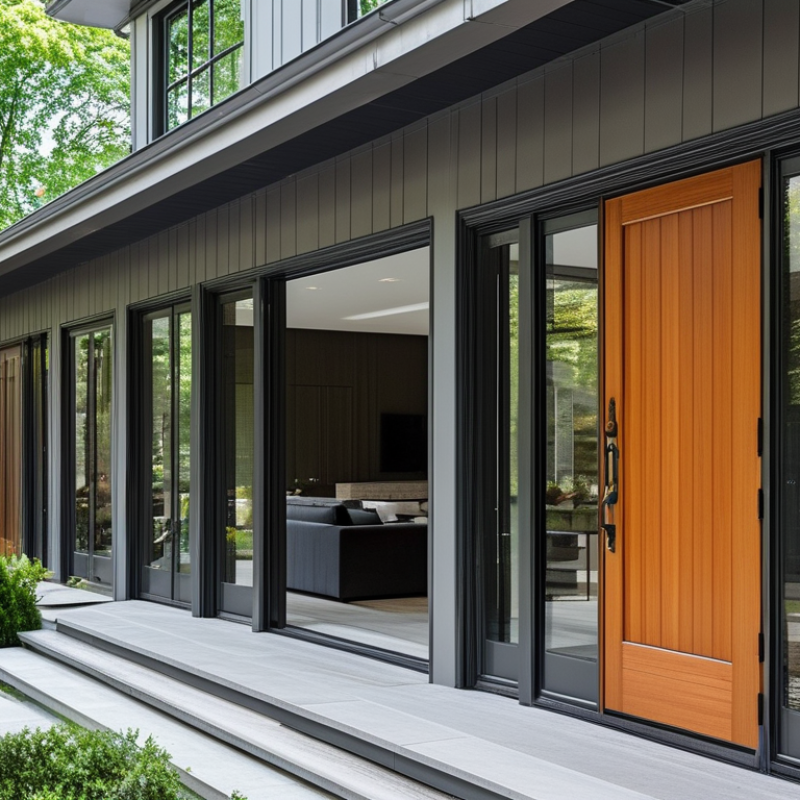
When choosing aluminum doors for your home, consider the various styles and designs available. Sliding doors, for example, offer a seamless transition between indoor and outdoor spaces. According to industry reports, over 50% of homeowners prefer sliding doors for their versatility and space-saving features. These doors not only enhance aesthetics but also provide functionality in limited spaces.

Bi-fold doors are another popular option, often praised for their ability to open up entire walls. A study found that bi-fold doors can increase property value by up to 10%. Their design allows for maximum natural light and unobstructed views. However, installation can be complex and may require a significant investment. Assess your opening space and the wall structure beforehand to avoid potential headaches.

Lastly, consider the thermal performance of aluminum doors. Ensure they have thermal breaks to improve energy efficiency. Research indicates that energy-efficient doors can reduce heating and cooling costs by 15%. Weighing the styles versus your specific needs is crucial. Be mindful that while aesthetic choices are important, practicality should not be overlooked.

Evaluating Durability and Maintenance Requirements of Aluminum Doors

When selecting aluminum doors, durability is crucial. According to the Aluminum Association, aluminum can withstand harsh weather conditions without warping or corroding. This makes it an excellent choice for homes in areas with extreme climates. Many homeowners appreciate that aluminum doors can last over 30 years with proper care.

Maintenance requirements are another critical factor. Aluminum doors do not need frequent repainting or refinishing, unlike wooden doors. A simple cleaning with soap and water can keep them looking new. However, some homeowners may overlook the need to inspect seals and hinges regularly. Neglecting these areas can lead to functionality issues.

It's essential to consider local environmental factors, as they can influence maintenance needs. For instance, homes by the ocean may require more frequent cleaning due to salt buildup. Understanding these nuances helps in making informed decisions about aluminum door installations. Ultimately, evaluating both durability and maintenance can lead to a satisfying long-term investment.

Selecting the Right Color and Finish for Your Aluminum Doors

Choosing the right color and finish for aluminum doors is crucial. Colors can influence the overall aesthetic of your home. A recent industry report suggests that 70% of homeowners prioritize exterior color when selecting doors. Neutral tones remain popular, providing versatility and complementing various architectural styles.

However, it's important to consider local climate conditions. Darker colors absorb heat, which may lead to increased energy costs. In contrast, lighter shades reflect heat and can keep your home cooler. As per another study, energy-efficient door options can reduce cooling costs by up to 15%.

The finish also plays a key role. A powder-coated finish offers durability and resistance to weather conditions. Yet, it might wear over time, requiring maintenance and potential refinishing. Selecting a textured finish can add depth but may show dirt more easily. Reflecting on these details leads to informed decisions, enhancing both functionality and visual appeal.

Color and Finish Preferences for Aluminum Doors