Contaminant Comparison Chart

For a complete list of contaminants that PUR filters reduce, please view our Performance Data Sheets here.


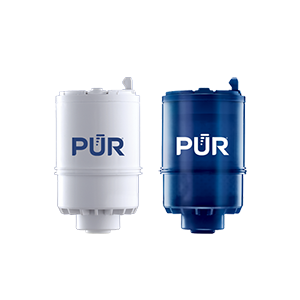
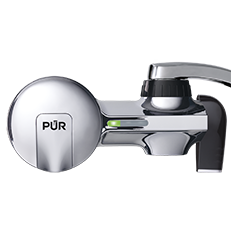
PUR & PUR PLUS FAUCET FILTERS
RF3375/RF9999

View Filters

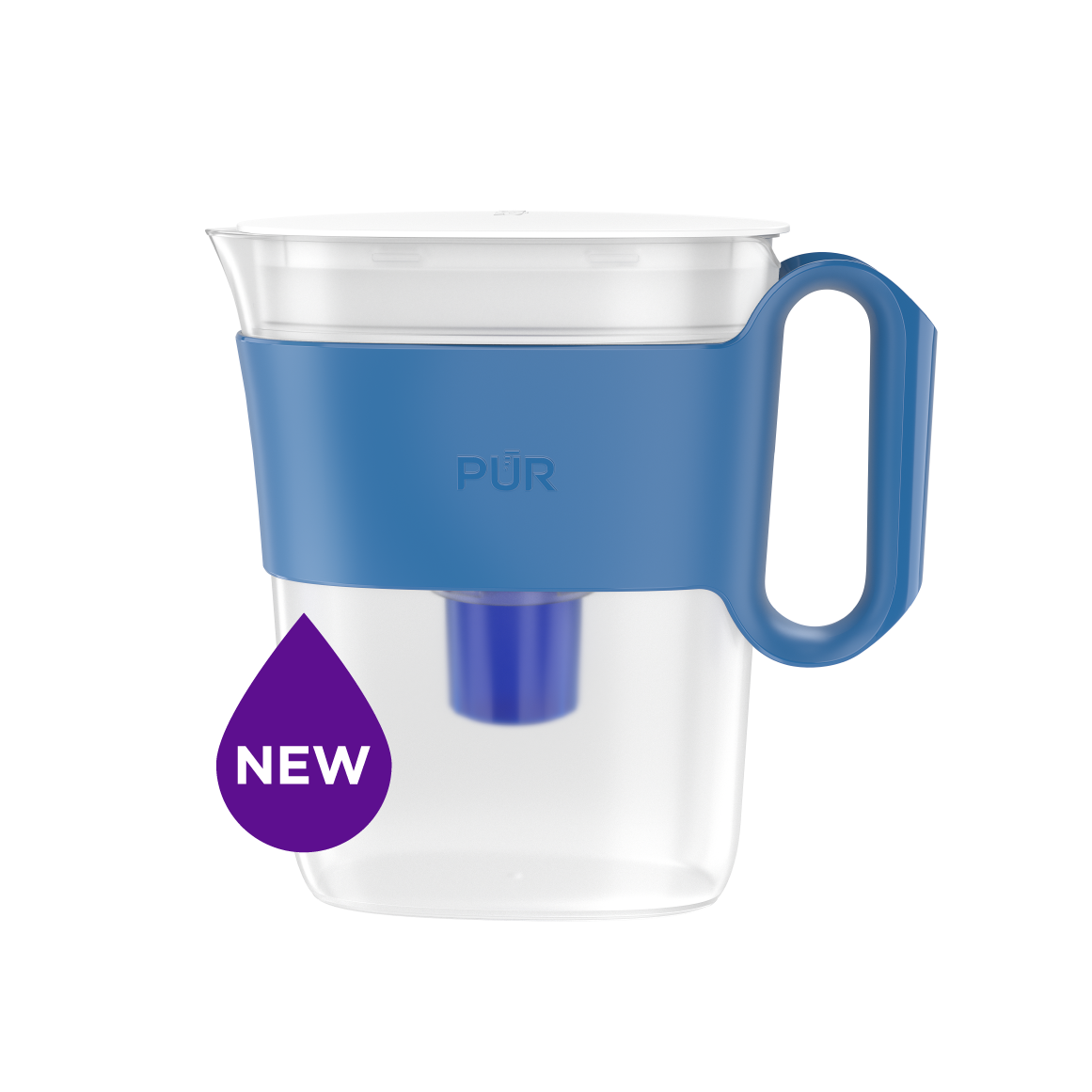
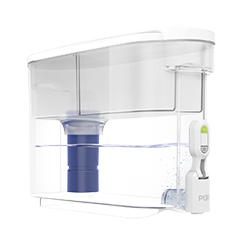
PUR PLUS PITCHER FILTERS
PPF951K

View Filter

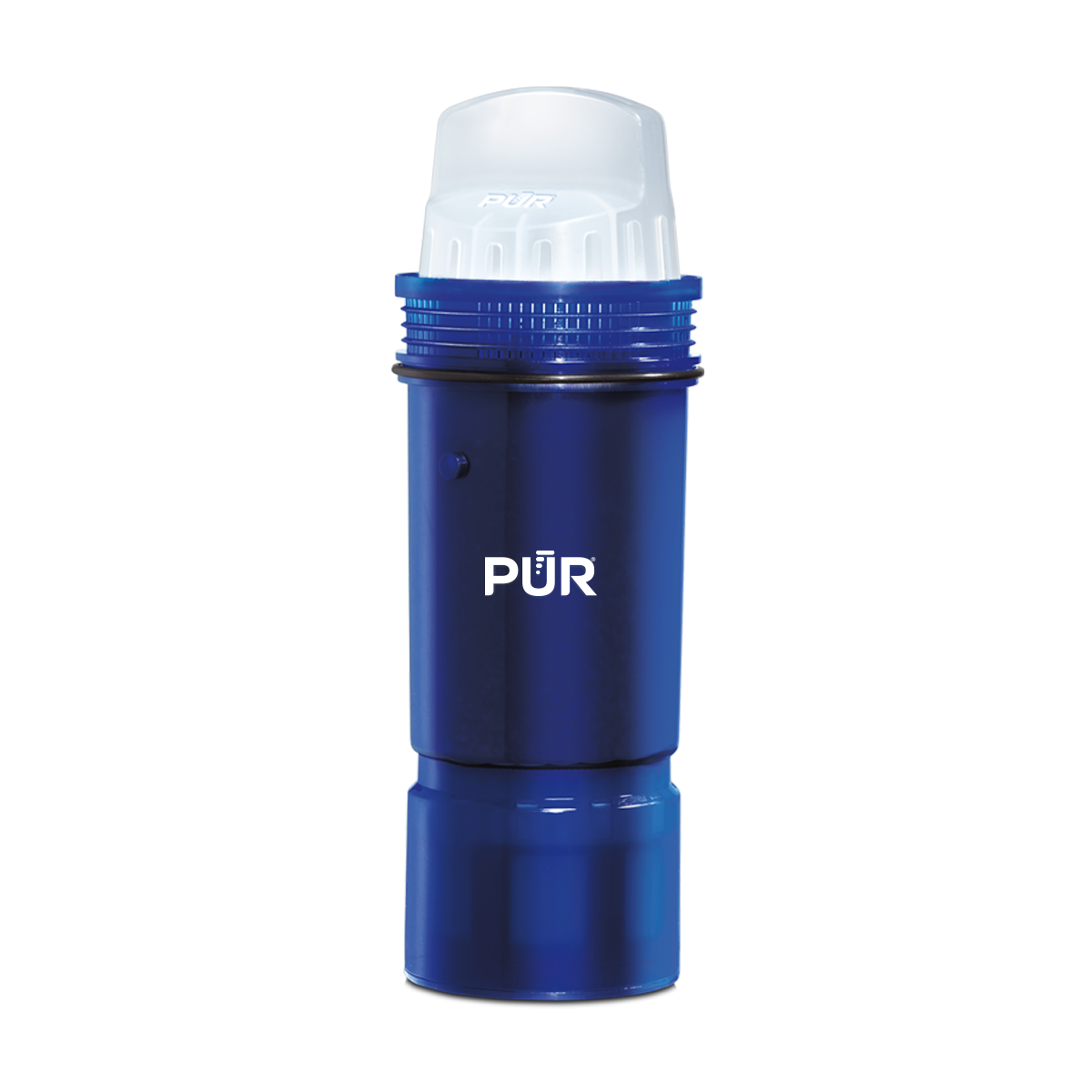
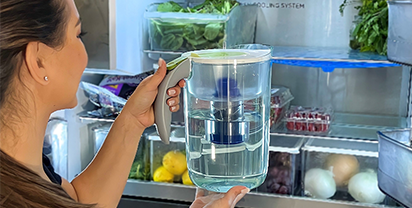
PUR BASIC PITCHER FILTERS
PPF900Z

View Filter


Vs. Brita*

Lead
Microplastics
Mercury
Chlorine Taste & Odor
DEET
TTHM

PUR’s Filtration Systems Are Certified By NSF And WQA For Their Contamination Reduction. WQA certifications as of 5/27/21 for Faucet filter models RF-3375 and RF-9999.

¹ Certified to reduce 10X more chemical and physical substances than Brita’s® leading pitcher filter.
² Certified to reduce 3X more chemical and physical substances than Brita’s® leading pitcher filter.
³ Certified to reduce 2X more chemical and physical substances than Brita’s® leading pitcher filter.
*Versus best-selling Brita® pitcher filter OB03. Brita® is a trademark of Brita LP.
**Like other leading brands, PUR does not filter microbes. As of 3/1/23 Brita® and ZeroWater® were not certified to filter microbes. Brita® is a trademark of Brita LP. ZeroWater® is a trademark of Zero Technologies, LLC..
 

PUR & PUR PLUS FAUCET FILTERS


PUR & PUR PLUS FAUCET FILTERS
RF3375/RF9999

View Filters


Vs. Brita*

Lead
Microplastics
Mercury
Chlorine Taste & Odor
DEET
TTHM

PUR’s Filtration Systems Are Certified By NSF And WQA For Their Contamination Reduction. WQA certifications as of 5/27/21 for Faucet filter models RF-3375 and RF-9999.

¹ Certified to reduce 10X more chemical and physical substances than Brita’s® leading pitcher filter.
² Certified to reduce 3X more chemical and physical substances than Brita’s® leading pitcher filter.
³ Certified to reduce 2X more chemical and physical substances than Brita’s® leading pitcher filter.
*Versus best-selling Brita® pitcher filter OB03. Brita® is a trademark of Brita LP.
**Like other leading brands, PUR does not filter microbes. As of 3/1/23 Brita® and ZeroWater® were not certified to filter microbes. Brita® is a trademark of Brita LP. ZeroWater® is a trademark of Zero Technologies, LLC..


PUR PLUS PITCHER FILTERS


PUR PLUS PITCHER FILTERS
PPF951K

View Filter


Vs. Brita*

Lead
Microplastics
Mercury
Chlorine Taste & Odor
DEET
TTHM

PUR’s Filtration Systems Are Certified By NSF And WQA For Their Contamination Reduction. WQA certifications as of 5/27/21 for Faucet filter models RF-3375 and RF-9999.

¹ Certified to reduce 10X more chemical and physical substances than Brita’s® leading pitcher filter.
² Certified to reduce 3X more chemical and physical substances than Brita’s® leading pitcher filter.
³ Certified to reduce 2X more chemical and physical substances than Brita’s® leading pitcher filter.
*Versus best-selling Brita® pitcher filter OB03. Brita® is a trademark of Brita LP.
**Like other leading brands, PUR does not filter microbes. As of 3/1/23 Brita® and ZeroWater® were not certified to filter microbes. Brita® is a trademark of Brita LP. ZeroWater® is a trademark of Zero Technologies, LLC..


PUR BASIC PITCHER FILTERS


PUR BASIC PITCHER FILTERS
PPF900Z

View Filter


Vs. Brita*

Lead
Microplastics
Mercury
Chlorine Taste & Odor
DEET
TTHM

PUR’s Filtration Systems Are Certified By NSF And WQA For Their Contamination Reduction. WQA certifications as of 5/27/21 for Faucet filter models RF-3375 and RF-9999.

¹ Certified to reduce 10X more chemical and physical substances than Brita’s® leading pitcher filter.
² Certified to reduce 3X more chemical and physical substances than Brita’s® leading pitcher filter.
³ Certified to reduce 2X more chemical and physical substances than Brita’s® leading pitcher filter.
*Versus best-selling Brita® pitcher filter OB03. Brita® is a trademark of Brita LP.
**Like other leading brands, PUR does not filter microbes. As of 3/1/23 Brita® and ZeroWater® were not certified to filter microbes. Brita® is a trademark of Brita LP. ZeroWater® is a trademark of Zero Technologies, LLC..


How to Choose the Best Players Uniform Manufacturers?

Choosing the right Players Uniform Manufacturers can make a significant difference. An experienced sportswear consultant, Mark Thompson, states, "Quality uniforms can boost team morale and performance." This emphasizes the importance of selecting the best manufacturer.

A reliable players uniform manufacturer should offer customizable options. Teams need unique designs that reflect their identity. Additionally, consider the materials used. High-quality fabrics enhance comfort and durability. However, not all manufacturers meet these standards. Researching their production processes is essential.

Trust is key when choosing players uniform manufacturers. Look for reviews and testimonials from past clients. Transparency in pricing and delivery timelines is crucial too. A poor choice can lead to dissatisfaction. Hence, taking time to evaluate options can prevent future regrets.

How to Choose the Best Players Uniform Manufacturers?

Understanding the Importance of Quality in Players Uniforms

Choosing the right players' uniforms is crucial to any sports team. The quality of these uniforms impacts performance, comfort, and even team morale. According to a report by the Sports Industry Association, about 70% of athletes feel that a well-fitting uniform enhances their performance. This statistic highlights the link between quality gear and athletic success.

One key aspect to consider is the fabric. High-quality materials like moisture-wicking polyester prevent chafing and keep players dry. A study from the Journal of Sports Science found that athletes wearing breathable fabrics performed better in endurance tests. This shows that investing in quality uniforms directly correlates with improved athletic performance.

Moreover, durability is another factor. Research indicates that uniforms made from higher-quality fabrics last longer, reducing the need for frequent replacements. This offers a cost-effective solution in the long run. Teams must reflect on their choices. Are they compromising on quality for price? Ensuring that uniforms provide the right balance of comfort, durability, and performance is essential.

Evaluating Manufacturer's Reputation and Experience in the Industry

When selecting a manufacturer for players' uniforms, assessing their industry reputation is crucial. A study from the Sporting Goods Manufacturers Association revealed that 70% of coaches prioritize quality and reliability from vendors. This highlights the necessity of working with experienced manufacturers who have a proven track record.

Experience in the uniform manufacturing industry matters. Companies that have been in the business for over a decade tend to understand the nuances of materials, styles, and team needs better. According to a recent report, manufacturers with more than 15 years in the field produce uniforms that withstand wear and tear 30% better than newer entrants. This quality implies higher satisfaction among teams and players.

However, evaluating a manufacturer's reputation can be subjective. Not all long-established firms maintain high standards, and newer brands can also produce competitive products. Look for testimonials and case studies. They offer insight into customer satisfaction and reliability. Regularly revisiting your choices can help ensure that you align with reliable partners who continue to meet industry demands.

Manufacturers Reputation and Experience in the Industry

Exploring Material Options and Their Impact on Performance

When selecting players' uniforms, material choices play a critical role in performance. The right fabric can enhance comfort, breathability, and durability. Common materials include polyester, nylon, and spandex. Polyester is lightweight and moisture-wicking, while nylon offers strength and flexibility. Spandex provides stretch, allowing for a better fit. Each material has its pros and cons.

Athletes may suffer from discomfort if the wrong fabric is chosen. Fabrics that don't breathe can cause overheating. Conversely, lightweight, moisture-wicking materials help in sweat management. Poor-quality fabrics might wear out quickly, leading to performance loss. Understanding these impacts is crucial for making informed decisions.

The feel of the fabric matters. A rough texture can be distracting, while softer materials can enhance focus. Seek manufacturers who prioritize quality. Performance metrics can vary, and testing different fabrics is essential. Finding the right balance between comfort, durability, and aesthetics is often a trial-and-error process. The perfect uniform should not only look good but also empower athletes on the field.

Comparing Customization Capabilities Offered by Manufacturers

When choosing a manufacturer for custom player uniforms, customization capabilities are crucial. Look for manufacturers offering a broad variety of design options. This includes choices in materials, colors, and styles. Customization should extend beyond basic logos. Detailed options for numbers and names can transform a uniform. Ensure the manufacturer can accommodate these specific requests.

Evaluate the artwork submission process. Some manufacturers may have strict guidelines that could hinder creativity. User-friendly tools for design submission will enhance your experience. Additionally, inquire about the range of sizes available. A good manufacturer should cater to all body types, ensuring a perfect fit. It’s essential to weigh these factors to align with your team's identity.

Quality control is another vital aspect. Manufacturers should have a solid QA process in place. This ensures that every order meets the highest standards. However, not all manufacturers may communicate effectively about issues. Potential communication gaps may lead to misunderstandings. Be prepared to navigate these challenges while ensuring that your team’s vision is realized impressively.

How to Choose the Best Players Uniform Manufacturers? - Comparing Customization Capabilities Offered by Manufacturers

Manufacturer Customization Options Material Quality Turnaround Time Price Range
Manufacturer A Full custom designs, team logos, and names High-quality synthetic and breathable fabrics 2-3 weeks $30 - $50 per uniform
Manufacturer B Color choices, custom prints, and sizes Mid-range quality fabric 1-2 weeks $25 - $45 per uniform
Manufacturer C Limited designs, standard colors Economical fabric 3-4 weeks $20 - $35 per uniform
Manufacturer D Custom designs, various fabric options Premium quality and sustainable materials 2 weeks $40 - $60 per uniform

Assessing Pricing and Value for Budget-Conscious Teams

When it comes to selecting a uniform manufacturer, budget is key. A recent industry report notes that 70% of teams struggle with aligning quality and price. Teams must prioritize what matters most. Do they focus on durability, design, or cost? Each aspect influences overall value.


An affordable uniform can sometimes compromise on quality. For instance, synthetic fabrics may offer lower pricing but can affect player comfort. A study in the Sports Apparel Market indicated that uniforms made from high-performance materials increase longevity and player satisfaction by up to 30%. This data shows that a small upfront investment can save teams money in the long run.


Understanding pricing structures is also critical. Many manufacturers provide tiered pricing based on order volume. Teams need clarity on hidden costs. Import fees or shipping charges can inflate budgets unexpectedly. Transparency helps ensure value for money. Furthermore, teams should not solely compare prices but also consider warranties and customer support. Balancing these factors requires careful consideration and can lead to greater long-term satisfaction. By evaluating these elements, teams can make informed decisions, ensuring their choice aligns with both their financial goals and performance needs.