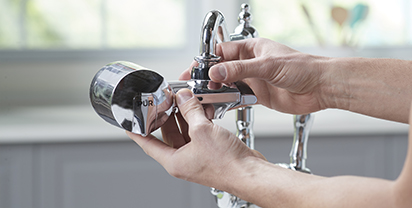
Contaminant Comparison Chart

For a complete list of contaminants that PUR filters reduce, please view our Performance Data Sheets here.


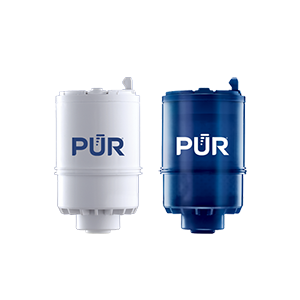
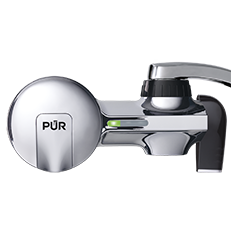
PUR & PUR PLUS FAUCET FILTERS
RF3375/RF9999

View Filters

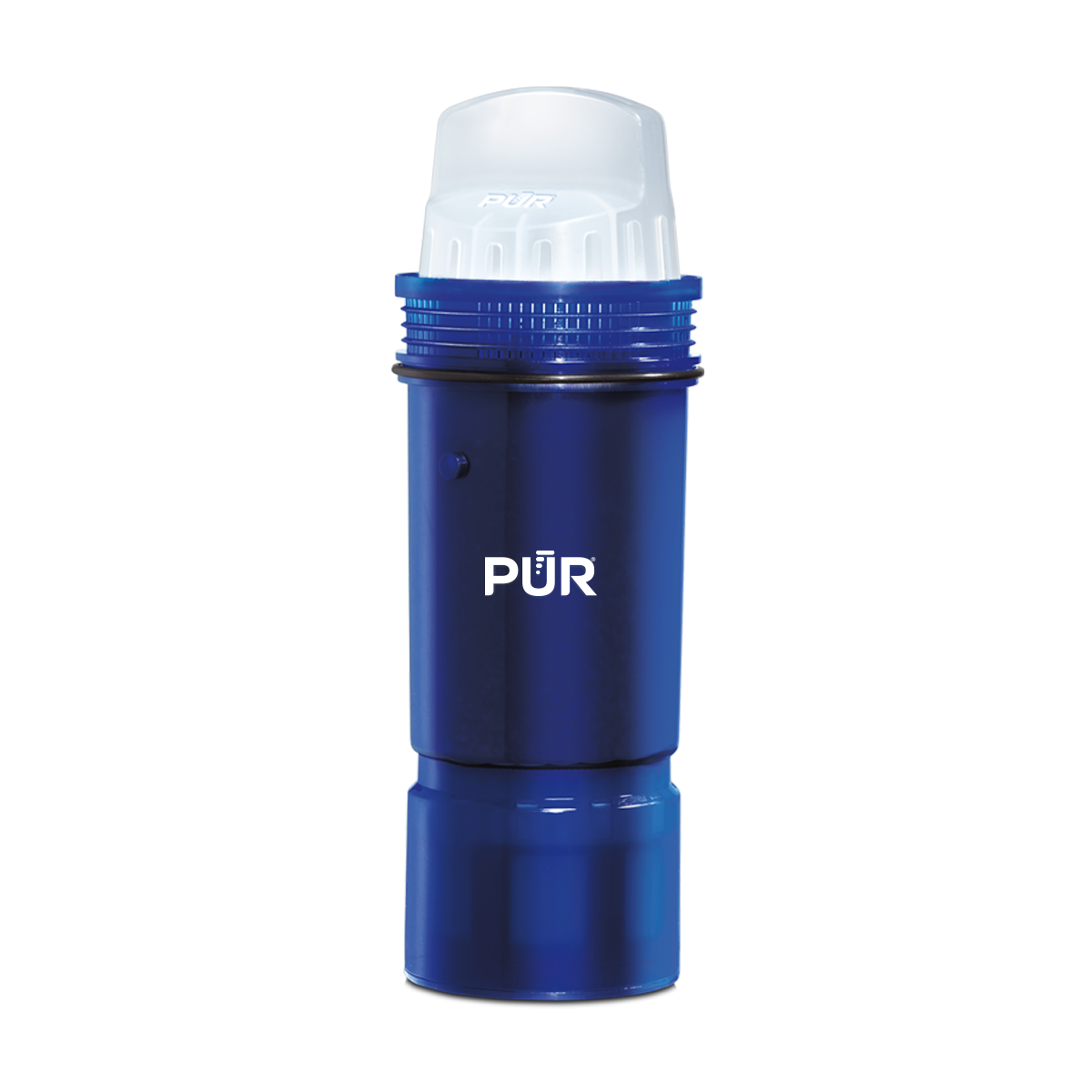
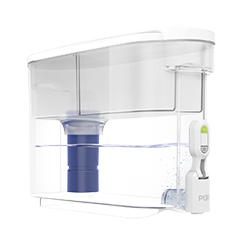
PUR PLUS PITCHER FILTERS
PPF951K

View Filter

PUR BASIC PITCHER FILTERS
PPF900Z

View Filter


Vs. Brita*

Lead
Microplastics
Mercury
Chlorine Taste & Odor
DEET
TTHM

PUR’s Filtration Systems Are Certified By NSF And WQA For Their Contamination Reduction. WQA certifications as of 5/27/21 for Faucet filter models RF-3375 and RF-9999.

¹ Certified to reduce 10X more chemical and physical substances than Brita’s® leading pitcher filter.
² Certified to reduce 3X more chemical and physical substances than Brita’s® leading pitcher filter.
³ Certified to reduce 2X more chemical and physical substances than Brita’s® leading pitcher filter.
*Versus best-selling Brita® pitcher filter OB03. Brita® is a trademark of Brita LP.
**Like other leading brands, PUR does not filter microbes. As of 3/1/23 Brita® and ZeroWater® were not certified to filter microbes. Brita® is a trademark of Brita LP. ZeroWater® is a trademark of Zero Technologies, LLC..
 

PUR & PUR PLUS FAUCET FILTERS


PUR & PUR PLUS FAUCET FILTERS
RF3375/RF9999

View Filters


Vs. Brita*

Lead
Microplastics
Mercury
Chlorine Taste & Odor
DEET
TTHM

PUR’s Filtration Systems Are Certified By NSF And WQA For Their Contamination Reduction. WQA certifications as of 5/27/21 for Faucet filter models RF-3375 and RF-9999.

¹ Certified to reduce 10X more chemical and physical substances than Brita’s® leading pitcher filter.
² Certified to reduce 3X more chemical and physical substances than Brita’s® leading pitcher filter.
³ Certified to reduce 2X more chemical and physical substances than Brita’s® leading pitcher filter.
*Versus best-selling Brita® pitcher filter OB03. Brita® is a trademark of Brita LP.
**Like other leading brands, PUR does not filter microbes. As of 3/1/23 Brita® and ZeroWater® were not certified to filter microbes. Brita® is a trademark of Brita LP. ZeroWater® is a trademark of Zero Technologies, LLC..


PUR PLUS PITCHER FILTERS


PUR PLUS PITCHER FILTERS
PPF951K

View Filter


Vs. Brita*

Lead
Microplastics
Mercury
Chlorine Taste & Odor
DEET
TTHM

PUR’s Filtration Systems Are Certified By NSF And WQA For Their Contamination Reduction. WQA certifications as of 5/27/21 for Faucet filter models RF-3375 and RF-9999.

¹ Certified to reduce 10X more chemical and physical substances than Brita’s® leading pitcher filter.
² Certified to reduce 3X more chemical and physical substances than Brita’s® leading pitcher filter.
³ Certified to reduce 2X more chemical and physical substances than Brita’s® leading pitcher filter.
*Versus best-selling Brita® pitcher filter OB03. Brita® is a trademark of Brita LP.
**Like other leading brands, PUR does not filter microbes. As of 3/1/23 Brita® and ZeroWater® were not certified to filter microbes. Brita® is a trademark of Brita LP. ZeroWater® is a trademark of Zero Technologies, LLC..


PUR BASIC PITCHER FILTERS


PUR BASIC PITCHER FILTERS
PPF900Z

View Filter


Vs. Brita*

Lead
Microplastics
Mercury
Chlorine Taste & Odor
DEET
TTHM

PUR’s Filtration Systems Are Certified By NSF And WQA For Their Contamination Reduction. WQA certifications as of 5/27/21 for Faucet filter models RF-3375 and RF-9999.

¹ Certified to reduce 10X more chemical and physical substances than Brita’s® leading pitcher filter.
² Certified to reduce 3X more chemical and physical substances than Brita’s® leading pitcher filter.
³ Certified to reduce 2X more chemical and physical substances than Brita’s® leading pitcher filter.
*Versus best-selling Brita® pitcher filter OB03. Brita® is a trademark of Brita LP.
**Like other leading brands, PUR does not filter microbes. As of 3/1/23 Brita® and ZeroWater® were not certified to filter microbes. Brita® is a trademark of Brita LP. ZeroWater® is a trademark of Zero Technologies, LLC..


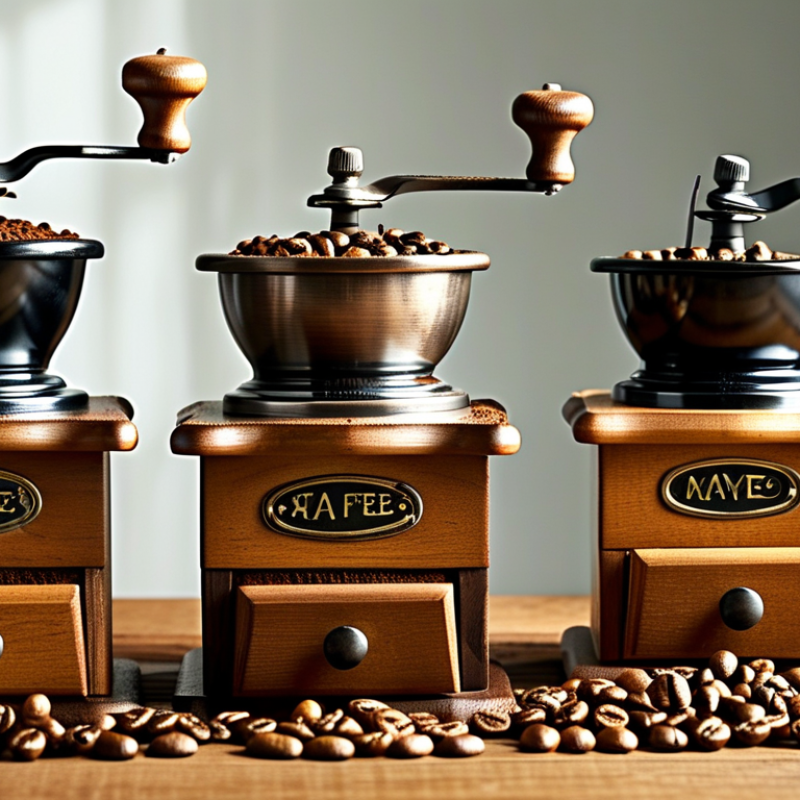
How to Choose the Best Portable Hand Coffee Grinder?

Choosing the right Portable Hand Coffee Grinder can transform your coffee experience. According to coffee expert James Hoffman, "The grinder is the most important part of the brew process." His words emphasize the significance of having a reliable grinder at your disposal.

A Portable Hand Coffee Grinder not only offers convenience but also allows you to enjoy freshly ground coffee wherever you are. The beauty of a manual grinder lies in its simplicity and the control it gives you. However, not all hand grinders are created equal. Some might be too bulky or difficult to use, leading to frustration.

You need to consider several factors when making your choice. The build quality, grinding consistency, and ease of use all matter. Remember that it’s not just about grinding coffee beans; it’s about enhancing the entire coffee brewing experience. Each detail can impact the flavor profile, so choose wisely.

How to Choose the Best Portable Hand Coffee Grinder?

Understanding the Importance of Grind Size in Coffee Brewing

When brewing coffee, grind size plays a crucial role in flavor extraction. A report by the Specialty Coffee Association highlights that medium-fine grinds are ideal for most brewing methods. This range allows for even extraction, which enhances the aroma and taste. Under-extracted coffee can taste sour, while over-extracted coffee may become bitter. Finding the perfect grind can be challenging.

Not all grinders deliver consistent results. A study from the Coffee Research Institute indicates that burr grinders outperform blade grinders in terms of uniformity. Burr grinders create a more consistent texture, which leads to better flavor profiles. In contrast, blade grinders often produce a mix of fine and coarse particles. This inconsistency can lead to a lack of balance in your brew.

Practicing precision in grind size is essential. Consider your brewing method—French press requires coarser grinds while espresso needs fine particles. Trial and error is part of the process. Measure your coffee and water accurately, and adjust as necessary. The journey to the perfect cup can be enlightening, revealing how small changes affect the final outcome. Engage with your preferences and embrace experimentation for a deeper understanding of brew dynamics.

Grind Size Distribution for Different Brewing Methods

Key Features to Look for in a Portable Hand Coffee Grinder

When selecting a portable hand coffee grinder, consider several key features that enhance the brewing experience. One of the most crucial aspects is the grind size consistency. A study published by the Specialty Coffee Association revealed that particle uniformity impacts extraction efficiency. Ensuring a consistent grind allows for better flavor clarity in each cup.

Another important feature is the grinder's material. High-quality stainless steel burrs tend to outperform ceramic ones in durability and grind performance. A report by the Coffee Quality Institute indicates that grind quality can greatly affect the overall taste profile. While ceramic burrs are generally more affordable, they may wear down faster, impacting your coffee’s flavor over time.

Tips: Look for a grinder that offers various grind settings. Adjustable settings empower users to customize their brewing experience, accommodating different methods like French press or espresso. Additionally, consider the grinder's portability. A lightweight design with a compact size allows for easy transport, perfect for travel enthusiasts. Remember, while it’s tempting to opt for the cheapest model, investing in a reliable grinder can truly enhance your coffee experience. Consider trying different models, but be aware of their limitations and characteristics for improved decision-making.

Materials and Build Quality: Impact on Durability and Performance

When selecting a portable hand coffee grinder, materials and build quality significantly influence durability and performance. High-quality materials, such as stainless steel and ceramic, are preferred. Reports indicate that stainless steel burrs can outperform plastic ones in grind consistency and longevity. Ceramic burrs, while more fragile, offer excellent heat resistance and flavor retention.

A study by the Specialty Coffee Association highlighted that grinders made from durable materials can last beyond five years, whereas lower-quality options may wear out in under a year. This lifespan is crucial for coffee enthusiasts who seek consistent performance. The structure of the grinder also matters. Lightweight models may be easier to carry but might compromise on stability, affecting the grinding process. A grinder with a solid build generally provides a better grind and enhanced taste.

Tip: When shopping, consider the weight-to-performance ratio. If you plan to travel with it, choose a medium weight for balance. Also, check for reviews focusing on durability. Real customer experiences can reveal insights that official product descriptions may not cover. Keep these factors in mind to find the balance between portability and quality.

Assessing Portability: Weight, Size, and Ergonomics of Hand Grinders

When choosing a portable hand coffee grinder, portability is key. Look at the weight; a light grinder is easier to carry. Many grinders weigh around a pound, which is manageable for travel. Consider the size as well. Many hand grinders fit comfortably in a backpack. Compact designs are helpful for camping or trips.

Ergonomics plays an essential role too. A well-designed handle provides a comfortable grip. This makes grinding smoother and more efficient. Some grinders may feel awkward to hold, leading to hand strain. Always test a grinder if possible before buying. Ensuring a pleasant grinding experience can enhance your coffee ritual.

Consider how much coffee you plan to grind. Small grinders may limit you, while larger ones can be cumbersome. Balancing size and capacity is important. Reflecting on your personal needs will guide your choice. A portable grinder should make your coffee-making process enjoyable, not a hassle.

Pricing Factors: Finding the Right Balance between Cost and Quality

When choosing a portable hand coffee grinder, pricing plays a crucial role. High-quality grinders can cost more upfront. Yet, investing in a reliable grinder often pays off in the long run. A cheaper option might save you money, but it can lead to an unsatisfactory coffee experience. Consider how often you'll use it. If you’re an avid traveler or camper, a durable grinder is essential.

Brand reputation is also important. A well-reviewed grinder usually indicates quality. Research online to find user experiences. Not all high-priced models guarantee the best performance. Sometimes, the best value lies in a mid-range grinder that balances quality and cost. Remember, a slight difference in grind size can significantly change your coffee's taste.

Consider additional features like grind settings, size, and ease of cleaning. Portability is vital, especially if you travel. A lightweight model may cost more but is worth the investment. Reflect on your coffee habits. This can guide you to the right balance between price and quality. Don't rush the decision; take your time to analyze your options.