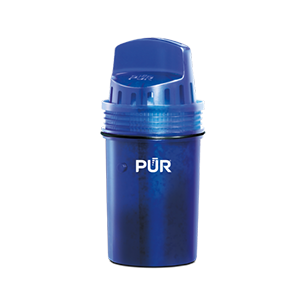
Contaminant Comparison Chart

For a complete list of contaminants that PUR filters reduce, please view our Performance Data Sheets here.


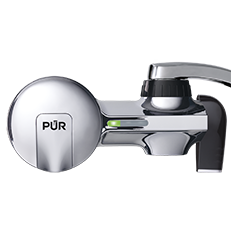
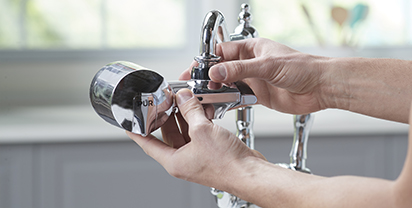
PUR & PUR PLUS FAUCET FILTERS
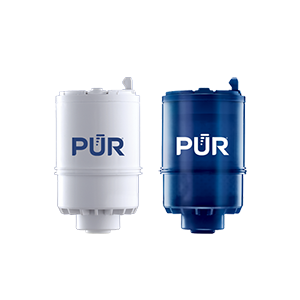
RF3375/RF9999

View Filters

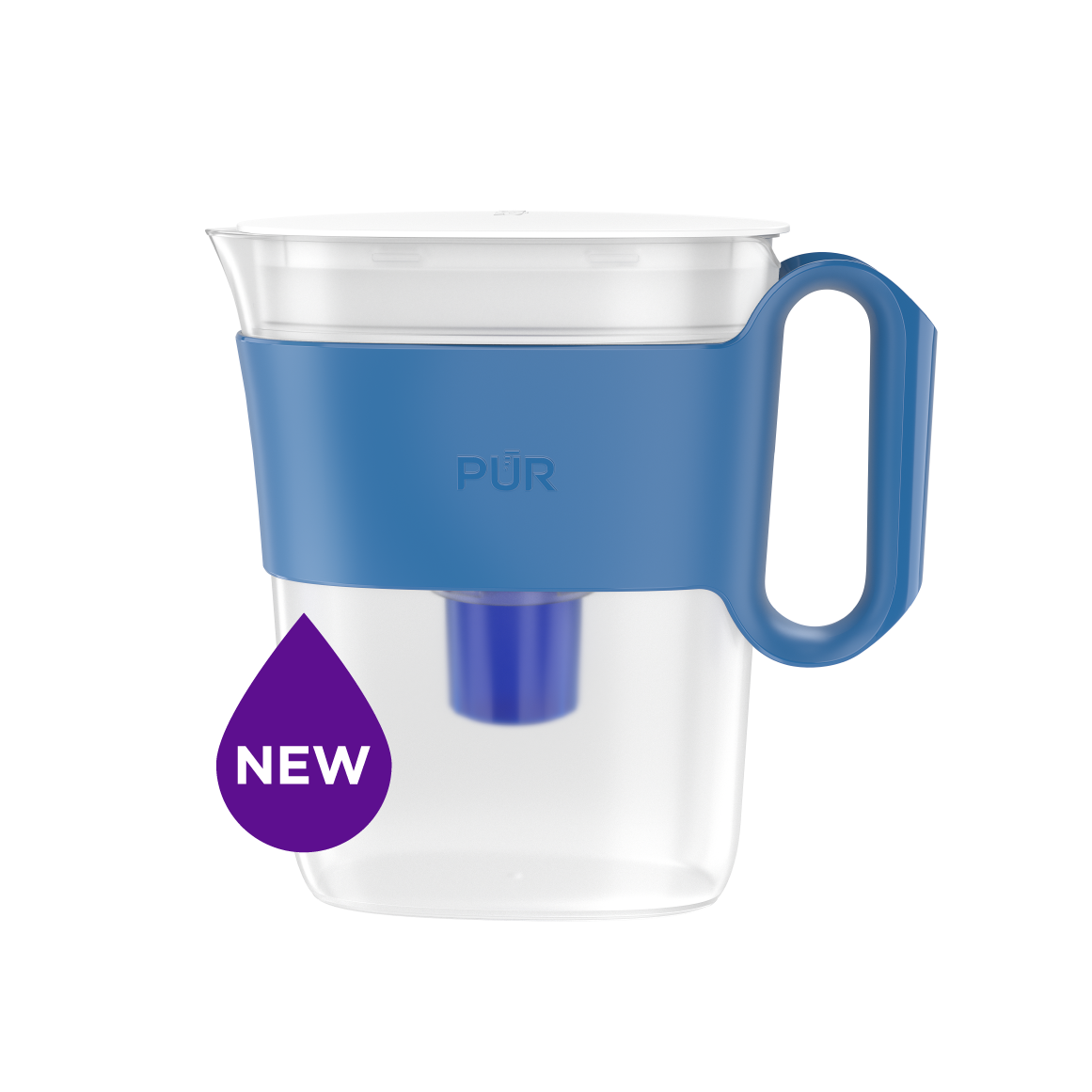
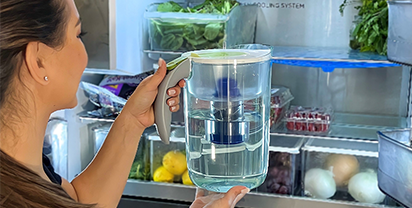
PUR PLUS PITCHER FILTERS
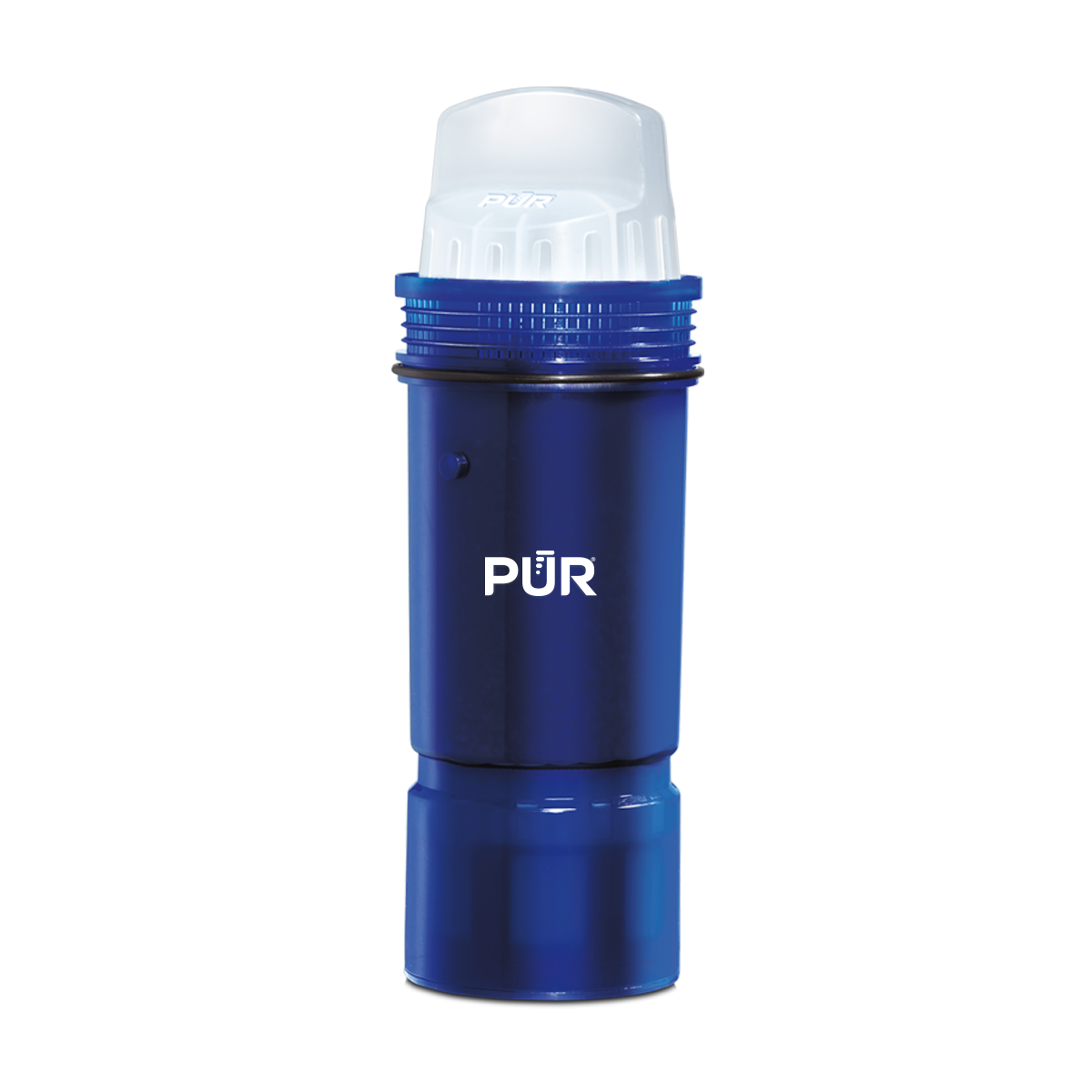
PPF951K

View Filter

PUR BASIC PITCHER FILTERS
PPF900Z

View Filter


Vs. Brita*

Lead
Microplastics
Mercury
Chlorine Taste & Odor
DEET
TTHM

PUR’s Filtration Systems Are Certified By NSF And WQA For Their Contamination Reduction. WQA certifications as of 5/27/21 for Faucet filter models RF-3375 and RF-9999.

¹ Certified to reduce 10X more chemical and physical substances than Brita’s® leading pitcher filter.
² Certified to reduce 3X more chemical and physical substances than Brita’s® leading pitcher filter.
³ Certified to reduce 2X more chemical and physical substances than Brita’s® leading pitcher filter.
*Versus best-selling Brita® pitcher filter OB03. Brita® is a trademark of Brita LP.
**Like other leading brands, PUR does not filter microbes. As of 3/1/23 Brita® and ZeroWater® were not certified to filter microbes. Brita® is a trademark of Brita LP. ZeroWater® is a trademark of Zero Technologies, LLC..
 

PUR & PUR PLUS FAUCET FILTERS


PUR & PUR PLUS FAUCET FILTERS
RF3375/RF9999

View Filters


Vs. Brita*

Lead
Microplastics
Mercury
Chlorine Taste & Odor
DEET
TTHM

PUR’s Filtration Systems Are Certified By NSF And WQA For Their Contamination Reduction. WQA certifications as of 5/27/21 for Faucet filter models RF-3375 and RF-9999.

¹ Certified to reduce 10X more chemical and physical substances than Brita’s® leading pitcher filter.
² Certified to reduce 3X more chemical and physical substances than Brita’s® leading pitcher filter.
³ Certified to reduce 2X more chemical and physical substances than Brita’s® leading pitcher filter.
*Versus best-selling Brita® pitcher filter OB03. Brita® is a trademark of Brita LP.
**Like other leading brands, PUR does not filter microbes. As of 3/1/23 Brita® and ZeroWater® were not certified to filter microbes. Brita® is a trademark of Brita LP. ZeroWater® is a trademark of Zero Technologies, LLC..
 

PUR PLUS PITCHER FILTERS


PUR PLUS PITCHER FILTERS
PPF951K

View Filter


Vs. Brita*

Lead
Microplastics
Mercury
Chlorine Taste & Odor
DEET
TTHM

PUR’s Filtration Systems Are Certified By NSF And WQA For Their Contamination Reduction. WQA certifications as of 5/27/21 for Faucet filter models RF-3375 and RF-9999.

¹ Certified to reduce 10X more chemical and physical substances than Brita’s® leading pitcher filter.
² Certified to reduce 3X more chemical and physical substances than Brita’s® leading pitcher filter.
³ Certified to reduce 2X more chemical and physical substances than Brita’s® leading pitcher filter.
*Versus best-selling Brita® pitcher filter OB03. Brita® is a trademark of Brita LP.
**Like other leading brands, PUR does not filter microbes. As of 3/1/23 Brita® and ZeroWater® were not certified to filter microbes. Brita® is a trademark of Brita LP. ZeroWater® is a trademark of Zero Technologies, LLC..


PUR BASIC PITCHER FILTERS


PUR BASIC PITCHER FILTERS
PPF900Z

View Filter


Vs. Brita*

Lead
Microplastics
Mercury
Chlorine Taste & Odor
DEET
TTHM

PUR’s Filtration Systems Are Certified By NSF And WQA For Their Contamination Reduction. WQA certifications as of 5/27/21 for Faucet filter models RF-3375 and RF-9999.

¹ Certified to reduce 10X more chemical and physical substances than Brita’s® leading pitcher filter.
² Certified to reduce 3X more chemical and physical substances than Brita’s® leading pitcher filter.
³ Certified to reduce 2X more chemical and physical substances than Brita’s® leading pitcher filter.
*Versus best-selling Brita® pitcher filter OB03. Brita® is a trademark of Brita LP.
**Like other leading brands, PUR does not filter microbes. As of 3/1/23 Brita® and ZeroWater® were not certified to filter microbes. Brita® is a trademark of Brita LP. ZeroWater® is a trademark of Zero Technologies, LLC..
 

How to Choose the Best Undersink Water Filter System for Clean Drinking Water

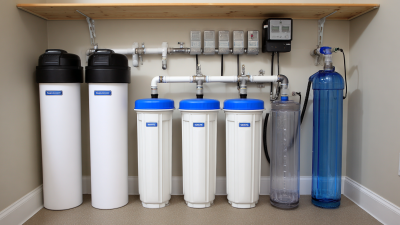
In recent years, the demand for clean drinking water has surged, prompting many households to consider an undersink water filter system as an effective solution. According to a report by the Water Quality Association, around 80% of American households are concerned about the contaminants in their drinking water, making water filtration systems increasingly essential. An undersink water filter system not only provides improved water quality but can also be a cost-effective long-term investment compared to buying bottled water.

Dr. Emily Carter, a leading expert in water treatment technologies, emphasizes the importance of choosing the right filtration system: "Selecting an undersink water filter system is crucial for ensuring that you and your family have access to safe and clean water. The right system can remove harmful pollutants, enhance taste, and contribute to overall health." With various options available, understanding what features to consider when selecting an undersink water filter system is vital to making an informed decision that meets your household's unique needs.

How to Choose the Best Undersink Water Filter System for Clean Drinking Water

Understanding the Importance of Clean Drinking Water for Health

Clean drinking water is essential for maintaining overall health and well-being. It plays a critical role in various bodily functions, including digestion, metabolism, and detoxification. Contaminated water can harbor harmful bacteria, viruses, and toxins, leading to severe health issues such as gastrointestinal infections and long-term chronic diseases. Therefore, ensuring access to purified drinking water should be a priority for every household.

When considering an undersink water filter system, it's crucial to understand the specific contaminants in your water supply. Regular water testing can help identify pollutants, guiding you in selecting the appropriate filtration technology. Keep in mind that different filters are designed to target different types of contaminants. For optimal health, choose a system that effectively removes impurities while retaining essential minerals.

Tips for selecting the right undersink water filter include checking for certification by trusted organizations that verify the performance and safety of water filtration systems. Additionally, consider the filter’s maintenance requirements and lifespan, as these factors can affect the ongoing cost and effectiveness of your system. Lastly, ensure that the filter's installation process aligns with your home's plumbing type to avoid complications during setup.

Key Contaminants Found in Tap Water and Their Impact on Health

Tap water is often considered safe, but numerous studies reveal that it can contain a variety of contaminants that may pose health risks. According to the Environmental Protection Agency (EPA), more than 80 contaminants can be commonly found in U.S. drinking water, ranging from microbial pathogens to heavy metals. For instance, lead, which can leach into water from old pipes, has been shown to affect the nervous system, particularly in young children, leading to developmental delays and learning difficulties.

Another significant concern is the presence of chlorine and its byproducts, which are used in water treatment processes to eliminate bacteria. However, research indicates that excessive exposure to these chemicals is linked to an increased risk of certain cancers, such as bladder cancer. Additionally, synthetic organic chemicals (SOCs) like pesticides and industrial solvents can also infiltrate water supplies, potentially disrupting endocrine functions and leading to reproductive issues. According to a report from the World Health Organization (WHO), long-term exposure to such contaminants can have severe health implications, underscoring the importance of choosing an effective undersink water filter system to ensure access to clean, safe drinking water.

Types of Undersink Water Filter Systems and Their Effectiveness

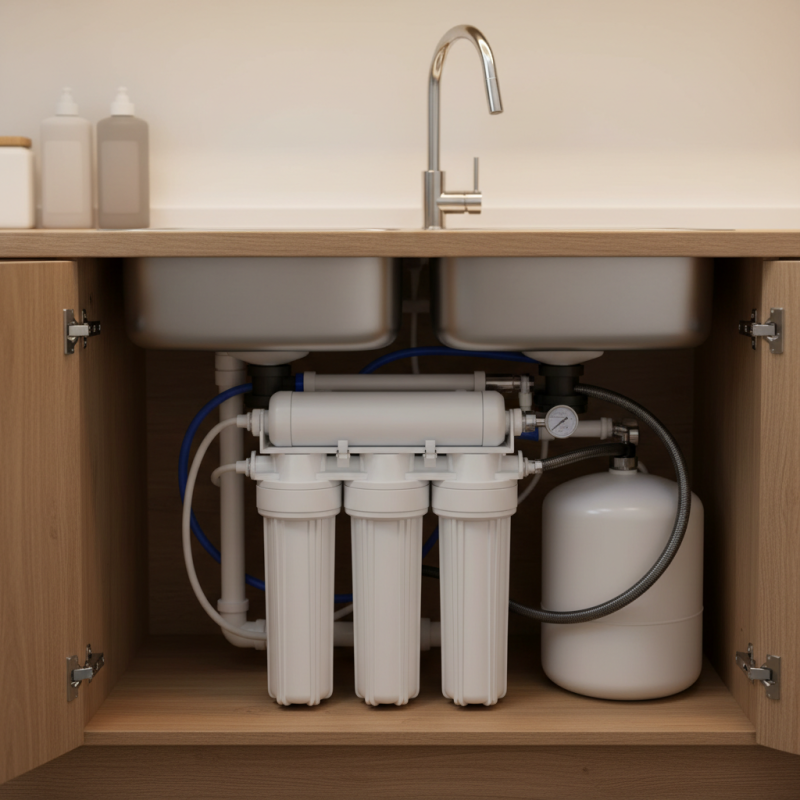
When selecting an undersink water filter system, understanding the different types available is crucial for ensuring clean drinking water. The most common types include activated carbon filters, reverse osmosis systems, and multi-stage filters. Activated carbon filters are effective in removing chlorine, sediment, and volatile organic compounds, which can significantly improve the taste and odor of the water. They are generally easy to install and maintain, making them a popular choice for households looking for a cost-effective purification solution.

Reverse osmosis systems, on the other hand, use a semi-permeable membrane to remove a broader range of contaminants, including heavy metals, salts, and certain bacteria. This type of filtration can provide exceptionally pure water, but it often requires additional storage and can waste some water in the process. Multi-stage filters combine various filtration methods to effectively target different contaminants—offering a comprehensive solution for those concerned about specific impurities in their water supply. By understanding these systems, consumers can make informed decisions based on their water quality needs and preferences.

How to Choose the Best Undersink Water Filter System for Clean Drinking Water

Filter Type Filtration Method Contaminants Removed Lifespan Cost Range
Carbon Filter Adsorption Chlorine, VOCs 6-12 months $50 - $150
Reverse Osmosis Membrane Filtration Lead, Nitrates 2-3 years $150 - $500
Ultraviolet (UV) Filter UV Light Bacteria, virus 1 year $75 - $200
Ceramic Filter Microfiltration Sediment, bacteria 1-2 years $30 - $100
Multistage Filter Combination of Methods Chlorine, heavy metals 6 months - 2 years $100 - $400

Evaluating Filter Lifespan and Cost-Effectiveness for Long-Term Use

How to Choose the Best Undersink Water Filter System for Clean Drinking Water

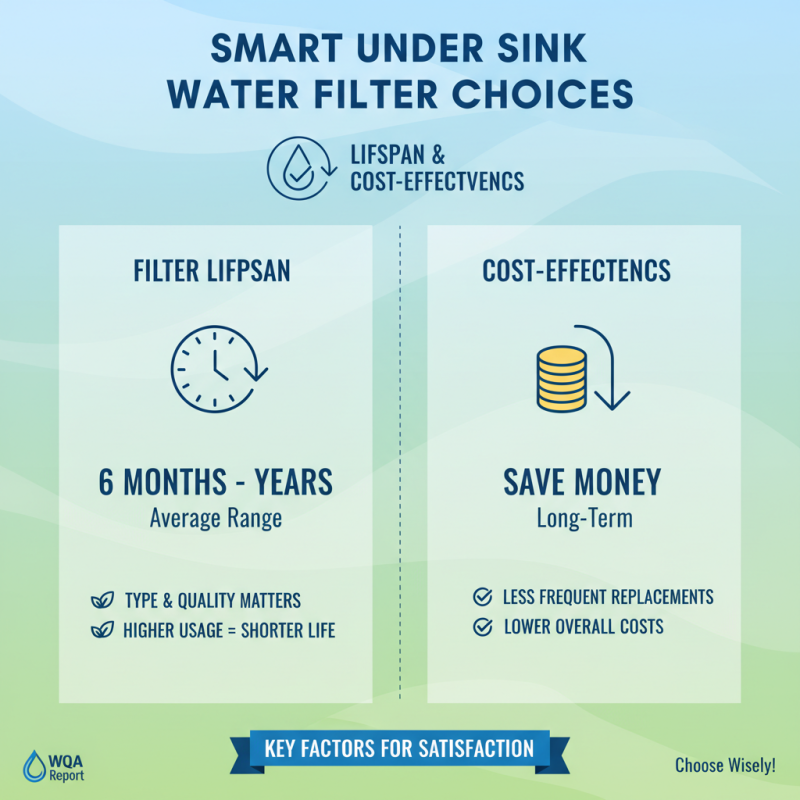
When selecting an undersink water filter system, the lifespan of the filters and cost-effectiveness are crucial factors that can significantly influence your long-term satisfaction and savings. According to a report by the Water Quality Association, the average lifespan of most undersink filters ranges from six months to two years, depending on the type and quality of the filter. For households with higher water usage or specific contaminant concerns, choosing a filter with a longer lifespan can reduce replacement frequency and overall costs.

Investing in a system that offers replaceable filters can also enhance cost-effectiveness. Many homeowners overlook the ongoing maintenance costs associated with replacing filters regularly. Research indicates that while some systems may have a lower upfront cost, they can require more frequent replacements — leading to higher total lifetime expenses. By comparing filter capacity, pricing, and expected lifespan, you can make informed decisions that support both budget and water quality needs.

Tips: Always check if the manufacturer provides a comprehensive guide on filter replacement schedules. Additionally, consider using filters that come with a moderate price point but boast a longer lifespan, as this can often lead to better overall savings in the long run. Lastly, read user reviews and industry reports to gauge real-life performance, ensuring you're investing wisely in your drinking water quality.

Certification Standards for Water Filters: Ensuring Product Reliability

How to Choose the Best Undersink Water Filter System for Clean Drinking Water

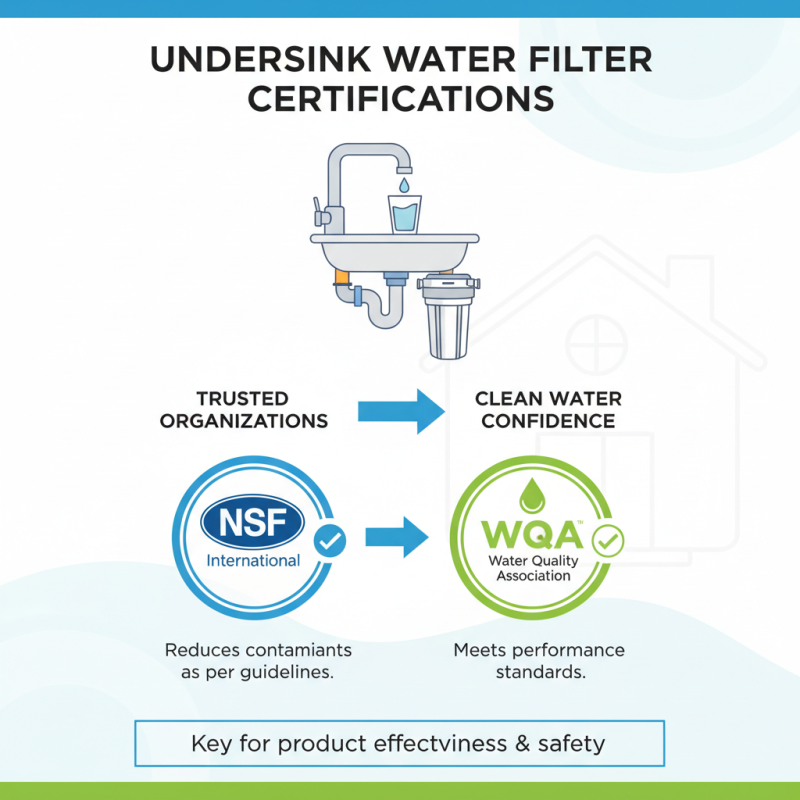
When selecting an undersink water filter system, understanding certification standards is crucial for ensuring the reliability and effectiveness of the product. Various organizations establish these standards, providing consumers with assurance that the filters have undergone thorough testing and meet specific performance criteria. Certifications from groups such as NSF International and the Water Quality Association (WQA) indicate that the filter can effectively reduce particular contaminants set forth in their guidelines. This level of certification helps consumers navigate the myriad of options available, allowing them to invest in products that truly enhance their drinking water quality.

Certification not only addresses the removal of harmful substances like chlorine, lead, and bacteria but also ensures the material safety of the filter itself. Products bearing certifications confirm that they are made from non-toxic materials and that there will be no adverse effects on water quality. This is particularly important for families looking to provide safe drinking water for their children or individuals with health concerns. Thus, when evaluating options for an undersink water filter, checking for recognized certifications can empower consumers to make informed decisions about the reliability and safety of their water filtration systems.