Contaminant Comparison Chart

For a complete list of contaminants that PUR filters reduce, please view our Performance Data Sheets here.


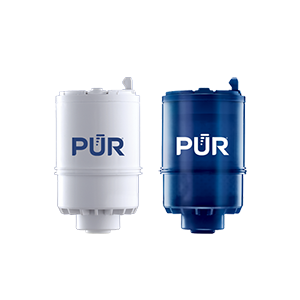
PUR & PUR PLUS FAUCET FILTERS
RF3375/RF9999

View Filters

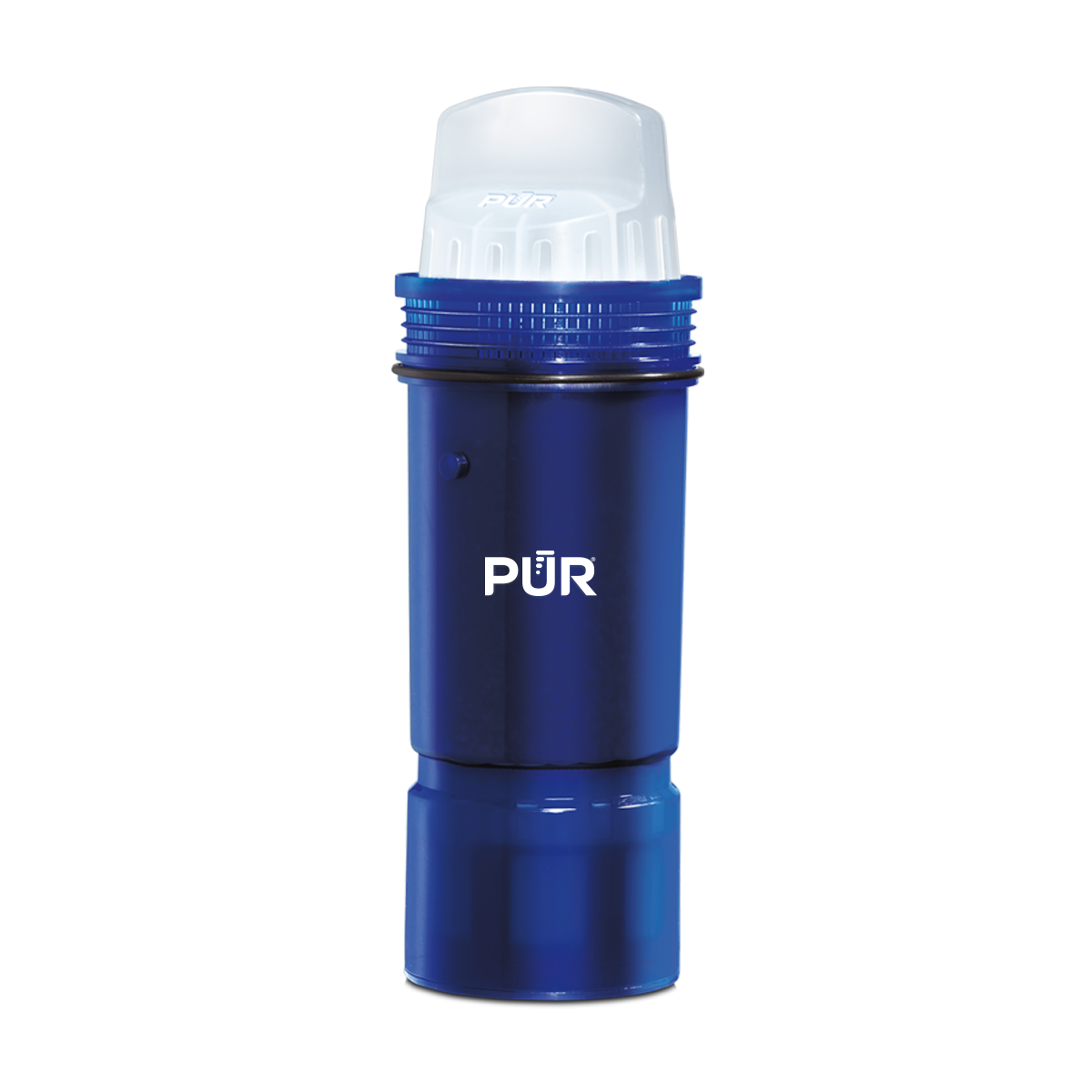
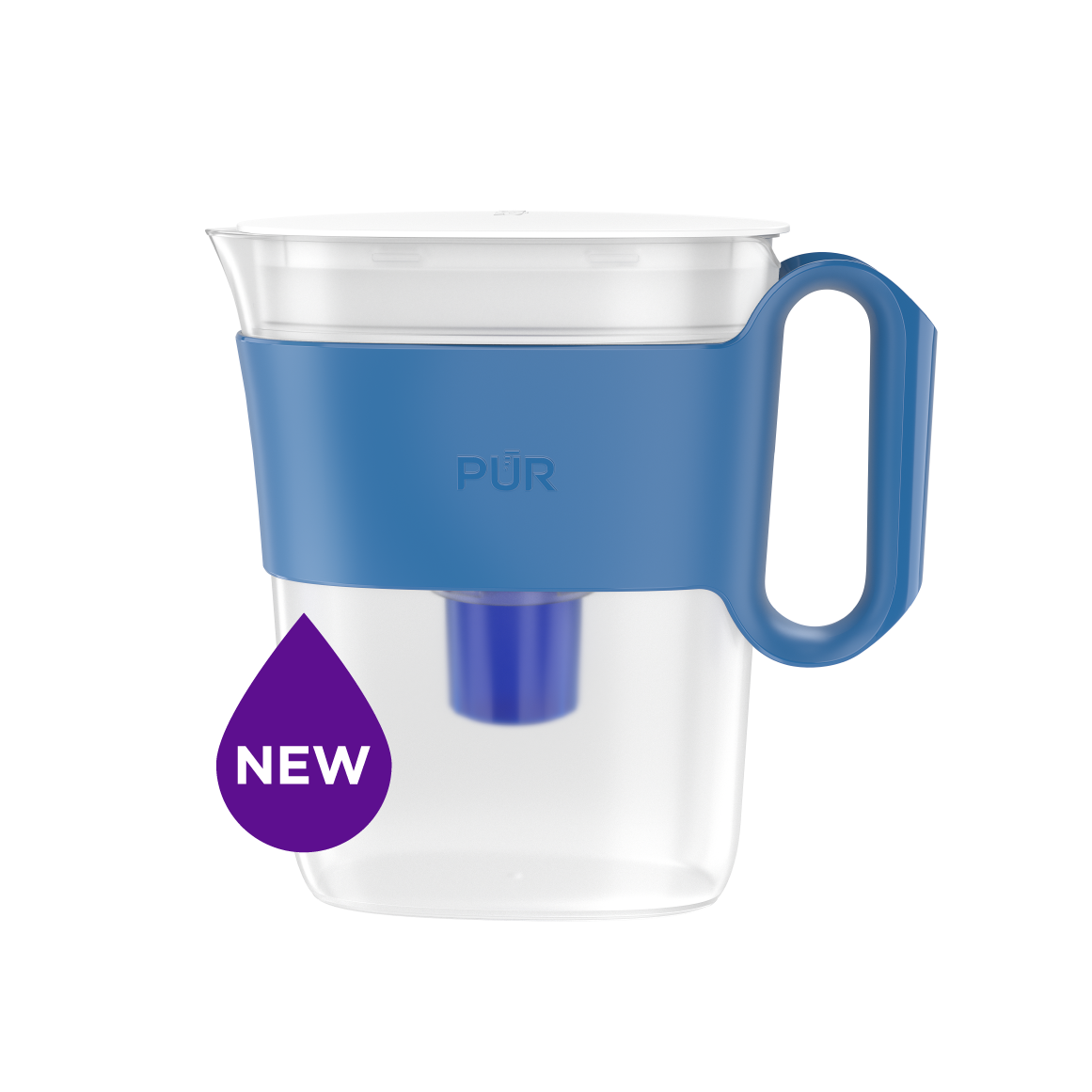
PUR PLUS PITCHER FILTERS
PPF951K

View Filter

PUR BASIC PITCHER FILTERS
PPF900Z

View Filter


Vs. Brita*

Lead
Microplastics
Mercury
Chlorine Taste & Odor
DEET
TTHM

PUR’s Filtration Systems Are Certified By NSF And WQA For Their Contamination Reduction. WQA certifications as of 5/27/21 for Faucet filter models RF-3375 and RF-9999.

¹ Certified to reduce 10X more chemical and physical substances than Brita’s® leading pitcher filter.
² Certified to reduce 3X more chemical and physical substances than Brita’s® leading pitcher filter.
³ Certified to reduce 2X more chemical and physical substances than Brita’s® leading pitcher filter.
*Versus best-selling Brita® pitcher filter OB03. Brita® is a trademark of Brita LP.
**Like other leading brands, PUR does not filter microbes. As of 3/1/23 Brita® and ZeroWater® were not certified to filter microbes. Brita® is a trademark of Brita LP. ZeroWater® is a trademark of Zero Technologies, LLC..
 

PUR & PUR PLUS FAUCET FILTERS


PUR & PUR PLUS FAUCET FILTERS
RF3375/RF9999

View Filters


Vs. Brita*

Lead
Microplastics
Mercury
Chlorine Taste & Odor
DEET
TTHM

PUR’s Filtration Systems Are Certified By NSF And WQA For Their Contamination Reduction. WQA certifications as of 5/27/21 for Faucet filter models RF-3375 and RF-9999.

¹ Certified to reduce 10X more chemical and physical substances than Brita’s® leading pitcher filter.
² Certified to reduce 3X more chemical and physical substances than Brita’s® leading pitcher filter.
³ Certified to reduce 2X more chemical and physical substances than Brita’s® leading pitcher filter.
*Versus best-selling Brita® pitcher filter OB03. Brita® is a trademark of Brita LP.
**Like other leading brands, PUR does not filter microbes. As of 3/1/23 Brita® and ZeroWater® were not certified to filter microbes. Brita® is a trademark of Brita LP. ZeroWater® is a trademark of Zero Technologies, LLC..


PUR PLUS PITCHER FILTERS


PUR PLUS PITCHER FILTERS
PPF951K

View Filter


Vs. Brita*

Lead
Microplastics
Mercury
Chlorine Taste & Odor
DEET
TTHM

PUR’s Filtration Systems Are Certified By NSF And WQA For Their Contamination Reduction. WQA certifications as of 5/27/21 for Faucet filter models RF-3375 and RF-9999.

¹ Certified to reduce 10X more chemical and physical substances than Brita’s® leading pitcher filter.
² Certified to reduce 3X more chemical and physical substances than Brita’s® leading pitcher filter.
³ Certified to reduce 2X more chemical and physical substances than Brita’s® leading pitcher filter.
*Versus best-selling Brita® pitcher filter OB03. Brita® is a trademark of Brita LP.
**Like other leading brands, PUR does not filter microbes. As of 3/1/23 Brita® and ZeroWater® were not certified to filter microbes. Brita® is a trademark of Brita LP. ZeroWater® is a trademark of Zero Technologies, LLC..


PUR BASIC PITCHER FILTERS


PUR BASIC PITCHER FILTERS
PPF900Z

View Filter


Vs. Brita*

Lead
Microplastics
Mercury
Chlorine Taste & Odor
DEET
TTHM

PUR’s Filtration Systems Are Certified By NSF And WQA For Their Contamination Reduction. WQA certifications as of 5/27/21 for Faucet filter models RF-3375 and RF-9999.

¹ Certified to reduce 10X more chemical and physical substances than Brita’s® leading pitcher filter.
² Certified to reduce 3X more chemical and physical substances than Brita’s® leading pitcher filter.
³ Certified to reduce 2X more chemical and physical substances than Brita’s® leading pitcher filter.
*Versus best-selling Brita® pitcher filter OB03. Brita® is a trademark of Brita LP.
**Like other leading brands, PUR does not filter microbes. As of 3/1/23 Brita® and ZeroWater® were not certified to filter microbes. Brita® is a trademark of Brita LP. ZeroWater® is a trademark of Zero Technologies, LLC..


How to Choose the Best Waterproof Cable Sleeve for Your Needs?

Choosing the right Waterproof Cable Sleeve can significantly impact your projects. From electronics to outdoor applications, the choice matters. A well-suited sleeve not only protects cables but also enhances durability.

Different environments pose unique challenges. For instance, outdoor cables need to resist moisture and UV rays. A high-quality Waterproof Cable Sleeve offers reliability in such conditions. However, not all sleeves are equal.

It’s essential to consider material, size, and insulation properties. You may find it difficult to choose the right type. Comparisons can be tricky, but that’s part of the learning process. Reflecting on past experiences can guide your decision.

How to Choose the Best Waterproof Cable Sleeve for Your Needs?

Understanding the Importance of Waterproof Cable Sleeves

Waterproof cable sleeves are essential for protecting cables from moisture and environmental damage. They serve as a barrier against water, which can cause short circuits and degrade performance. Choosing the right sleeve can make a significant difference in durability. Many users overlook this aspect, leading to frequent replacements and potential hazards.

Quality waterproof sleeves should fit securely around cables. An ideal sleeve prevents water ingress effectively while allowing flexibility. Additionally, heat resistance is vital. Cables often generate heat, and inadequate protection can lead to failure. Users should consider various materials available in the market. Some offer better insulation, while others may degrade quickly under extreme conditions.

Reflecting on personal experiences, users realize the crucial role these sleeves play. Those who ignored waterproofing often ended up with malfunctioning equipment. It’s easy to underestimate the importance of these elements. Conducting thorough research can help ensure that a suitable waterproof sleeve is chosen. It’s not just about initial costs; it's about long-term protection and reliability.

Identifying Your Specific Cable Protection Needs

When selecting a waterproof cable sleeve, understanding your specific needs is crucial. Different environments pose distinct challenges. For instance, outdoor settings often deal with moisture and UV exposure. Similarly, marine environments require extra durability. Identifying these factors can help you choose the right sleeve material and design.

Consider how the cables will be used. Will they be stationary or subject to movement? Cables that bend frequently need more flexibility in their sleeve. Also, think about the installation process. Some sleeves are easier to apply than others. A complicated installation can lead to errors, creating vulnerabilities.

Lastly, assess your aesthetic preferences. A functional sleeve might not be visually appealing. It could clash with your designs or color schemes. While performance is essential, visual coherence shouldn’t be compromised entirely. Balancing practicality with aesthetics is part of the process. Recognizing these elements can significantly impact your final choice.

How to Choose the Best Waterproof Cable Sleeve for Your Needs?

This chart represents the percentage of users' preference for different types of waterproof cable sleeves based on their specific protection needs.

Evaluating Different Materials for Waterproof Cable Sleeves

When choosing a waterproof cable sleeve, understanding the materials is crucial. Different materials offer various benefits and drawbacks. Polyethylene is lightweight and resistant to moisture. However, it may not withstand extreme temperatures. Research shows that polyethylene can degrade under UV light, limiting its outdoor use.

On the other hand, neoprene is another popular option. It provides excellent waterproofing and is resistant to a range of chemicals. According to a report from the International Cable Protection Committee, neoprene sleeves can perform well in marine environments. However, they may be thicker and heavier, making installation more challenging.

Advanced options like silicone sleeves offer flexibility and a wide temperature range. They are suitable for harsh conditions. But their cost can be higher compared to other materials. Always consider the specific application before making a choice. A mismatch can lead to performance issues or premature failure.

Comparing Sizes and Lengths for Optimal Fit

When selecting a waterproof cable sleeve, size and length are crucial factors. A well-fitting sleeve can protect your cables from moisture and damage. Measure your cables before making a decision. Too tight a fit can strain the cables, while too loose a fit can lead to inadequate protection.

Tips: Always account for the thickness of your cables. A sleeve that is too narrow won't provide the necessary coverage. Consider the length based on your installation needs. Extra length can be beneficial, but excess material can create messy arrangements.

Choosing the right size is sometimes tricky. Forgetting to measure properly can lead to wasted money and effort. Reflect on the environment where the cables will be used. For outdoor applications, a bit of extra length might be necessary for better coverage against the elements. Notice how cables interact with each other within the sleeve. Each cable type may require a slightly different approach to ensure maximum efficacy.

Exploring Installation Techniques for Waterproof Cable Sleeves

When choosing a waterproof cable sleeve, installation plays a significant role. Proper techniques ensure longevity and efficiency. It's crucial to prepare the cables to avoid damage. Start by cleaning the cables to remove dirt and moisture. This will help the sleeve adhere better and protect the cables more effectively.

Tips for installation: Measure accurately. An ill-fitting sleeve can lead to exposed cables. Make sure to cut the sleeve to the desired length. Avoid over-expanding the sleeve, as this can compromise its waterproof qualities. Consider using heat-shrink tubing at the ends for an additional layer of protection. This small step can prevent water ingress.

Pay attention to the environment where the cables will be used. Ensure that the sleeve's material is compatible with the specific conditions. Sometimes, using a thicker sleeve offers better protection, but it may be hard to install. Reflect on whether the benefits justify this choice. Installation should balance ease and efficiency, considering potential future maintenance challenges.

How to Choose the Best Waterproof Cable Sleeve for Your Needs?

Feature Description Installation Technique Ideal Use Case
Material Flexible and UV resistant materials Cut to size, slide on Outdoor wiring
Waterproof Rating IP68 rating Heat shrinking Underwater applications
Temperature Resistance -40°C to 125°C Use of heat tools Extreme weather conditions
Size Options Various diameters available Select appropriate diameter Multiple cable installations
Color Options Variety of colors for identification Paint or label after installation Color-coded systems