Contaminant Comparison Chart

For a complete list of contaminants that PUR filters reduce, please view our Performance Data Sheets here.


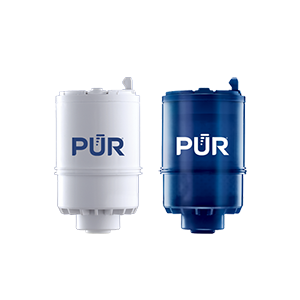
PUR & PUR PLUS FAUCET FILTERS
RF3375/RF9999

View Filters

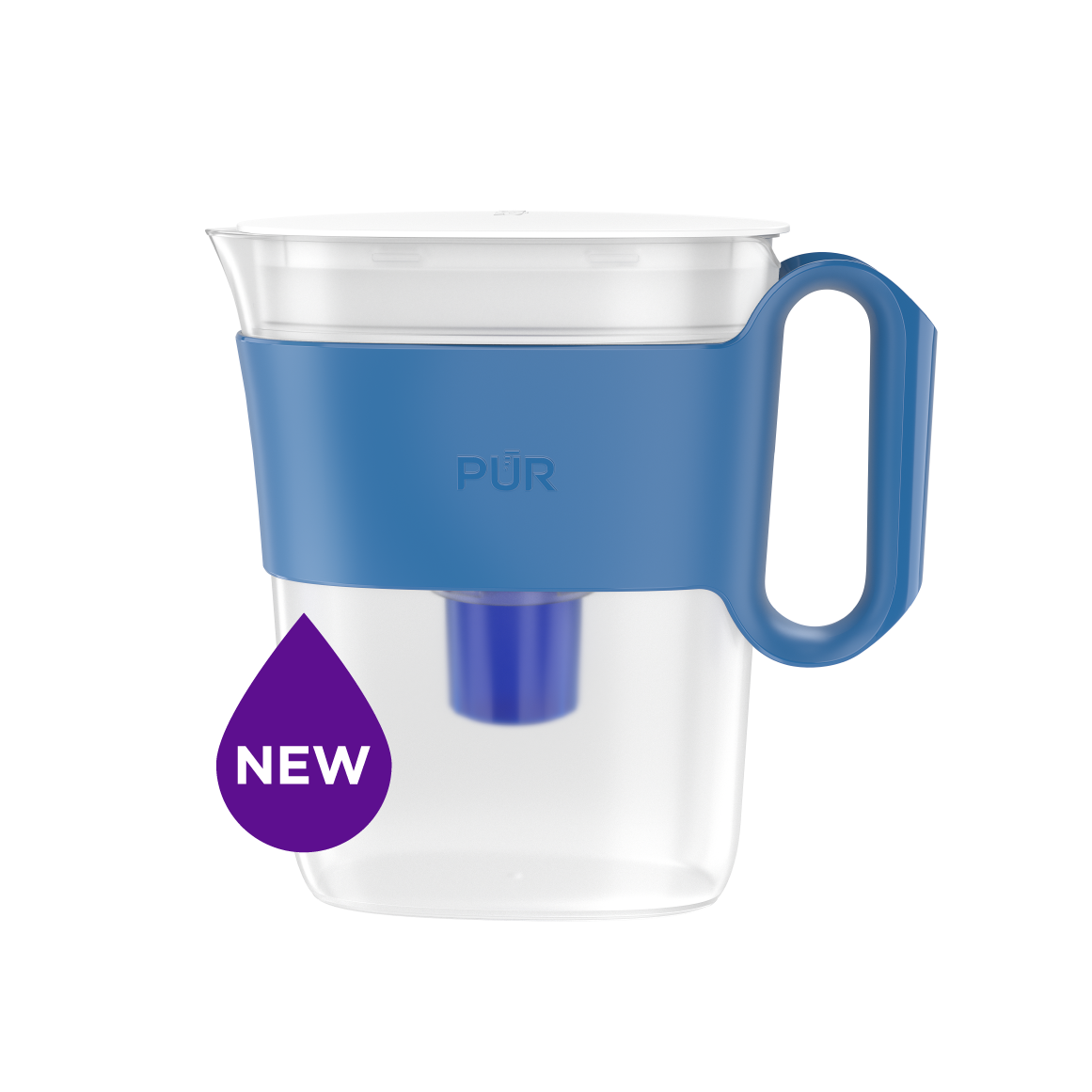
PUR PLUS PITCHER FILTERS
PPF951K

View Filter

PUR BASIC PITCHER FILTERS
PPF900Z

View Filter


Vs. Brita*

Lead
Microplastics
Mercury
Chlorine Taste & Odor
DEET
TTHM

PUR’s Filtration Systems Are Certified By NSF And WQA For Their Contamination Reduction. WQA certifications as of 5/27/21 for Faucet filter models RF-3375 and RF-9999.

¹ Certified to reduce 10X more chemical and physical substances than Brita’s® leading pitcher filter.
² Certified to reduce 3X more chemical and physical substances than Brita’s® leading pitcher filter.
³ Certified to reduce 2X more chemical and physical substances than Brita’s® leading pitcher filter.
*Versus best-selling Brita® pitcher filter OB03. Brita® is a trademark of Brita LP.
**Like other leading brands, PUR does not filter microbes. As of 3/1/23 Brita® and ZeroWater® were not certified to filter microbes. Brita® is a trademark of Brita LP. ZeroWater® is a trademark of Zero Technologies, LLC..
 

PUR & PUR PLUS FAUCET FILTERS


PUR & PUR PLUS FAUCET FILTERS
RF3375/RF9999

View Filters


Vs. Brita*

Lead
Microplastics
Mercury
Chlorine Taste & Odor
DEET
TTHM

PUR’s Filtration Systems Are Certified By NSF And WQA For Their Contamination Reduction. WQA certifications as of 5/27/21 for Faucet filter models RF-3375 and RF-9999.

¹ Certified to reduce 10X more chemical and physical substances than Brita’s® leading pitcher filter.
² Certified to reduce 3X more chemical and physical substances than Brita’s® leading pitcher filter.
³ Certified to reduce 2X more chemical and physical substances than Brita’s® leading pitcher filter.
*Versus best-selling Brita® pitcher filter OB03. Brita® is a trademark of Brita LP.
**Like other leading brands, PUR does not filter microbes. As of 3/1/23 Brita® and ZeroWater® were not certified to filter microbes. Brita® is a trademark of Brita LP. ZeroWater® is a trademark of Zero Technologies, LLC..
 

PUR PLUS PITCHER FILTERS


PUR PLUS PITCHER FILTERS
PPF951K

View Filter


Vs. Brita*

Lead
Microplastics
Mercury
Chlorine Taste & Odor
DEET
TTHM

PUR’s Filtration Systems Are Certified By NSF And WQA For Their Contamination Reduction. WQA certifications as of 5/27/21 for Faucet filter models RF-3375 and RF-9999.

¹ Certified to reduce 10X more chemical and physical substances than Brita’s® leading pitcher filter.
² Certified to reduce 3X more chemical and physical substances than Brita’s® leading pitcher filter.
³ Certified to reduce 2X more chemical and physical substances than Brita’s® leading pitcher filter.
*Versus best-selling Brita® pitcher filter OB03. Brita® is a trademark of Brita LP.
**Like other leading brands, PUR does not filter microbes. As of 3/1/23 Brita® and ZeroWater® were not certified to filter microbes. Brita® is a trademark of Brita LP. ZeroWater® is a trademark of Zero Technologies, LLC..

 

PUR BASIC PITCHER FILTERS


PUR BASIC PITCHER FILTERS
PPF900Z

View Filter


Vs. Brita*

Lead
Microplastics
Mercury
Chlorine Taste & Odor
DEET
TTHM

PUR’s Filtration Systems Are Certified By NSF And WQA For Their Contamination Reduction. WQA certifications as of 5/27/21 for Faucet filter models RF-3375 and RF-9999.

¹ Certified to reduce 10X more chemical and physical substances than Brita’s® leading pitcher filter.
² Certified to reduce 3X more chemical and physical substances than Brita’s® leading pitcher filter.
³ Certified to reduce 2X more chemical and physical substances than Brita’s® leading pitcher filter.
*Versus best-selling Brita® pitcher filter OB03. Brita® is a trademark of Brita LP.
**Like other leading brands, PUR does not filter microbes. As of 3/1/23 Brita® and ZeroWater® were not certified to filter microbes. Brita® is a trademark of Brita LP. ZeroWater® is a trademark of Zero Technologies, LLC..
 

How to Choose the Best Filtered Water Dispenser for Your Home?

Choosing the best filtered water dispenser for your home can be a daunting task. Experts emphasize the importance of considering several factors. John Smith, a leading authority in home water solutions, states, “A good filtered water dispenser not only improves taste but also enhances your health.”

When selecting a filtered water dispenser, think about the features you need. Consider the size, filtration technology, and design. It’s crucial to know that not all dispensers are created equal. Some may not effectively remove contaminants.

You might find the perfect model, yet it may lack user-friendly features. Performance and aesthetics must align with your home's needs. Reflecting on your lifestyle can guide your choice. A well-chosen filtered water dispenser can make a significant difference in daily hydration.

How to Choose the Best Filtered Water Dispenser for Your Home?

Understanding Different Types of Filtered Water Dispensers Available

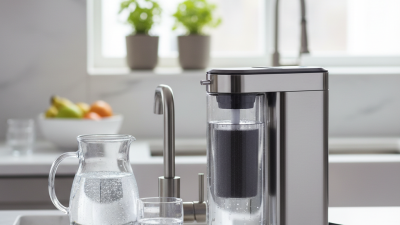
When choosing a filtered water dispenser, understanding the different types available is crucial. There are countertop units, under-sink systems, and pitcher filters. Each has its pros and cons. Countertop dispensers are easy to install but can take up space. Under-sink systems save counter space but require more effort to install.

Tips for selecting a dispenser include considering your water needs. Do you drink a lot of water? A larger capacity might be better. Also, think about the filtration method. Carbon filters are common but may not remove all contaminants. Reverse osmosis systems are effective but waste more water. This might not be ideal for everyone.

Look for features like a water temperature control option. A hot and cold function can be convenient. Regular maintenance is essential, too. Filters need replacement, or you risk poor water quality. It's important to find a balance between convenience and cost. Reflect on your lifestyle and usage patterns to make the best choice for your home.

Evaluating Filtration Methods: Carbon, Reverse Osmosis, and UV Technology

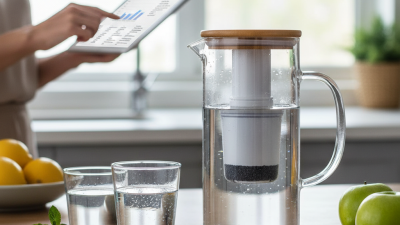
When choosing a filtered water dispenser for your home, consider the filtration method. Carbon filters are common. They effectively remove chlorine and improve taste. These filters require regular replacement for optimal performance. Make sure to check when the filter was last replaced.

Reverse osmosis is another method. This process removes a wide range of contaminants, including heavy metals and bacteria. However, it can waste water during filtration. If your household has a lot of water usage, this might not be the best choice. It’s also essential to check water pressure, as low pressure affects efficiency.

UV technology is an excellent option for disinfection. It uses ultraviolet light to kill bacteria and viruses. This method doesn't alter water taste. However, it only works when the water is already relatively clean. If your water has heavy sediment, pre-filtration will be necessary.

Tips: Regular maintenance is key. Check filters often. Replace them as needed. Keep a water quality test kit handy. This way, you can monitor any changes in taste or clarity. Trust your senses. If the water doesn't taste right, re-evaluate your filtration system.

Water Filtration Methods Comparison

This chart illustrates the effectiveness of different water filtration methods. Carbon filters provide a good level of purification, while Reverse Osmosis (RO) technology offers the highest effectiveness. UV technology also contributes significantly to water safety.

Key Features to Look for in a Filtered Water Dispenser for Home Use

When selecting a filtered water dispenser, consider several key features. Start with the filtration system. Look for options that reduce contaminants effectively. Some units use multi-stage filters for better results. This is essential for ensuring safe drinking water. A good filter can remove chlorine, lead, and other harmful substances.

Another important feature is capacity. A larger dispenser may be necessary if you have a big family. However, it should fit well in your kitchen. Check the size and design to ensure it complements your space. Easy refill options are also valuable. Some devices can be filled from your sink, while others require manual filling.

Lastly, consider maintenance needs. Filters need regular replacement, and some dispensers have alerts for this. A unit that is hard to clean can become a hassle. If you're diligent about upkeep, water quality improves significantly. Reflect on your lifestyle. Make sure the dispenser aligns with your daily routines.

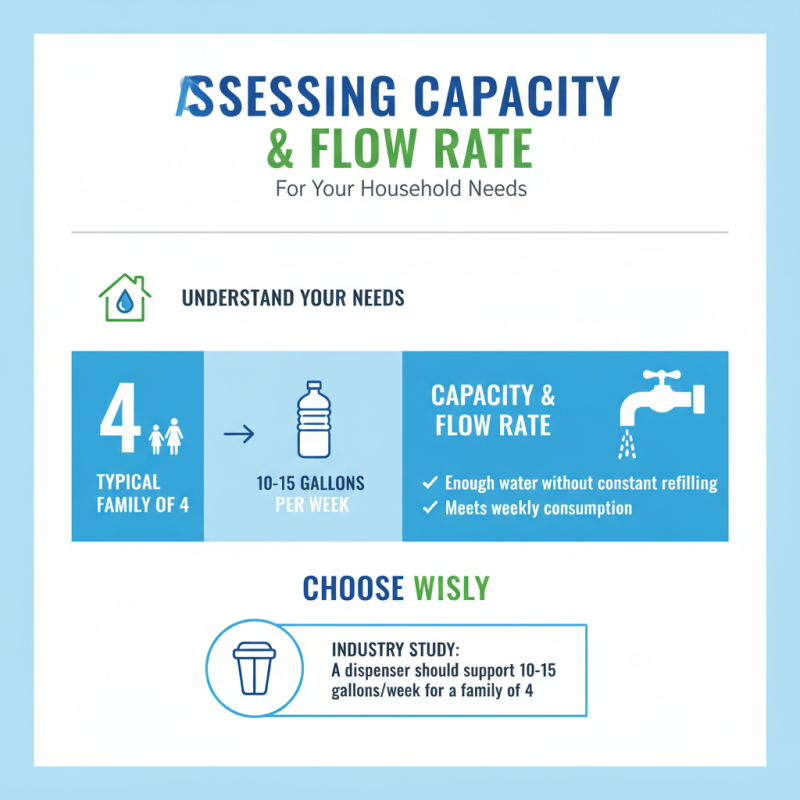
Assessing Capacity and Flow Rate for Your Household Needs

How to Choose the Best Filtered Water Dispenser for Your Home?

Choosing a filtered water dispenser involves understanding your household's capacity and flow rate needs. Each family's requirements can vary significantly, making this assessment essential. According to industry studies, a typical family of four consumes around 10-15 gallons of drinking water weekly. Your dispenser should support this usage without constant refilling.

Flow rate is another critical factor. Most dispensers offer rates between 0.5 to 2 gallons per minute. A slower flow can be frustrating, especially when multiple people need water simultaneously. Imagine waiting at a crowded water station. It’s often maddening. An optimal flow rate can enhance convenience and ensure everyone stays hydrated.

Consider also your kitchen space. A bulkier dispenser might offer higher capacity but could overwhelm small areas. Reports suggest convenience trumps size for many households. Reflecting on your specific needs can lead to better satisfaction. Ultimately, the ideal dispenser is one that fits seamlessly into your lifestyle while meeting your family’s hydration needs.

Maintenance and Cost Considerations for Filtered Water Dispensers

When selecting a filtered water dispenser, consider the ongoing maintenance costs. Replacing filters regularly is essential. Many dispensers require new filters every six months. This recurring expense can add up over time. A lower initial price may lead to higher costs later.

Think about the type of filters available. Some filters target specific contaminants. Others may be more general. Be sure to check what your local water supply needs. The right filter can polish the taste of your water, but it may also mean more frequent changes. If the filters are difficult to find, it can cause frustration when they need replacing.

Monitoring the condition of the dispenser is crucial too. Regular cleaning prevents mold and bacteria buildup. Neglecting maintenance can lead to poor water quality. Some dispensers may be less user-friendly, making cleaning a chore. Choosing a model that balances efficiency with ease of upkeep can save headaches in the long run. Is the effort worth the convenience? That’s a question each homeowner needs to consider.

How to Choose the Best Filtered Water Dispenser for Your Home? - Maintenance and Cost Considerations for Filtered Water Dispensers

Feature Description Cost (USD) Maintenance Frequency
Filtration Type Carbon filter, reverse osmosis, UV purification $50 - $500 (initial cost) Every 6 - 12 months
Capacity From 1 to 5 gallons $30 - $150 Depends on usage
Portability Countertop vs. freestanding $20 - $200 N/A
Energy Efficiency Energy Star rated appliances $0 - $50 (ongoing cost) Monthly check
Filter Replacement Cost Cost of buying new filters $20 - $100 per year Every 6 - 12 months