Contaminant Comparison Chart

For a complete list of contaminants that PUR filters reduce, please view our Performance Data Sheets here.


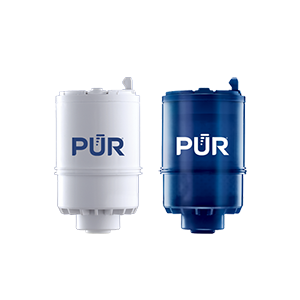
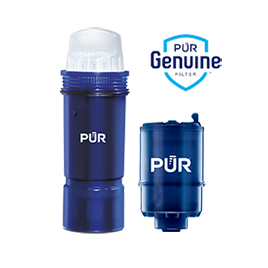
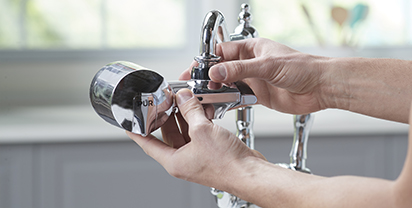
PUR & PUR PLUS FAUCET FILTERS
RF3375/RF9999

View Filters

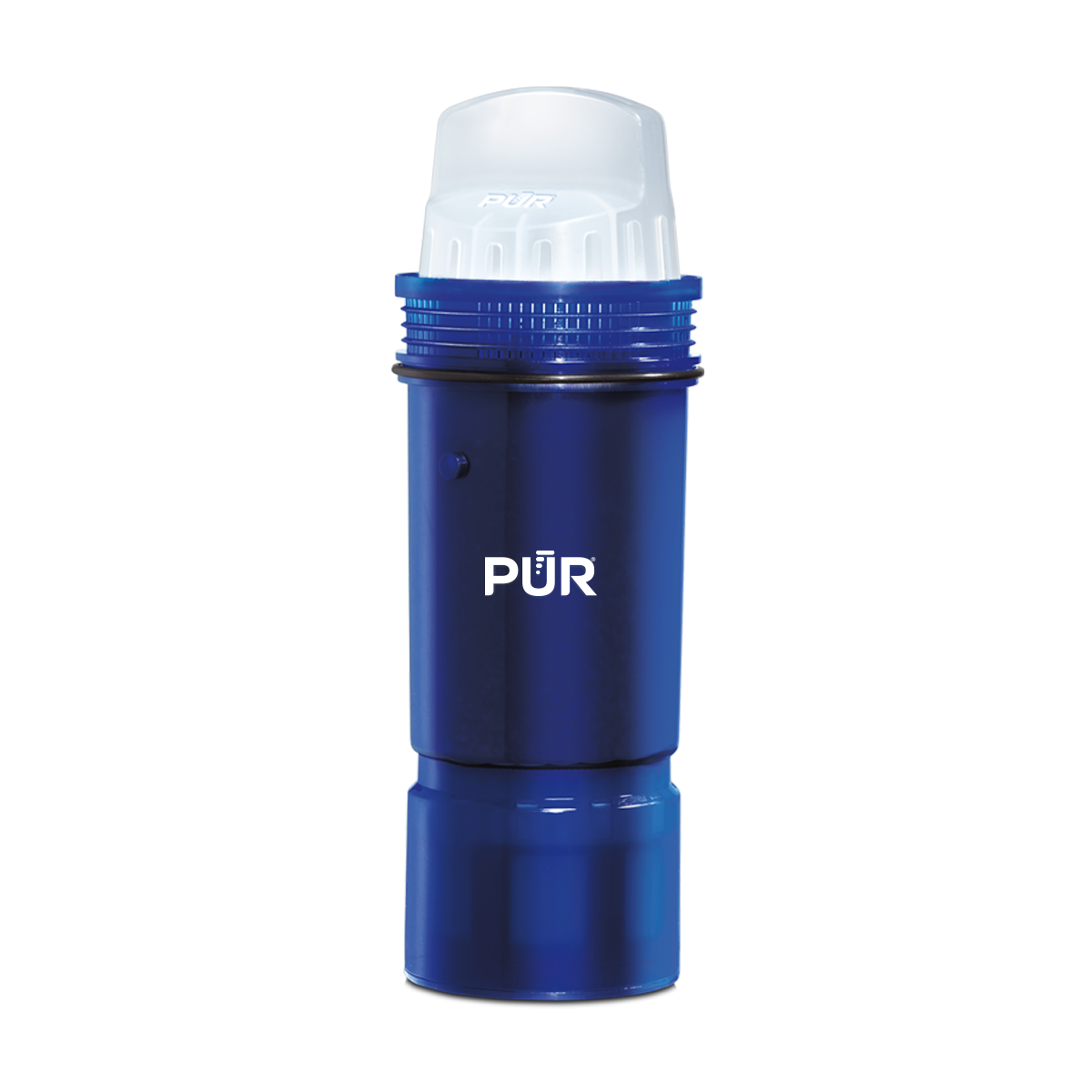
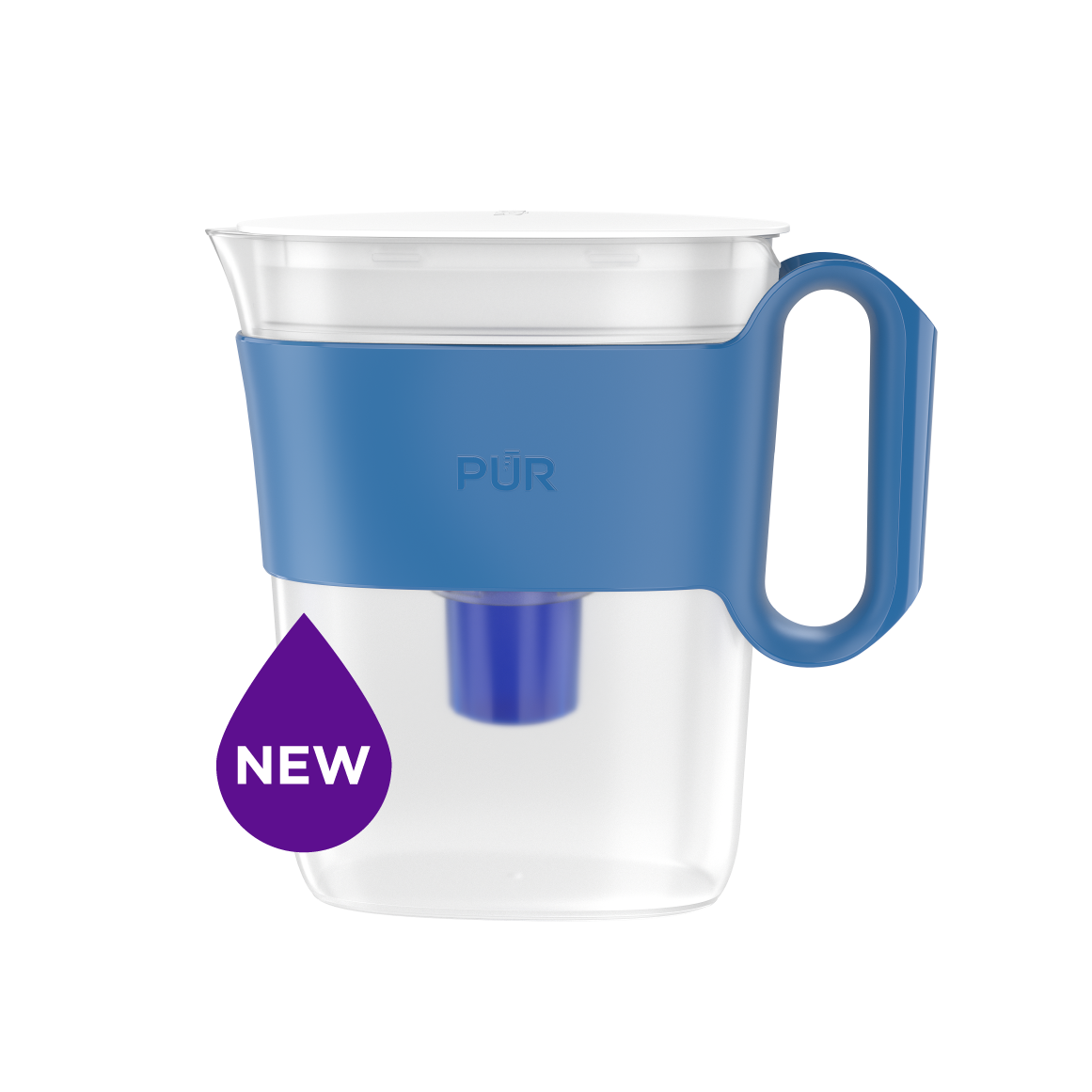
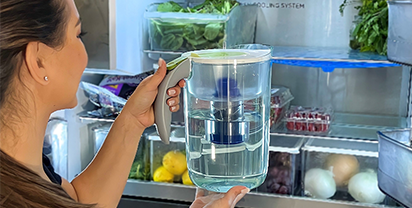
PUR PLUS PITCHER FILTERS
PPF951K

View Filter

PUR BASIC PITCHER FILTERS
PPF900Z

View Filter


Vs. Brita*

Lead
Microplastics
Mercury
Chlorine Taste & Odor
DEET
TTHM

PUR’s Filtration Systems Are Certified By NSF And WQA For Their Contamination Reduction. WQA certifications as of 5/27/21 for Faucet filter models RF-3375 and RF-9999.

¹ Certified to reduce 10X more chemical and physical substances than Brita’s® leading pitcher filter.
² Certified to reduce 3X more chemical and physical substances than Brita’s® leading pitcher filter.
³ Certified to reduce 2X more chemical and physical substances than Brita’s® leading pitcher filter.
*Versus best-selling Brita® pitcher filter OB03. Brita® is a trademark of Brita LP.
**Like other leading brands, PUR does not filter microbes. As of 3/1/23 Brita® and ZeroWater® were not certified to filter microbes. Brita® is a trademark of Brita LP. ZeroWater® is a trademark of Zero Technologies, LLC..
 

PUR & PUR PLUS FAUCET FILTERS


PUR & PUR PLUS FAUCET FILTERS
RF3375/RF9999

View Filters


Vs. Brita*

Lead
Microplastics
Mercury
Chlorine Taste & Odor
DEET
TTHM

PUR’s Filtration Systems Are Certified By NSF And WQA For Their Contamination Reduction. WQA certifications as of 5/27/21 for Faucet filter models RF-3375 and RF-9999.

¹ Certified to reduce 10X more chemical and physical substances than Brita’s® leading pitcher filter.
² Certified to reduce 3X more chemical and physical substances than Brita’s® leading pitcher filter.
³ Certified to reduce 2X more chemical and physical substances than Brita’s® leading pitcher filter.
*Versus best-selling Brita® pitcher filter OB03. Brita® is a trademark of Brita LP.
**Like other leading brands, PUR does not filter microbes. As of 3/1/23 Brita® and ZeroWater® were not certified to filter microbes. Brita® is a trademark of Brita LP. ZeroWater® is a trademark of Zero Technologies, LLC..
 

PUR PLUS PITCHER FILTERS


PUR PLUS PITCHER FILTERS
PPF951K

View Filter


Vs. Brita*

Lead
Microplastics
Mercury
Chlorine Taste & Odor
DEET
TTHM

PUR’s Filtration Systems Are Certified By NSF And WQA For Their Contamination Reduction. WQA certifications as of 5/27/21 for Faucet filter models RF-3375 and RF-9999.

¹ Certified to reduce 10X more chemical and physical substances than Brita’s® leading pitcher filter.
² Certified to reduce 3X more chemical and physical substances than Brita’s® leading pitcher filter.
³ Certified to reduce 2X more chemical and physical substances than Brita’s® leading pitcher filter.
*Versus best-selling Brita® pitcher filter OB03. Brita® is a trademark of Brita LP.
**Like other leading brands, PUR does not filter microbes. As of 3/1/23 Brita® and ZeroWater® were not certified to filter microbes. Brita® is a trademark of Brita LP. ZeroWater® is a trademark of Zero Technologies, LLC..
 

PUR BASIC PITCHER FILTERS


PUR BASIC PITCHER FILTERS
PPF900Z

View Filter


Vs. Brita*

Lead
Microplastics
Mercury
Chlorine Taste & Odor
DEET
TTHM

PUR’s Filtration Systems Are Certified By NSF And WQA For Their Contamination Reduction. WQA certifications as of 5/27/21 for Faucet filter models RF-3375 and RF-9999.

¹ Certified to reduce 10X more chemical and physical substances than Brita’s® leading pitcher filter.
² Certified to reduce 3X more chemical and physical substances than Brita’s® leading pitcher filter.
³ Certified to reduce 2X more chemical and physical substances than Brita’s® leading pitcher filter.
*Versus best-selling Brita® pitcher filter OB03. Brita® is a trademark of Brita LP.
**Like other leading brands, PUR does not filter microbes. As of 3/1/23 Brita® and ZeroWater® were not certified to filter microbes. Brita® is a trademark of Brita LP. ZeroWater® is a trademark of Zero Technologies, LLC..
 

How to Choose the Best Water Purifier for Sink in Your Kitchen?

Choosing the right water purifier for sink is crucial for your health. According to the World Health Organization, over 2 billion people lack access to safe drinking water. This statistic underscores the importance of effective water purification systems in homes.

Modern water purifiers vary in technology and efficiency. Some use activated charcoal, while others employ reverse osmosis. A report by the Environmental Protection Agency highlights that contaminants can include lead, chlorine, and bacteria. These pollutants affect taste and pose health risks.

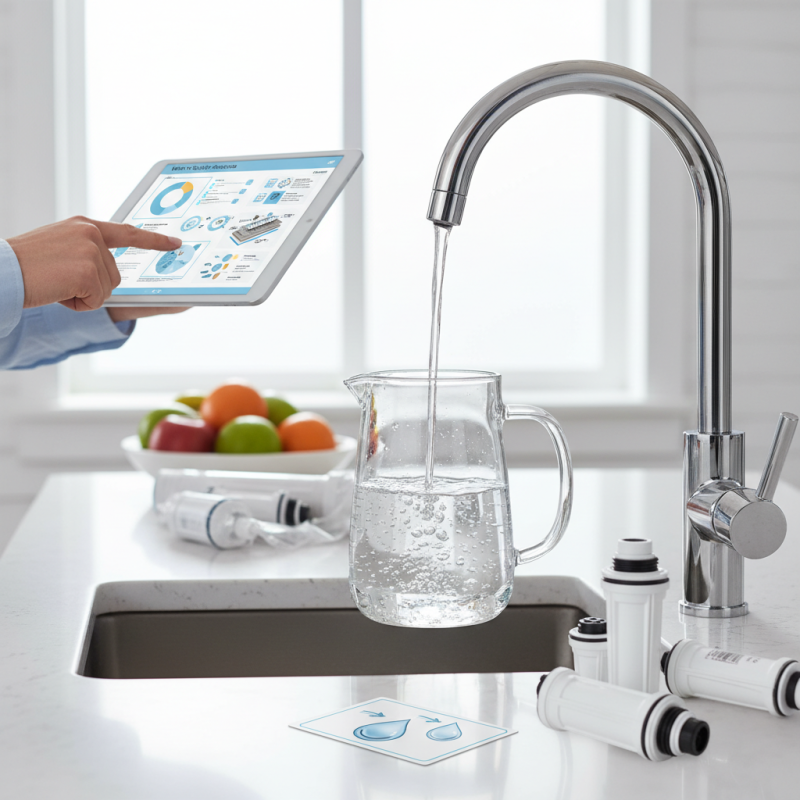
When selecting a water purifier for sink, consider factors like purification method and filter lifespan. Many consumers overlook these details, leading to poor choices. A water purifier may promise much but deliver little if not matched to your needs. Evaluating your water quality is vital. Inadequate research could leave you vulnerable to contaminated water.

How to Choose the Best Water Purifier for Sink in Your Kitchen?

Understanding Different Types of Water Purifiers for Kitchen Sinks

When choosing a water purifier for your kitchen sink, it's essential to understand the various types available. Reverse osmosis systems are popular for their ability to remove a wide range of contaminants. They use a semi-permeable membrane to filter water. This method is effective but can waste water during the purification process. It’s something to consider if water conservation is a priority for you.


Activated carbon filters are another option. These are known for improving taste and odor by removing chlorine and other compounds. They are often easier to install than reverse osmosis systems. However, they may not eliminate all heavy metals or pathogens. You might end up with unfiltered contaminants if you rely solely on this method.


Then there are UV purifiers. These use ultraviolet light to kill bacteria and viruses. They are highly effective but require electricity to operate. Additionally, they do not remove physical particles. This lack of filtration could lead to a false sense of security. Each type has its pros and cons. It’s crucial to reflect on what matters most for your water quality needs.

Key Features to Consider When Selecting a Water Purifier

When choosing a water purifier for your kitchen sink, it's crucial to consider key features. Filtration technology stands out. Different methods, like activated carbon or reverse osmosis, offer varying levels of contaminant removal. Activated carbon is effective against chlorine and sediment. Reverse osmosis can eliminate heavy metals. Think about what you really need.

Another essential feature is the flow rate. A higher flow rate means more efficiency when filling pots and bottles. It's annoying to wait for water. Look for units that can deliver a steady stream while filtering impurities. A compact design can also save space under your sink. After all, not every kitchen has room to spare.

Maintenance requirements shouldn’t be overlooked either. Some systems require frequent filter changes. This can be inconvenient. Check the expected lifespan of filters and how easy they are to replace. The cost of filtration doesn’t just include the purchase price; ongoing costs add up. In essence, keeping your water clean involves thoughtful choices. Balancing performance, convenience, and price is key.

Evaluating the Purification Capacity and Technology of Water Filters

When choosing a water purifier for your kitchen sink, understanding purification capacity is essential. Filters vary greatly in technology. Some use activated carbon, while others rely on reverse osmosis. Knowing how each method works helps you make an informed decision.

Tips: Consider your water quality. If it's hard or contains heavy metals, a more advanced filtration system is necessary. Do regular maintenance checks to ensure the filter functions correctly. Neglecting this can lead to diminished performance.

Another critical aspect is the filter's lifespan. Many products have a fixed time frame for replacement. Ignoring these guidelines can compromise your water quality. Pay attention to the filter's status indicator if available. This small detail could save you from drinking contaminated water.

Tips: Look for online reviews that discuss real-life performance. Personal experiences often provide insights that specifications don’t cover. Sometimes, gathering opinions from fellow users can highlight flaws that manufacturers might overlook.

How to Choose the Best Water Purifier for Sink in Your Kitchen? - Evaluating the Purification Capacity and Technology of Water Filters

Purification Technology Contaminants Removed Flow Rate (GPM) Filter Lifespan (Months) Average Cost ($)
Reverse Osmosis Lead, Arsenic, Nitrate, Chlorine 0.5 - 2.0 12 200
Activated Carbon Chlorine, VOCs, Sediments 1.0 - 3.0 6 50
Ultraviolet (UV) Bacteria, Viruses 1.5 12 150
Ceramic Filters Bacteria, Sediments 0.5 - 1.5 12 - 24 100
Ion Exchange Hardness, Heavy Metals 1.0 6 75

Assessing Water Quality Needs Based on Local Sources and Usage

How to Choose the Best Water Purifier for Sink in Your Kitchen?

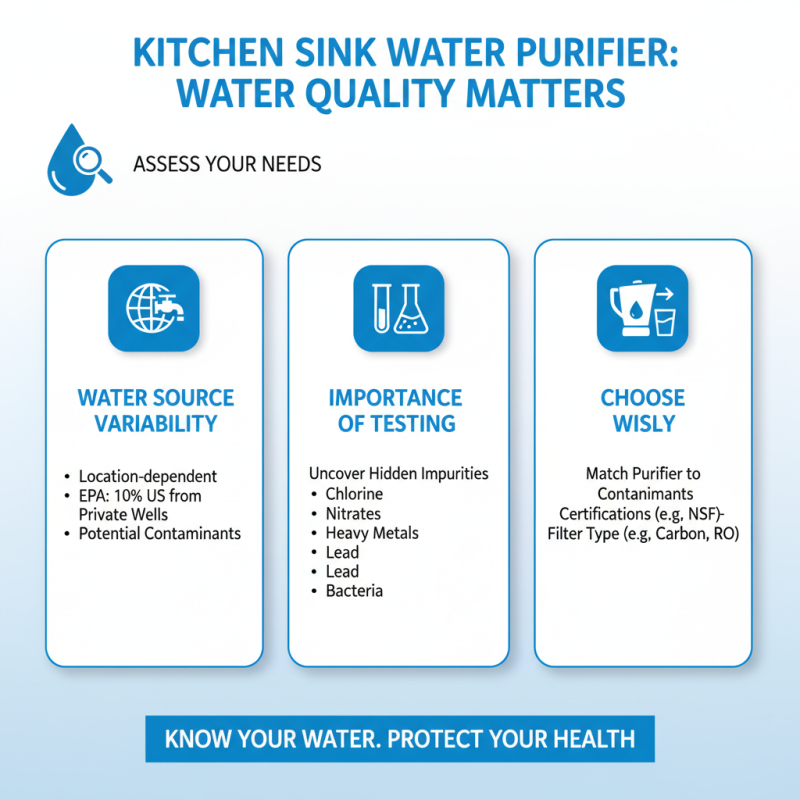
Assessing your water quality needs is crucial when choosing a kitchen sink water purifier. Water sources vary greatly by location. According to the Environmental Protection Agency (EPA), nearly 10% of Americans receive drinking water from private wells, which may contain contaminants. Testing your local water can reveal levels of chlorine, nitrates, or heavy metals.

Using a water quality report from your municipality can guide you. It outlines common contaminants. For instance, more than 60% of urban areas reported lead in drinking water. Even small amounts can be harmful. If your source is a well or river, consider filtration systems that specifically target bacteria and sediments.

Household usage influences your choices too. Families may need a purifier with higher capacity. A single person might prioritize compact designs. Sometimes, it's easy to overlook these factors. Your specific needs should guide your decision. Generic solutions might not suffice for unique challenges. Each household is different, and that makes evaluating your water quality a personal journey.

Comparing Costs and Maintenance Requirements for Kitchen Water Purifiers

Choosing the right water purifier for your kitchen sink involves understanding costs and maintenance. Many reports suggest that countertop models can range from $150 to $400. Meanwhile, under-sink systems might start at $300 and go up to $600. These price differences often reflect efficiency and technology.

Maintenance requirements also vary. Some systems require filter replacement every six months, incurring additional costs. In contrast, others may last a year but need a more complex installation. Typical filter replacement costs can reach $50 or more. It’s critical to consider these ongoing expenses when making a decision.

You might find that some systems are more efficient yet demand more attention. Many people tend to overlook the importance of regular maintenance. Skipping it can lead to decreased performance or even water quality issues. Evaluating your lifestyle can help determine what level of upkeep you are willing to commit to for clean, safe drinking water.