Contaminant Comparison Chart

For a complete list of contaminants that PUR filters reduce, please view our Performance Data Sheets here.


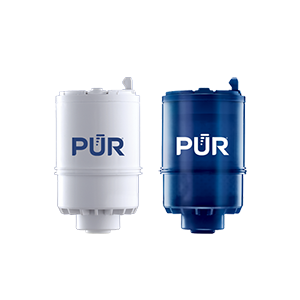
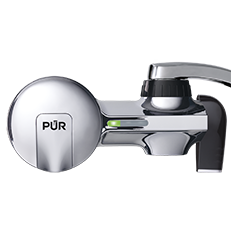
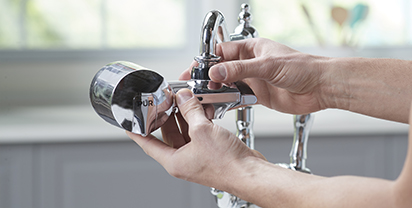
PUR & PUR PLUS FAUCET FILTERS
RF3375/RF9999

View Filters

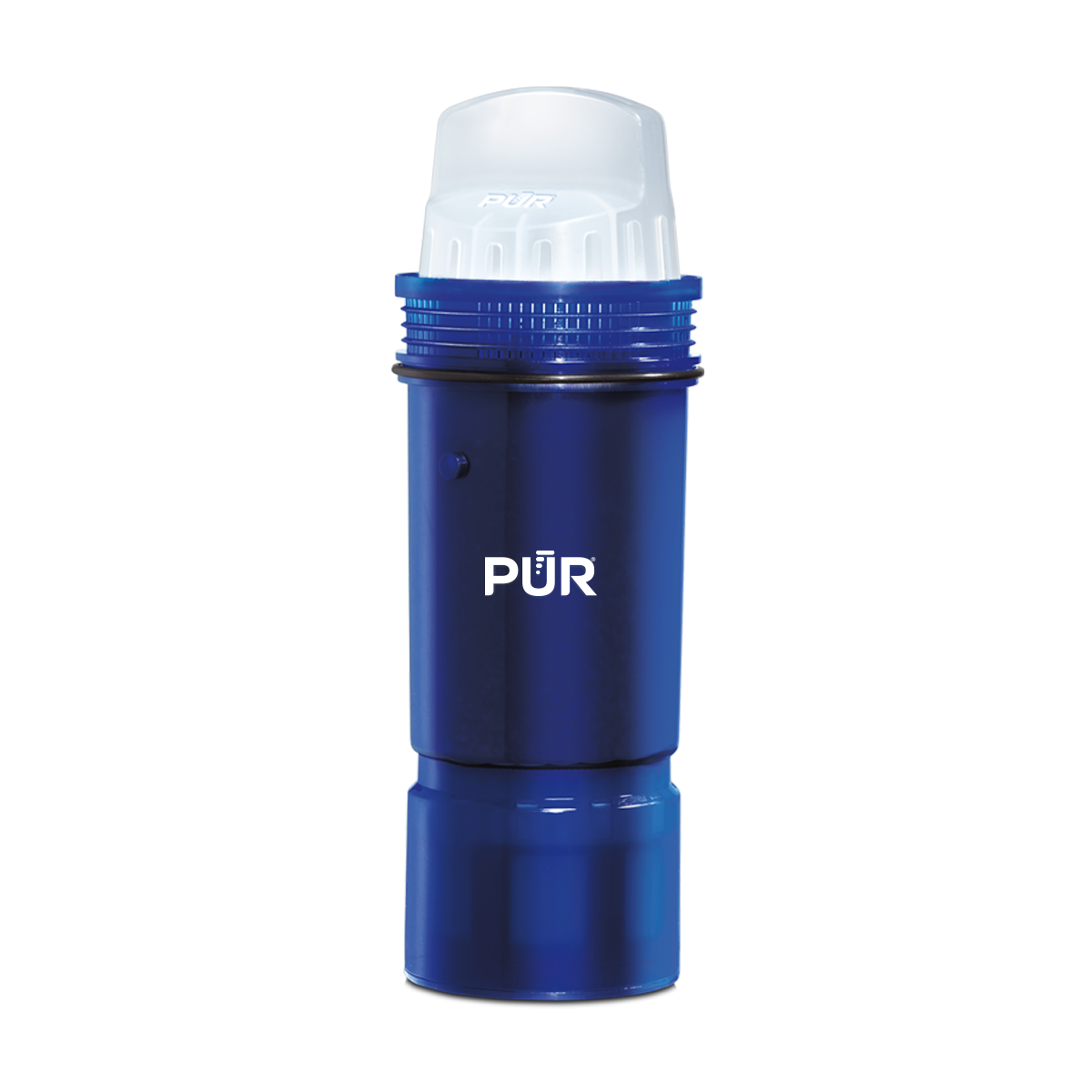
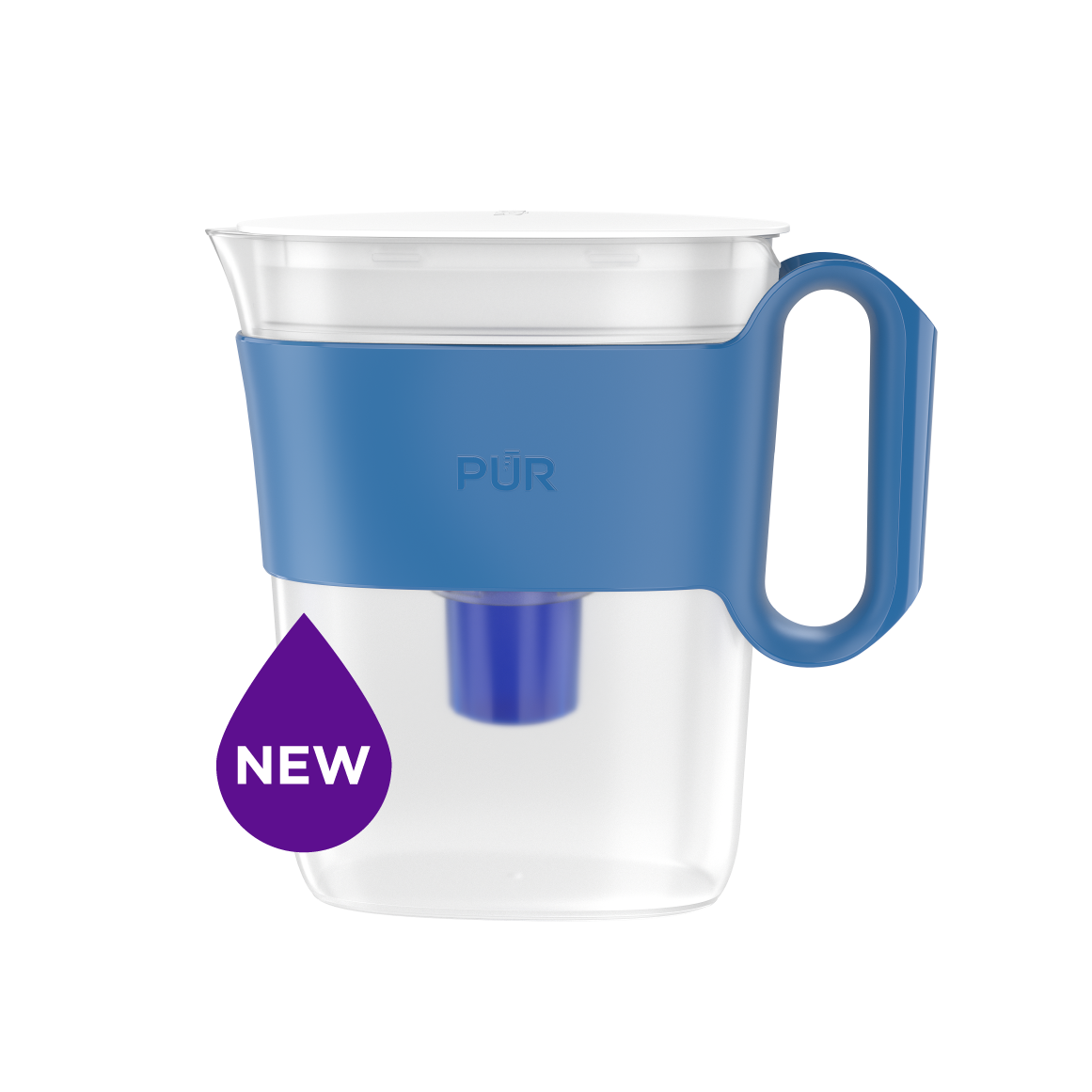
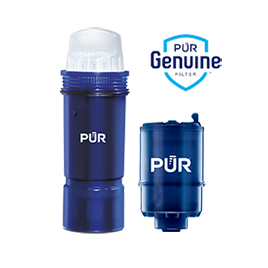
PUR PLUS PITCHER FILTERS
PPF951K

View Filter

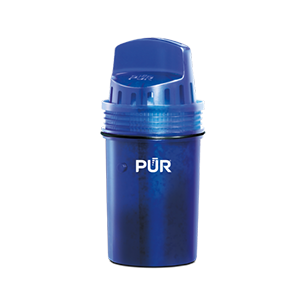
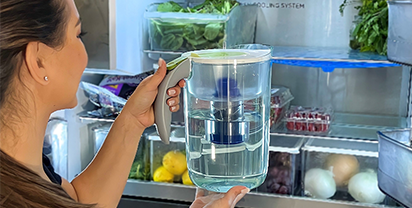
PUR BASIC PITCHER FILTERS
PPF900Z

View Filter


Vs. Brita*

Lead
Microplastics
Mercury
Chlorine Taste & Odor
DEET
TTHM

PUR’s Filtration Systems Are Certified By NSF And WQA For Their Contamination Reduction. WQA certifications as of 5/27/21 for Faucet filter models RF-3375 and RF-9999.

¹ Certified to reduce 10X more chemical and physical substances than Brita’s® leading pitcher filter.
² Certified to reduce 3X more chemical and physical substances than Brita’s® leading pitcher filter.
³ Certified to reduce 2X more chemical and physical substances than Brita’s® leading pitcher filter.
*Versus best-selling Brita® pitcher filter OB03. Brita® is a trademark of Brita LP.
**Like other leading brands, PUR does not filter microbes. As of 3/1/23 Brita® and ZeroWater® were not certified to filter microbes. Brita® is a trademark of Brita LP. ZeroWater® is a trademark of Zero Technologies, LLC..
 

PUR & PUR PLUS FAUCET FILTERS


PUR & PUR PLUS FAUCET FILTERS
RF3375/RF9999

View Filters


Vs. Brita*

Lead
Microplastics
Mercury
Chlorine Taste & Odor
DEET
TTHM

PUR’s Filtration Systems Are Certified By NSF And WQA For Their Contamination Reduction. WQA certifications as of 5/27/21 for Faucet filter models RF-3375 and RF-9999.

¹ Certified to reduce 10X more chemical and physical substances than Brita’s® leading pitcher filter.
² Certified to reduce 3X more chemical and physical substances than Brita’s® leading pitcher filter.
³ Certified to reduce 2X more chemical and physical substances than Brita’s® leading pitcher filter.
*Versus best-selling Brita® pitcher filter OB03. Brita® is a trademark of Brita LP.
**Like other leading brands, PUR does not filter microbes. As of 3/1/23 Brita® and ZeroWater® were not certified to filter microbes. Brita® is a trademark of Brita LP. ZeroWater® is a trademark of Zero Technologies, LLC..
 

PUR PLUS PITCHER FILTERS


PUR PLUS PITCHER FILTERS
PPF951K

View Filter


Vs. Brita*

Lead
Microplastics
Mercury
Chlorine Taste & Odor
DEET
TTHM

PUR’s Filtration Systems Are Certified By NSF And WQA For Their Contamination Reduction. WQA certifications as of 5/27/21 for Faucet filter models RF-3375 and RF-9999.

¹ Certified to reduce 10X more chemical and physical substances than Brita’s® leading pitcher filter.
² Certified to reduce 3X more chemical and physical substances than Brita’s® leading pitcher filter.
³ Certified to reduce 2X more chemical and physical substances than Brita’s® leading pitcher filter.
*Versus best-selling Brita® pitcher filter OB03. Brita® is a trademark of Brita LP.
**Like other leading brands, PUR does not filter microbes. As of 3/1/23 Brita® and ZeroWater® were not certified to filter microbes. Brita® is a trademark of Brita LP. ZeroWater® is a trademark of Zero Technologies, LLC..

 

PUR BASIC PITCHER FILTERS


PUR BASIC PITCHER FILTERS
PPF900Z

View Filter


Vs. Brita*

Lead
Microplastics
Mercury
Chlorine Taste & Odor
DEET
TTHM

PUR’s Filtration Systems Are Certified By NSF And WQA For Their Contamination Reduction. WQA certifications as of 5/27/21 for Faucet filter models RF-3375 and RF-9999.

¹ Certified to reduce 10X more chemical and physical substances than Brita’s® leading pitcher filter.
² Certified to reduce 3X more chemical and physical substances than Brita’s® leading pitcher filter.
³ Certified to reduce 2X more chemical and physical substances than Brita’s® leading pitcher filter.
*Versus best-selling Brita® pitcher filter OB03. Brita® is a trademark of Brita LP.
**Like other leading brands, PUR does not filter microbes. As of 3/1/23 Brita® and ZeroWater® were not certified to filter microbes. Brita® is a trademark of Brita LP. ZeroWater® is a trademark of Zero Technologies, LLC..

 

Top Tips for Choosing the Best Under Sink Water Filter?

Choosing the right under sink water filter can greatly impact your home's water quality. Clean water is essential for health and daily use. With so many options available, selecting the best filter may seem overwhelming. Understanding your needs is crucial.

Many filters promise purity, but not all deliver. Researching their effectiveness and durability is vital. Look for certified filters that meet health standards. Pay attention to the filtration system they use. Common types include activated carbon and reverse osmosis. Each type has its strengths and weaknesses, so consider what fits your situation.

Installation and maintenance are also important factors. Some filters are easy to install, while others can be complex. Regular maintenance ensures your filter works effectively. This might include changing cartridges at specific intervals. Make sure you are aware of these maintenance needs when choosing an under sink water filter. Balancing these factors will lead you to a reliable choice.

Top Tips for Choosing the Best Under Sink Water Filter?

Understanding the Importance of Under Sink Water Filters

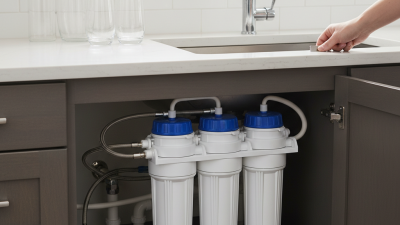
Under sink water filters play a crucial role in ensuring the safety and quality of your drinking water. They are installed directly beneath your kitchen sink, providing easy access to clean water. This convenience is significant, especially for families with children who require safe drinking solutions. Contaminants, such as lead and chlorine, can compromise water quality. An effective filter helps remove these harmful substances, enhancing taste and safety.

Choosing the right under sink water filter is vital for your health. Look for models that have certifications from reputable organizations. This ensures that the filter meets established safety and efficiency standards. Many homeowners overlook the importance of regular maintenance and filter replacements. Neglecting these aspects can lead to a decline in performance over time. Regular checks can reveal when replacements are necessary, keeping your water clean and safe.

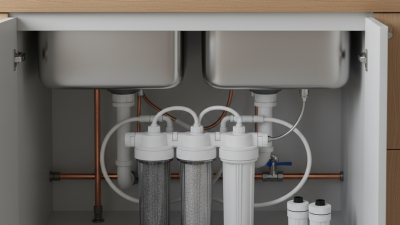
Next, consider the installation process. Some filters may require professional help, while others can be easily installed by homeowners. If you're unsure, research common installation issues. It's normal to face some challenges when setting up a filter. Taking the time to understand the setup will lead to a more satisfying experience in the long run. A reliable under sink water filter can significantly improve your daily hydration, so choose wisely and ensure it's well-maintained.

Key Features to Look for in an Under Sink Water Filter

When selecting an under sink water filter, consider several key features. Filtration efficiency is paramount. A good filter should remove contaminants like chlorine, lead, and sediment. Check the system's filtration rate. Some filters may take longer to produce clean water, and this could be a downside for busy households.

The capacity of the filter is another crucial aspect. Look for options that can meet your household's water demand. A filter with a high gallon capacity means fewer replacements and less hassle. Installation can also be tricky. Some models require advanced plumbing skills, which might not suit everyone.

Lastly, check the filter’s lifespan. Regular replacements can be costly and inconvenient. Some filters last longer than others and may justify a higher upfront cost. Remember, while a low price can be attractive, it may not always reflect reliability. Researching user reviews can provide insight into the filter’s performance over time. Relying solely on brand names is often misleading, as experiences can vary widely.

Types of Filtration Technologies Used in Under Sink Filters

When it comes to under sink water filters, understanding the types of filtration technologies is crucial. Common options include activated carbon, reverse osmosis, and ceramic filters. Activated carbon is known for its ability to remove chlorine and sediment. It improves taste and odor. However, it may not eliminate all harmful contaminants.

Reverse osmosis (RO) offers a more thorough purification process. It removes various impurities, including heavy metals and bacteria. While highly effective, RO systems can waste a significant amount of water. Installation can be complex. Ceramic filters offer a simple and affordable solution. They remove large particles and some bacteria through tiny pores. However, they need regular cleaning and may not filter out chemicals effectively.

Each filtration technology has its pros and cons. Users often find it challenging to choose the best option for their needs. It’s essential to assess water quality and personal preferences. This way, the right system can be found to ensure clean, safe water at home.

Evaluating Your Water Quality Before Choosing a Filter

Evaluating your water quality is a crucial first step in selecting the right under sink water filter. Testing your water can reveal contaminants such as chlorine, lead, or sediments. Use a home testing kit for an accurate analysis. Understand what impurities you need to address, as this will guide your filter choice. You might find that your water is relatively clean but still contains some undesirable elements.

When selecting a filter, consider the type of contaminants it targets. Not all filters are created equal. Some focus on taste improvement, while others prioritize heavy metals removal. Look for filters certified by reputable organizations. This ensures they meet industry standards. Be sure to check user reviews and expert recommendations, as these can provide insights into the filter's effectiveness.

Take the time to compare different systems. Understand their maintenance needs and the frequency of filter replacements. Some filters require more maintenance than others. Reflect on your lifestyle and how often you're willing to care for the system. Ultimately, a well-informed choice can enhance your drinking water and overall health.

Top Tips for Choosing the Best Under Sink Water Filter

Filter Type Contaminants Removed Filter Lifespan Flow Rate (GPM) Price Range
Activated Carbon Chlorine, VOCs 6-12 months 0.5 - 2.0 $50 - $150
Reverse Osmosis Heavy metals, Fluoride 2-3 years 0.2 - 1.5 $150 - $500
Ceramic Bacteria, Sediments 1-2 years 0.5 - 1.0 $30 - $80
Ultraviolet Bacteria, Viruses 1 year 0.5 - 2.0 $100 - $300

Installation and Maintenance Tips for Under Sink Water Filters

Installing an under sink water filter can greatly improve your drinking water quality. However, proper installation is vital for optimal performance. Start by reading the manufacturer’s guidelines. Understanding the specific plumbing setup in your kitchen helps avoid common mistakes. According to a 2022 report from the Water Quality Association, improper installation can reduce filtration efficiency by up to 30%.

When it comes to maintenance, regular replacement of filter cartridges is crucial. Most filters should be replaced every six months to a year, depending on usage. Neglecting this can lead to contaminated water. Research shows that 15% of users delay filter replacements, risking their water quality. It’s important to create a maintenance calendar. This ensures you stay on track and keep your system running smoothly.

Be aware of your water usage. Filters can wear out quicker in households with higher demand. If you notice changes in taste, odor, or flow rate, it may be time for a change. Regularly check for leaks or any signs of wear. Proactive maintenance can prevent costly repairs and extend the lifespan of your system. A little attention can go a long way in ensuring clean, safe drinking water.

Top Tips for Choosing the Best Under Sink Water Filter

This chart shows the key features and their importance when choosing an under sink water filter. The data reflects customer preferences and the significance of each feature.