
Contaminant Comparison Chart

For a complete list of contaminants that PUR filters reduce, please view our Performance Data Sheets here.


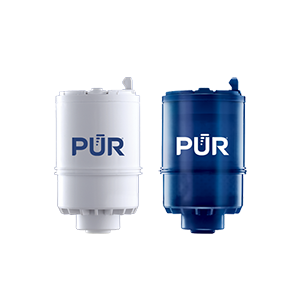
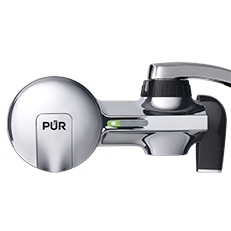
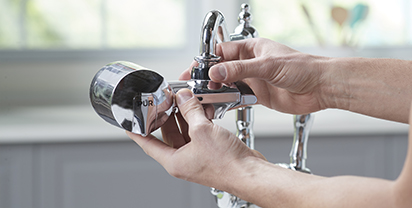
PUR & PUR PLUS FAUCET FILTERS
RF3375/RF9999

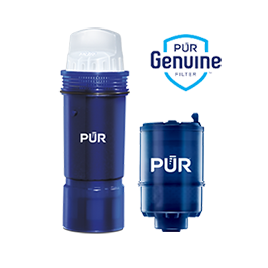
View Filters

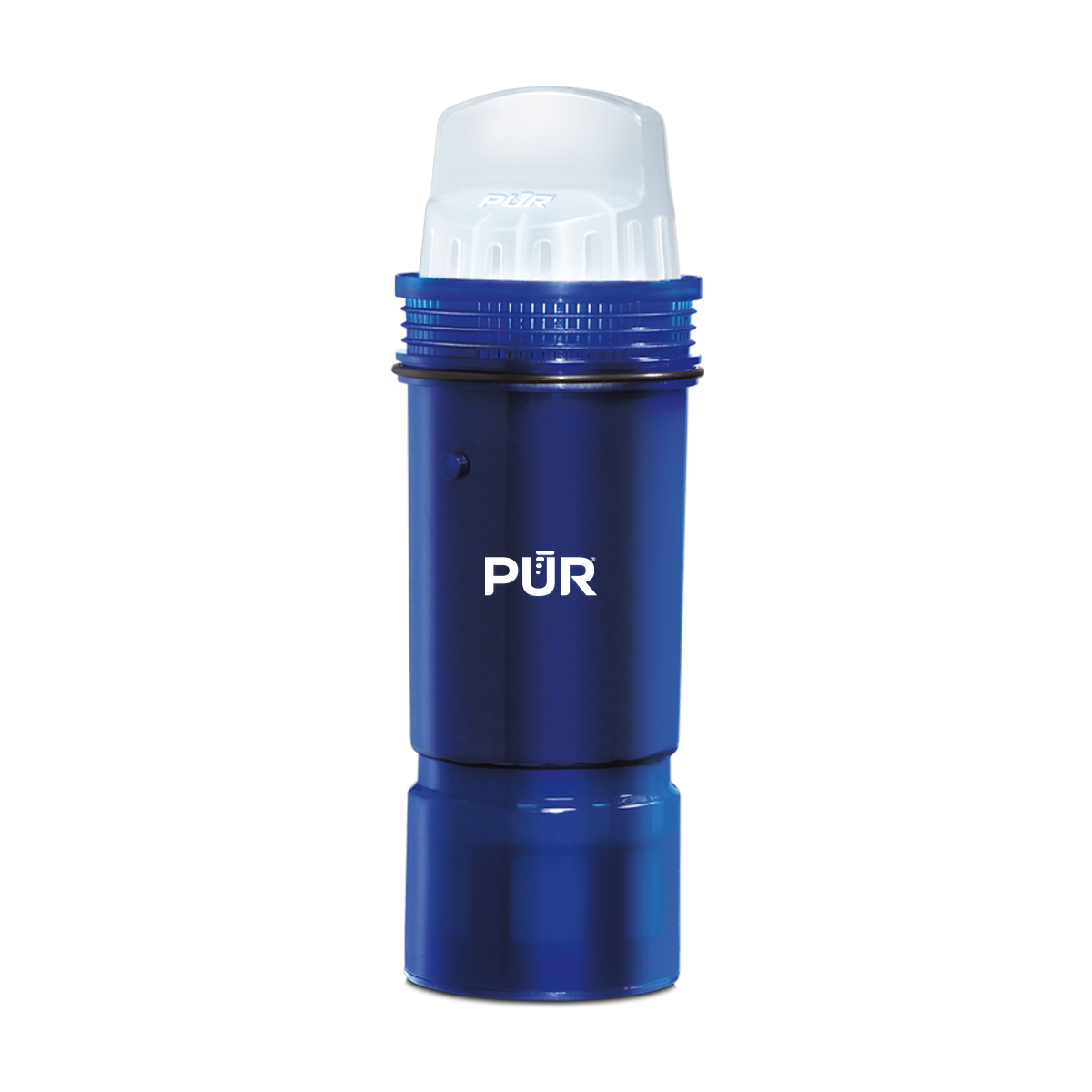
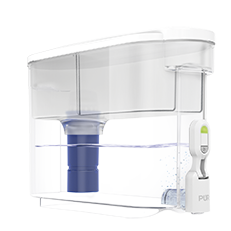
PUR PLUS PITCHER FILTERS
PPF951K

View Filter

PUR BASIC PITCHER FILTERS
PPF900Z

View Filter


Vs. Brita*

Lead ✓ ✓
Microplastics ✓ ✓
Mercury ✓ ✓ ✓
Chlorine Taste & Odor ✓ ✓ ✓
DEET ✓
TTHM ✓

PUR’s Filtration Systems Are Certified By NSF And WQA For Their Contamination Reduction. WQA certifications as of 5/27/21 for Faucet filter models RF-3375 and RF-9999.

¹ Certified to reduce 10X more chemical and physical substances than Brita’s® leading pitcher filter.
² Certified to reduce 3X more chemical and physical substances than Brita’s® leading pitcher filter.
³ Certified to reduce 2X more chemical and physical substances than Brita’s® leading pitcher filter.
*Versus best-selling Brita® pitcher filter OB03. Brita® is a trademark of Brita LP.
**Like other leading brands, PUR does not filter microbes. As of 3/1/23 Brita® and ZeroWater® were not certified to filter microbes. Brita® is a trademark of Brita LP. ZeroWater® is a trademark of Zero Technologies, LLC..

 

PUR & PUR PLUS FAUCET FILTERS


PUR & PUR PLUS FAUCET FILTERS
RF3375/RF9999

View Filters


Vs. Brita*

Lead ✓
Microplastics ✓
Mercury ✓
Chlorine Taste & Odor ✓
DEET ✓
TTHM ✓

PUR’s Filtration Systems Are Certified By NSF And WQA For Their Contamination Reduction. WQA certifications as of 5/27/21 for Faucet filter models RF-3375 and RF-9999.

¹ Certified to reduce 10X more chemical and physical substances than Brita’s® leading pitcher filter.
² Certified to reduce 3X more chemical and physical substances than Brita’s® leading pitcher filter.
³ Certified to reduce 2X more chemical and physical substances than Brita’s® leading pitcher filter.
*Versus best-selling Brita® pitcher filter OB03. Brita® is a trademark of Brita LP.
**Like other leading brands, PUR does not filter microbes. As of 3/1/23 Brita® and ZeroWater® were not certified to filter microbes. Brita® is a trademark of Brita LP. ZeroWater® is a trademark of Zero Technologies, LLC..


PUR PLUS PITCHER FILTERS


PUR PLUS PITCHER FILTERS
PPF951K

View Filter


Vs. Brita*

Lead ✓
Microplastics ✓
Mercury ✓
Chlorine Taste & Odor ✓
DEET
TTHM

PUR’s Filtration Systems Are Certified By NSF And WQA For Their Contamination Reduction. WQA certifications as of 5/27/21 for Faucet filter models RF-3375 and RF-9999.

¹ Certified to reduce 10X more chemical and physical substances than Brita’s® leading pitcher filter.
² Certified to reduce 3X more chemical and physical substances than Brita’s® leading pitcher filter.
³ Certified to reduce 2X more chemical and physical substances than Brita’s® leading pitcher filter.
*Versus best-selling Brita® pitcher filter OB03. Brita® is a trademark of Brita LP.
**Like other leading brands, PUR does not filter microbes. As of 3/1/23 Brita® and ZeroWater® were not certified to filter microbes. Brita® is a trademark of Brita LP. ZeroWater® is a trademark of Zero Technologies, LLC..


PUR BASIC PITCHER FILTERS


PUR BASIC PITCHER FILTERS
PPF900Z

View Filter


Vs. Brita*

Lead
Microplastics
Mercury ✓
Chlorine Taste & Odor ✓
DEET
TTHM

PUR’s Filtration Systems Are Certified By NSF And WQA For Their Contamination Reduction. WQA certifications as of 5/27/21 for Faucet filter models RF-3375 and RF-9999.

¹ Certified to reduce 10X more chemical and physical substances than Brita’s® leading pitcher filter.
² Certified to reduce 3X more chemical and physical substances than Brita’s® leading pitcher filter.
³ Certified to reduce 2X more chemical and physical substances than Brita’s® leading pitcher filter.
*Versus best-selling Brita® pitcher filter OB03. Brita® is a trademark of Brita LP.
**Like other leading brands, PUR does not filter microbes. As of 3/1/23 Brita® and ZeroWater® were not certified to filter microbes. Brita® is a trademark of Brita LP. ZeroWater® is a trademark of Zero Technologies, LLC..


How to Choose the Right Dock Shelter in 2026

A loading dock can look like a small part of a warehouse. It is not. Every trailer gap can affect weather protection, product handling, and daily workflow. In 2026, choosing the right Dock Shelter means matching the equipment to actual site conditions—not simply selecting the thickest material or lowest price.

Industry research reinforces the need to consider the wider operation. MHI’s 2025 Annual Industry Report examines supply-chain resilience, labor pressures, and technology adoption across material handling. The U.S. Department of Energy’s Industrial Decarbonization Roadmap identifies energy efficiency as an important route to reducing industrial energy demand. Neither report ranks dock shelters, but both point to practical priorities: control avoidable air exchange, support reliable operations, and choose equipment that fits how the facility works.

Start with the details on the ground. Measure the dock opening and the trailers that use it. Check approach angles, vehicle-height variation, wind exposure, and how often doors cycle. A shelter that works well for a consistent fleet may perform poorly when trailer sizes vary. Small gaps matter. So does maintenance access.

Look closely at construction, too. Compare frame durability, curtain or pad materials, replaceable wear sections, and the manufacturer’s installation guidance. Ask for documented specifications and references from similar sites; marketing claims alone are thin evidence. And the neatest-looking seal is not always the best fit. That is easy to overlook. This guide explains how to assess these factors and choose a Dock Shelter that suits your traffic, climate, and operating needs.

How to Choose the Right Dock Shelter in 2026

Understanding Dock Shelter Functions and Applications

A dock shelter forms a flexible enclosure around a stationary trailer, helping limit drafts, rain, dust, and temperature exchange during loading. Unlike a dock seal, it leaves more of the doorway accessible, which can suit mixed trailer widths and bulky freight. Fit still matters. Check vehicle height, width, dock approach, and how far trailers sit from the wall. A shelter that is too shallow may leave exposed gaps; one that is too deep can obstruct vehicle movement. Measure real vehicles, not just the standard fleet dimensions.

The Global Cold Chain Alliance’s Global Cold Storage Capacity Report recorded about 719 million cubic metres of refrigerated warehouse capacity worldwide in 2020.

That figure describes storage capacity, not dock-shelter performance, but it shows the scale of temperature-controlled logistics where limiting warm-air exchange matters. For chilled or frozen goods, consider frequent door cycles, local wind, and the temperature difference between the building and the yard. A full-perimeter shelter may help maintain a steadier dock environment, but it cannot replace good door operation or fast loading.

One detail is easy to underestimate: damaged fabric can create a persistent leak, even when the shelter looked correctly specified.

Assessing Dock and Vehicle Dimensions

Choosing the right dock shelter starts with measuring the actual dock and the vehicles that use it. Record dock height, clear opening width and height, and the distance from the wall to nearby lights or pipes. Then measure the tallest and widest regularly scheduled vehicles, including rear doors, hinges, and other protruding hardware. Small details matter. A few inches can cause curtain damage or leave gaps.

The Federal Highway Administration’s Federal Size Regulations for Commercial Motor Vehicles lists 102 inches (8 feet 6 inches) as the general maximum vehicle width on the National Network. Treat this as a reference, not a shelter-opening dimension: vehicle body shape, mirrors, and local routes can change what arrives at your dock. Compare your measurements with the shelter’s usable opening and the vehicle’s approach. Also check dock-leveler travel, since uneven alignment can shift contact points. A neat drawing helps, but real measurements are sometimes less tidy.

Tips: Measure several common vehicle types, not just one. Note the highest roof, widest rear section, and dock-height differences. Photographing each loading position can reveal obstructions that a tape measure misses. Recheck after layout changes.

Comparing Shelter Types, Materials, and Configurations

Choosing a dock shelter starts with trailer variation, not a catalog photo. Head curtains suit sites with fairly consistent trailer widths and heights. They are simple, but gaps can remain around irregular loads. Retractable shelters tolerate more variation and reduce impact risk when vehicles pull away early. Inflatable models can seal tightly around different trailers, though they need power and regular maintenance. There is no perfect seal.

Material matters at the contact points. Reinforced fabric resists abrasion from repeated trailer movement, while replaceable wear panels can limit repair costs. For a cold-storage dock, inspect seams, bottom corners, and how the shelter closes around the trailer. Small openings count. The International Energy Agency’s 2023 Buildings report estimates that buildings account for about 30% of global final energy consumption; this is broad context, not a dock-specific savings estimate.

Configuration should match traffic and building geometry. A recessed installation can protect the shelter from weather and vehicle contact, but it needs suitable wall depth. A face-mounted unit may fit a retrofit more easily. Measure the actual fleet, including uncommon trailer sizes, and observe dock approach angles during busy shifts. That detail is easy to miss. A shelter that seals beautifully on paper may snag mirrors or block a light. Review damage and maintenance records before deciding; the first specification may still need revision after real-world use.

Evaluating Performance, Safety, and Energy Efficiency

A dock shelter should match the trailers that actually use the bay, not just the dimensions on a drawing. Track trailer heights, widths, approach angles, and loading frequency over several weeks. A shelter that seals well around one vehicle may leave gaps around another. Small details matter. Check curtain wear, frame movement, and whether the shelter stays aligned after repeated impacts.

Safety depends on more than a tight seal. Confirm that the shelter does not obstruct dock lights, vehicle restraints, or the operator’s view of the loading area. Staff should be able to see the trailer position clearly, especially during rainy or low-light shifts. Ask installers to verify clearances with the dock leveler in motion. A tidy installation can still create a blind spot, so inspect it during a real loading cycle.

Energy efficiency is best judged at the building, not from a product claim alone. Look for drafts around the trailer corners, then compare indoor temperature readings or heating and cooling runtime before and after installation. Measure, don’t guess. A better seal can reduce air exchange, but frequent door openings and poor maintenance may erase some gains. I would also review the shelter after a season of use; the first inspection rarely catches every issue.

Selecting, Installing, and Maintaining the Right Shelter

Choosing the right dock shelter begins with real site measurements, not a catalog image. Record the dock opening, truck-bed height, approach angle, and the range of vehicle sizes using the bay. A shelter that fits one trailer may leave gaps around another. Note wind exposure, rain direction, and daily loading frequency, too. These details help determine the shelter style and materials suited to the facility. Small differences matter.

Before installation, confirm that the wall and mounting surface can support the selected frame. Check clearances for doors, lights, and dock equipment. Plan how water will drain instead of letting it collect near the opening. Follow the shelter’s installation instructions, and have qualified personnel verify anchoring and alignment. After fitting, test it with different vehicles. A poor fit can be easy to miss during a quiet shift, so recheck under normal operating conditions.

Tips: Inspect curtains for tears and rubbing marks. Tighten loose fasteners, clear debris, and check seals regularly. Keep a simple maintenance log. If wear returns in the same spot, reconsider the fit or truck approach; replacing the panel alone may not solve the cause. A second measurement is rarely wasted.

How to Choose the Right Dock Shelter in 2026

Suggested annual maintenance cadence to help protect shelter performance after installation.

Use this planning baseline alongside the shelter manufacturer’s instructions. Adjust inspection and cleaning frequency for traffic, weather exposure, and visible wear.