
Contaminant Comparison Chart

For a complete list of contaminants that PUR filters reduce, please view our Performance Data Sheets here.


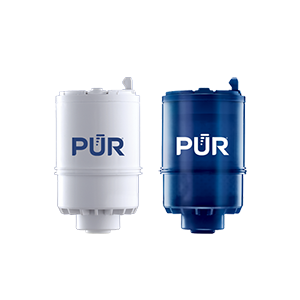
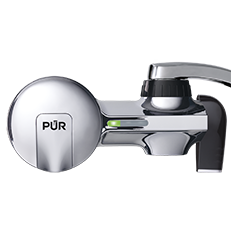
PUR & PUR PLUS FAUCET FILTERS
RF3375/RF9999

View Filters

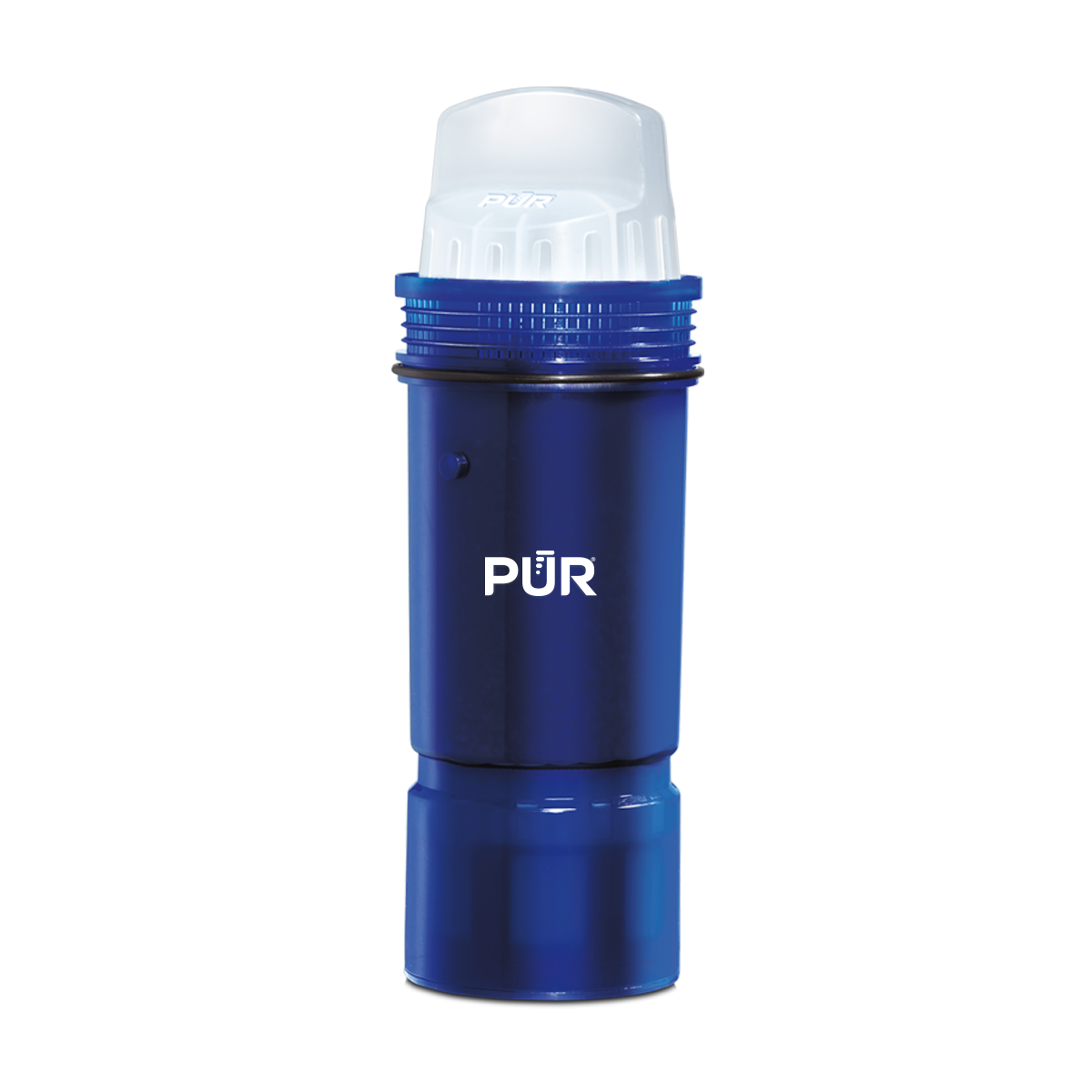
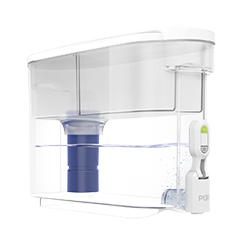
PUR PLUS PITCHER FILTERS
PPF951K

View Filter

PUR BASIC PITCHER FILTERS
PPF900Z

View Filter


Vs. Brita*

Lead
Microplastics
Mercury
Chlorine Taste & Odor
DEET
TTHM

PUR’s Filtration Systems Are Certified By NSF And WQA For Their Contamination Reduction. WQA certifications as of 5/27/21 for Faucet filter models RF-3375 and RF-9999.

¹ Certified to reduce 10X more chemical and physical substances than Brita’s® leading pitcher filter.
² Certified to reduce 3X more chemical and physical substances than Brita’s® leading pitcher filter.
³ Certified to reduce 2X more chemical and physical substances than Brita’s® leading pitcher filter.
*Versus best-selling Brita® pitcher filter OB03. Brita® is a trademark of Brita LP.
**Like other leading brands, PUR does not filter microbes. As of 3/1/23 Brita® and ZeroWater® were not certified to filter microbes. Brita® is a trademark of Brita LP. ZeroWater® is a trademark of Zero Technologies, LLC..
 

PUR & PUR PLUS FAUCET FILTERS


PUR & PUR PLUS FAUCET FILTERS
RF3375/RF9999

View Filters


Vs. Brita*

Lead
Microplastics
Mercury
Chlorine Taste & Odor
DEET
TTHM

PUR’s Filtration Systems Are Certified By NSF And WQA For Their Contamination Reduction. WQA certifications as of 5/27/21 for Faucet filter models RF-3375 and RF-9999.

¹ Certified to reduce 10X more chemical and physical substances than Brita’s® leading pitcher filter.
² Certified to reduce 3X more chemical and physical substances than Brita’s® leading pitcher filter.
³ Certified to reduce 2X more chemical and physical substances than Brita’s® leading pitcher filter.
*Versus best-selling Brita® pitcher filter OB03. Brita® is a trademark of Brita LP.
**Like other leading brands, PUR does not filter microbes. As of 3/1/23 Brita® and ZeroWater® were not certified to filter microbes. Brita® is a trademark of Brita LP. ZeroWater® is a trademark of Zero Technologies, LLC..


PUR PLUS PITCHER FILTERS


PUR PLUS PITCHER FILTERS
PPF951K

View Filter


Vs. Brita*

Lead
Microplastics
Mercury
Chlorine Taste & Odor
DEET
TTHM

PUR’s Filtration Systems Are Certified By NSF And WQA For Their Contamination Reduction. WQA certifications as of 5/27/21 for Faucet filter models RF-3375 and RF-9999.

¹ Certified to reduce 10X more chemical and physical substances than Brita’s® leading pitcher filter.
² Certified to reduce 3X more chemical and physical substances than Brita’s® leading pitcher filter.
³ Certified to reduce 2X more chemical and physical substances than Brita’s® leading pitcher filter.
*Versus best-selling Brita® pitcher filter OB03. Brita® is a trademark of Brita LP.
**Like other leading brands, PUR does not filter microbes. As of 3/1/23 Brita® and ZeroWater® were not certified to filter microbes. Brita® is a trademark of Brita LP. ZeroWater® is a trademark of Zero Technologies, LLC..


PUR BASIC PITCHER FILTERS


PUR BASIC PITCHER FILTERS
PPF900Z

View Filter


Vs. Brita*

Lead
Microplastics
Mercury
Chlorine Taste & Odor
DEET
TTHM

PUR’s Filtration Systems Are Certified By NSF And WQA For Their Contamination Reduction. WQA certifications as of 5/27/21 for Faucet filter models RF-3375 and RF-9999.

¹ Certified to reduce 10X more chemical and physical substances than Brita’s® leading pitcher filter.
² Certified to reduce 3X more chemical and physical substances than Brita’s® leading pitcher filter.
³ Certified to reduce 2X more chemical and physical substances than Brita’s® leading pitcher filter.
*Versus best-selling Brita® pitcher filter OB03. Brita® is a trademark of Brita LP.
**Like other leading brands, PUR does not filter microbes. As of 3/1/23 Brita® and ZeroWater® were not certified to filter microbes. Brita® is a trademark of Brita LP. ZeroWater® is a trademark of Zero Technologies, LLC..


Why Choose the Right Radiator Hose Clamps for Your Needs?

Choosing the right Radiator Hose Clamps is crucial for maintaining optimal vehicle performance. According to automotive expert John Anderson, "Quality clamps ensure hoses stay secure and prevent leaks." This highlights the importance of selecting the appropriate clamps for your specific needs.

Radiator hose clamps play a vital role in a vehicle's cooling system. They keep hoses tightly sealed to prevent coolant leaks, which can lead to overheating. Using subpar clamps may seem tempting due to cost savings, but this could lead to costly damage. Many car owners underestimate the impact of quality clamps.

In a world where performance matters, selecting the right radiator hose clamps is essential. Consider your vehicle's requirements carefully. Reflect on how improper choices might affect your engine's health. Remember, investing in reliable products can save you time and money in the long run.

Why Choose the Right Radiator Hose Clamps for Your Needs?

Understanding the Function of Radiator Hose Clamps in Vehicles

Radiator hose clamps play a crucial role in your vehicle's cooling system. They hold the radiator hoses tightly to prevent coolant leaks. Without a proper seal, your engine can overheat, leading to severe damage. Understanding how these clamps work helps maintain your vehicle’s performance and longevity.

Tips for selecting the right hose clamps include considering the material and clamp type. Stainless steel clamps are often more durable, while spring clamps provide flexibility. Pay attention to the size. A poorly fitting clamp can cause leaks, so ensure you measure the hose diameter before purchasing.

Regularly inspect your radiator hose clamps for signs of wear or rust. If they show any damage, replace them immediately to avoid potential overheating issues. It’s a small detail that can lead to bigger problems down the road. Remember, even minor oversights in maintenance can result in costly repairs later on. Keeping an eye on these components can make a significant difference in your vehicle’s health.

Types of Radiator Hose Clamps: Advantages and Disadvantages

When selecting radiator hose clamps, it’s essential to understand their types and characteristics. The most common types are worm gear clamps, spring clamps, and pinchaus clamps. Worm gear clamps are widely used due to their tight seal. They are adjustable and can fit various hose sizes. However, over-tightening can cause hose damage or leakage. Attention is required when using them.

Spring clamps, on the other hand, provide a constant pressure on the hose. This capability helps prevent leaks as temperatures fluctuate. Despite this, they can be challenging to install or remove. You might need special tools. Pinchaus clamps are effective for specialized applications. They are particularly useful where space is limited. Despite their benefits, they might not provide a secure grip in high-vibration areas.

Choosing the right clamp requires understanding these advantages and disadvantages. Each type has its specific applications. An improper choice can lead to premature failure. Reflect on your system’s needs and invest time in research. The right clamp can enhance performance and prolong the life of your cooling system.

Factors to Consider When Choosing Radiator Hose Clamps

When choosing radiator hose clamps, consider several key factors. The type of material is crucial. Stainless steel clamps offer durability and resistance to rust. However, they can be more expensive. On the other hand, plastic clamps are lightweight and affordable, but may not provide the best long-term performance. According to industry reports, nearly 30% of failures in cooling systems are linked to inadequate clamp quality.

Another factor is the clamp’s design and size. A clamp must fit snugly around the hose to prevent leaks. Too tight, and it can damage the hose. Too loose, and it won’t hold properly. Typically, a proper clamp size should match the hose diameter perfectly. Before making a purchase, verify the specifications to avoid common pitfalls.

Tips for choosing the right clamp include checking for certification marks. Products that meet industry standards are often more reliable. Regular inspection of clamps can reveal potential issues before they become serious. Many experts recommend replacing clamps whenever servicing the hoses, as older clamps may degrade over time. Pay attention to the clamp’s installation; improper installation can lead to serious cooling system failures.

Maintaining and Inspecting Your Radiator Hose Clamps

Maintaining and inspecting radiator hose clamps is crucial for your vehicle’s performance. A loose or damaged hose clamp can lead to coolant leaks, resulting in engine overheating. Regular checks on your hose clamps can help identify issues early on. Look for rust, wear, or signs of corrosion, which can compromise their strength.

Tips: Always tighten hose clamps to the manufacturer’s specifications. Over-tightening can damage the radiator hoses. Use a torque wrench for precision. Inspect hose clamps periodically, especially before long trips. A simple visual check can save you from potential headaches.

If you notice any leaks, don’t ignore them. A small drip can evolve into a significant problem. Pay attention to how your vehicle behaves. Changes in temperature or strange sounds might indicate a hose clamp issue. Trust your instincts; addressing these signs early can save you time and money in repairs.

Why Choose the Right Radiator Hose Clamps for Your Needs? - Maintaining and Inspecting Your Radiator Hose Clamps

Clamp Type Material Max Pressure (PSI) Temperature Range (°F) Applications
Screw Band Stainless Steel 100 -40 to 250 General Use, Automotive
Spring Hose Galvanized Steel 75 -20 to 200 Flexible Applications
Quick Release Aluminum 90 -10 to 220 Racing, Custom Builds
T-Bolt Stainless Steel 120 -40 to 300 Heavy-Duty Applications
Plastic Nylon 60 -10 to 180 Lightweight Installations

Common Issues Caused by Poor Quality Hose Clamps

When it comes to radiator hose clamps, the quality can make a significant difference. Poor-quality clamps may lead to leaks and overheating. A small crack can become a major issue. If the hose is not secure, it might detach. This could cause coolant loss and engine damage. In many instances, drivers overlook these seemingly minor components.

Additionally, the material of the clamps matters. Low-grade metals can corrode quickly. Over time, rust can compromise the clamp's integrity. This typically happens in high-temperature environments. It is often too late when drivers realize the damage. The engine may suffer from inadequate cooling, leaving the vehicle stranded or worse.

Many people also neglect regular maintenance checks. A worn-out clamp might not show initial signs of failure. However, a simple inspection can prevent costly repairs. Awareness of these common issues can help maintain vehicle reliability. It’s worth investing time to choose the right hose clamps for peace of mind.