Contaminant Comparison Chart

For a complete list of contaminants that PUR filters reduce, please view our Performance Data Sheets here.


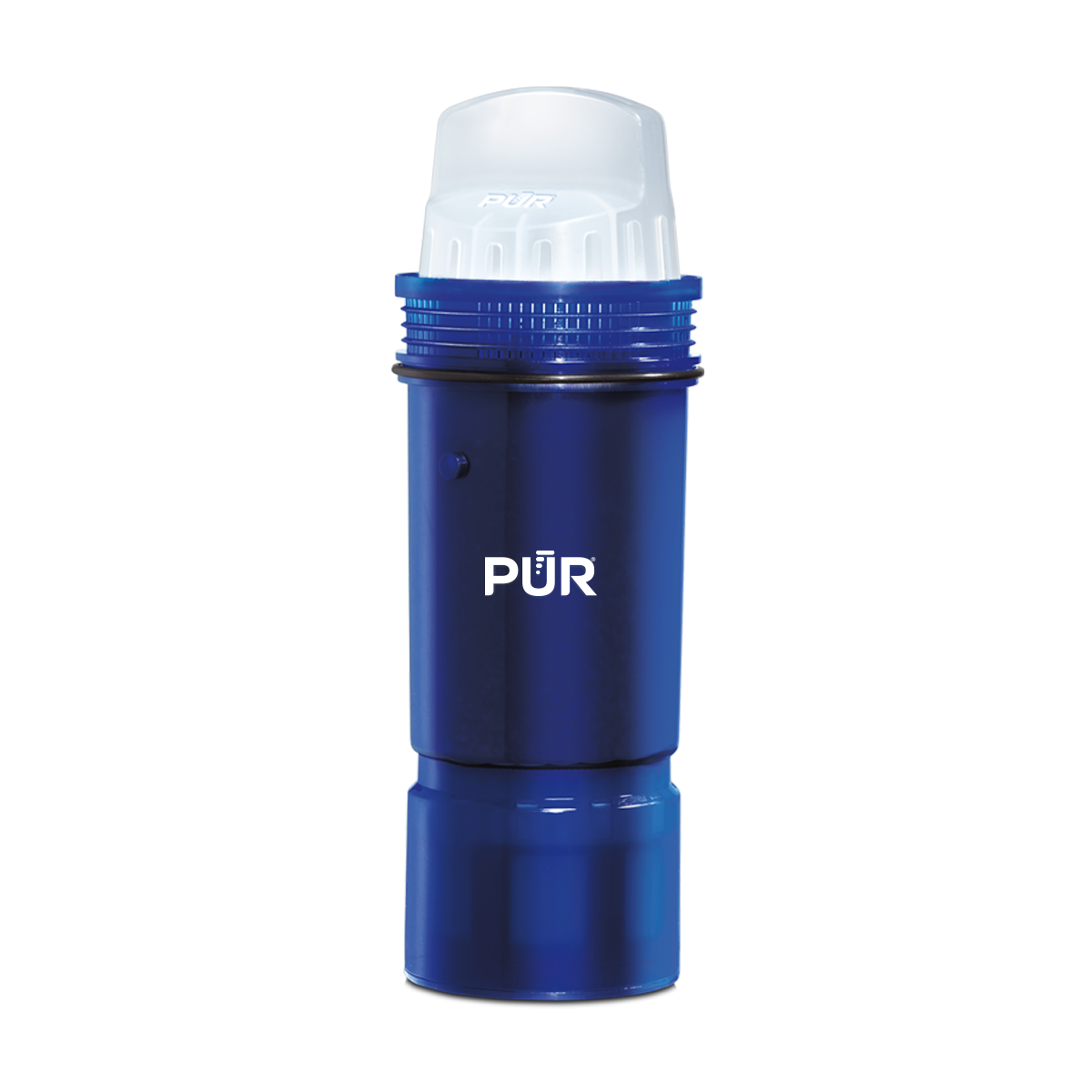
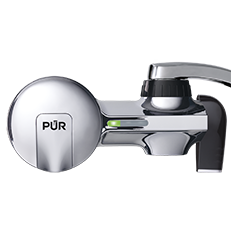
PUR & PUR PLUS FAUCET FILTERS
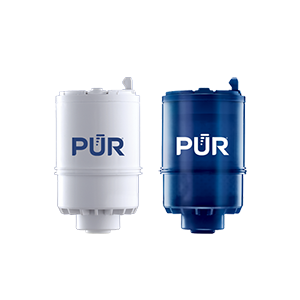
RF3375/RF9999

View Filters

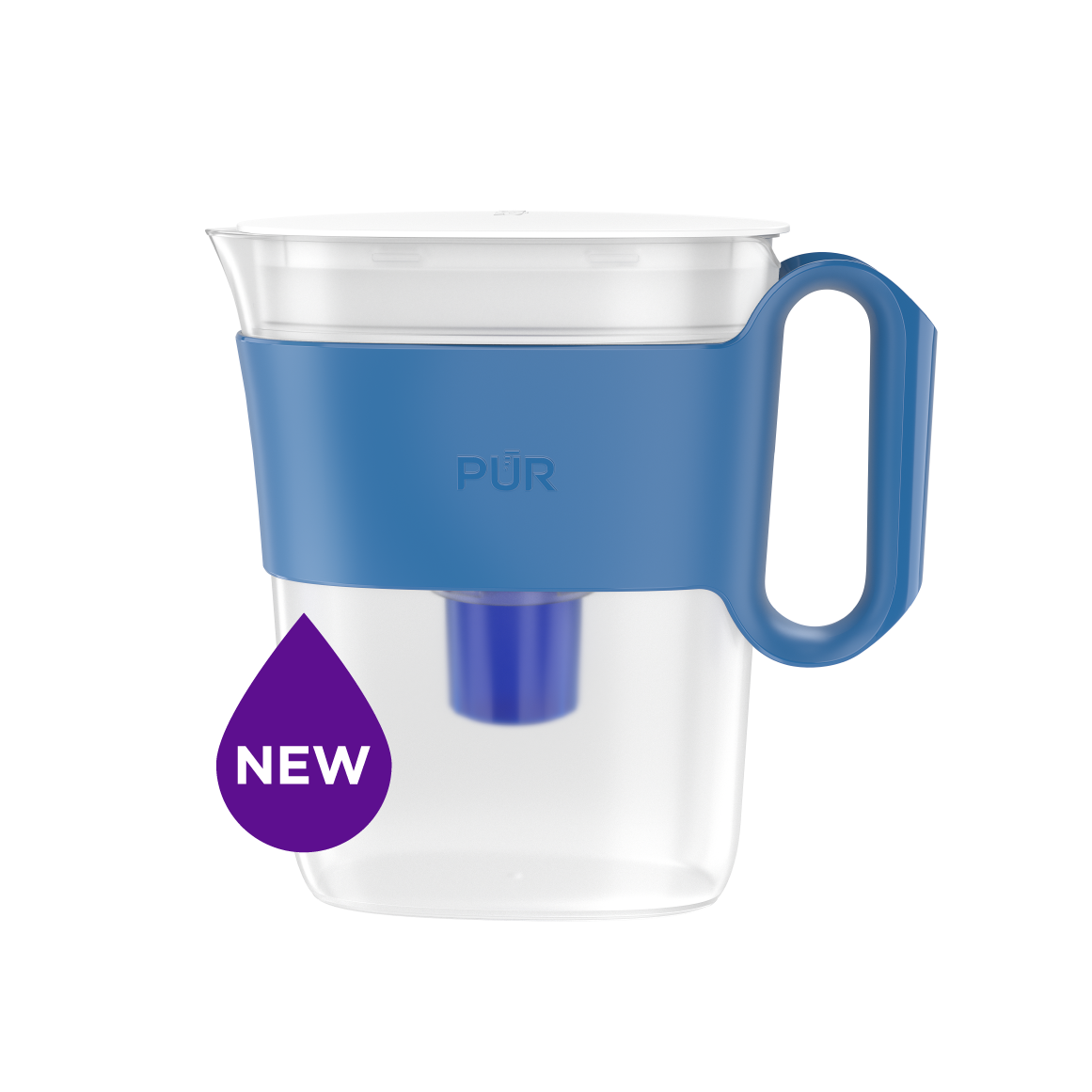
PUR PLUS PITCHER FILTERS
PPF951K

View Filter

PUR BASIC PITCHER FILTERS
PPF900Z

View Filter


Vs. Brita*

Lead
Microplastics
Mercury
Chlorine Taste & Odor
DEET
TTHM

PUR’s Filtration Systems Are Certified By NSF And WQA For Their Contamination Reduction. WQA certifications as of 5/27/21 for Faucet filter models RF-3375 and RF-9999.

¹ Certified to reduce 10X more chemical and physical substances than Brita’s® leading pitcher filter.
² Certified to reduce 3X more chemical and physical substances than Brita’s® leading pitcher filter.
³ Certified to reduce 2X more chemical and physical substances than Brita’s® leading pitcher filter.
*Versus best-selling Brita® pitcher filter OB03. Brita® is a trademark of Brita LP.
**Like other leading brands, PUR does not filter microbes. As of 3/1/23 Brita® and ZeroWater® were not certified to filter microbes. Brita® is a trademark of Brita LP. ZeroWater® is a trademark of Zero Technologies, LLC..
 

PUR & PUR PLUS FAUCET FILTERS


PUR & PUR PLUS FAUCET FILTERS
RF3375/RF9999

View Filters


Vs. Brita*

Lead
Microplastics
Mercury
Chlorine Taste & Odor
DEET
TTHM

PUR’s Filtration Systems Are Certified By NSF And WQA For Their Contamination Reduction. WQA certifications as of 5/27/21 for Faucet filter models RF-3375 and RF-9999.

¹ Certified to reduce 10X more chemical and physical substances than Brita’s® leading pitcher filter.
² Certified to reduce 3X more chemical and physical substances than Brita’s® leading pitcher filter.
³ Certified to reduce 2X more chemical and physical substances than Brita’s® leading pitcher filter.
*Versus best-selling Brita® pitcher filter OB03. Brita® is a trademark of Brita LP.
**Like other leading brands, PUR does not filter microbes. As of 3/1/23 Brita® and ZeroWater® were not certified to filter microbes. Brita® is a trademark of Brita LP. ZeroWater® is a trademark of Zero Technologies, LLC..
 

PUR PLUS PITCHER FILTERS


PUR PLUS PITCHER FILTERS
PPF951K

View Filter


Vs. Brita*

Lead
Microplastics
Mercury
Chlorine Taste & Odor
DEET
TTHM

PUR’s Filtration Systems Are Certified By NSF And WQA For Their Contamination Reduction. WQA certifications as of 5/27/21 for Faucet filter models RF-3375 and RF-9999.

¹ Certified to reduce 10X more chemical and physical substances than Brita’s® leading pitcher filter.
² Certified to reduce 3X more chemical and physical substances than Brita’s® leading pitcher filter.
³ Certified to reduce 2X more chemical and physical substances than Brita’s® leading pitcher filter.
*Versus best-selling Brita® pitcher filter OB03. Brita® is a trademark of Brita LP.
**Like other leading brands, PUR does not filter microbes. As of 3/1/23 Brita® and ZeroWater® were not certified to filter microbes. Brita® is a trademark of Brita LP. ZeroWater® is a trademark of Zero Technologies, LLC..

 

PUR BASIC PITCHER FILTERS


PUR BASIC PITCHER FILTERS
PPF900Z

View Filter


Vs. Brita*

Lead
Microplastics
Mercury
Chlorine Taste & Odor
DEET
TTHM

PUR’s Filtration Systems Are Certified By NSF And WQA For Their Contamination Reduction. WQA certifications as of 5/27/21 for Faucet filter models RF-3375 and RF-9999.

¹ Certified to reduce 10X more chemical and physical substances than Brita’s® leading pitcher filter.
² Certified to reduce 3X more chemical and physical substances than Brita’s® leading pitcher filter.
³ Certified to reduce 2X more chemical and physical substances than Brita’s® leading pitcher filter.
*Versus best-selling Brita® pitcher filter OB03. Brita® is a trademark of Brita LP.
**Like other leading brands, PUR does not filter microbes. As of 3/1/23 Brita® and ZeroWater® were not certified to filter microbes. Brita® is a trademark of Brita LP. ZeroWater® is a trademark of Zero Technologies, LLC..
 

How to Choose the Right Water Purification Systems for Your Needs?

Access to clean water is essential for health. According to the World Health Organization, 2 billion people lack safely managed drinking water. This statistic highlights the critical need for effective water purification systems. Proper filtration and purification can remove contaminants, ensuring water is safe for consumption. However, not all purification systems are created equal.

Selecting the right system can be challenging. Factors like water source, contaminants, and household needs come into play. For instance, reverse osmosis systems can eliminate dissolved solids. Yet, they may not address microbial contaminants effectively. In contrast, UV purifiers focus solely on bacteria and viruses but do not filter out chemical pollutants.

Understanding these differences is crucial. The choice of water purification system impacts daily health and wellness. Evaluating factors such as installation costs and maintenance is also essential. As consumers navigate these options, reflection on personal and regional water quality will guide their decisions.

How to Choose the Right Water Purification Systems for Your Needs?

Factors to Consider When Selecting a Water Purification System

Choosing the right water purification system is crucial. Several factors should guide your decision. Consider the source of your water. Is it from a well, a municipal supply, or a natural source? The quality of the water varies based on its origin. Test it if you're unsure. Understanding contaminants helps narrow down options.

Another important aspect is the type of system. Options can range from UV purifiers to reverse osmosis units. Each has its strengths. For example, UV systems effectively kill bacteria but don't remove heavy metals. Reflect on your needs. Do you need something for a single faucet, or a whole house solution? Space also matters; some systems require room for installation.

Tips: Always check the filtration capacity and maintenance requirements. Some systems need frequent filter changes. Costs can add up, so factor that in. Don't overlook the energy consumption as well. A system that works efficiently can save you money long-term. Consider your lifestyle; a unit that suits a busy family might not fit a single user. What matters is finding that balance.

Types of Water Purification Technologies Available on the Market

Choosing the right water purification system involves understanding the available technologies. Several options exist today, each suited for different needs. Among the popular methods are reverse osmosis, UV filtration, activated carbon, and distillation.

Reverse osmosis is effective at removing contaminants. It applies pressure to push water through a semipermeable membrane. However, it can waste a fair amount of water during the process. Consider this if water conservation is a priority.

UV filtration uses ultraviolet light to kill bacteria and viruses. It's fast and chemical-free. However, it does not remove dissolved solids. This could be a drawback for those in areas with heavy mineral content.

Tips: Evaluate your water source. Test for specific contaminants. Select a purification method that addresses these issues. Remember, some systems might require regular maintenance. This can be time-consuming or costly. Stay informed and adjust as needed.

Assessing Your Water Quality: Testing and Analysis Methods

How to Choose the Right Water Purification Systems for Your Needs?

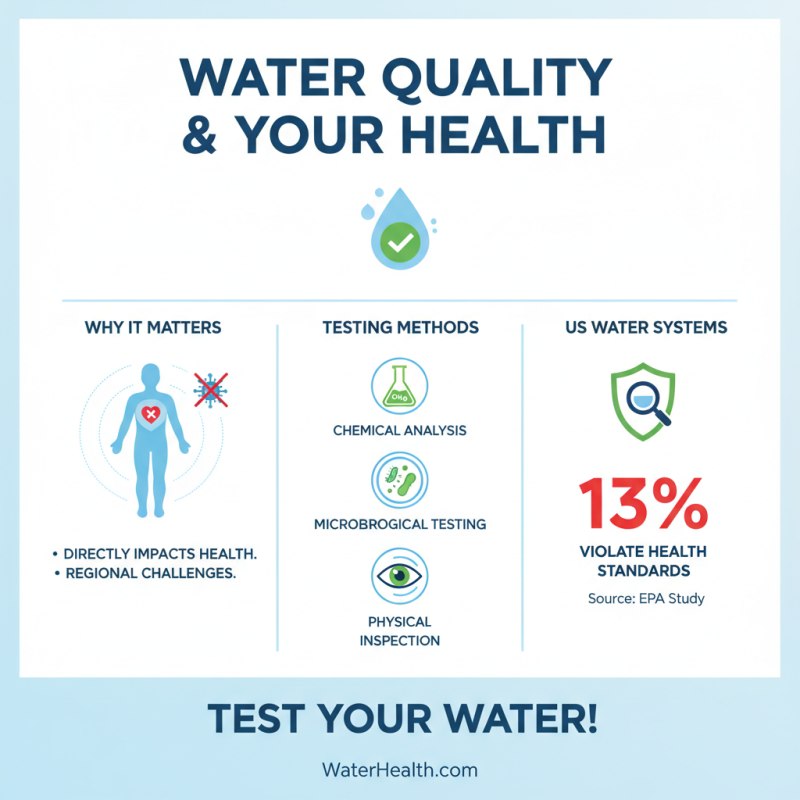
Water quality directly impacts health. Different regions face unique challenges. Testing your water is essential. Common methods include chemical analysis, microbiological testing, and physical inspection. A study by the Environmental Protection Agency (EPA) indicates that 13% of U.S. water systems violate health standards. This figure stresses the importance of testing.

Testing kits are available for home use. They measure substances like lead, nitrates, and chlorine. Results can vary widely. The World Health Organization (WHO) highlights that undetected contaminants can lead to serious diseases. For example, bacteria like E. coli can cause gastrointestinal illnesses. Regular testing protects your health.

Consider hiring professionals for comprehensive analysis. They use advanced technology for accurate results. Some contaminants require expert knowledge to interpret. Reflect on your testing methods. Are they sufficient for your needs? Understanding your water source is crucial. It informs your choice of purification systems. Choosing wisely can improve water safety and quality.

Determining Your Water Purification Needs: Volume and Usage

When considering water purification systems, the volume of water you need is crucial. Each household has different demands. A small family may only need a few gallons per day, while a large family might require significantly more. Assessing daily usage is essential to avoid shortages.

Tips: Measure your daily water consumption. Track how much water you use for drinking, cooking, and cleaning. This helps in understanding your specific needs.

Usage also plays a critical role. Do you want purified water for drinking only? Or do you need it for cooking and washing? Each purpose might require different filtration methods. Some systems are better for drinking, while others excel in treating larger volumes.

Tips: Identify how you use water most frequently. This knowledge can help you choose the right system. It may seem simple, but many overlook this step.

Don’t forget to consider future changes. If you plan to expand your family or change your lifestyle, your consumption will likely increase. Choose a system that can adapt to your future needs. It’s better to invest in a reliable system now than to face limitations later.

Water Purification Systems: Monthly Water Usage (Gallons)

Budgeting for Water Purification Systems: Cost vs. Long-Term Savings

When choosing a water purification system, budgeting is vital. The initial cost may seem daunting, yet it's essential to consider long-term savings. A more expensive unit might have lower maintenance costs. Over time, it can pay off significantly. Think about how often you'll need replacements. Cheaper filters might require frequent changes.

Look beyond the sticker price. Consider your daily water usage and family size. Larger households may benefit more from higher-capacity systems. Initial costs vary widely, making it easy to overlook long-term benefits. This could lead to spending more in the long run. Establish a budget, but don’t shy away from investing in a system that offers better efficiency and savings.

Analyze your local water quality. If contaminants are prevalent, more effective systems may be necessary. It might be tempting to choose lesser models. However, that choice could cost more as you fix issues. Regular maintenance is another consideration. Some systems require less upkeep, making them cost-effective. Evaluate all these factors carefully before deciding.

How to Choose the Right Water Purification Systems for Your Needs? - Budgeting for Water Purification Systems: Cost vs. Long-Term Savings

Water Purification Method Initial Cost ($) Annual Maintenance Cost ($) Filter Replacement Cost ($) Lifespan (Years) Total 5-Year Cost ($)
Reverse Osmosis 300 50 120 10 870
Activated Carbon 100 30 50 5 380
Ultraviolet (UV) 200 40 60 10 800
Distillation 150 20 30 5 370