Contaminant Comparison Chart

For a complete list of contaminants that PUR filters reduce, please view our Performance Data Sheets here.


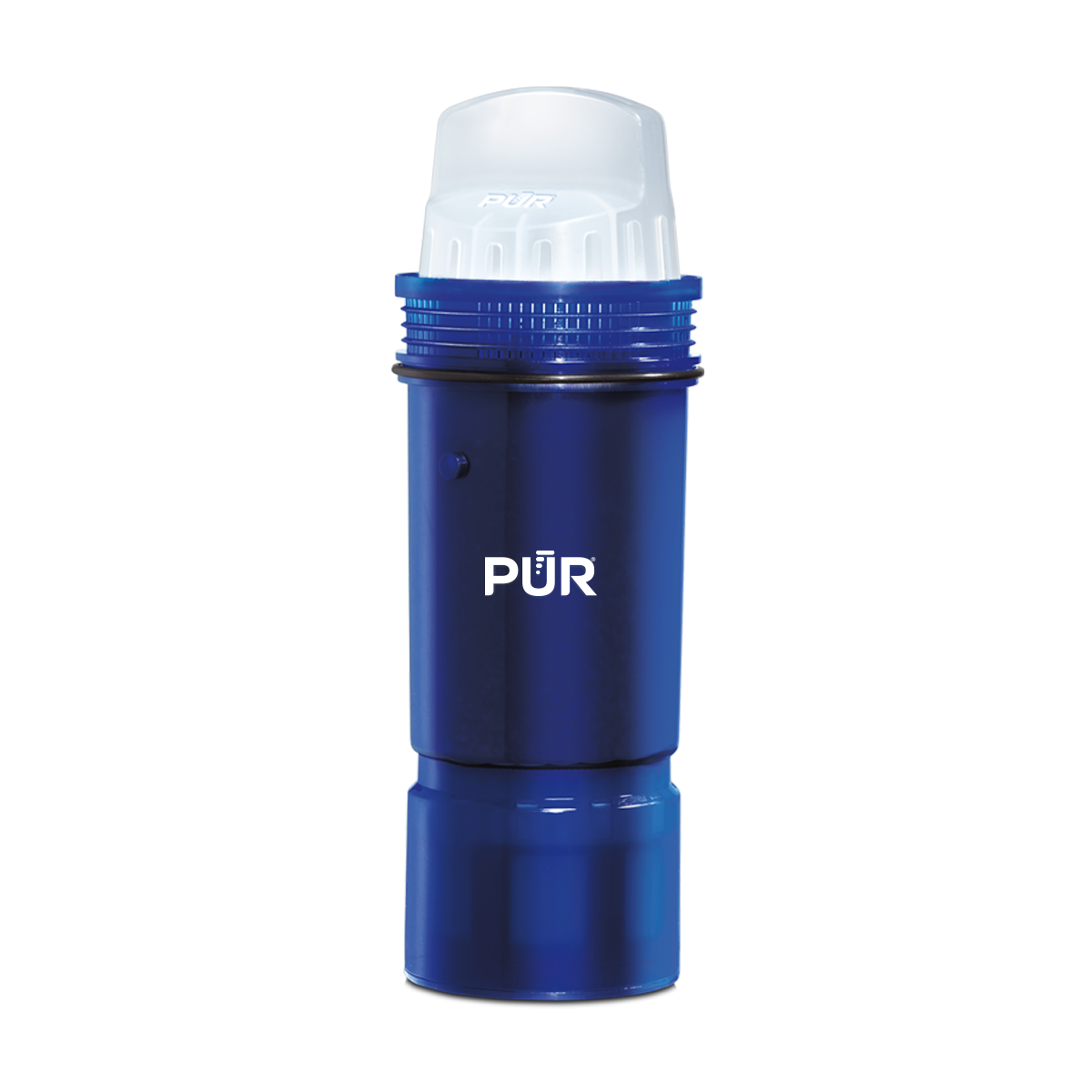
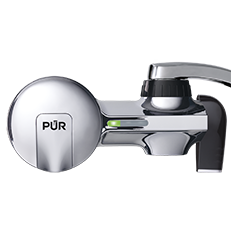
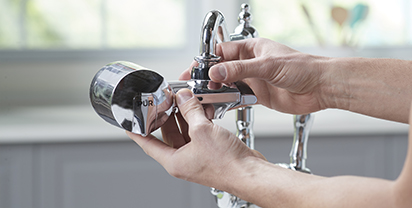
PUR & PUR PLUS FAUCET FILTERS
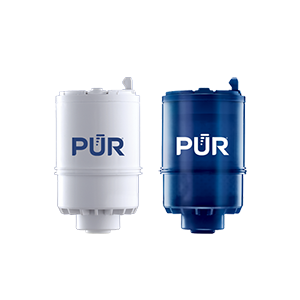
RF3375/RF9999

View Filters

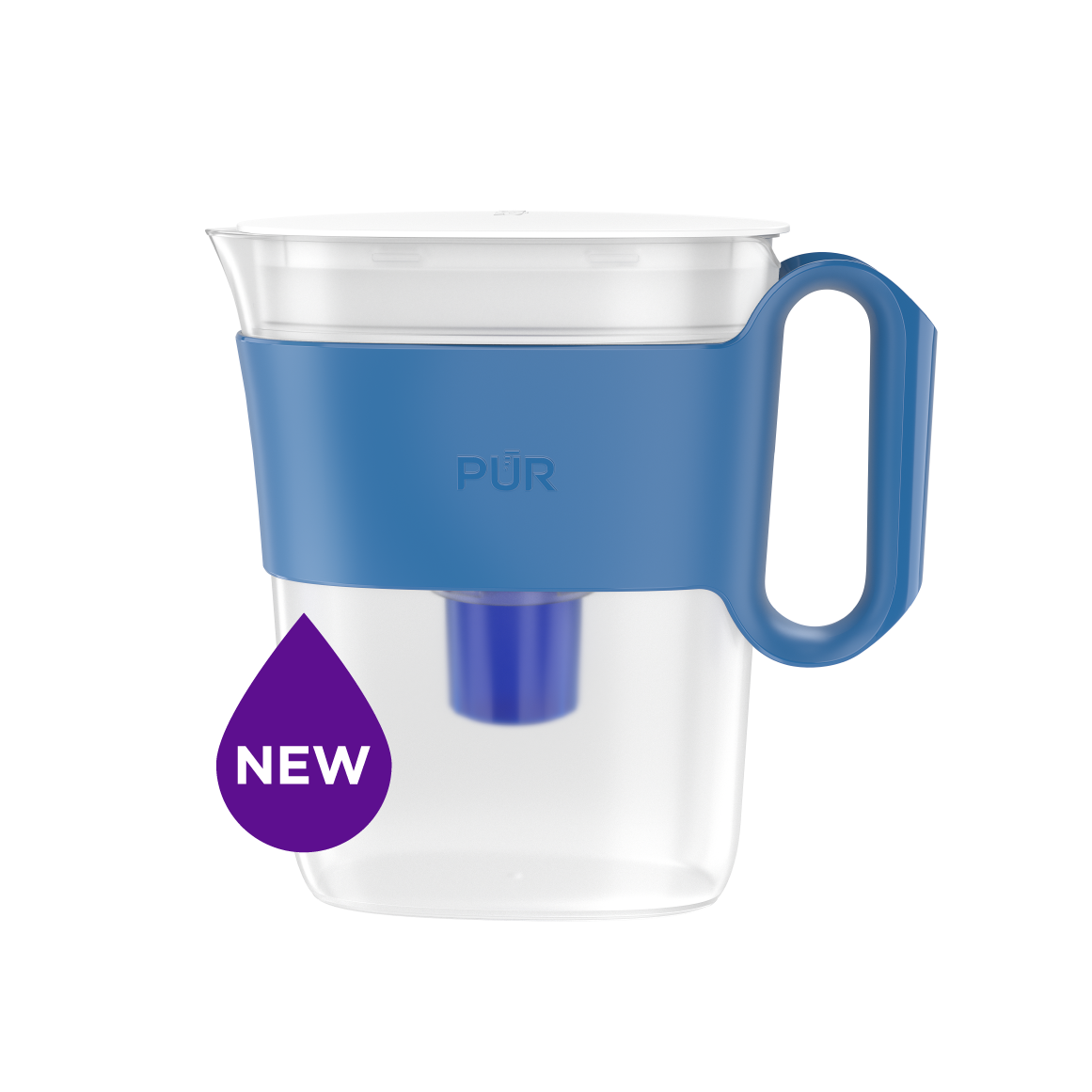
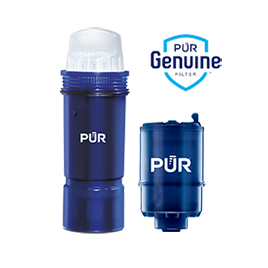
PUR PLUS PITCHER FILTERS
PPF951K

View Filter

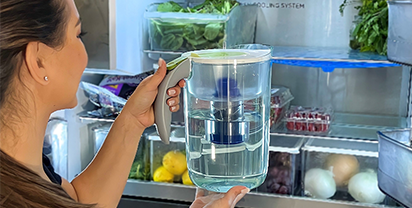
PUR BASIC PITCHER FILTERS
PPF900Z

View Filter


Vs. Brita*

Lead
Microplastics
Mercury
Chlorine Taste & Odor
DEET
TTHM

PUR’s Filtration Systems Are Certified By NSF And WQA For Their Contamination Reduction. WQA certifications as of 5/27/21 for Faucet filter models RF-3375 and RF-9999.

¹ Certified to reduce 10X more chemical and physical substances than Brita’s® leading pitcher filter.
² Certified to reduce 3X more chemical and physical substances than Brita’s® leading pitcher filter.
³ Certified to reduce 2X more chemical and physical substances than Brita’s® leading pitcher filter.
*Versus best-selling Brita® pitcher filter OB03. Brita® is a trademark of Brita LP.
**Like other leading brands, PUR does not filter microbes. As of 3/1/23 Brita® and ZeroWater® were not certified to filter microbes. Brita® is a trademark of Brita LP. ZeroWater® is a trademark of Zero Technologies, LLC..
 

PUR & PUR PLUS FAUCET FILTERS


PUR & PUR PLUS FAUCET FILTERS
RF3375/RF9999

View Filters


Vs. Brita*

Lead
Microplastics
Mercury
Chlorine Taste & Odor
DEET
TTHM

PUR’s Filtration Systems Are Certified By NSF And WQA For Their Contamination Reduction. WQA certifications as of 5/27/21 for Faucet filter models RF-3375 and RF-9999.

¹ Certified to reduce 10X more chemical and physical substances than Brita’s® leading pitcher filter.
² Certified to reduce 3X more chemical and physical substances than Brita’s® leading pitcher filter.
³ Certified to reduce 2X more chemical and physical substances than Brita’s® leading pitcher filter.
*Versus best-selling Brita® pitcher filter OB03. Brita® is a trademark of Brita LP.
**Like other leading brands, PUR does not filter microbes. As of 3/1/23 Brita® and ZeroWater® were not certified to filter microbes. Brita® is a trademark of Brita LP. ZeroWater® is a trademark of Zero Technologies, LLC..


PUR PLUS PITCHER FILTERS


PUR PLUS PITCHER FILTERS
PPF951K

View Filter


Vs. Brita*

Lead
Microplastics
Mercury
Chlorine Taste & Odor
DEET
TTHM

PUR’s Filtration Systems Are Certified By NSF And WQA For Their Contamination Reduction. WQA certifications as of 5/27/21 for Faucet filter models RF-3375 and RF-9999.

¹ Certified to reduce 10X more chemical and physical substances than Brita’s® leading pitcher filter.
² Certified to reduce 3X more chemical and physical substances than Brita’s® leading pitcher filter.
³ Certified to reduce 2X more chemical and physical substances than Brita’s® leading pitcher filter.
*Versus best-selling Brita® pitcher filter OB03. Brita® is a trademark of Brita LP.
**Like other leading brands, PUR does not filter microbes. As of 3/1/23 Brita® and ZeroWater® were not certified to filter microbes. Brita® is a trademark of Brita LP. ZeroWater® is a trademark of Zero Technologies, LLC..


PUR BASIC PITCHER FILTERS


PUR BASIC PITCHER FILTERS
PPF900Z

View Filter


Vs. Brita*

Lead
Microplastics
Mercury
Chlorine Taste & Odor
DEET
TTHM

PUR’s Filtration Systems Are Certified By NSF And WQA For Their Contamination Reduction. WQA certifications as of 5/27/21 for Faucet filter models RF-3375 and RF-9999.

¹ Certified to reduce 10X more chemical and physical substances than Brita’s® leading pitcher filter.
² Certified to reduce 3X more chemical and physical substances than Brita’s® leading pitcher filter.
³ Certified to reduce 2X more chemical and physical substances than Brita’s® leading pitcher filter.
*Versus best-selling Brita® pitcher filter OB03. Brita® is a trademark of Brita LP.
**Like other leading brands, PUR does not filter microbes. As of 3/1/23 Brita® and ZeroWater® were not certified to filter microbes. Brita® is a trademark of Brita LP. ZeroWater® is a trademark of Zero Technologies, LLC..


How to Choose Wax Candles for Wholesale Buyers?

Choosing Wax Candles for wholesale can look simple until the first shipment arrives. A warm fragrance, smooth surface, and attractive label may impress buyers, but these details do not prove consistent quality. Wholesale decisions require closer inspection. The wax blend, wick design, burn performance, container safety, packaging strength, and supplier reliability all affect customer satisfaction and repeat orders.

Start with the product’s intended market. A boutique may prefer hand-poured soy candles with subtle scents, while hotels often need clean branding and dependable batch consistency. Request samples before approving large quantities. Burn each sample in a controlled room, record the scent throw, observe the flame, and check whether the container becomes excessively hot. Small differences matter. A candle that tunnels after two hours can create returns and damage trust.

Cost is important, but the lowest quotation may hide weak packaging, unstable fragrance quality, or limited support. Ask suppliers about wax composition, fragrance load, wick testing, production capacity, lead times, and quality checks. Review product photos carefully, yet trust physical samples more. They reveal issues that polished images cannot show.

There is no perfect formula. Buyers may still misjudge demand or choose a scent that performs well technically but sells slowly. That risk deserves attention. A practical purchasing process should compare samples, supplier records, packaging tests, and customer preferences before scaling orders. Reliable Wax Candles are not selected by appearance alone. They are chosen through evidence, careful questions, and a willingness to reconsider early assumptions.

How to Choose Wax Candles for Wholesale Buyers?

Define Wholesale Demand with NCA’s 7-in-10 Household Usage Data

How to Choose Wax Candles for Wholesale Buyers?

The National Candle Association (NCA) reports that seven in ten U.S. households use candles. This figure changes wholesale planning. Candles are not rare gift items. They are recurring household products for relaxation, decoration, and fragrance.

For buyers, demand should guide wax selection. Soy wax suits customers seeking a softer, natural-looking finish. Paraffin wax usually delivers stronger scent throw and sharper molded details. Blended wax can balance appearance, cost, and burn performance.

Still, wax alone does not decide quality. Wick size, fragrance load, jar diameter, and curing time must work together.

Check real samples before placing large orders. Burn each candle for four hours, then inspect soot, tunneling, flame height, and container heat. ASTM candle-safety standards provide useful testing references, while consumer-safety agencies publish recall data that highlights recurring risks.

Packaging also deserves attention. A carton exposed to heat may soften wax surfaces during transport.

Small details become expensive quickly.

NCA consumer research supports broad household demand, but it does not guarantee every style will sell. That distinction is easy to miss. Review sales by scent family, vessel size, season, and price tier.

A 2023 global candle market analysis also identified home fragrance and decorative use as major demand drivers, although market estimates vary by methodology. I would keep the first order flexible, because the most attractive sample can still perform poorly on a crowded shelf.

Compare Soy, Paraffin, Beeswax, and Blended Wax Performance

How to Choose Wax Candles for Wholesale Buyers?

Wholesale buyers should compare wax by performance, cost, consistency, and customer expectations. Soy wax is plant-based and offers a smooth, soft appearance. It usually supports a gentle scent release and suits clean, minimalist designs. However, soy candles may frost, soften in warm warehouses, or show uneven surfaces after cooling. These changes can affect presentation during long-distance shipping.

Paraffin wax often provides strong fragrance projection and reliable color saturation. Its consistent texture can simplify large-scale production and quality checks. Beeswax burns slowly and has a firm structure, with a subtle natural honey aroma. It can support premium positioning, but its higher cost and natural color variation require careful purchasing plans. Some results disappoint. A candle may pass a factory test yet perform differently in a customer’s room.

Blended wax combines selected properties, such as soy’s appearance with paraffin’s scent performance. Some blends also improve hardness, reduce frosting, or support smoother container adhesion. I recommend requesting batch samples and testing them with the intended wick, fragrance level, vessel, and carton design. Record burn time, melt-pool width, soot, surface finish, and scent strength at several stages. Do not judge wax from one sample alone. I have seen an attractive first burn hide weak adhesion on the third test. Suppliers should provide clear specifications, safety documentation, batch tracking, and repeatable test data before wholesale approval.

How to Choose Wax Candles for Wholesale Buyers?

The chart compares typical performance characteristics of soy, paraffin, beeswax, and blended wax candles on a 1–5 benchmark scale. Scores reflect commonly observed wax properties: burn stability, fragrance performance, renewable content, and cost efficiency. Actual results may vary according to formulation, wick selection, fragrance load, and container size.

Assess Safety Compliance Under ASTM F2417 and NFPA Candle Guidance

Wholesale buyers should treat candle safety as a documented purchasing requirement, not a packaging claim. ASTM F2417 evaluates fire-safety risks, including flame height, tip-over behavior, secondary ignition, and the candle’s end of useful burn. Ask suppliers for recent, batch-linked laboratory reports, not only a general compliance statement. Check whether the tested wax, wick, fragrance load, vessel, and label match the production sample. Small formula changes can alter the flame.

NFPA reported an average of 7,400 home structure fires caused by candles annually from 2014 to 2018. These fires caused about 90 civilian deaths, 670 injuries, and 291 million dollars in direct property damage. NFPA candle guidance recommends stable holders, keeping candles at least 12 inches from combustible materials, and never leaving a burning candle unattended. Buyers should verify that warning labels communicate these practices clearly and remain readable after transport. Inspect cartons for heat exposure, cracked vessels, loose lids, and wick displacement. Evidence matters.

A practical review can include a controlled burn test, a tip-over check, and a final-burn observation. Record room conditions and burn times. This is not a perfect substitute for independent testing, but it can reveal obvious inconsistencies. I would also question unusually low prices when safety records are incomplete. Cost pressure is real. A missing report can cost more.

Calculate Wholesale Margins from Burn Time, Fragrance Load, and MOQ

Wholesale candle margins depend on more than unit price. Burn time, fragrance load, and MOQ can change the result quickly. The National Candle Association reports that candles are used in about 70% of U.S. households, showing strong everyday demand. Still, demand does not guarantee profit.

Start with a burn-time calculation. A candle costing $5.20 and selling wholesale for $9 gives a gross margin of 42.2%. If it burns for 45 hours, the cost is about $0.12 per burn hour.

Fragrance load matters too. In a 220-gram candle, an 8% load uses 17.6 grams of fragrance. At $20 per kilogram, that fragrance costs about $0.35. A lower 6% load uses 13.2 grams, but weaker scent performance may reduce repeat orders. Testing is essential.

42.2%
$0.12 per burn hour

MOQ creates a cash-flow risk. A 240-unit order at $5.20 requires $1,248 before freight, packaging, defects, and storage. Grand View Research estimated the global candle market would continue growing through 2030, but growth does not remove inventory pressure.

My first costing model was too neat. It ignored testing samples and slow-moving scents. Add at least 5% for defects and realistic logistics. Then compare landed cost, not factory price.

A 45-hour burn may look attractive, but tunneling can shorten real use. Record actual test results before approving a larger MOQ.

Verify Supplier Quality Through Batch Tests, Certifications, and Defect Rates

Wholesale candle buyers should verify quality at batch level, not trust attractive samples alone. Request three recent production batches, including wax type, fragrance load, wick specification, and pour date. Test burn time, flame height, soot, tunneling, glass temperature, and scent consistency. Record results from at least several units per batch.

Safety evidence matters. NFPA’s Home Candle Fires report links candles to thousands of residential fires annually in the United States, showing why burn testing deserves serious attention. Ask suppliers for test reports aligned with ASTM F2417, plus relevant container, fragrance, labeling, and destination-market compliance documents. Certificates should identify the factory, product code, test date, and laboratory. A generic PDF proves little.

Defect rates reveal operational control. Require a rolling 12-month report covering cracks, frosting, wick displacement, weak scent, incorrect labels, and shipping damage. Set a written acceptance limit, such as an agreed AQL level, then verify it through independent pre-shipment inspections. One failed batch should trigger root-cause analysis, not quiet replacement. I once treated a low defect percentage as sufficient evidence. That was too simple. A 1% defect rate can still mean 100 faulty candles in a 10,000-unit order. Keep retained samples, photographs, and burn-test records for every lot. Small details expose weak systems.