Contaminant Comparison Chart

For a complete list of contaminants that PUR filters reduce, please view our Performance Data Sheets here.


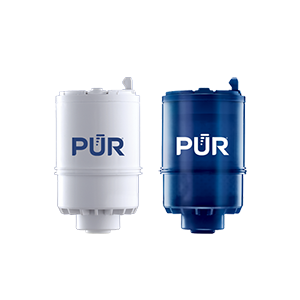
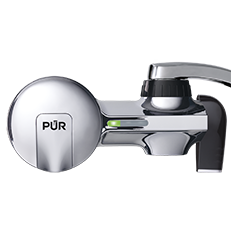
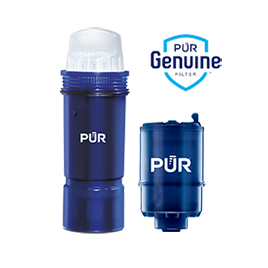
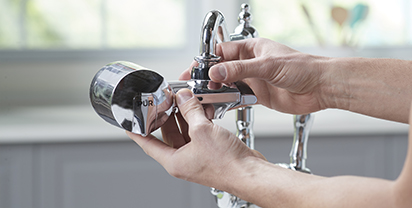
PUR & PUR PLUS FAUCET FILTERS
RF3375/RF9999

View Filters

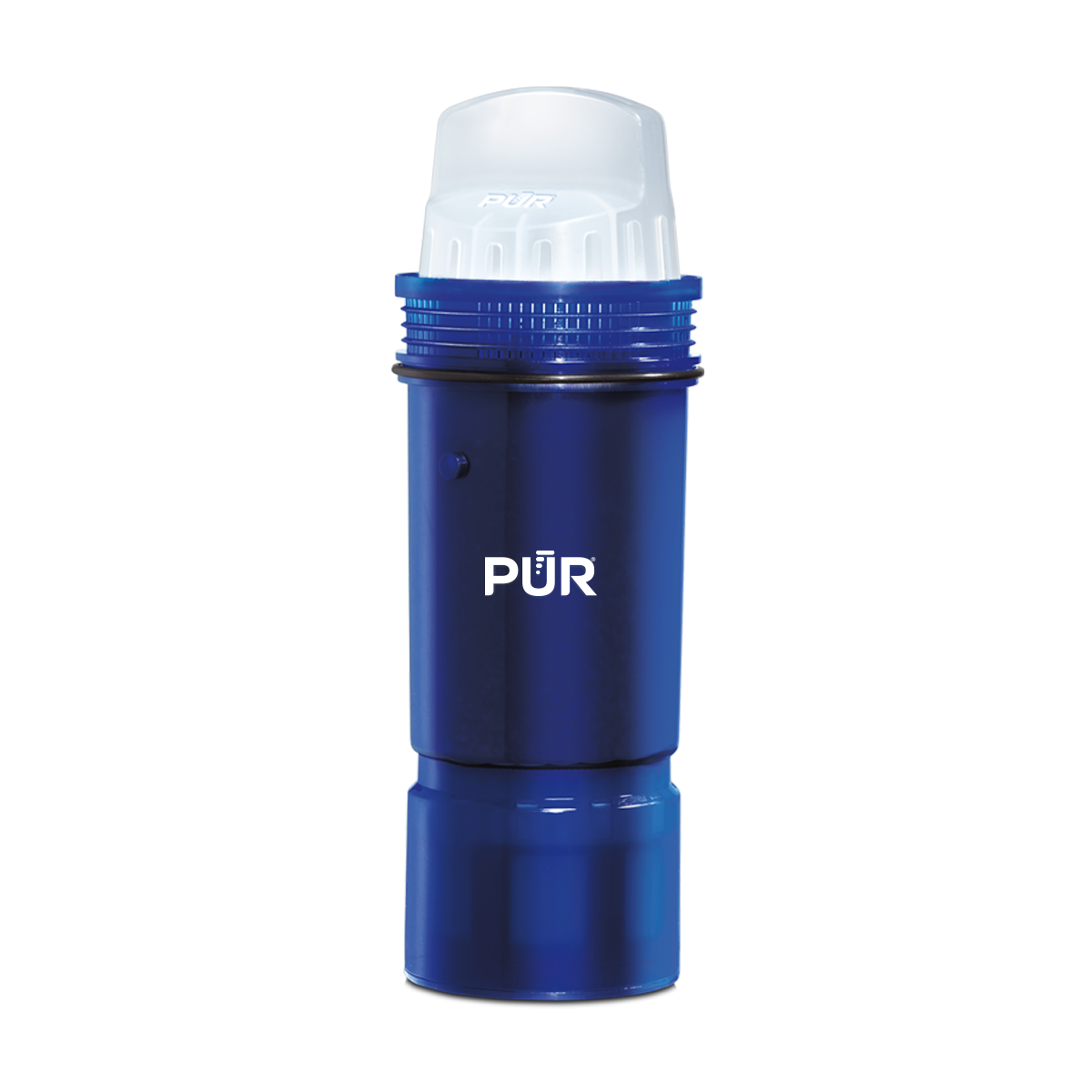
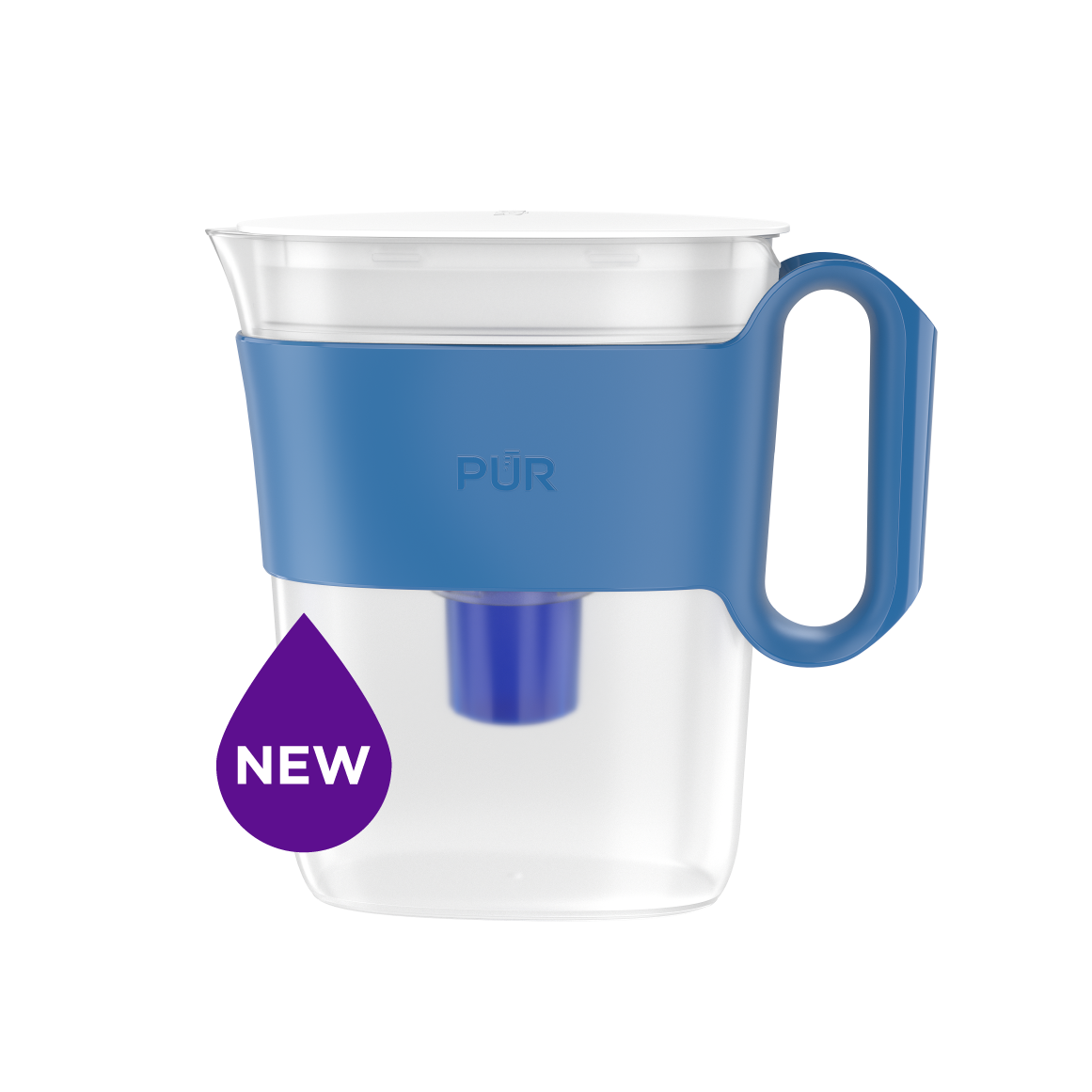
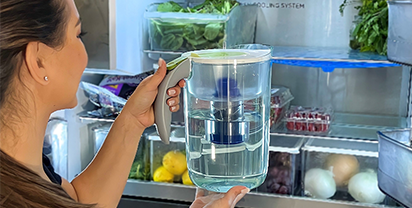
PUR PLUS PITCHER FILTERS
PPF951K

View Filter

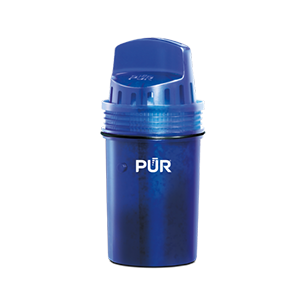
PUR BASIC PITCHER FILTERS
PPF900Z

View Filter


Vs. Brita*

Lead
Microplastics
Mercury
Chlorine Taste & Odor
DEET
TTHM

PUR’s Filtration Systems Are Certified By NSF And WQA For Their Contamination Reduction. WQA certifications as of 5/27/21 for Faucet filter models RF-3375 and RF-9999.

¹ Certified to reduce 10X more chemical and physical substances than Brita’s® leading pitcher filter.
² Certified to reduce 3X more chemical and physical substances than Brita’s® leading pitcher filter.
³ Certified to reduce 2X more chemical and physical substances than Brita’s® leading pitcher filter.
*Versus best-selling Brita® pitcher filter OB03. Brita® is a trademark of Brita LP.
**Like other leading brands, PUR does not filter microbes. As of 3/1/23 Brita® and ZeroWater® were not certified to filter microbes. Brita® is a trademark of Brita LP. ZeroWater® is a trademark of Zero Technologies, LLC..
 

PUR & PUR PLUS FAUCET FILTERS


PUR & PUR PLUS FAUCET FILTERS
RF3375/RF9999

View Filters


Vs. Brita*

Lead
Microplastics
Mercury
Chlorine Taste & Odor
DEET
TTHM

PUR’s Filtration Systems Are Certified By NSF And WQA For Their Contamination Reduction. WQA certifications as of 5/27/21 for Faucet filter models RF-3375 and RF-9999.

¹ Certified to reduce 10X more chemical and physical substances than Brita’s® leading pitcher filter.
² Certified to reduce 3X more chemical and physical substances than Brita’s® leading pitcher filter.
³ Certified to reduce 2X more chemical and physical substances than Brita’s® leading pitcher filter.
*Versus best-selling Brita® pitcher filter OB03. Brita® is a trademark of Brita LP.
**Like other leading brands, PUR does not filter microbes. As of 3/1/23 Brita® and ZeroWater® were not certified to filter microbes. Brita® is a trademark of Brita LP. ZeroWater® is a trademark of Zero Technologies, LLC..


PUR PLUS PITCHER FILTERS


PUR PLUS PITCHER FILTERS
PPF951K

View Filter


Vs. Brita*

Lead
Microplastics
Mercury
Chlorine Taste & Odor
DEET
TTHM

PUR’s Filtration Systems Are Certified By NSF And WQA For Their Contamination Reduction. WQA certifications as of 5/27/21 for Faucet filter models RF-3375 and RF-9999.

¹ Certified to reduce 10X more chemical and physical substances than Brita’s® leading pitcher filter.
² Certified to reduce 3X more chemical and physical substances than Brita’s® leading pitcher filter.
³ Certified to reduce 2X more chemical and physical substances than Brita’s® leading pitcher filter.
*Versus best-selling Brita® pitcher filter OB03. Brita® is a trademark of Brita LP.
**Like other leading brands, PUR does not filter microbes. As of 3/1/23 Brita® and ZeroWater® were not certified to filter microbes. Brita® is a trademark of Brita LP. ZeroWater® is a trademark of Zero Technologies, LLC..


PUR BASIC PITCHER FILTERS


PUR BASIC PITCHER FILTERS
PPF900Z

View Filter


Vs. Brita*

Lead
Microplastics
Mercury
Chlorine Taste & Odor
DEET
TTHM

PUR’s Filtration Systems Are Certified By NSF And WQA For Their Contamination Reduction. WQA certifications as of 5/27/21 for Faucet filter models RF-3375 and RF-9999.

¹ Certified to reduce 10X more chemical and physical substances than Brita’s® leading pitcher filter.
² Certified to reduce 3X more chemical and physical substances than Brita’s® leading pitcher filter.
³ Certified to reduce 2X more chemical and physical substances than Brita’s® leading pitcher filter.
*Versus best-selling Brita® pitcher filter OB03. Brita® is a trademark of Brita LP.
**Like other leading brands, PUR does not filter microbes. As of 3/1/23 Brita® and ZeroWater® were not certified to filter microbes. Brita® is a trademark of Brita LP. ZeroWater® is a trademark of Zero Technologies, LLC..


Essential Tips for Choosing a Body Composition Analyzer?

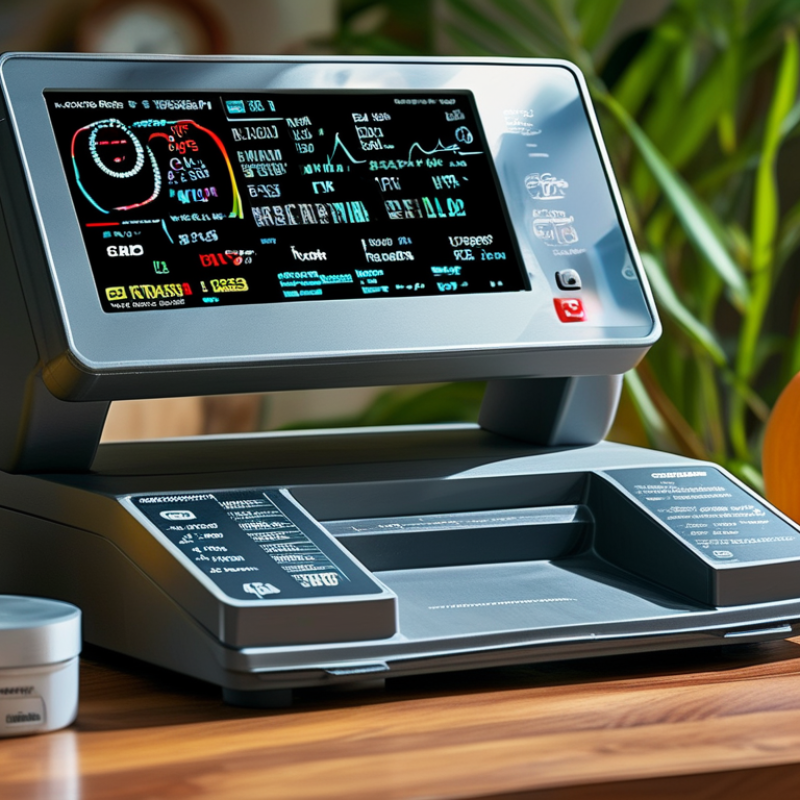
Choosing the right body composition analyzer can significantly impact your health journey. With various options available, it is crucial to understand what features matter most. Body composition analyzers measure your body fat, muscle mass, and other metrics. This information can provide valuable insights into your fitness goals.

Quality and accuracy are paramount when selecting an analyzer. Look for models with clinically validated results. Consider the ease of use and the technology involved, such as bioelectrical impedance. Reliability varies among brands, so reviews and expert opinions can guide your choice.

Reflect on what you hope to achieve. Are you tracking weight loss or muscle gain? Identifying your goals will steer you toward the right device. Remember, no analyzer is perfect. Regular calibration and understanding the data are necessary for optimal results. Making an informed choice can lead to meaningful health improvements.

Essential Tips for Choosing a Body Composition Analyzer?

Understanding Body Composition: What It Is and Why It Matters

Body composition is more than just weight. It refers to the distribution of fat, muscle, water, and bone in your body. Understanding body composition helps you see how healthy you are. It's vital for athletes and anyone looking to improve their fitness. Knowing your body composition can guide you in making better lifestyle choices.

Many people focus solely on the scale, but this can be misleading. Muscle weighs more than fat, so someone can appear fit without being at an ideal body fat percentage. A good analyzer can show you where your body stands. It provides insights into your muscle mass, fat percentage, and water levels. Understanding these numbers can provoke reflection on your health journey.

Choosing the right body composition analyzer requires knowledge and thought. Many devices vary in accuracy and features. A reliable option should have solid research backing its measurements. Look for reviews and studies that support the data provided by the device. Remember that no tool is perfect; they can only give you a snapshot of your body. Consider this information a starting point, not the end goal.

Body Composition Analysis: Understanding Key Metrics

This chart illustrates the average values of key body composition metrics for adult males. Understanding these components can help you choose the right body composition analyzer and assess your health effectively.

Types of Body Composition Analyzers: Pros and Cons of Each

When selecting a body composition analyzer, understanding the types available is crucial. There are several common types: bioelectrical impedance analysis (BIA), dual-energy X-ray absorptiometry (DEXA), and skinfold calipers. Each method has its unique advantages and setbacks.

BIA is widely used due to its convenience and affordability. Studies show that BIA offers reasonable accuracy, particularly for the general population. However, its results can be influenced by hydration levels, which introduces variability. In a clinical setting, BIA might not be ideal for those with specific medical conditions, as the margins for error can expand.

DEXA, on the other hand, is regarded as a gold standard. It provides precise measurements of body fat and lean mass. Its accuracy, supported by research from the Journal of Clinical Endocrinology & Metabolism, makes it a preferred choice for health professionals. Yet, DEXA machines are costly and not widely accessible for personal use. Skinfold calipers, while inexpensive, rely heavily on the skill of the technician. Human error can lead to inconsistent outcomes, prompting questions about reliability. Each option presents distinct pros and cons deserving careful consideration.

Key Features to Look for in a Body Composition Analyzer

When selecting a body composition analyzer, understanding its key features is crucial. Look for devices that accurately measure body fat percentage, muscle mass, and water percentage. Many analyzers utilize bioelectrical impedance analysis, which can provide quick, reliable results. However, results can vary based on hydration levels or recent activity, so consistency is important.

Another feature to consider is ease of use. A user-friendly interface will help you track changes over time. Some analyzers include mobile apps for data visualization. Yet, not all apps are intuitive. A complicated app can lead to frustration, making it hard to interpret your results accurately.

Calibration is essential for reliability. Check if the device offers regular updates or prompts for recalibration. Many users overlook this aspect, leading to skewed results. While some models claim high accuracy, real-world usage can differ. Ensuring the analyzer is calibrated regularly can enhance its effectiveness and help you stay motivated on your fitness journey.

Essential Tips for Choosing a Body Composition Analyzer

Feature Description Importance
Accuracy The precision of the body fat percentage and muscle mass readings. Crucial for reliable health assessments.
Measurement Methods Different methodologies like Bioelectrical Impedance Analysis (BIA) or Dual-Energy X-ray Absorptiometry (DEXA). Impacts the quality and type of data provided.
User Interface Ease of use and intuitiveness of the device's display and controls. Enhances user experience and data interpretation.
Connectivity Options for Bluetooth or Wi-Fi connectivity for data syncing to apps. Facilitates tracking progress over time.
Body Metrics Various metrics such as body fat percentage, muscle mass, bone density, and hydration levels. Provides comprehensive health insights.
Portability Size and weight of the analyzer for ease of transport. Important for users who travel frequently.
Battery Life Duration the device can operate on a single charge. Ensures accessibility during workouts or trips.

Accuracy and Reliability: Ensuring Quality Measurements

When selecting a body composition analyzer, accuracy and reliability are paramount. Quality measurements help you track your fitness progress. Inaccurate readings can lead to misguided fitness plans. Look for devices that provide precise data regarding body fat, muscle mass, and hydration levels. Seek out models with multiple validation studies backing their accuracy to ensure you’re making informed decisions.

Understanding the technology behind these analyzers is crucial. For example, bioelectrical impedance analysis (BIA) can be sensitive to factors like hydration levels. A dehydrated state could yield skewed results. Regular calibration is vital for enduring accuracy. It is worth considering that even high-rated devices might have limitations. Proper usage is essential. Follow guidelines closely to achieve the best results.

Lastly, consult reviews and professional opinions for additional insights. Community feedback can highlight common issues users face. Ensure you’re aware of the strengths and weaknesses of each device. Focus on a model that resonates with your specific needs. Remember, the ultimate goal is to support your fitness journey effectively.

Price vs. Performance: Finding the Right Analyzer for Your Budget

When considering a body composition analyzer, understanding the balance between price and performance is crucial. Many entry-level analyzers can provide basic data, but they might lack accuracy. A recent industry report revealed that accuracy varies significantly across different models. High-end devices can offer precise measurements, while budget options might deliver results with a margin of error up to 5%. This discrepancy can impact health decisions, making it essential to choose wisely based on your needs.

The cost of a quality analyzer often correlates with its features. More expensive models typically include multi-frequency analysis and advanced algorithms. These features enhance the precision of body fat percentage and muscle mass readings. A budget-friendly model may leave out these elements, potentially leading to misleading data. It’s worth noting that investing in a reliable device pays off in long-term health monitoring.

When choosing an analyzer, think carefully. Look for devices that offer a good balance of features and accuracy within your budget. Digital connectivity for tracking progress is a plus. Conducting thorough research and reading user reviews can help identify reputable options. The right analyzer will be a valuable tool in your health journey, keeping you informed and motivated.