
Contaminant Comparison Chart

For a complete list of contaminants that PUR filters reduce, please view our Performance Data Sheets here.


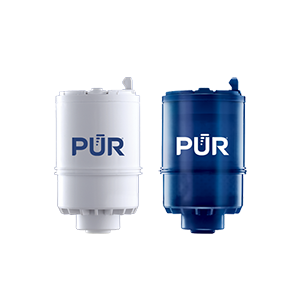
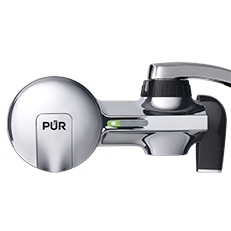
PUR & PUR PLUS FAUCET FILTERS
RF3375/RF9999

View Filters

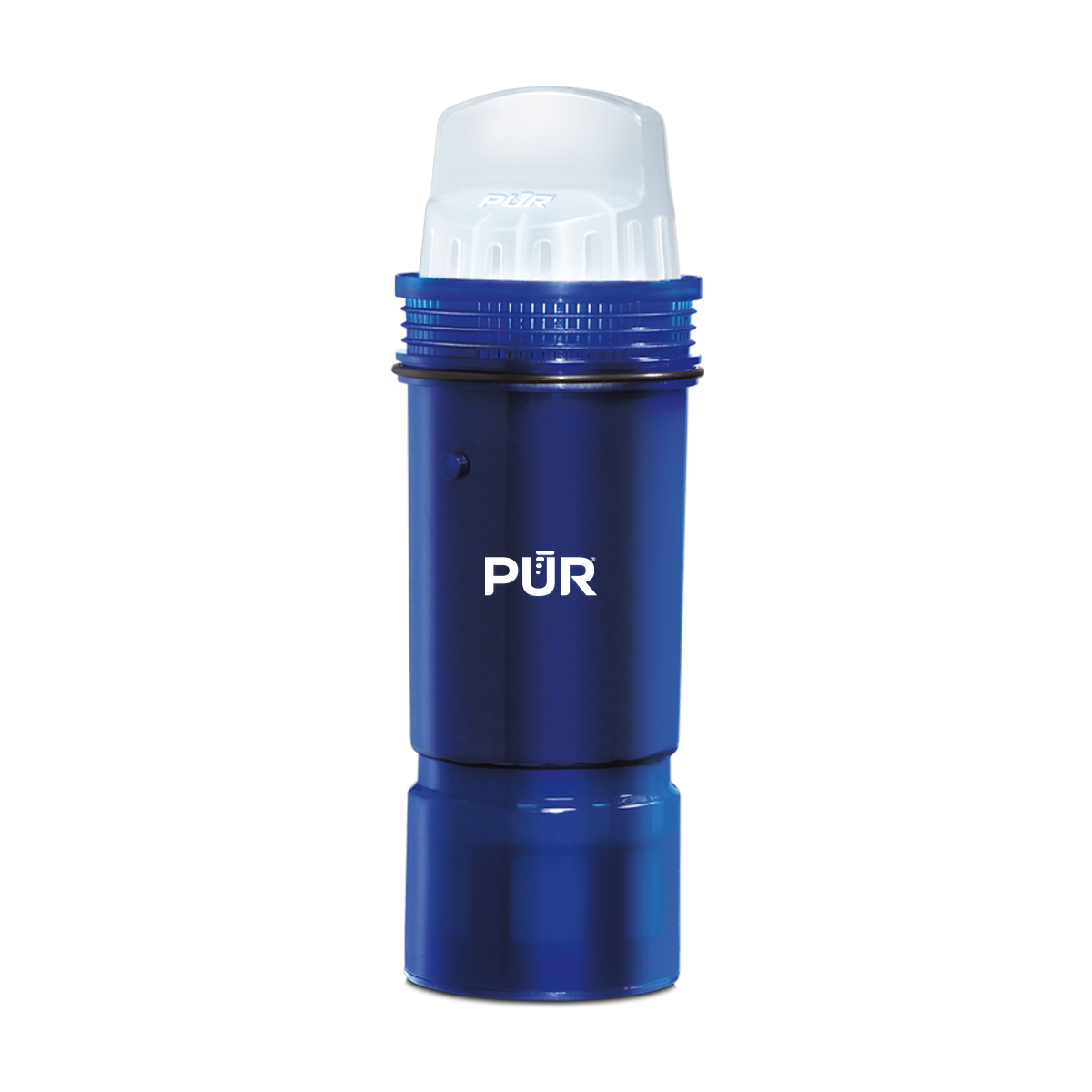
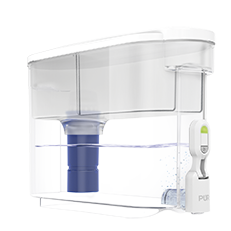
PUR PLUS PITCHER FILTERS
PPF951K

View Filter

PUR BASIC PITCHER FILTERS
PPF900Z

View Filter


Vs. Brita*

Lead ✓ ✓
Microplastics ✓ ✓
Mercury ✓ ✓ ✓
Chlorine Taste & Odor ✓ ✓ ✓
DEET ✓
TTHM ✓

PUR’s Filtration Systems Are Certified By NSF And WQA For Their Contamination Reduction. WQA certifications as of 5/27/21 for Faucet filter models RF-3375 and RF-9999.

¹ Certified to reduce 10X more chemical and physical substances than Brita’s® leading pitcher filter.
² Certified to reduce 3X more chemical and physical substances than Brita’s® leading pitcher filter.
³ Certified to reduce 2X more chemical and physical substances than Brita’s® leading pitcher filter.
*Versus best-selling Brita® pitcher filter OB03. Brita® is a trademark of Brita LP.
**Like other leading brands, PUR does not filter microbes. As of 3/1/23 Brita® and ZeroWater® were not certified to filter microbes. Brita® is a trademark of Brita LP. ZeroWater® is a trademark of Zero Technologies, LLC..
 

PUR & PUR PLUS FAUCET FILTERS


PUR & PUR PLUS FAUCET FILTERS
RF3375/RF9999

View Filters


Vs. Brita*

Lead ✓
Microplastics ✓
Mercury ✓
Chlorine Taste & Odor ✓
DEET ✓
TTHM ✓

PUR’s Filtration Systems Are Certified By NSF And WQA For Their Contamination Reduction. WQA certifications as of 5/27/21 for Faucet filter models RF-3375 and RF-9999.

¹ Certified to reduce 10X more chemical and physical substances than Brita’s® leading pitcher filter.
² Certified to reduce 3X more chemical and physical substances than Brita’s® leading pitcher filter.
³ Certified to reduce 2X more chemical and physical substances than Brita’s® leading pitcher filter.
*Versus best-selling Brita® pitcher filter OB03. Brita® is a trademark of Brita LP.
**Like other leading brands, PUR does not filter microbes. As of 3/1/23 Brita® and ZeroWater® were not certified to filter microbes. Brita® is a trademark of Brita LP. ZeroWater® is a trademark of Zero Technologies, LLC..


PUR PLUS PITCHER FILTERS


PUR PLUS PITCHER FILTERS
PPF951K

View Filter


Vs. Brita*

Lead ✓
Microplastics ✓
Mercury ✓
Chlorine Taste & Odor ✓
DEET
TTHM

PUR’s Filtration Systems Are Certified By NSF And WQA For Their Contamination Reduction. WQA certifications as of 5/27/21 for Faucet filter models RF-3375 and RF-9999.

¹ Certified to reduce 10X more chemical and physical substances than Brita’s® leading pitcher filter.
² Certified to reduce 3X more chemical and physical substances than Brita’s® leading pitcher filter.
³ Certified to reduce 2X more chemical and physical substances than Brita’s® leading pitcher filter.
*Versus best-selling Brita® pitcher filter OB03. Brita® is a trademark of Brita LP.
**Like other leading brands, PUR does not filter microbes. As of 3/1/23 Brita® and ZeroWater® were not certified to filter microbes. Brita® is a trademark of Brita LP. ZeroWater® is a trademark of Zero Technologies, LLC..


PUR BASIC PITCHER FILTERS


PUR BASIC PITCHER FILTERS
PPF900Z

View Filter


Vs. Brita*

Lead
Microplastics
Mercury ✓
Chlorine Taste & Odor ✓
DEET
TTHM

PUR’s Filtration Systems Are Certified By NSF And WQA For Their Contamination Reduction. WQA certifications as of 5/27/21 for Faucet filter models RF-3375 and RF-9999.

¹ Certified to reduce 10X more chemical and physical substances than Brita’s® leading pitcher filter.
² Certified to reduce 3X more chemical and physical substances than Brita’s® leading pitcher filter.
³ Certified to reduce 2X more chemical and physical substances than Brita’s® leading pitcher filter.
*Versus best-selling Brita® pitcher filter OB03. Brita® is a trademark of Brita LP.
**Like other leading brands, PUR does not filter microbes. As of 3/1/23 Brita® and ZeroWater® were not certified to filter microbes. Brita® is a trademark of Brita LP. ZeroWater® is a trademark of Zero Technologies, LLC..


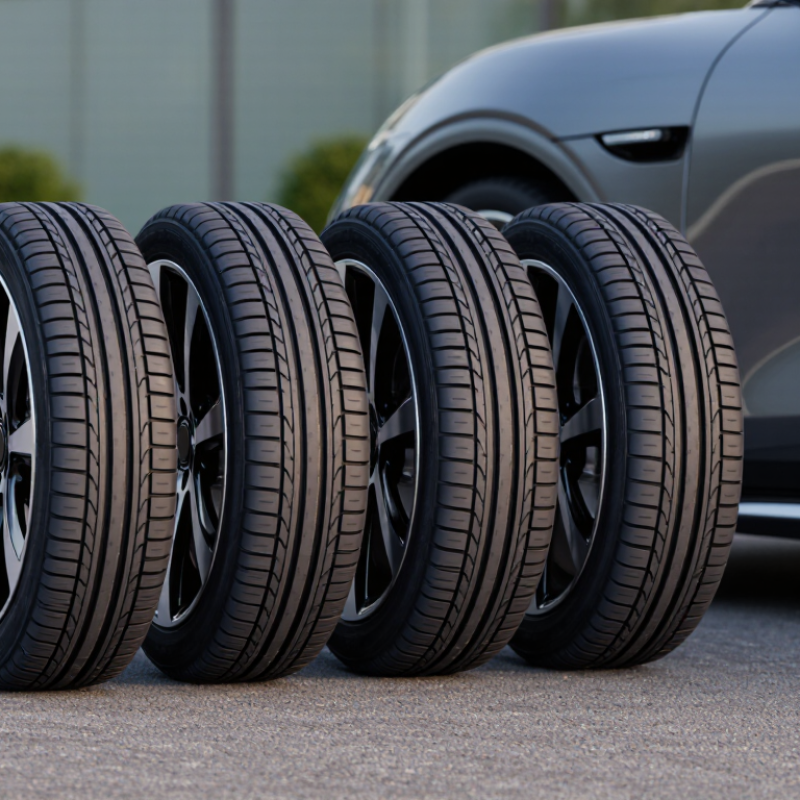
What Are EV Tires and How Are They Different?

Electric vehicles ask more of their tires than many drivers realize. Their battery packs add weight, while electric motors can deliver strong torque the moment the light turns green. That combination affects traction, tread wear, and rolling resistance. Cabin quiet matters, too. A faint hum on a rough road can become hard to ignore when the engine is silent.

So, what are EV tires, and how are they different? They are tires designed or selected to address some of these demands. Depending on the model, they may use reinforced construction, tread patterns tuned for lower noise, or compounds intended to balance grip and efficiency. The sidewall may look ordinary. The engineering choices beneath the surface are less obvious. Not every electric vehicle requires a tire labeled for EVs, and not every EV tire suits every car. That detail is easy to miss.

A verified expert quotation belongs here, but no source article or expert name was supplied, so attributing a statement would risk inventing a quote. An appropriate specialist can explain how load rating, tire pressure, driving style, and road conditions affect real-world performance. Those details matter more than a badge alone. A tire that reduces energy loss may help range, but grip, braking, comfort, and durability still count. The trade-offs are not always neat. This guide explores what EV tires are, how they differ from conventional tires, and what drivers should check before choosing a set.

What Are EV Tires and How Are They Different?

What EV Tires Are and How They Support Electric Vehicles

EV tires are designed to handle the everyday demands of electric vehicles. Battery packs often make these cars heavier than comparable gasoline models, while electric motors deliver strong torque quickly. Tires must manage that weight and force without wearing too fast. Many EV-focused designs also aim to reduce rolling resistance, which can help preserve driving range. Some use reinforced construction or tread patterns intended to support the vehicle’s load and grip.

Cabin quietness matters. A low hum from ordinary tires can become surprisingly noticeable when the engine is silent. Still, an EV does not always need a tire labeled specifically for electric vehicles. The right choice depends on the car’s load requirements, wheel size, climate, and driving habits. I would not treat “EV tire” as a guarantee of longer range or better handling; real results vary.

Tips: Check the load rating and tire size listed in your owner’s manual. Keep pressure near the recommended level, and inspect tread regularly. Small details count.

If replacing tires, compare wet braking, comfort, and expected mileage alongside rolling resistance. A tire that saves a little energy may feel less comfortable or perform differently in rain. That trade-off is easy to overlook. I’ve found that checking pressure on a cold morning gives a more useful reading than guessing after a long drive.

What Are EV Tires and How Are They Different? — What EV Tires Are and How They Support Electric Vehicles

Dimension What EV Tires Are Designed to Address How This Can Support an Electric Vehicle What Drivers Should Know
Vehicle weight and load Some EV tires use construction and load ratings suited to the weight of the specific vehicle, including its battery pack. Correctly rated tires help carry the vehicle’s load within the tire’s specified limits. Choose the size and load rating specified by the vehicle manufacturer; not every EV is heavier than every comparable gasoline vehicle.
Instant torque Tread compounds and patterns may be developed to handle the acceleration characteristics of an electric drivetrain. Suitable tires can help maintain traction during acceleration. Rapid acceleration can increase tire wear. Driving style, alignment, road conditions, and maintenance also affect tread life.
Rolling resistance Some EV-focused tires are engineered to reduce energy lost as the tire rolls. Lower rolling resistance can help reduce energy consumption and may support driving range. Range depends on many factors, including speed, temperature, terrain, tire pressure, and vehicle design. Low rolling resistance does not guarantee a particular range increase.
Cabin noise Tread design and, in some models, sound-absorbing materials may be used to reduce tire-generated noise. Reducing road noise can make the cabin feel quieter, especially because electric vehicles produce less engine noise. Noise varies with pavement, tire wear, vehicle insulation, and speed; no tire can eliminate road noise completely.
Grip and handling EV tires balance traction, handling, comfort, efficiency, and durability for a particular vehicle application. Appropriate grip supports braking and control in the conditions for which the tire is designed. Wet-weather and winter performance depend on the tire’s design and condition. Use a tire suitable for the climate and season.
Tire pressure and maintenance EV tires still rely on correct inflation, regular inspections, and proper wheel alignment. Maintaining the recommended pressure supports handling and can help limit unnecessary energy use and uneven wear. Check pressure when tires are cold and follow the vehicle’s recommended pressure—not the maximum pressure printed on the tire sidewall.
Are EV tires a separate tire category? “EV tire” generally describes tires designed or marketed with electric-vehicle needs in mind; it is not a universal construction standard. A tire suited to an EV can address a combination of load, efficiency, noise, traction, and wear considerations. Some conventional tires may also be suitable for an EV. Confirm fitment, load capacity, speed rating, and vehicle-manufacturer guidance.

Key takeaway: EV tires are designed to meet the requirements of a particular electric vehicle, but features and benefits vary by tire and vehicle. Always follow the vehicle manufacturer’s tire specifications.

Key Design Features of Tires Made for Electric Vehicles

EV-specific tires are designed around the weight, torque, and quiet cabins common in electric vehicles. Battery packs can make an EV heavier than a similar-sized gasoline car. That extra load places more stress on the tire’s structure, especially during cornering and braking. Reinforced construction can help support the vehicle, but the right tire still depends on its size and load rating.

Electric motors deliver power quickly, so tread and rubber compounds are tuned to manage grip and wear under strong acceleration. Many EV tires also use low-rolling-resistance designs to reduce energy loss and support driving range. The trade-off is real: a design that prioritizes efficiency may feel different from one focused on wet grip or sporty handling. Small details matter. Tread patterns and sound-absorbing layers can reduce road noise, which is more noticeable in a quiet cabin. They cannot erase every hum or vibration.

There is no single tire design that suits every electric car. Some vehicles use tires with special foam inside; others manage noise through tread design alone. A tire’s sidewall markings, load rating, and recommended pressure are practical checks, not minor details. Underinflation can increase heat and uneven wear, while aggressive driving can shorten tread life. Even purpose-made EV tires involve compromises, and the best choice is not always obvious from the label.

How EV Tires Differ from Conventional Tires

Electric vehicles place different demands on tires, though the differences are not always obvious from the tread. Battery packs add weight, and electric motors deliver strong torque quickly. That extra force can increase tread wear, especially during hard acceleration. Quiet cabins also make tire noise easier to notice. Small details matter.

EV tires may use reinforced construction to support vehicle weight and maintain stable handling. Their tread patterns and rubber compounds can be designed to reduce rolling resistance, helping the vehicle travel farther on a charge. Some also include features that limit road noise, such as carefully shaped tread blocks. The trade-off is real: a tire optimized for efficiency may feel less responsive in certain conditions, and performance varies by design.

Conventional tires can still be suitable for an electric vehicle when they meet its load and speed requirements. Check the vehicle’s manual and the tire’s specifications rather than relying on appearance alone. Pay attention to load capacity, pressure, and the recommended size. Underinflated tires can waste energy and wear unevenly. I’ve seen tire choices treated as an afterthought; that can be costly, even if the difference is not dramatic on every trip. A brief pressure check helps.

Benefits and Trade-Offs of Using EV-Specific Tires

EV-specific tires are designed around the demands of electric vehicles, not just their power source. Many use low-rolling-resistance compounds to reduce energy loss and support driving range. Some include sound-damping foam, which can soften tire noise in a quiet cabin. Reinforced construction and suitable load ratings help handle a vehicle’s weight. Small differences matter. The results still depend on the tire, vehicle, road surface, and driving habits.

The trade-offs are real. Low-resistance designs may prioritize efficiency over grip or ride comfort, though this varies by model. EV-specific tires can also cost more, especially in less common sizes. Heavy vehicles and strong acceleration may contribute to faster wear, but inflation, alignment, and driving style matter too. Range gains are generally modest and vary with conditions. There is no perfect choice. Check the vehicle manual or tire placard for approved sizes and load ratings, then compare wet-weather performance, noise, expected wear, and price. A short test drive on familiar roads can reveal comfort differences that specifications alone miss.

How to Choose and Maintain Tires for an Electric Vehicle

EV tires are designed around the demands of electric driving: substantial vehicle weight, instant torque, and a quiet cabin that can make road noise more noticeable. When choosing replacements, match the size, load index, and speed rating listed on the vehicle placard or in its manual. A tire marketed for EVs is not automatically the right fit. Small details matter.

Low rolling resistance can help conserve energy, but wet grip and braking performance deserve equal attention. The U.S. Department of Energy’s fueleconomy.gov says properly inflated tires improve fuel economy by about 0.6% on average, and up to 3%. That figure measures gasoline vehicles, so it should not be treated as a precise EV-range gain. Still, it shows why pressure checks are worthwhile. Check tires when cold, at least monthly, and use the vehicle’s recommended pressure—not the maximum printed on the tire sidewall.

Rotate tires on the schedule in the owner’s manual, since driven wheels may wear faster under strong electric torque. Check tread and sidewalls for uneven wear, cuts, or bulges; uneven wear can also point to alignment problems. NHTSA advises replacing tires when tread reaches 2/32 of an inch. Worth checking. I’d avoid trading wet-weather confidence for a small, uncertain range improvement. A pressure gauge in the glove box makes the routine easier.

What Are EV Tires and How Are They Different?

EV tires are selected for the vehicle’s load, dimensions, and performance needs. Because some electric vehicles are heavier than comparable gas-powered vehicles, check the vehicle’s tire placard for the required load index rather than choosing by appearance alone.

Standardized maximum load per tire at the specified reference pressure. The correct tire must meet or exceed the vehicle manufacturer’s requirements; actual capacity depends on the tire’s load rating and inflation pressure. Maintain tires at the pressure listed on the vehicle placard and inspect them regularly.