
Contaminant Comparison Chart

For a complete list of contaminants that PUR filters reduce, please view our Performance Data Sheets here.


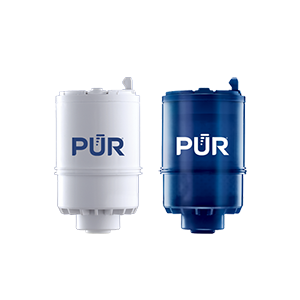
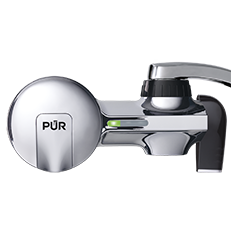
PUR & PUR PLUS FAUCET FILTERS
RF3375/RF9999

View Filters

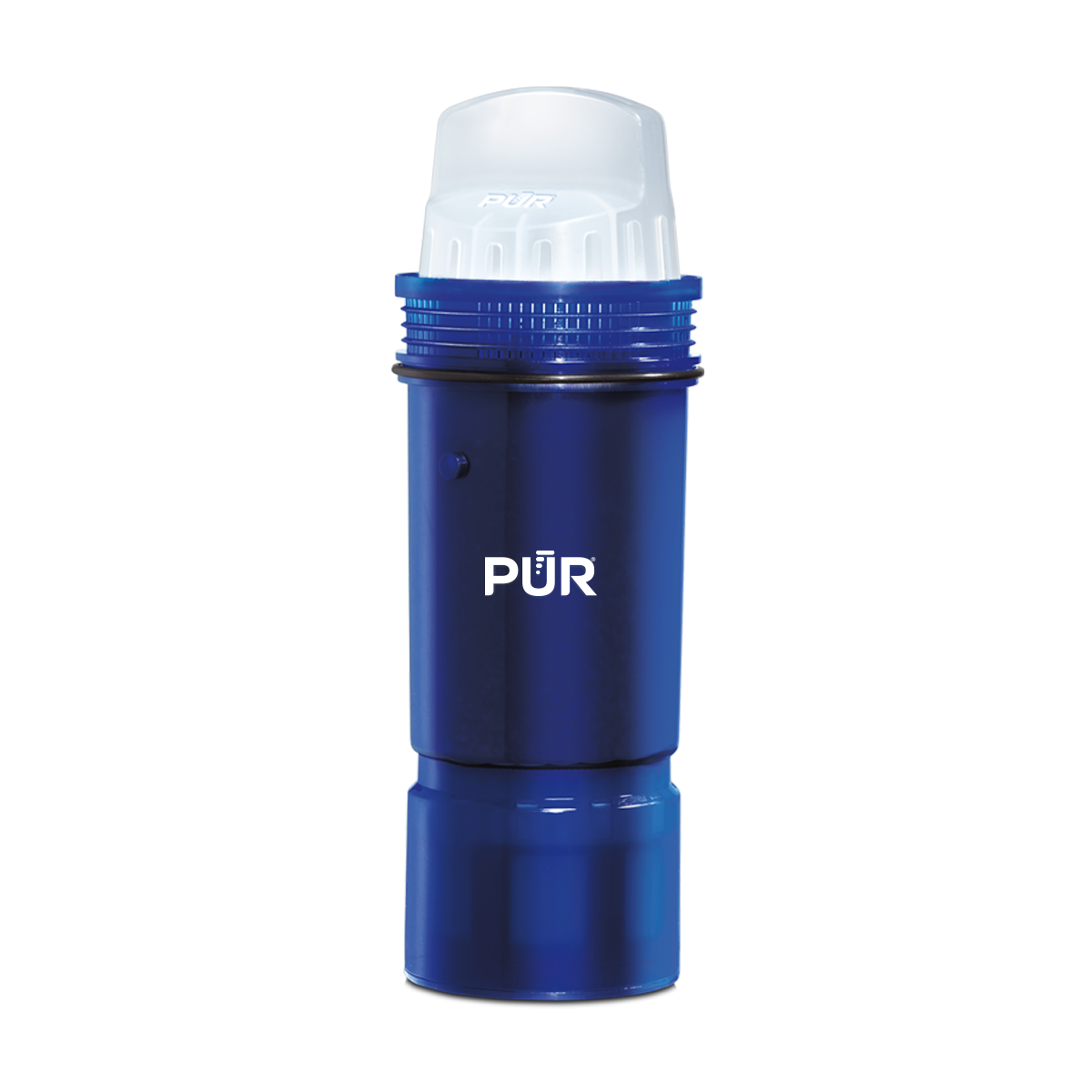
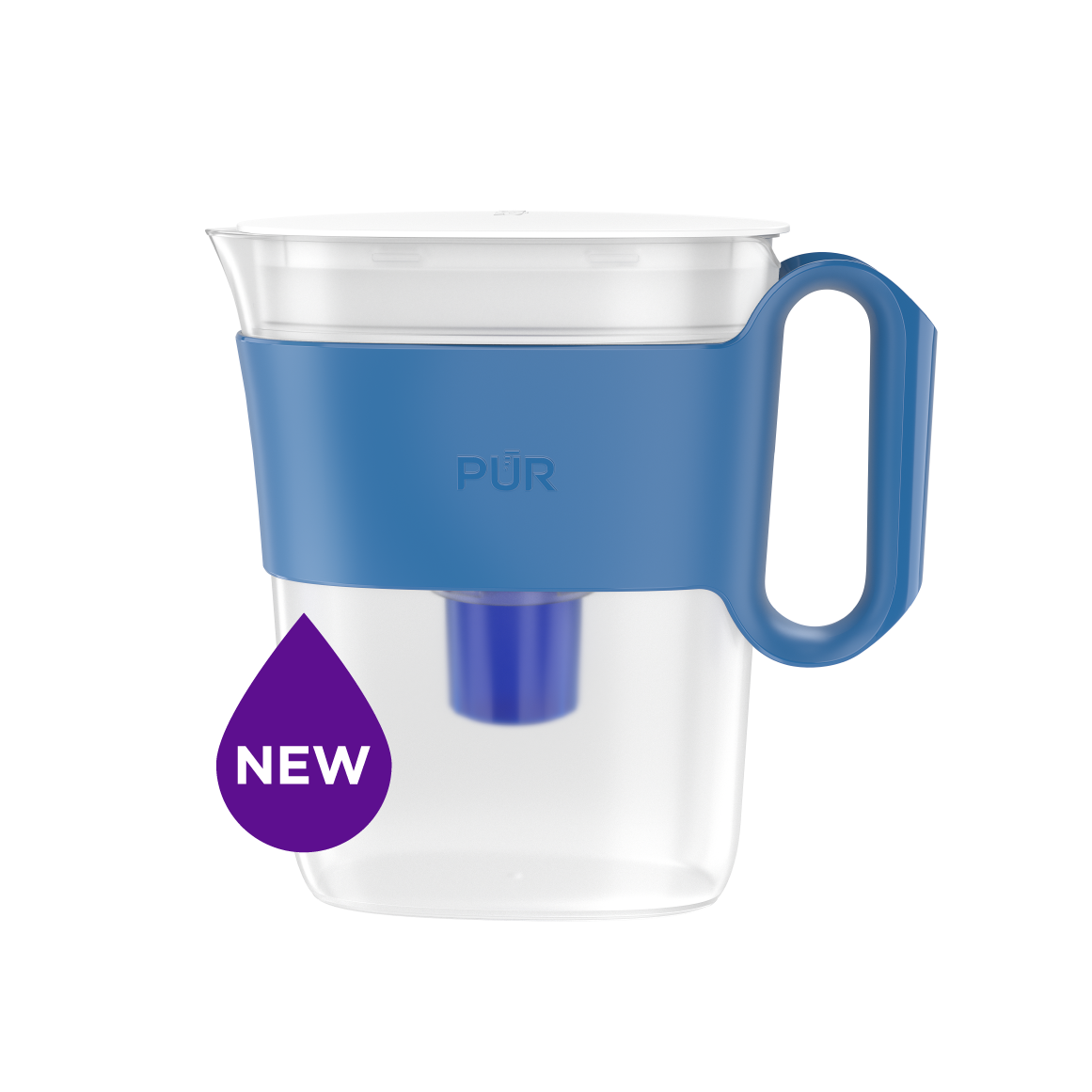
PUR PLUS PITCHER FILTERS
PPF951K

View Filter

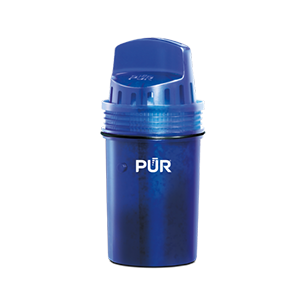
PUR BASIC PITCHER FILTERS
PPF900Z

View Filter


Vs. Brita*

Lead
Microplastics
Mercury
Chlorine Taste & Odor
DEET
TTHM

PUR’s Filtration Systems Are Certified By NSF And WQA For Their Contamination Reduction. WQA certifications as of 5/27/21 for Faucet filter models RF-3375 and RF-9999.

¹ Certified to reduce 10X more chemical and physical substances than Brita’s® leading pitcher filter.
² Certified to reduce 3X more chemical and physical substances than Brita’s® leading pitcher filter.
³ Certified to reduce 2X more chemical and physical substances than Brita’s® leading pitcher filter.
*Versus best-selling Brita® pitcher filter OB03. Brita® is a trademark of Brita LP.
**Like other leading brands, PUR does not filter microbes. As of 3/1/23 Brita® and ZeroWater® were not certified to filter microbes. Brita® is a trademark of Brita LP. ZeroWater® is a trademark of Zero Technologies, LLC..
 

PUR & PUR PLUS FAUCET FILTERS


PUR & PUR PLUS FAUCET FILTERS
RF3375/RF9999

View Filters


Vs. Brita*

Lead
Microplastics
Mercury
Chlorine Taste & Odor
DEET
TTHM

PUR’s Filtration Systems Are Certified By NSF And WQA For Their Contamination Reduction. WQA certifications as of 5/27/21 for Faucet filter models RF-3375 and RF-9999.

¹ Certified to reduce 10X more chemical and physical substances than Brita’s® leading pitcher filter.
² Certified to reduce 3X more chemical and physical substances than Brita’s® leading pitcher filter.
³ Certified to reduce 2X more chemical and physical substances than Brita’s® leading pitcher filter.
*Versus best-selling Brita® pitcher filter OB03. Brita® is a trademark of Brita LP.
**Like other leading brands, PUR does not filter microbes. As of 3/1/23 Brita® and ZeroWater® were not certified to filter microbes. Brita® is a trademark of Brita LP. ZeroWater® is a trademark of Zero Technologies, LLC..


PUR PLUS PITCHER FILTERS


PUR PLUS PITCHER FILTERS
PPF951K

View Filter


Vs. Brita*

Lead
Microplastics
Mercury
Chlorine Taste & Odor
DEET
TTHM

PUR’s Filtration Systems Are Certified By NSF And WQA For Their Contamination Reduction. WQA certifications as of 5/27/21 for Faucet filter models RF-3375 and RF-9999.

¹ Certified to reduce 10X more chemical and physical substances than Brita’s® leading pitcher filter.
² Certified to reduce 3X more chemical and physical substances than Brita’s® leading pitcher filter.
³ Certified to reduce 2X more chemical and physical substances than Brita’s® leading pitcher filter.
*Versus best-selling Brita® pitcher filter OB03. Brita® is a trademark of Brita LP.
**Like other leading brands, PUR does not filter microbes. As of 3/1/23 Brita® and ZeroWater® were not certified to filter microbes. Brita® is a trademark of Brita LP. ZeroWater® is a trademark of Zero Technologies, LLC..


PUR BASIC PITCHER FILTERS


PUR BASIC PITCHER FILTERS
PPF900Z

View Filter


Vs. Brita*

Lead
Microplastics
Mercury
Chlorine Taste & Odor
DEET
TTHM

PUR’s Filtration Systems Are Certified By NSF And WQA For Their Contamination Reduction. WQA certifications as of 5/27/21 for Faucet filter models RF-3375 and RF-9999.

¹ Certified to reduce 10X more chemical and physical substances than Brita’s® leading pitcher filter.
² Certified to reduce 3X more chemical and physical substances than Brita’s® leading pitcher filter.
³ Certified to reduce 2X more chemical and physical substances than Brita’s® leading pitcher filter.
*Versus best-selling Brita® pitcher filter OB03. Brita® is a trademark of Brita LP.
**Like other leading brands, PUR does not filter microbes. As of 3/1/23 Brita® and ZeroWater® were not certified to filter microbes. Brita® is a trademark of Brita LP. ZeroWater® is a trademark of Zero Technologies, LLC..


What is a Fitness Tracker Sheet and How Can It Help You?

A Fitness Tracker Sheet serves as a practical tool for individuals looking to enhance their physical well-being. This simple yet effective resource allows users to monitor their fitness activities and dietary habits. Tracking progress not only motivates but also provides valuable insights into one’s health journey. As people navigate their fitness goals, a Fitness Tracker Sheet offers clarity in understanding what works and what doesn't.

Many fitness enthusiasts face challenges when retaining consistency over time. A Fitness Tracker Sheet can highlight patterns in behavior, revealing both successes and setbacks. It may help identify which workouts yield the best results. Additionally, it grounds expectations within reality, reminding users that progress is rarely linear.

Incorporating a Fitness Tracker Sheet into your routine can be a game changer. However, it's crucial to recognize the need for periodic reviews. Reflecting on what the data suggests may lead to adjustments in your exercise or nutrition plan. Consistent tracking, paired with honest reflection, is essential for long-term success in any fitness endeavor.

What is a Fitness Tracker Sheet and How Can It Help You?

What is a Fitness Tracker Sheet?

A fitness tracker sheet is a simple yet powerful tool for monitoring your physical activities. It usually includes categories such as exercise type, duration, distance, and calories burned. This structured format helps you visualize your progress over time. With clear data, you gain insights into your workout habits, which is crucial for achieving fitness goals.

Using a fitness tracker sheet encourages accountability. Every time you record your activity, you reflect on your commitment. You may find days when you skipped workouts and wonder why. Perhaps life got busy or motivation waned. Recognizing these patterns can lead to making more mindful choices. It's important to celebrate small victories too, like completing a week of workouts without missing a day.

Sometimes, the data can be discouraging. If you notice a plateau in progress, it might feel defeating. In such cases, it’s essential to reassess your routines. Are you challenging yourself enough? Are your goals realistic? Adjusting your targets can reignite your passion for fitness. Ultimately, a fitness tracker sheet serves as both a record and a catalyst for growth.

Key Components of a Fitness Tracker Sheet

A fitness tracker sheet is an essential tool for anyone serious about their health. It helps monitor daily activities, track workouts, and set achievable goals. The key components of a fitness tracker sheet include sections for exercise routines, diet monitoring, and progress tracking.

Start by listing your workouts. Record the type of exercise, duration, and intensity. This helps identify what works best for you. Many people struggle with consistency. Tracking workouts encourages commitment. Seeing progress laid out is motivating.

Diet is crucial as well. Create a column for meals and snacks. Note down what you eat and portion sizes. This may reveal habits that need change. Some might underestimate calorie intake. Honest tracking can illuminate hidden patterns.

Don't forget to set measurable goals. Whether it's running a mile, lifting a certain weight, or losing pounds, goals provide direction. Regularly review your tracker sheet. Reflect on setbacks and celebrate small wins. This will enhance accountability and foster a healthier lifestyle.

Fitness Tracker Usage Over Time

This chart displays the total number of hours spent working out each week over the first seven months of the year. Monitoring these hours can provide insights into your fitness journey and help you adjust goals accordingly.

Benefits of Using a Fitness Tracker Sheet

A fitness tracker sheet is a simple yet powerful tool for anyone looking to improve their health. It allows individuals to monitor their activities, diet, and progress consistently. By keeping a record, users can identify patterns and make necessary adjustments in their routines.

Using a fitness tracker sheet enhances accountability. When you write down workouts, meals, and water intake, you gain a clearer picture of your habits. Regularly reviewing this sheet can reveal areas needing improvement. For example, if you notice a decline in physical activity, it’s time to recalibrate your goals. Small changes often lead to significant results.

Tips to make the most of your fitness tracker sheet include setting realistic goals. Avoid overwhelming yourself with drastic changes. Start slow with achievable targets, like walking 10 minutes daily. Another tip is to celebrate small victories. Recognition of progress, even minor, boosts motivation and encourages persistence. Remember, it's a journey, and some days may not go as planned. Reflect on those times and adjust accordingly.

How to Create Your Own Fitness Tracker Sheet

Creating your own fitness tracker sheet can be empowering. It allows you to tailor your goals and activities to your specific needs. A fitness tracker sheet can include sections for workouts, nutrition, and rest days. You can customize it based on your fitness level and preferences. This personal touch can motivate you to stay on track.

To start, choose a format that suits you best. A simple spreadsheet or a physical notebook can work well. Begin by listing your weekly fitness goals. Specify the types of exercises you plan to do. For instance, you might include activities like running, yoga, or strength training. Track your water intake and meals as well. This can help you see patterns and make necessary adjustments.

Don’t forget to leave space for reflections. Note what works and what doesn’t. You might find certain exercises don’t suit you as much as you thought. It’s okay to adjust your routines. Tracking your progress over time can reveal valuable insights. Embrace the imperfections along the way. Each experience contributes to your overall fitness journey.

What is a Fitness Tracker Sheet and How Can It Help You?

Date Steps Taken Distance (miles) Calories Burned Workout Duration (mins) Notes
2023-10-01 10500 5.2 450 30 Felt great today!
2023-10-02 9800 4.9 400 25 Did a new routine.
2023-10-03 12000 6.0 500 40 Completed a 5K run.
2023-10-04 8500 4.3 350 20 Rest day, light stretching.
2023-10-05 11000 5.5 475 35 Overall good workout.

Tips for Effectively Utilizing a Fitness Tracker Sheet

A fitness tracker sheet can be a powerful tool for managing your health. It helps you monitor workouts, meals, and sleep. Using it effectively requires a clear plan and commitment.

Start by noting your goals. Be specific about what you want to achieve, whether it's weight loss or improved endurance. Having clear goals will guide your tracking efforts.

When filling out your tracker sheet, consistency is key. Record your daily activities, emphasizing both achievements and challenges. This honest reflection can reveal patterns and areas for improvement. Don't shy away from noting days when you fall short. These moments can offer valuable insights into your habits.

Remember, perfection isn’t the goal. Everyone faces setbacks. Use your tracker to identify triggers that lead to unhealthy choices. By analyzing your data, you can create strategies to overcome obstacles. A fitness tracker sheet is not just a record; it's a conversation with yourself about your health journey. Engage with it regularly to stay on track and evolve your fitness habits.