Contaminant Comparison Chart

For a complete list of contaminants that PUR filters reduce, please view our Performance Data Sheets here.


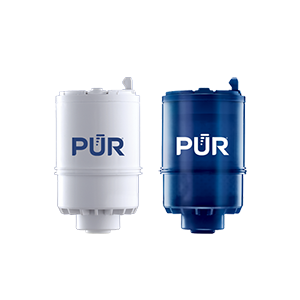
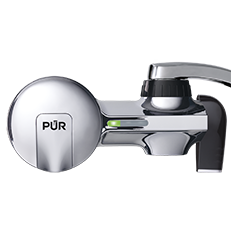
PUR & PUR PLUS FAUCET FILTERS
RF3375/RF9999

View Filters

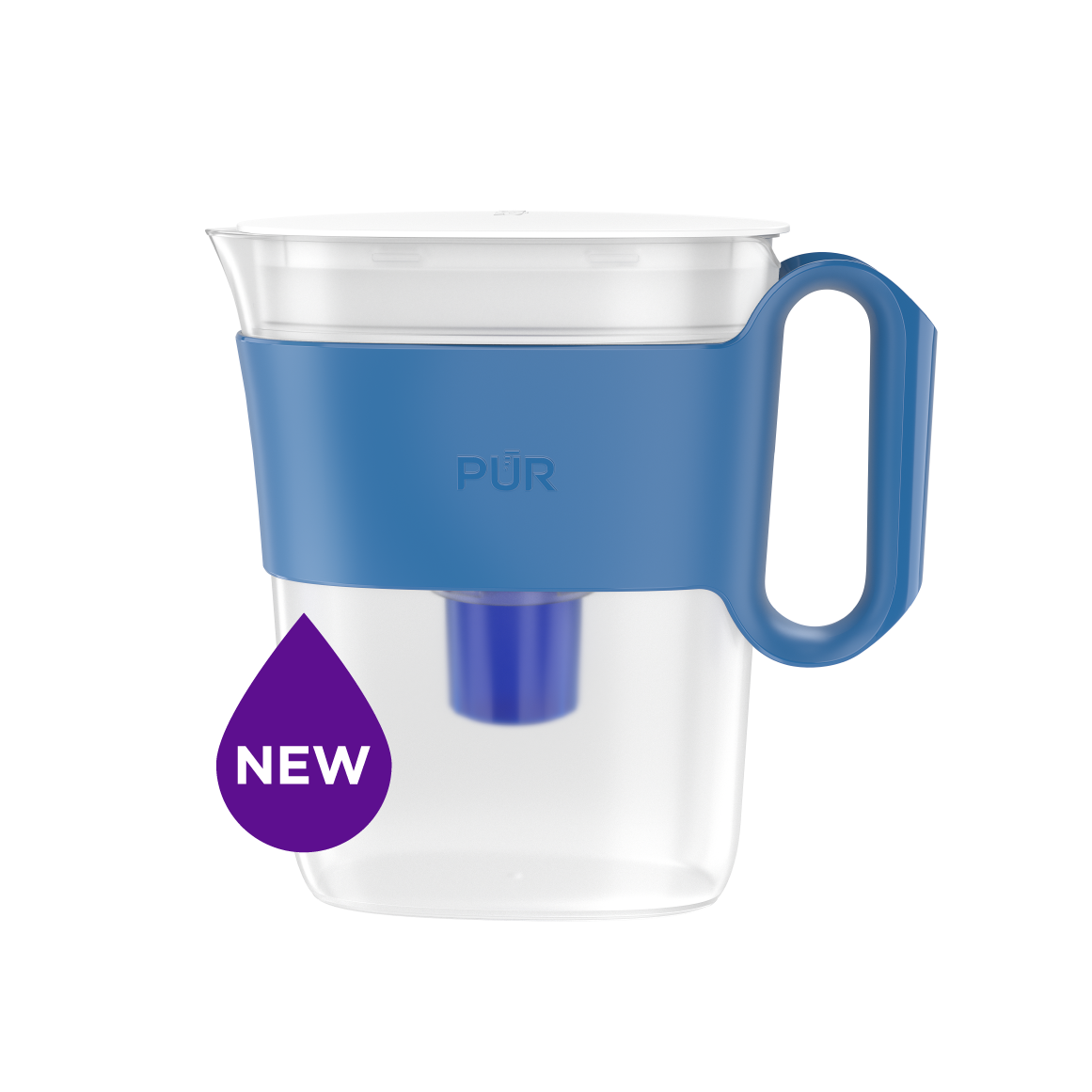
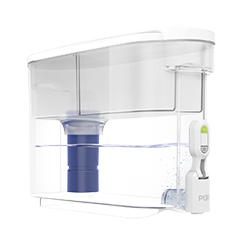
PUR PLUS PITCHER FILTERS
PPF951K

View Filter

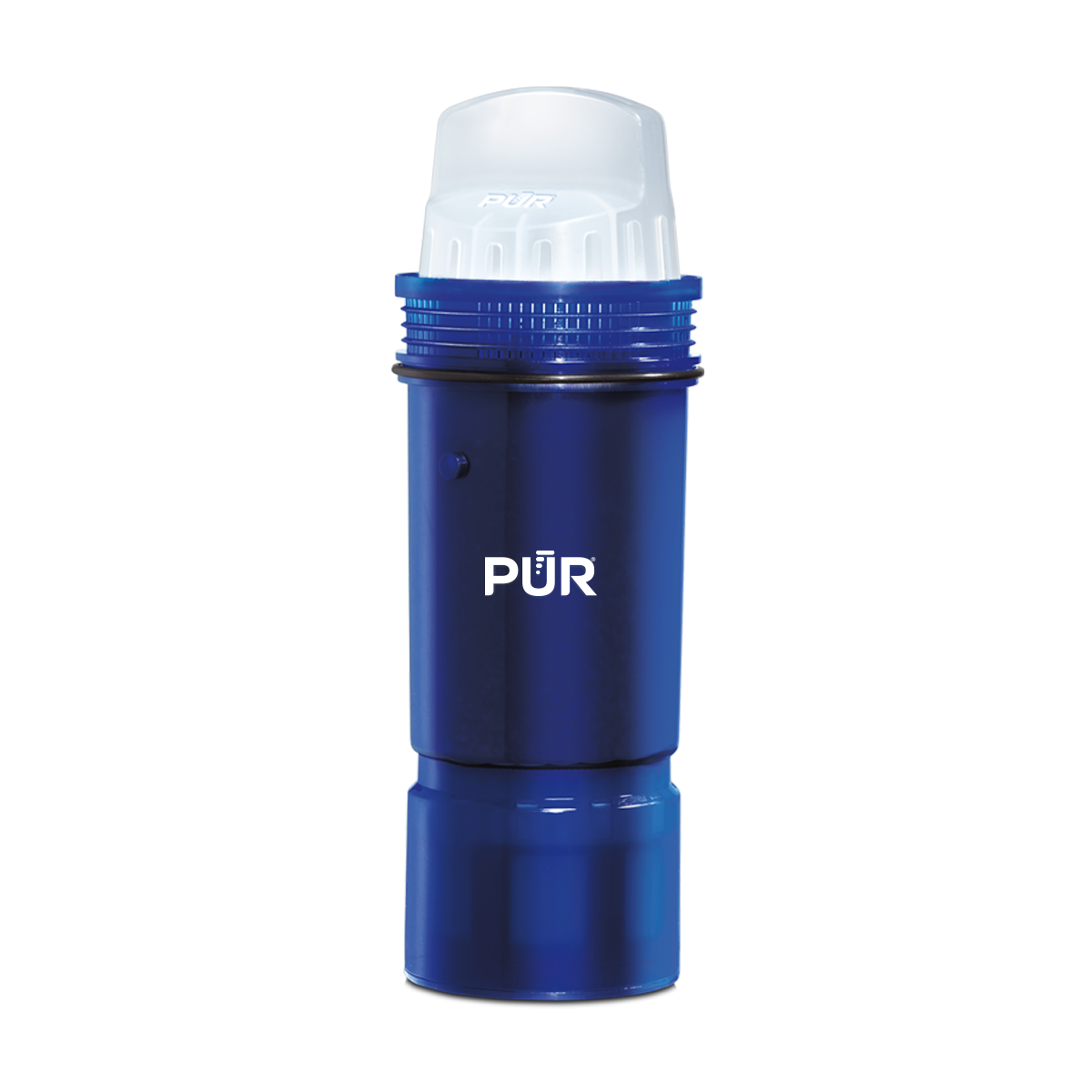
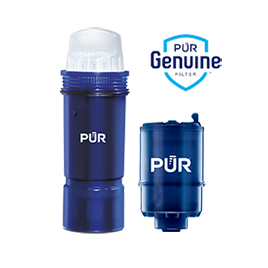
PUR BASIC PITCHER FILTERS
PPF900Z

View Filter


Vs. Brita*

Lead
Microplastics
Mercury
Chlorine Taste & Odor
DEET
TTHM

PUR’s Filtration Systems Are Certified By NSF And WQA For Their Contamination Reduction. WQA certifications as of 5/27/21 for Faucet filter models RF-3375 and RF-9999.

¹ Certified to reduce 10X more chemical and physical substances than Brita’s® leading pitcher filter.
² Certified to reduce 3X more chemical and physical substances than Brita’s® leading pitcher filter.
³ Certified to reduce 2X more chemical and physical substances than Brita’s® leading pitcher filter.
*Versus best-selling Brita® pitcher filter OB03. Brita® is a trademark of Brita LP.
**Like other leading brands, PUR does not filter microbes. As of 3/1/23 Brita® and ZeroWater® were not certified to filter microbes. Brita® is a trademark of Brita LP. ZeroWater® is a trademark of Zero Technologies, LLC..

 

PUR & PUR PLUS FAUCET FILTERS


PUR & PUR PLUS FAUCET FILTERS
RF3375/RF9999

View Filters


Vs. Brita*

Lead
Microplastics
Mercury
Chlorine Taste & Odor
DEET
TTHM

PUR’s Filtration Systems Are Certified By NSF And WQA For Their Contamination Reduction. WQA certifications as of 5/27/21 for Faucet filter models RF-3375 and RF-9999.

¹ Certified to reduce 10X more chemical and physical substances than Brita’s® leading pitcher filter.
² Certified to reduce 3X more chemical and physical substances than Brita’s® leading pitcher filter.
³ Certified to reduce 2X more chemical and physical substances than Brita’s® leading pitcher filter.
*Versus best-selling Brita® pitcher filter OB03. Brita® is a trademark of Brita LP.
**Like other leading brands, PUR does not filter microbes. As of 3/1/23 Brita® and ZeroWater® were not certified to filter microbes. Brita® is a trademark of Brita LP. ZeroWater® is a trademark of Zero Technologies, LLC..


PUR PLUS PITCHER FILTERS


PUR PLUS PITCHER FILTERS
PPF951K

View Filter


Vs. Brita*

Lead
Microplastics
Mercury
Chlorine Taste & Odor
DEET
TTHM

PUR’s Filtration Systems Are Certified By NSF And WQA For Their Contamination Reduction. WQA certifications as of 5/27/21 for Faucet filter models RF-3375 and RF-9999.

¹ Certified to reduce 10X more chemical and physical substances than Brita’s® leading pitcher filter.
² Certified to reduce 3X more chemical and physical substances than Brita’s® leading pitcher filter.
³ Certified to reduce 2X more chemical and physical substances than Brita’s® leading pitcher filter.
*Versus best-selling Brita® pitcher filter OB03. Brita® is a trademark of Brita LP.
**Like other leading brands, PUR does not filter microbes. As of 3/1/23 Brita® and ZeroWater® were not certified to filter microbes. Brita® is a trademark of Brita LP. ZeroWater® is a trademark of Zero Technologies, LLC..


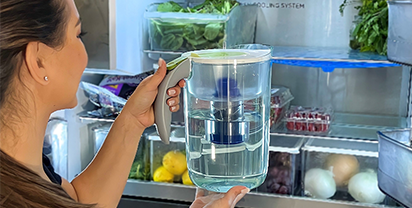
PUR BASIC PITCHER FILTERS


PUR BASIC PITCHER FILTERS
PPF900Z

View Filter


Vs. Brita*

Lead
Microplastics
Mercury
Chlorine Taste & Odor
DEET
TTHM

PUR’s Filtration Systems Are Certified By NSF And WQA For Their Contamination Reduction. WQA certifications as of 5/27/21 for Faucet filter models RF-3375 and RF-9999.

¹ Certified to reduce 10X more chemical and physical substances than Brita’s® leading pitcher filter.
² Certified to reduce 3X more chemical and physical substances than Brita’s® leading pitcher filter.
³ Certified to reduce 2X more chemical and physical substances than Brita’s® leading pitcher filter.
*Versus best-selling Brita® pitcher filter OB03. Brita® is a trademark of Brita LP.
**Like other leading brands, PUR does not filter microbes. As of 3/1/23 Brita® and ZeroWater® were not certified to filter microbes. Brita® is a trademark of Brita LP. ZeroWater® is a trademark of Zero Technologies, LLC..


2026 How to Choose Ethernet Temperature and Humidity Sensor?

In today's interconnected world, choosing the right Ethernet Temperature and Humidity Sensor can significantly impact environmental monitoring. Dr. Lisa Harrison, an expert in sensor technology, once said, “Selecting the right sensor balances accuracy and connectivity.” This statement underscores the importance of understanding both technical specifications and practical applications.

Many users often overlook critical factors when selecting an Ethernet Temperature and Humidity Sensor. It's not just about brand reputation or price; understanding the sensor's accuracy, response time, and integration capabilities is vital. Your choice could affect data reliability in crucial scenarios, like climate control in server rooms or agricultural environments.

Moreover, potential users might find themselves grappling with complex data protocols or compatibility issues. This complexity can lead to frustration and mistakes. It's essential to reflect on the unique requirements of your application. The best sensor for one situation may not suit another. Thus, careful consideration and expert guidance can help navigate these challenges effectively.

2026 How to Choose Ethernet Temperature and Humidity Sensor?

Understanding Ethernet Temperature and Humidity Sensors

Ethernet temperature and humidity sensors play a vital role in many applications. These devices collect precise data on environmental conditions. Understanding their functionalities is key to making informed choices.

Typically, these sensors connect easily via Ethernet. They allow for real-time data transmission over a network. This feature is crucial for automation and monitoring. It's essential to consider the sensor's calibration and measurement range. Many users overlook these specifications, which can affect accuracy.

Another point for reflection is integration. How well the sensor integrates with existing systems matters. Poor compatibility can lead to data discrepancies. Evaluating the durability and maintenance requirements is also necessary. Not every sensor is built to withstand harsh conditions. Failing to assess this can lead to costly replacements.

Key Features to Look for in Sensors

When selecting Ethernet temperature and humidity sensors, certain key features significantly impact performance. Look for sensors with high accuracy levels. According to a 2022 industry report, sensors with an accuracy within ±2% for humidity and ±0.5°C for temperature yield the best results. This precision ensures reliable readings and effective monitoring in various applications.

Another critical aspect is the response time of the sensor. Fast response times improve system efficiency. Devices with a response time under 10 seconds are often preferred in time-sensitive environments. Users have reported challenges in real-time monitoring when response times exceed this threshold. Additionally, consider the sensor's range. A wide measurement range allows for more flexible applications.

Connectivity options also matter. Models that support various communication protocols enhance integration possibilities. Ethernet connectivity is crucial for remote monitoring and data logging. A 2023 survey indicated that 68% of users experienced better data accessibility with these features. Reliable manufacturers often provide detailed specifications. Look for these indicators when assessing a sensor’s quality.

Evaluating Communication Protocols and Compatibility

Choosing the right Ethernet temperature and humidity sensor involves understanding communication protocols. Many industrial applications require robust and reliable data transmission. To meet these needs, Ethernet-based sensors have become increasingly popular due to their standardization and extensive compatibility.

When evaluating sensors, consider protocols such as Modbus TCP and MQTT. According to a report by MarketsandMarkets, the IoT sensor market is expected to reach $36.4 billion by 2025. This growth emphasizes the need for compatible sensors that can easily integrate into existing systems. Low power consumption and scalability are crucial factors. Sensors that use PoE (Power over Ethernet) can reduce wiring complexity and installation costs significantly.

However, not all protocols are created equal. Some may offer better latency and data throughput. This variance can significantly impact the performance of temperature and humidity monitoring. Additionally, a lack of standardization can lead to compatibility issues among devices. Users should carefully assess these aspects, ensuring that the chosen sensor aligns with their specific operational needs.

Assessing Sensor Accuracy and Calibration Needs

When selecting an Ethernet temperature and humidity sensor, accuracy is vital. The sensor's specifications often highlight its precision. However, manufacturers may not always disclose calibration details. Users should evaluate how often sensors need recalibration. This practice can affect long-term performance.

Calibration can vary based on environmental conditions. Temperature shifts or humidity extremes might alter sensor performance. If a sensor goes uncalibrated for an extended period, readings may deviate significantly. Regularly reviewing calibration schedules is essential for reliable data.

Testing the sensor in real conditions helps assess its accuracy. Users should monitor performance over time. Are readings consistent? Are there unexpected spikes or drops? These reflections can guide decisions about necessary adjustments or the need for replacement.

2026 How to Choose Ethernet Temperature and Humidity Sensor? - Assessing Sensor Accuracy and Calibration Needs

Sensor Model Temperature Range (°C) Humidity Range (%) Accuracy (%RH) Calibration Interval (months) Communication Protocol
Model A -20 to 60 0 to 100 ±2% 12 Ethernet
Model B -10 to 50 10 to 90 ±3% 6 Modbus TCP
Model C 0 to 100 20 to 80 ±1% 12 HTTP
Model D -30 to 70 0 to 100 ±2.5% 24 MQTT

Considerations for Installation and Maintenance

When considering the installation and maintenance of Ethernet temperature and humidity sensors, several factors come into play. Proper placement is critical. Ideally, these sensors should be installed away from direct sunlight and drafts. According to the American Society of Heating, Refrigerating and Air-Conditioning Engineers (ASHRAE), incorrect placement can lead to inaccurate readings, affecting system performance. This underscores the importance of diligent setup.

Regular maintenance is essential to ensure accurate measurements. Industry reports suggest that sensors should be calibrated at least once every two years. Dust and moisture can accumulate, impacting sensor accuracy. A 2020 study indicated that nearly 30% of sensors in industrial environments underperform due to inadequate maintenance. This statistic emphasizes the need for a consistent maintenance schedule.

During installation, the environment should be evaluated thoroughly. Factors such as ambient temperature fluctuations play a significant role. Choosing the right sensor can prevent mishaps. A flawed setup might lead to operational inefficiencies. Regular inspections and calibrations are not just good practices; they are critical to sustaining accurate environmental monitoring. Neglecting these can result in costly operational setbacks.