

Contaminant Comparison Chart

For a complete list of contaminants that PUR filters reduce, please view our Performance Data Sheets here.


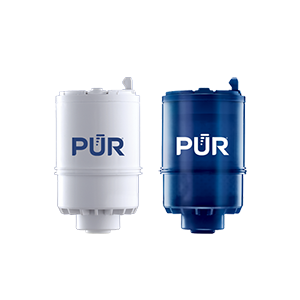
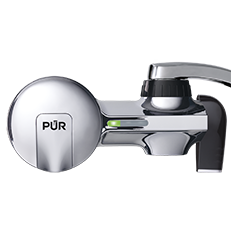
PUR & PUR PLUS FAUCET FILTERS
RF3375/RF9999

View Filters

PUR PLUS PITCHER FILTERS
PPF951K

View Filter

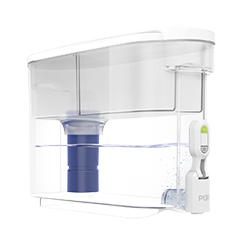
PUR BASIC PITCHER FILTERS
PPF900Z

View Filter


Vs. Brita*

Lead
Microplastics
Mercury
Chlorine Taste & Odor
DEET
TTHM

PUR’s Filtration Systems Are Certified By NSF And WQA For Their Contamination Reduction. WQA certifications as of 5/27/21 for Faucet filter models RF-3375 and RF-9999.

¹ Certified to reduce 10X more chemical and physical substances than Brita’s® leading pitcher filter.
² Certified to reduce 3X more chemical and physical substances than Brita’s® leading pitcher filter.
³ Certified to reduce 2X more chemical and physical substances than Brita’s® leading pitcher filter.
*Versus best-selling Brita® pitcher filter OB03. Brita® is a trademark of Brita LP.
**Like other leading brands, PUR does not filter microbes. As of 3/1/23 Brita® and ZeroWater® were not certified to filter microbes. Brita® is a trademark of Brita LP. ZeroWater® is a trademark of Zero Technologies, LLC..
 

PUR & PUR PLUS FAUCET FILTERS


PUR & PUR PLUS FAUCET FILTERS
RF3375/RF9999

View Filters


Vs. Brita*

Lead
Microplastics
Mercury
Chlorine Taste & Odor
DEET
TTHM

PUR’s Filtration Systems Are Certified By NSF And WQA For Their Contamination Reduction. WQA certifications as of 5/27/21 for Faucet filter models RF-3375 and RF-9999.

¹ Certified to reduce 10X more chemical and physical substances than Brita’s® leading pitcher filter.
² Certified to reduce 3X more chemical and physical substances than Brita’s® leading pitcher filter.
³ Certified to reduce 2X more chemical and physical substances than Brita’s® leading pitcher filter.
*Versus best-selling Brita® pitcher filter OB03. Brita® is a trademark of Brita LP.
**Like other leading brands, PUR does not filter microbes. As of 3/1/23 Brita® and ZeroWater® were not certified to filter microbes. Brita® is a trademark of Brita LP. ZeroWater® is a trademark of Zero Technologies, LLC..


PUR PLUS PITCHER FILTERS


PUR PLUS PITCHER FILTERS
PPF951K

View Filter


Vs. Brita*

Lead
Microplastics
Mercury
Chlorine Taste & Odor
DEET
TTHM

PUR’s Filtration Systems Are Certified By NSF And WQA For Their Contamination Reduction. WQA certifications as of 5/27/21 for Faucet filter models RF-3375 and RF-9999.

¹ Certified to reduce 10X more chemical and physical substances than Brita’s® leading pitcher filter.
² Certified to reduce 3X more chemical and physical substances than Brita’s® leading pitcher filter.
³ Certified to reduce 2X more chemical and physical substances than Brita’s® leading pitcher filter.
*Versus best-selling Brita® pitcher filter OB03. Brita® is a trademark of Brita LP.
**Like other leading brands, PUR does not filter microbes. As of 3/1/23 Brita® and ZeroWater® were not certified to filter microbes. Brita® is a trademark of Brita LP. ZeroWater® is a trademark of Zero Technologies, LLC..


PUR BASIC PITCHER FILTERS


PUR BASIC PITCHER FILTERS
PPF900Z

View Filter


Vs. Brita*

Lead
Microplastics
Mercury
Chlorine Taste & Odor
DEET
TTHM

PUR’s Filtration Systems Are Certified By NSF And WQA For Their Contamination Reduction. WQA certifications as of 5/27/21 for Faucet filter models RF-3375 and RF-9999.

¹ Certified to reduce 10X more chemical and physical substances than Brita’s® leading pitcher filter.
² Certified to reduce 3X more chemical and physical substances than Brita’s® leading pitcher filter.
³ Certified to reduce 2X more chemical and physical substances than Brita’s® leading pitcher filter.
*Versus best-selling Brita® pitcher filter OB03. Brita® is a trademark of Brita LP.
**Like other leading brands, PUR does not filter microbes. As of 3/1/23 Brita® and ZeroWater® were not certified to filter microbes. Brita® is a trademark of Brita LP. ZeroWater® is a trademark of Zero Technologies, LLC..


2026 How to Choose the Best Air Diffuser Disc for Your Needs?

In the quest for optimal indoor air quality, selecting the right Air Diffuser Disc is crucial. Renowned HVAC expert John Henderson once stated, “The efficiency of your air diffuser significantly impacts air circulation.” This highlights the importance of making an informed choice.

When considering various models, think about the size and layout of your space. A small room may not need a powerful diffuser, while larger areas require a well-designed Air Diffuser Disc for effective distribution. The material also matters; high-quality options can enhance durability and performance.

It's essential to reflect on your specific needs. Some diffusers may excel in aesthetic appeal, while others prioritize functionality. Balancing these aspects can be challenging, but it will ultimately lead to better air quality at home or in the office. Choosing wisely can enhance comfort and well-being.

2026 How to Choose the Best Air Diffuser Disc for Your Needs?

Understanding Air Diffuser Discs and Their Functionality

Air diffuser discs play a crucial role in both residential and commercial HVAC systems. Their primary function is to distribute air evenly. This process enhances comfort and energy efficiency in various settings. According to a report from the American Society of Heating, Refrigerating and Air-Conditioning Engineers (ASHRAE), proper air distribution can reduce energy consumption by up to 30%. This substantial figure highlights the importance of selecting the right diffuser disc.

Different types of air diffuser discs exist, each designed for specific applications. Some discs are made for high-velocity systems, while others work better in low-velocity setups. The wrong type can lead to issues such as uneven heating or cooling. A study published in the Journal of Building Performance indicates that improper air distribution may result in a 15-20% decrease in overall HVAC efficiency. Hence, it becomes essential to align the disc type with the requirements of your system.

Selecting the best air diffuser disc also requires an understanding of space dynamics. Factors like ceiling height, room occupancy, and layout can greatly influence efficiency. A common oversight is the assumption that one size fits all. This false belief can lead to frustration and energy wastage. Reflecting on these aspects ensures that you make an informed choice, optimizing both comfort and efficiency in your space.

Identifying Your Specific Air Diffusion Needs and Requirements

When selecting an air diffuser disc, start by assessing your specific air diffusion needs. Consider the size of your space. For instance, industry reports indicate that larger areas may require higher airflow rates for effective ventilation. A diffuser disc with adjustable blades can help tailor the air distribution to suit various room configurations.

Evaluate your environment too. If you are in a climate with high humidity, opt for materials that resist moisture. Experts suggest that selecting the right material can significantly enhance longevity and efficiency. It's crucial to consider noise levels. A quieter diffuser can improve comfort, especially in residential settings, where noise might impact daily life.

Reflect on any existing systems in place. Compatibility with your current HVAC setup is vital. Some air diffusers may work effectively with specific types of heating and cooling systems only. Research shows that mismatches can lead to inefficient airflow and increased energy costs. Don’t overlook these factors. They will dictate the overall performance of your air diffusion system. Choose wisely to meet your unique requirements.

Chart: Factors to Consider When Choosing an Air Diffuser Disc

This bar chart illustrates the importance level of various factors to consider when selecting the best air diffuser disc for your needs. The most critical aspects include airflow rate, size, and material, while noise level and ease of cleaning are considered less important.

Comparing Different Types of Air Diffuser Discs Available

When selecting an air diffuser disc, understanding the different types is crucial. There are three main categories: static, adjustable, and directional. Static diffusers provide a steady flow of air. They are ideal for large spaces needing uniform ventilation. Adjustable diffusers allow you to manipulate the air distribution. This flexibility can be useful in varying room conditions. Directional diffusers, on the other hand, focus airflow in a specific direction. This is beneficial for targeted heating or cooling.

Each type has its pros and cons. For instance, static diffusers are simple but lack control. Adjustable options provide variety but may become complex. Directional diffusers often require precision installation. Selecting the right type depends on your specific environment and needs. Consider the size of the area and desired airflow. Understanding these details ensures you make an informed choice.

Choosing an air diffuser disc is not straightforward. Reflect on your space and comfort needs. The right choice will enhance air quality and overall comfort. However, be aware that even the best products may have limitations. It's essential to research and review user experiences.

Evaluating Material and Durability for Long-Term Use

Choosing the right air diffuser disc requires careful consideration of material and durability. The substance from which the disc is made directly affects its performance and longevity. For instance, silicone diffusers are known for their flexibility and resistance to wear. A study by the American Society of Heating, Refrigerating and Air-Conditioning Engineers highlights that silicone discs can withstand temperatures of up to 200°C without degrading, making them ideal for long-term use in various environments.

On the other hand, plastic discs may be more economical but often lack the endurance of their silicone counterparts. Research indicates that while plastic diffusers are cost-effective, they can become brittle over time, especially when exposed to UV light. This can lead to reduced efficiency in diffusion and shorter lifespan. Thus, understanding the trade-offs between cost and durability is vital when selecting an air diffuser.

Additionally, it’s essential to consider how usage conditions may affect the material’s performance. For example, in humid environments, some materials may corrode or lose their efficacy. A report from the Indoor Air Quality Association notes that improper material selection can lead to poor air quality. Therefore, careful evaluation of materials is imperative for making an informed choice that suits your needs.

2026 How to Choose the Best Air Diffuser Disc for Your Needs? - Evaluating Material and Durability for Long-Term Use

Material Durability (Years) Aerodynamic Efficiency (%) Ease of Cleaning Cost (USD)
Stainless Steel 15 95 Easy 50
Plastic 5 80 Moderate 15
Ceramic 10 90 Easy 35
Aluminum 20 92 Easy 70
Wood 8 75 Moderate 40

Factors to Consider When Choosing the Right Size and Design

When selecting the right air diffuser disc, size and design play crucial roles. A well-designed diffuser enhances airflow and can significantly affect air quality. According to industry reports, the optimal size for a diffuser should correspond to the area it serves. For example, a small space may require a diffuser with a diameter of about 4-6 inches, while larger areas may benefit from 12 inches or more. These specifics are often overlooked but are vital for ensuring efficiency.

Design is equally important. The shape of the diffuser can influence the spread of air. Round diffusers distribute air evenly, while linear designs may target specific areas. Research suggests that a mismatch between the design and space can reduce diffuser efficiency by up to 30%. A common oversight is assuming that a standard design fits all situations. Instead, evaluating the room layout and airflow patterns can guide you toward a more suitable choice.

Incorporating features such as adjustable airflow or aesthetic designs can enhance usability. Many users fail to recognize these options, leading to suboptimal performance. A diffuser should not only provide functionality but also complement your space. By considering these factors, you can navigate towards the best choice tailored to your needs.