Contaminant Comparison Chart

For a complete list of contaminants that PUR filters reduce, please view our Performance Data Sheets here.


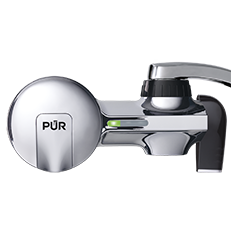
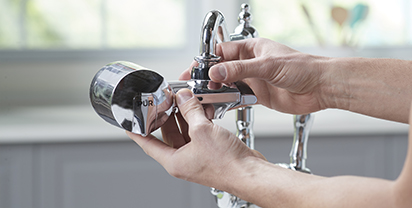
PUR & PUR PLUS FAUCET FILTERS
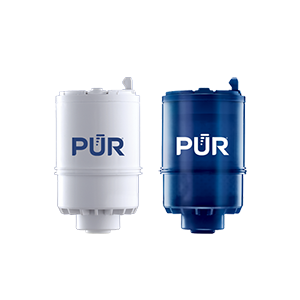
RF3375/RF9999

View Filters

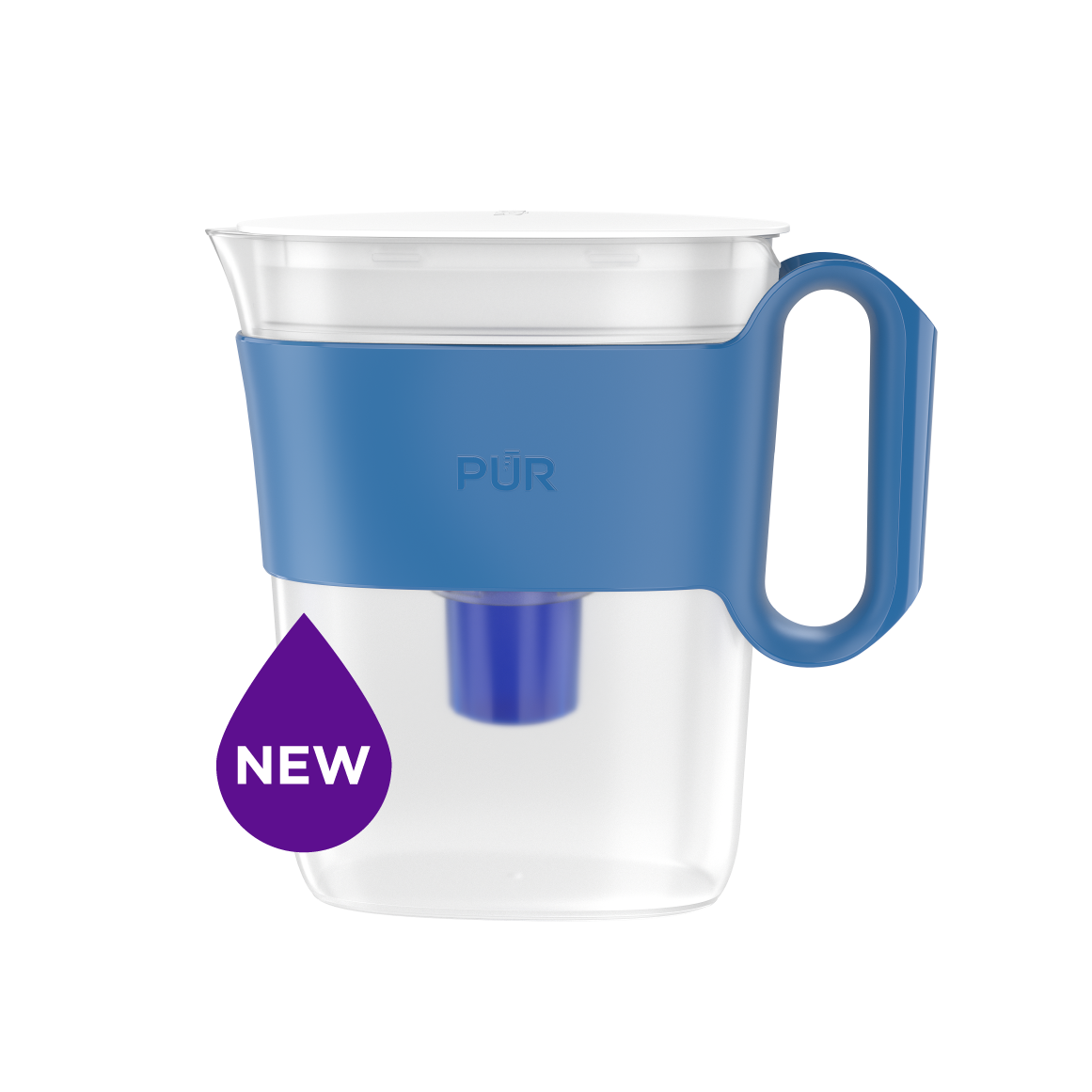
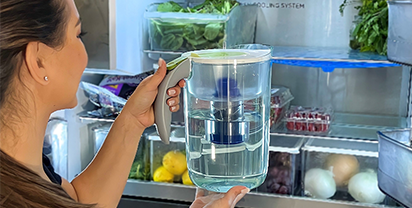
PUR PLUS PITCHER FILTERS
PPF951K

View Filter

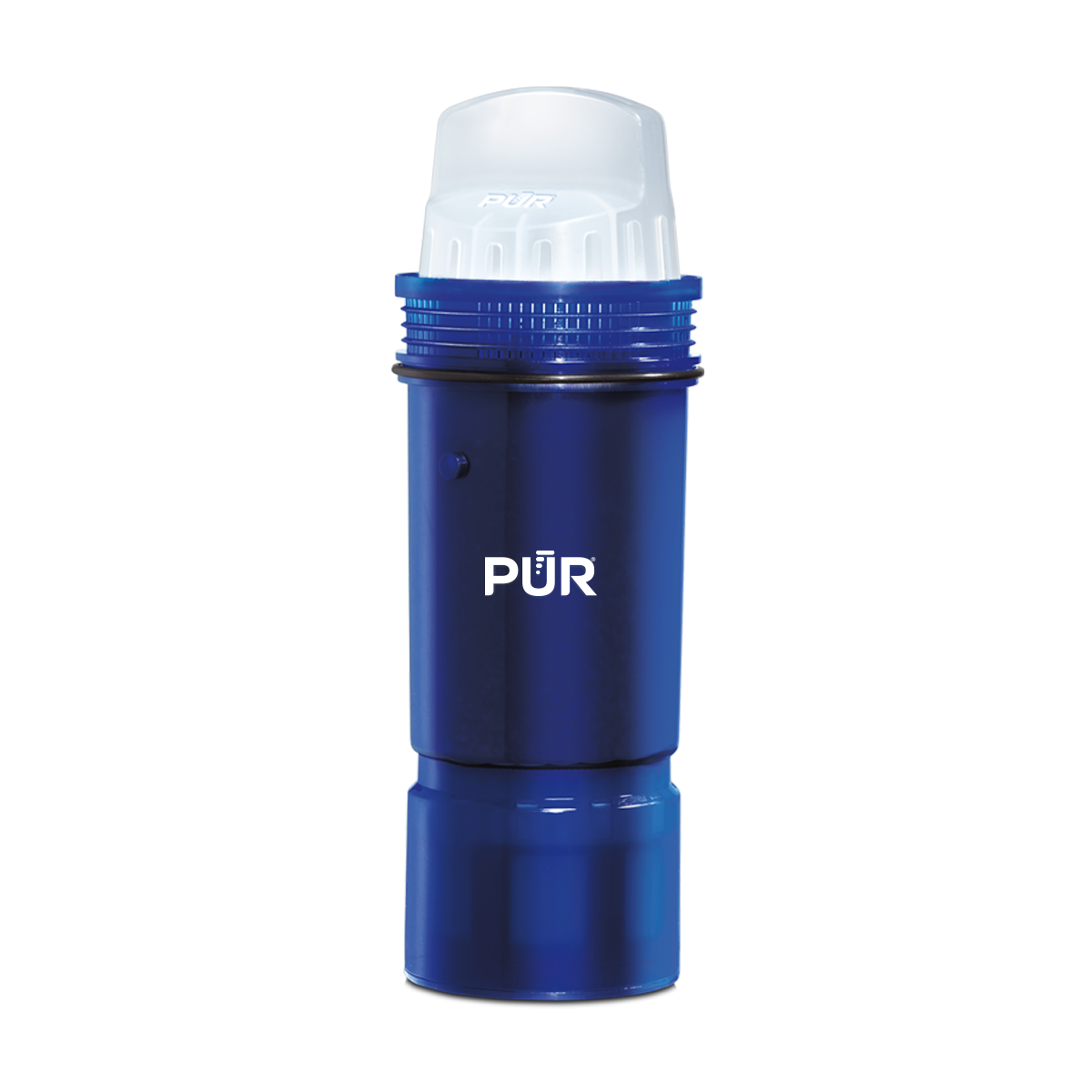
PUR BASIC PITCHER FILTERS
PPF900Z

View Filter


Vs. Brita*

Lead
Microplastics
Mercury
Chlorine Taste & Odor
DEET
TTHM

PUR’s Filtration Systems Are Certified By NSF And WQA For Their Contamination Reduction. WQA certifications as of 5/27/21 for Faucet filter models RF-3375 and RF-9999.

¹ Certified to reduce 10X more chemical and physical substances than Brita’s® leading pitcher filter.
² Certified to reduce 3X more chemical and physical substances than Brita’s® leading pitcher filter.
³ Certified to reduce 2X more chemical and physical substances than Brita’s® leading pitcher filter.
*Versus best-selling Brita® pitcher filter OB03. Brita® is a trademark of Brita LP.
**Like other leading brands, PUR does not filter microbes. As of 3/1/23 Brita® and ZeroWater® were not certified to filter microbes. Brita® is a trademark of Brita LP. ZeroWater® is a trademark of Zero Technologies, LLC..
 

PUR & PUR PLUS FAUCET FILTERS


PUR & PUR PLUS FAUCET FILTERS
RF3375/RF9999

View Filters


Vs. Brita*

Lead
Microplastics
Mercury
Chlorine Taste & Odor
DEET
TTHM

PUR’s Filtration Systems Are Certified By NSF And WQA For Their Contamination Reduction. WQA certifications as of 5/27/21 for Faucet filter models RF-3375 and RF-9999.

¹ Certified to reduce 10X more chemical and physical substances than Brita’s® leading pitcher filter.
² Certified to reduce 3X more chemical and physical substances than Brita’s® leading pitcher filter.
³ Certified to reduce 2X more chemical and physical substances than Brita’s® leading pitcher filter.
*Versus best-selling Brita® pitcher filter OB03. Brita® is a trademark of Brita LP.
**Like other leading brands, PUR does not filter microbes. As of 3/1/23 Brita® and ZeroWater® were not certified to filter microbes. Brita® is a trademark of Brita LP. ZeroWater® is a trademark of Zero Technologies, LLC..
 

PUR PLUS PITCHER FILTERS


PUR PLUS PITCHER FILTERS
PPF951K

View Filter


Vs. Brita*

Lead
Microplastics
Mercury
Chlorine Taste & Odor
DEET
TTHM

PUR’s Filtration Systems Are Certified By NSF And WQA For Their Contamination Reduction. WQA certifications as of 5/27/21 for Faucet filter models RF-3375 and RF-9999.

¹ Certified to reduce 10X more chemical and physical substances than Brita’s® leading pitcher filter.
² Certified to reduce 3X more chemical and physical substances than Brita’s® leading pitcher filter.
³ Certified to reduce 2X more chemical and physical substances than Brita’s® leading pitcher filter.
*Versus best-selling Brita® pitcher filter OB03. Brita® is a trademark of Brita LP.
**Like other leading brands, PUR does not filter microbes. As of 3/1/23 Brita® and ZeroWater® were not certified to filter microbes. Brita® is a trademark of Brita LP. ZeroWater® is a trademark of Zero Technologies, LLC..
 

PUR BASIC PITCHER FILTERS


PUR BASIC PITCHER FILTERS
PPF900Z

View Filter


Vs. Brita*

Lead
Microplastics
Mercury
Chlorine Taste & Odor
DEET
TTHM

PUR’s Filtration Systems Are Certified By NSF And WQA For Their Contamination Reduction. WQA certifications as of 5/27/21 for Faucet filter models RF-3375 and RF-9999.

¹ Certified to reduce 10X more chemical and physical substances than Brita’s® leading pitcher filter.
² Certified to reduce 3X more chemical and physical substances than Brita’s® leading pitcher filter.
³ Certified to reduce 2X more chemical and physical substances than Brita’s® leading pitcher filter.
*Versus best-selling Brita® pitcher filter OB03. Brita® is a trademark of Brita LP.
**Like other leading brands, PUR does not filter microbes. As of 3/1/23 Brita® and ZeroWater® were not certified to filter microbes. Brita® is a trademark of Brita LP. ZeroWater® is a trademark of Zero Technologies, LLC..
 

2026 How to Choose the Best Home Water Filtration System for Your Needs?

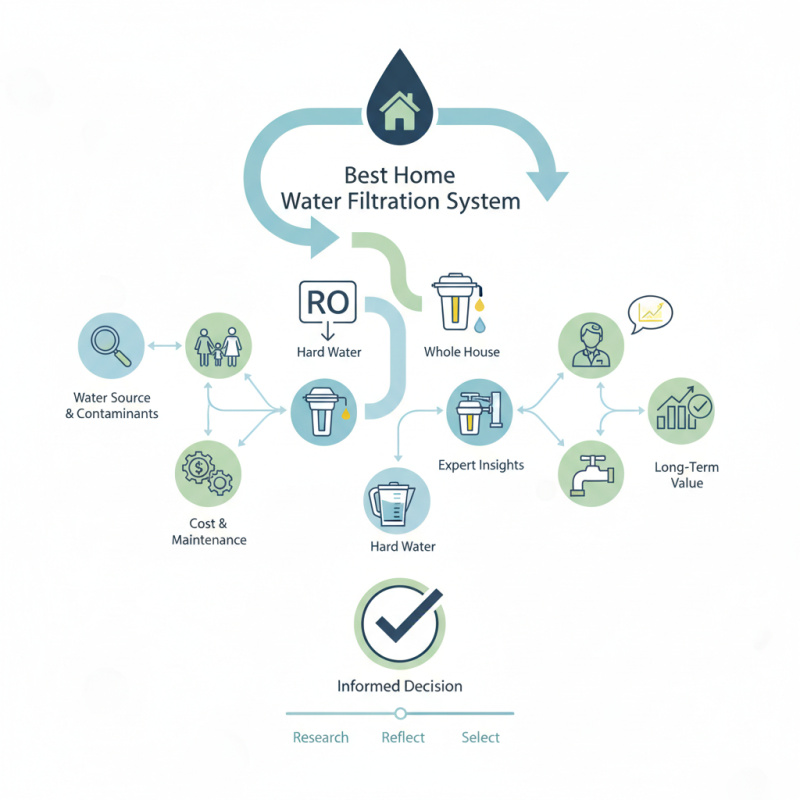
When it comes to choosing the right home water filtration system, expert insights can guide your decision. Dr. Lisa Montgomery, a leading water quality expert, once stated, "The right filtration system can significantly enhance your family’s health." As concerns about water quality grow, selecting a filtration system tailored to your needs is crucial.

Home water filtration systems vary widely in technology and effectiveness. Understanding your water source, contaminants, and specific goals helps narrow the choices. For instance, if you have hard water, a reverse osmosis system might be essential. Different systems target different impurities.

Consideration of a system's maintenance and cost is equally vital. Many users overlook filter replacement schedules and associated expenses. Regular maintenance ensures optimal performance. You might be tempted by low initial costs, but the long-term value is what really matters. Taking the time to research and reflect on your needs will lead to the best decision for your home.

2026 How to Choose the Best Home Water Filtration System for Your Needs?

Understanding Different Types of Home Water Filtration Systems

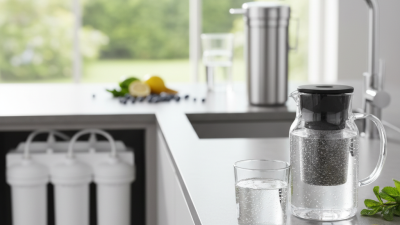
When choosing a home water filtration system, understanding the different types available is crucial. Carbon filters are popular for their effectiveness in removing chlorine and other impurities. They enhance taste, making tap water more enjoyable. However, they may not eliminate all contaminants, such as heavy metals or microorganisms.

Reverse osmosis systems offer a more thorough filtration method. They remove a wide range of contaminants, including lead and nitrates. Installation tends to be more complex, and they require regular maintenance. It's essential to consider water waste and whether the system meets your household needs.

Ultraviolet (UV) systems use light to kill bacteria and viruses. They are highly effective but don't remove chemical pollutants. This can be a limitation if your water source is prone to such issues. Choosing the right filtration system is not just about knowing your options. It's about understanding what your water requires and how each system performs under your specific circumstances.

2026 How to Choose the Best Home Water Filtration System for Your Needs?

Type of Filtration System Filtration Method Common Contaminants Removed Maintenance Frequency Estimated Cost Range
Activated Carbon Filter Adsorption Chlorine, Sediments, Volatile Organic Compounds (VOCs) Every 6-12 months $30 - $150
Reverse Osmosis Filter Reverse Osmosis Heavy Metals, Fluoride, Nitrates Every 2 years $150 - $600
UV Water Purifiers Ultraviolet Light Bacteria, Viruses, Protozoa Annually $100 - $300
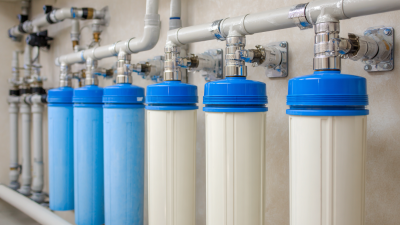
Whole House Filtration System Multiple Filtration Methods Sediments, Chlorine, Heavy Metals Every 6-12 months $800 - $2000
Inline Filters Filtration at Point of Use Chlorine, Sediments Every 6-12 months $20 - $100

Assessing Your Water Quality and Specific Contaminants

Assessing your water quality is crucial for selecting a suitable home water filtration system. Approximately 13 million Americans rely on private wells, often containing contaminants like arsenic and nitrates. The U.S. Environmental Protection Agency (EPA) provides guidelines suggesting that these contaminants can affect health. Testing your water is the first step. Home testing kits are available, allowing you to identify specific issues.

Understanding common contaminants is also vital. For instance, lead exposure is linked to developmental issues in children. According to the CDC, even low levels of lead can be harmful. Meanwhile, E. coli and total coliform bacteria can indicate potential health risks. Many families overlook these pressing issues. Analyzing your results can guide you toward appropriate filtration methods, such as reverse osmosis or activated carbon filters. These choices rely on detailed specifications tailored to your water's unique contaminants. Choosing wisely can significantly improve your water quality and safeguard your health.

Evaluating Filtration Capacity and System Lifespan

2026 How to Choose the Best Home Water Filtration System for Your Needs?

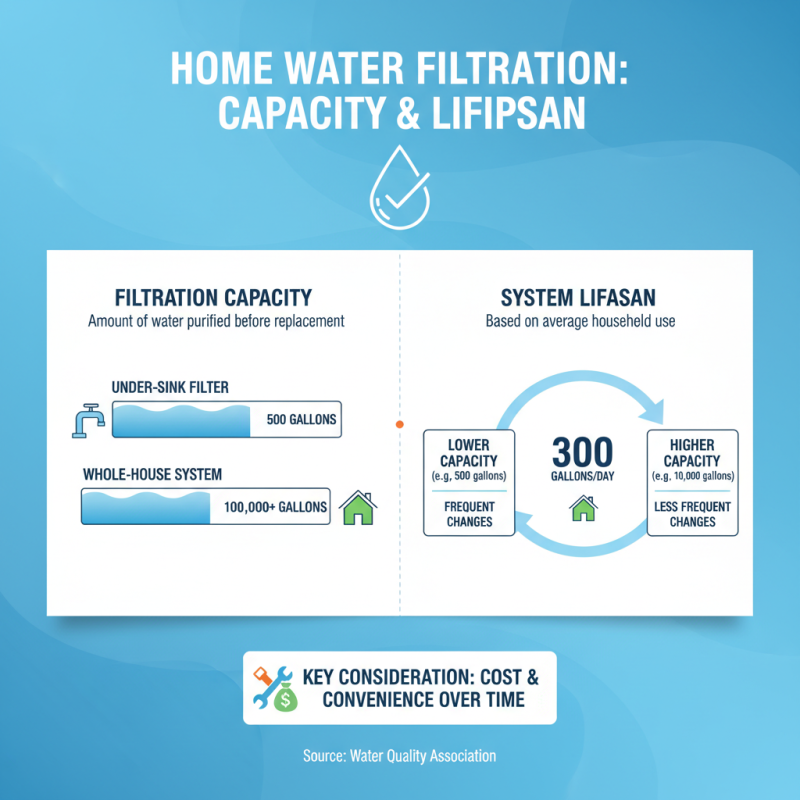
When selecting a home water filtration system, evaluating filtration capacity and system lifespan is crucial. The filtration capacity refers to the amount of water a system can purify before replacement is needed. Many systems vary widely, from under-sink filters that handle 500 gallons to whole-house systems that can manage 100,000 gallons or more. According to the Water Quality Association, household water usage averages around 300 gallons per day. This means a system with a lower capacity may require more frequent filter changes, which can be inconvenient and costly over time.

The lifespan of a filtration system is equally important. A good-quality filter should last several months to a few years, depending on usage and water quality. Environmental Protection Agency data indicates that contaminants can accumulate quickly in low-quality systems. It's essential to consider the types of contaminants present in your water. Some systems excel at removing specific pollutants but may fail against others. This lack of versatility can leave your water quality compromised.

Choosing a system with both an adequate filtration capacity and a reasonable lifespan is essential. A balance between these factors can enhance your home's water quality. However, it's easy to overlook personal water needs in this selection process. Reflect on your lifestyle and usage patterns to ensure the best choice for your household.

Comparing Costs: Initial Investment vs. Long-Term Maintenance

When considering a home water filtration system, it's essential to compare initial investment with long-term maintenance costs. The upfront price of a filtration system can vary widely. According to industry reports, basic systems may start around $100, while advanced models can exceed $1,000. Many homeowners focus on these initial costs but overlook ongoing expenses.

Long-term maintenance is often where hidden costs come into play. Filter replacements may be needed every six months to a year, costing between $30 to $100 each time. A recent study indicated that the average household spends approximately $500 annually on maintenance. This figure can fluctuate based on water quality and filter type.

Choosing the right system requires careful consideration. Low initial costs may lead to higher overall maintenance expenses. Some systems may require frequent servicing, which can add up over time. Evaluating your water needs and usage patterns is critical. This ensures that your investment yields both pure water and cost-effectiveness in the long run.

Comparing Initial Investment vs. Long-Term Maintenance of Home Water Filtration Systems

Considering Installation Requirements and Space Availability

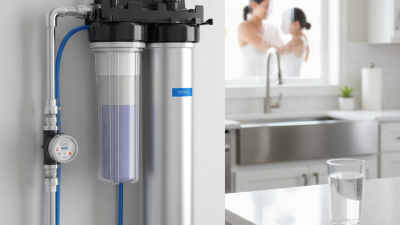
When choosing a home water filtration system, installation requirements and available space are crucial factors. You need to assess where you plan to install the system. Will it fit under your kitchen sink, or do you have space for a larger system? Measures matter. Sizing can impact effectiveness. A system that’s too small might not filter effectively, while a larger installation could overwhelm limited spaces.

Consider plumbing requirements for the chosen filtration system. Some systems necessitate complex installations, possibly requiring professional help. Others can be set up easily within a few hours. Think about what matches your skill level. A simple install might save you money, but it risks improper setup.

Also, be mindful of maintenance. Will you need to replace filters regularly? Space for storing replacements is vital. Some people neglect these aspects, leading to frustration later. Planning for accessibility can save time and hassle in the long run. Balancing installation requirements with the space you have available can lead to a more satisfying water filtration experience.