Contaminant Comparison Chart

For a complete list of contaminants that PUR filters reduce, please view our Performance Data Sheets here.


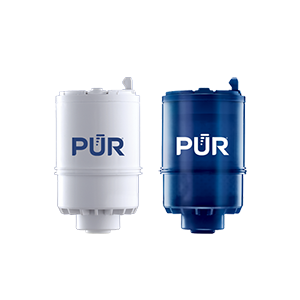
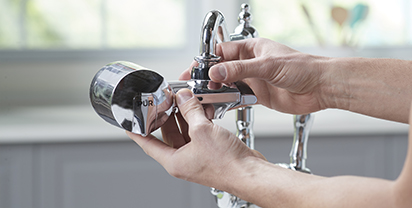
PUR & PUR PLUS FAUCET FILTERS
RF3375/RF9999

View Filters

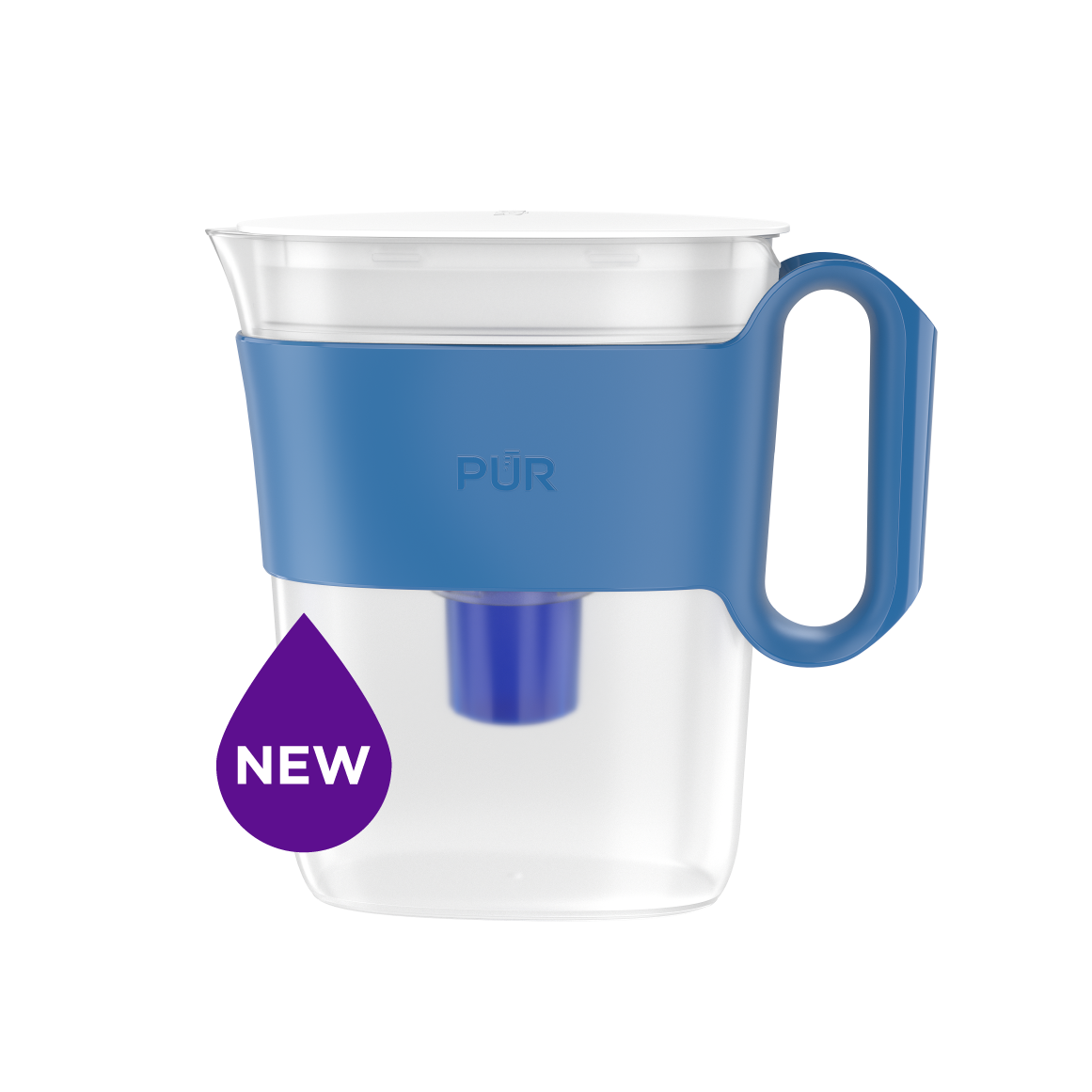
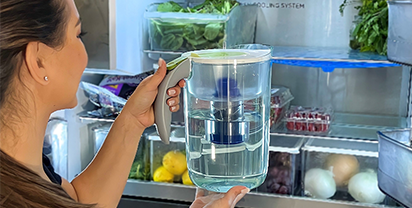
PUR PLUS PITCHER FILTERS
PPF951K

View Filter

PUR BASIC PITCHER FILTERS
PPF900Z

View Filter


Vs. Brita*

Lead
Microplastics
Mercury
Chlorine Taste & Odor
DEET
TTHM

PUR’s Filtration Systems Are Certified By NSF And WQA For Their Contamination Reduction. WQA certifications as of 5/27/21 for Faucet filter models RF-3375 and RF-9999.

¹ Certified to reduce 10X more chemical and physical substances than Brita’s® leading pitcher filter.
² Certified to reduce 3X more chemical and physical substances than Brita’s® leading pitcher filter.
³ Certified to reduce 2X more chemical and physical substances than Brita’s® leading pitcher filter.
*Versus best-selling Brita® pitcher filter OB03. Brita® is a trademark of Brita LP.
**Like other leading brands, PUR does not filter microbes. As of 3/1/23 Brita® and ZeroWater® were not certified to filter microbes. Brita® is a trademark of Brita LP. ZeroWater® is a trademark of Zero Technologies, LLC..
 

PUR & PUR PLUS FAUCET FILTERS


PUR & PUR PLUS FAUCET FILTERS
RF3375/RF9999

View Filters


Vs. Brita*

Lead
Microplastics
Mercury
Chlorine Taste & Odor
DEET
TTHM

PUR’s Filtration Systems Are Certified By NSF And WQA For Their Contamination Reduction. WQA certifications as of 5/27/21 for Faucet filter models RF-3375 and RF-9999.

¹ Certified to reduce 10X more chemical and physical substances than Brita’s® leading pitcher filter.
² Certified to reduce 3X more chemical and physical substances than Brita’s® leading pitcher filter.
³ Certified to reduce 2X more chemical and physical substances than Brita’s® leading pitcher filter.
*Versus best-selling Brita® pitcher filter OB03. Brita® is a trademark of Brita LP.
**Like other leading brands, PUR does not filter microbes. As of 3/1/23 Brita® and ZeroWater® were not certified to filter microbes. Brita® is a trademark of Brita LP. ZeroWater® is a trademark of Zero Technologies, LLC..
 

PUR PLUS PITCHER FILTERS


PUR PLUS PITCHER FILTERS
PPF951K

View Filter


Vs. Brita*

Lead
Microplastics
Mercury
Chlorine Taste & Odor
DEET
TTHM

PUR’s Filtration Systems Are Certified By NSF And WQA For Their Contamination Reduction. WQA certifications as of 5/27/21 for Faucet filter models RF-3375 and RF-9999.

¹ Certified to reduce 10X more chemical and physical substances than Brita’s® leading pitcher filter.
² Certified to reduce 3X more chemical and physical substances than Brita’s® leading pitcher filter.
³ Certified to reduce 2X more chemical and physical substances than Brita’s® leading pitcher filter.
*Versus best-selling Brita® pitcher filter OB03. Brita® is a trademark of Brita LP.
**Like other leading brands, PUR does not filter microbes. As of 3/1/23 Brita® and ZeroWater® were not certified to filter microbes. Brita® is a trademark of Brita LP. ZeroWater® is a trademark of Zero Technologies, LLC..
 

PUR BASIC PITCHER FILTERS


PUR BASIC PITCHER FILTERS
PPF900Z

View Filter


Vs. Brita*

Lead
Microplastics
Mercury
Chlorine Taste & Odor
DEET
TTHM

PUR’s Filtration Systems Are Certified By NSF And WQA For Their Contamination Reduction. WQA certifications as of 5/27/21 for Faucet filter models RF-3375 and RF-9999.

¹ Certified to reduce 10X more chemical and physical substances than Brita’s® leading pitcher filter.
² Certified to reduce 3X more chemical and physical substances than Brita’s® leading pitcher filter.
³ Certified to reduce 2X more chemical and physical substances than Brita’s® leading pitcher filter.
*Versus best-selling Brita® pitcher filter OB03. Brita® is a trademark of Brita LP.
**Like other leading brands, PUR does not filter microbes. As of 3/1/23 Brita® and ZeroWater® were not certified to filter microbes. Brita® is a trademark of Brita LP. ZeroWater® is a trademark of Zero Technologies, LLC..


2026 How to Choose the Best House Water Filter Options?

Choosing the right house water filter can be challenging. According to water filtration expert Dr. Emily Johnson, "The best filter is the one that meets your specific needs." This quote emphasizes the importance of understanding your household's unique water quality and usage.

In today's market, various options exist. These range from simple pitcher filters to advanced reverse osmosis systems. Each type offers different benefits. However, not every solution fits every household. You may find that a system perfect for one home could be inadequate for another. This highlights the need for thorough research.

Understanding what you need is crucial. Factors such as the presence of contaminants, budget, and maintenance must be considered. A good house water filter can improve health and taste. But if you choose poorly, you risk wasting time and money. The decision-making process requires careful consideration and often leads to reflections on what truly matters for you and your family.

2026 How to Choose the Best House Water Filter Options?

Understanding the Importance of Water Filtration for Health and Safety

Water quality significantly impacts health. Contaminants, such as bacteria and chemicals, can enter our homes through tap water. These substances may lead to serious health issues over time. Choosing the right water filter helps mitigate these risks. Filters can remove impurities, providing cleaner water for drinking and cooking.

Understanding filtration can seem overwhelming. Different methods exist, such as reverse osmosis, carbon filters, and UV purification. Each method has its own strengths. For instance, carbon filters are effective for chlorine removal, while reverse osmosis can eliminate heavy metals. Knowing the contaminants in your local water supply is essential. Testing your tap water can reveal what you need to focus on.

Choosing a water filter is not just about immediate results. Think about long-term benefits as well. Filters require maintenance and regular replacement. Over time, costs can add up if not planned properly. It’s essential to balance cost with effectiveness. Take time to research, compare options, and read reviews. This will help you make an informed decision tailored to your household needs.

2026 Water Filter Options Analysis

Key Contaminants in Drinking Water and Their Health Risks

When selecting a water filter for your home, understanding key contaminants in drinking water is crucial. Common impurities include lead, chlorine, and bacteria. Lead can seep into water from old pipes. Long-term exposure to lead may cause serious health issues, particularly in children. Even low levels can affect cognitive development. Chlorine, often used for disinfection, can produce harmful byproducts. These byproducts have links to increased cancer risks.

Another common contaminant is bacteria. Coliform bacteria can indicate the presence of pathogens. Ingesting contaminated water can lead to gastrointestinal illnesses. Regular testing of your water supply is vital. This step helps identify which contaminants are present. Filtering systems vary in their ability to address specific impurities. It’s important to choose a filter that meets your specific needs.

Many filters may not remove every contaminant. Some systems might only reduce specific chemicals. Therefore, checking product specifications is important. Water quality testing kits can inform your choices. Filters should be replaced regularly for effectiveness. Ignoring maintenance can compromise water safety. Often, consumers underestimate the importance of consistent testing and filter upkeep.

Types of Water Filters: Comparing Reverse Osmosis, Activated Carbon, and UV

When choosing a house water filter, understanding the options is crucial. Three main types stand out: reverse osmosis, activated carbon, and UV filtration. Each serves a unique purpose. Reverse osmosis is effective at removing dissolved solids. It uses a semi-permeable membrane, providing purified water. However, it can waste a significant amount of water in the process. Activated carbon filters excel at removing chlorine and improving taste. They absorb various contaminants, making water safer and more palatable. Yet, they require regular replacement to maintain efficiency. On the downside, they do not eliminate all types of contaminants, such as heavy metals. UV filters work by using ultraviolet light to kill bacteria and viruses. This method does not alter the taste or smell of water, making it a great choice for safety. That said, UV filters only disinfect water. They do not remove chemicals or sediments. It’s important to assess your water quality before deciding on the best filter. Considering maintenance is essential. Regular checks help ensure filters are working as intended. If you want cleaner water, think about your specific needs. Understand what you’re filtering out. Make a choice that suits your lifestyle and budget. Remember, no filter is perfect; monitoring performance is key.

Factors to Consider When Choosing a Home Water Filter System

When selecting a home water filter system, consider multiple factors to ensure clean, safe drinking water. One essential aspect is the filter type. Different systems use various technologies, such as activated carbon, reverse osmosis, or ultraviolet light. Each has unique strengths and weaknesses. Understanding your water source will guide you in choosing the appropriate system.

Water quality testing is crucial. You may need to check for contaminants in your water. Common issues include bacteria, lead, and chlorine. Knowing what to filter out will help you choose the right system. Remember, not all filters address every possible contaminant.

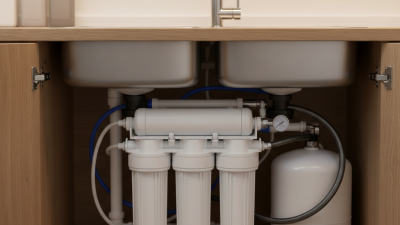
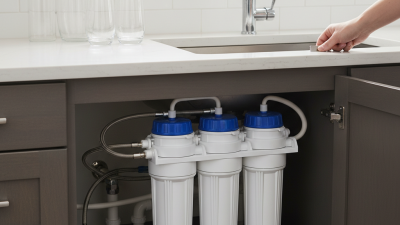
Pay attention to maintenance and filter replacement costs. Some systems require frequent changes, while others last longer. This can impact your budget over time. It's also important to consider the size and installation of the system. Some filters fit under the sink, while others may need more space.

Tips. Consider a filter that fits your lifestyle. Are you an avid cook or a minimalistic homeowner? Think about your family size. Larger households may require higher capacity options. Don’t overlook customer reviews. They provide real-world insights into filter performance and trustworthiness. Always question: is this the best choice for my needs? Balancing performance, cost, and convenience is key to finding the right filter.

Evaluating Filter Certifications: NSF/ANSI Standards Explained

Choosing the right water filter can be overwhelming, especially with various options available. A crucial step is evaluating filter certifications. The NSF/ANSI standards provide valuable insights into the effectiveness and safety of water filtration systems. NSF (National Sanitation Foundation) and ANSI (American National Standards Institute) test products rigorously and ensure they meet specific criteria.

Look for filters that comply with these standards. They signify that the product has been tested for contaminant removal and materials safety. Make sure a filter has NSF/ANSI certification for specific contaminants like chlorine, lead, or bacteria. Consider your water quality; specific contaminants may require certain certifications.

While certifications provide a level of assurance, it's essential to research individual filters. Not all filters perform equally well, even with similar certifications. User reviews and independent studies can shed light on real-world performance. Balancing these elements can lead to better decisions and a more satisfying experience.

2026 How to Choose the Best House Water Filter Options? - Evaluating Filter Certifications: NSF/ANSI Standards Explained

Filter Type Common Contaminants Removed NSF/ANSI Standard(s) Expected Lifespan (months) Approximate Cost (USD)
Activated Carbon Filter Chlorine, VOCs, bad taste and odor NSF/ANSI 42 6 - 12 $30 - $150
Reverse Osmosis System Lead, arsenic, nitrates, TDS NSF/ANSI 58 24 - 36 $150 - $600
UV Water Purifier Bacteria, viruses, protozoa NSF/ANSI 55 12 - 24 $100 - $500
Ceramic Filter Bacteria, sediment, cysts NSF/ANSI 53 12 - 18 $25 - $150
Whole House Filter Sediment, chlorine, heavy metals NSF/ANSI 44 36 - 60 $400 - $1,200