
Contaminant Comparison Chart

For a complete list of contaminants that PUR filters reduce, please view our Performance Data Sheets here.


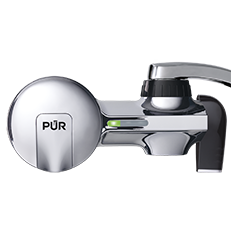
PUR & PUR PLUS FAUCET FILTERS
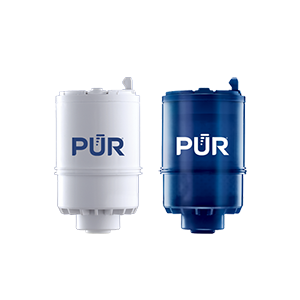
RF3375/RF9999

View Filters

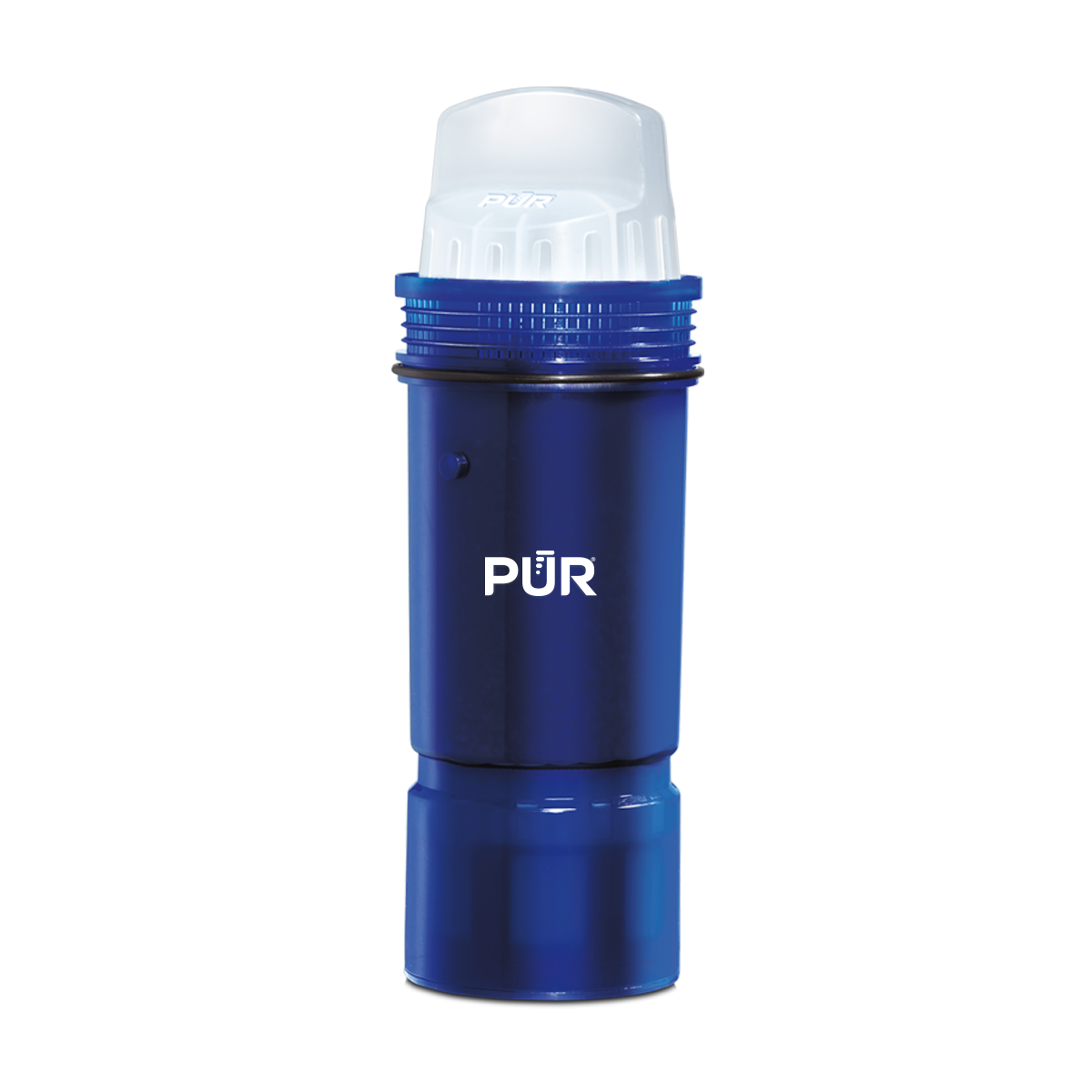
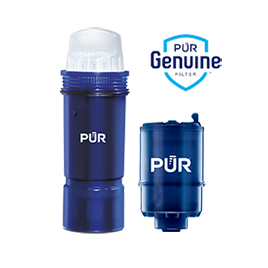
PUR PLUS PITCHER FILTERS
PPF951K

View Filter

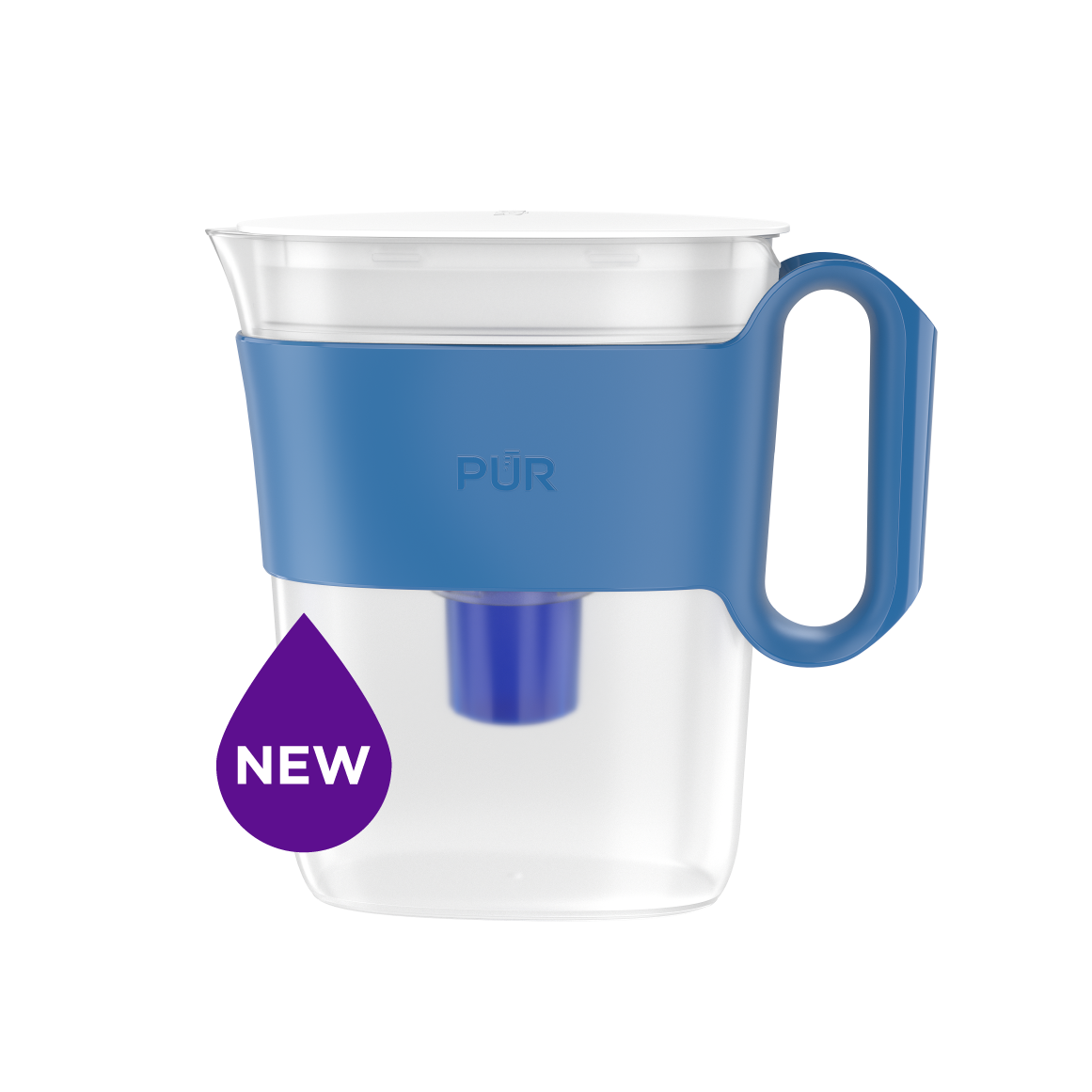
PUR BASIC PITCHER FILTERS
PPF900Z

View Filter


Vs. Brita*

Lead
Microplastics
Mercury
Chlorine Taste & Odor
DEET
TTHM

PUR’s Filtration Systems Are Certified By NSF And WQA For Their Contamination Reduction. WQA certifications as of 5/27/21 for Faucet filter models RF-3375 and RF-9999.

¹ Certified to reduce 10X more chemical and physical substances than Brita’s® leading pitcher filter.
² Certified to reduce 3X more chemical and physical substances than Brita’s® leading pitcher filter.
³ Certified to reduce 2X more chemical and physical substances than Brita’s® leading pitcher filter.
*Versus best-selling Brita® pitcher filter OB03. Brita® is a trademark of Brita LP.
**Like other leading brands, PUR does not filter microbes. As of 3/1/23 Brita® and ZeroWater® were not certified to filter microbes. Brita® is a trademark of Brita LP. ZeroWater® is a trademark of Zero Technologies, LLC..

 

PUR & PUR PLUS FAUCET FILTERS


PUR & PUR PLUS FAUCET FILTERS
RF3375/RF9999

View Filters


Vs. Brita*

Lead
Microplastics
Mercury
Chlorine Taste & Odor
DEET
TTHM

PUR’s Filtration Systems Are Certified By NSF And WQA For Their Contamination Reduction. WQA certifications as of 5/27/21 for Faucet filter models RF-3375 and RF-9999.

¹ Certified to reduce 10X more chemical and physical substances than Brita’s® leading pitcher filter.
² Certified to reduce 3X more chemical and physical substances than Brita’s® leading pitcher filter.
³ Certified to reduce 2X more chemical and physical substances than Brita’s® leading pitcher filter.
*Versus best-selling Brita® pitcher filter OB03. Brita® is a trademark of Brita LP.
**Like other leading brands, PUR does not filter microbes. As of 3/1/23 Brita® and ZeroWater® were not certified to filter microbes. Brita® is a trademark of Brita LP. ZeroWater® is a trademark of Zero Technologies, LLC..


PUR PLUS PITCHER FILTERS


PUR PLUS PITCHER FILTERS
PPF951K

View Filter


Vs. Brita*

Lead
Microplastics
Mercury
Chlorine Taste & Odor
DEET
TTHM

PUR’s Filtration Systems Are Certified By NSF And WQA For Their Contamination Reduction. WQA certifications as of 5/27/21 for Faucet filter models RF-3375 and RF-9999.

¹ Certified to reduce 10X more chemical and physical substances than Brita’s® leading pitcher filter.
² Certified to reduce 3X more chemical and physical substances than Brita’s® leading pitcher filter.
³ Certified to reduce 2X more chemical and physical substances than Brita’s® leading pitcher filter.
*Versus best-selling Brita® pitcher filter OB03. Brita® is a trademark of Brita LP.
**Like other leading brands, PUR does not filter microbes. As of 3/1/23 Brita® and ZeroWater® were not certified to filter microbes. Brita® is a trademark of Brita LP. ZeroWater® is a trademark of Zero Technologies, LLC..


PUR BASIC PITCHER FILTERS


PUR BASIC PITCHER FILTERS
PPF900Z

View Filter


Vs. Brita*

Lead
Microplastics
Mercury
Chlorine Taste & Odor
DEET
TTHM

PUR’s Filtration Systems Are Certified By NSF And WQA For Their Contamination Reduction. WQA certifications as of 5/27/21 for Faucet filter models RF-3375 and RF-9999.

¹ Certified to reduce 10X more chemical and physical substances than Brita’s® leading pitcher filter.
² Certified to reduce 3X more chemical and physical substances than Brita’s® leading pitcher filter.
³ Certified to reduce 2X more chemical and physical substances than Brita’s® leading pitcher filter.
*Versus best-selling Brita® pitcher filter OB03. Brita® is a trademark of Brita LP.
**Like other leading brands, PUR does not filter microbes. As of 3/1/23 Brita® and ZeroWater® were not certified to filter microbes. Brita® is a trademark of Brita LP. ZeroWater® is a trademark of Zero Technologies, LLC..


2026 How to Choose the Best Induction Strip Light for You?

Choosing the right Induction Strip Light can enhance your space significantly. This choice impacts aesthetics and functionality. With numerous options available, it’s essential to consider your needs carefully.

Induction Strip Lights are energy-efficient and offer excellent illumination. They are perfect for both residential and commercial settings. However, not all lights are made equal. Lack of research can lead to choices that do not meet your expectations.

People often overlook key factors like brightness, color temperature, and installation requirements. An ideal light should cater to your specific environment. Remember, it’s okay to feel confused. Take your time, gather information, and don’t hesitate to seek expert opinions. Making the right choice can transform your space beautifully.

2026 How to Choose the Best Induction Strip Light for You?

Factors to Consider When Selecting Induction Strip Lights for Various Applications

Choosing the right induction strip light involves careful consideration of various factors. Understanding your specific needs is crucial. Think about the space where the light will be installed. For example, warehouses may require brighter options than residential areas. The height of installation also affects the light's effectiveness. A higher ceiling may need more powerful lighting to ensure adequate illumination.

Tips: Always choose a color temperature that suits the environment. Cooler temperatures work well in workspaces, while warmer tones are comforting in living areas. Don't overlook the wattage; it directly impacts energy consumption.

Consider the materials and durability of the induction strip light. If it's for an outdoor area, weather-resistant options are essential. For indoor use, aesthetic elements should not be ignored. Stylish designs can enhance the overall look of your space, but functionality should always come first.

Lastly, budget constraints are a reality. Induction lights vary widely in price. Look for efficient options that balance cost with performance. It’s tempting to choose the cheapest option, but that can often lead to higher costs down the line. Reflect on your priorities: is it energy efficiency or initial cost savings that matters more?

Understanding Different Types of Induction Strip Lights and Their Applications

Induction strip lights are becoming increasingly popular in various applications. They are energy-efficient and provide bright illumination. Different types serve distinct purposes, catering to specific lighting needs. Among these types, Led Induction Strip Lights stand out for their longevity and low maintenance. According to a report by the U.S. Department of Energy, LED technologies can reduce energy consumption by up to 75%. This remarkable efficiency makes them a top choice for warehouses and industrial environments.

Moreover, the application of these lights varies widely. For example, they are suitable for both indoor and outdoor use. In parking lots, induction strip lights enhance safety by illuminating dark areas. In contrast, in retail spaces, they create a welcoming ambiance. A projection by market research firms suggests that by 2026, the demand for induction lighting solutions will grow exponentially, driven by increased commercial efforts to reduce energy usage.

However, it is essential to consider the downsides too. Installation can be costly and requires professional expertise. Moreover, varying power requirements can complicate selection. It's important to evaluate your specific context and needs thoroughly. Choosing the wrong type might lead to inefficient energy use or inadequate lighting. Therefore, a careful approach is necessary to find the right induction strip light for your requirements.

2026 Induction Strip Light Types and Applications

This chart illustrates the brightness output in lumens for different types of induction strip lights used in various applications. The dataset highlights the effectiveness of these lights across indoor, outdoor, commercial, industrial, and emergency settings.

Key Performance Metrics: Lumens, Wattage, and Efficiency Ratings Explained

When selecting an induction strip light, understanding key performance metrics is essential. Lumens measure total light output. The higher the lumens, the brighter the light. A typical induction strip light produces around 3,000 to 10,000 lumens, suitable for diverse environments. For a well-lit workspace, aim for at least 500 lumens per square meter.

Wattage indicates energy consumption. Efficiency is crucial here. A good induction strip light can provide 100 lumens per watt or more. This means that for every watt used, you get substantial light output. According to industry reports, using energy-efficient lights can reduce electricity costs by up to 50%. Yet, keep in mind that lower wattage does not always equate to lower quality.

When evaluating efficiency ratings, consider the Color Rendering Index (CRI). A CRI above 80 is ideal for most applications. It affects how colors appear under light, impacting workplace ambiance. You may find a product with high lumens but poor CRI. Reflect on the trade-offs in your choices. Always check for reputable certifications to ensure quality and performance in your selection process.

2026 How to Choose the Best Induction Strip Light for You? - Key Performance Metrics: Lumens, Wattage, and Efficiency Ratings Explained

Type Lumens Wattage Efficiency (Lumens/Watt) Lifespan (Hours)
Standard Induction Strip 4000 40 100 15,000
High-Efficiency Induction Strip 6000 50 120 20,000
Dimmer-Compatible Induction Strip 5000 45 111 18,000
Eco-Friendly Induction Strip 5500 48 115 22,000

Safety Standards and Compliance Requirements for Induction Lighting Products

When selecting induction strip lights, understanding safety standards is vital. Compliance ensures products are safe for use. The industry follows guidelines set by organizations like ANSI and UL. These bodies define operational safety expectations for lighting solutions.

In recent reports, about 70% of induction lighting products failed initial safety checks due to poor circuitry. Such failures can lead to electrical hazards. Understanding these parameters helps avoid pitfalls. Compliance also means consideration for efficiency. Induction lights should convert over 90% of energy consumed into light. Products that miss this mark may not meet industry standards.

Investing in reliable products secures both safety and performance. Certain certifications, like the Energy Star label, represent adherence to strict standards. Yet, not all products with such labels guarantee long-term efficiency or safety. Regular maintenance and inspections become crucial to ensuring continued compliance and performance.

Cost-Benefit Analysis: Long-Term Savings of Induction Lighting vs. Traditional Options

Induction lighting offers significant long-term savings compared to traditional lighting options. Studies indicate that induction lights can last up to 100,000 hours, significantly outlasting fluorescent and incandescent lights. This longevity translates to reduced maintenance costs. For example, replacing bulbs frequently can incur hidden expenses, like labor and disposal fees.

In addition to lifespan, energy efficiency is a key factor. Induction lights use about 50% less energy than traditional fixtures. A report by the U.S. Department of Energy states that an induction system can save roughly $200 per fixture over its lifetime. These savings are particularly impactful in commercial settings, where lighting accounts for a large part of the energy bill.

While the initial cost of induction lighting may be higher, the long-term benefits can't be ignored. Businesses should consider the total cost of ownership. The efficiency gains and lower replacement frequency reduce environmental impact too, which is an added bonus for sustainability-minded companies. However, transitioning to induction lighting may require upfront investment in retrofitting existing fixtures. This challenge raises questions about cost versus efficiency. Ultimately, the decision may depend on individual context and energy goals.